
In the world of oral irrigators, compatibility confusion during nozzle replacement is emerging as a silent quality pitfall. While end-users may perceive this as a minor inconvenience, B2B buyers understand its serious implications: customer dissatisfaction, increased return rates, and product line inconsistencies. Understanding the root causes behind mismatched parts and irregular nozzle replacement frequency is key for both manufacturers and brand owners to avoid long-term losses.
At first glance, nozzle replacement should be a straightforward process. However, incompatibility between new nozzles and existing devices—especially across SKUs or production batches—has led to a surge in user complaints. Key contributing factors include:
This type of compatibility confusion often results in users forcing the wrong parts, damaging internal pump mechanisms, or abandoning the device altogether.
The nozzle replacement frequency also acts as a proxy for quality assurance. Ideally, a nozzle should maintain its performance (spray pattern, flow rate, seal integrity) for at least 3 months. However, early wear due to substandard materials, poor ultrasonic bonding, or structural fatigue can:
OEM buyers must demand life-cycle testing data from manufacturers to verify actual durability versus advertised claims.
Repeated nozzle mismatch incidents not only affect usability—they also erode brand trust. From the customer’s point of view, a premium device that “can’t even match its own nozzles” reflects poor quality control. For brand owners, this translates into:
This is particularly dangerous in competitive regions like North America and Europe, where expectations for plug-and-play functionality are high.
Manufacturers and private label partners must collaborate early in the product planning phase to ensure:
By designing with backwards and cross-model compatibility in mind, brands can reduce both consumer errors and post-sales friction.
Some manufacturers are taking innovation further. To reduce compatibility confusion, advanced water flosser models are integrating:
While these features slightly raise unit cost, they significantly increase perceived value, user satisfaction, and customer retention.
At our facility, we ensure every nozzle series undergoes rigorous stress testing—evaluating fitting accuracy, seal performance, and wear patterns over time. More importantly, we’ve adopted cross-generational compatibility policies, so our partners don’t have to redesign packaging or train users for every model iteration. Whether your product line is basic or smart-enabled, we can tailor the nozzle configuration to your brand’s promise.
Inconsistent nozzle replacement frequency and ongoing compatibility confusion are avoidable with forward-thinking design and clear engineering standards. For B2B partners, this isn’t just a user-experience issue—it’s a reputational and operational one. Ensuring seamless nozzle replacement isn’t just good design—it’s good business.
Need help designing a cross-compatible oral irrigator line? Contact us for a consultation and full compatibility audit.
.jpg)
Analyzing Oral-B Style Handle Technology: A Cost-Benefit Guide for OEM Brands
.jpg)
Is Sensitive Gum Electric Toothbrush Shedding Bristles?
.jpg)
Chicago Electric Toothbrush Supplier – Wholesale Quality from Chinese Factory
Waterproof Failure Causing Material Toxicity? A Silent Risk in Oral Care Manufacturing
Material Degradation Releasing Chemical Residue? Hidden Hazards in Oral Care Devices
Small Batch Electric Toothbrush OEM Manufacturing for Emerging Brands
replaceable brush head toothbrush supplier | OEM & Private Label Factory in China
Why use Quad-brush Synchronization with Vortex Chamber Technology in advanced flossers?
How to Achieve a Win-Win Situation of “Consumption Upgrade” and “Cost Control”?
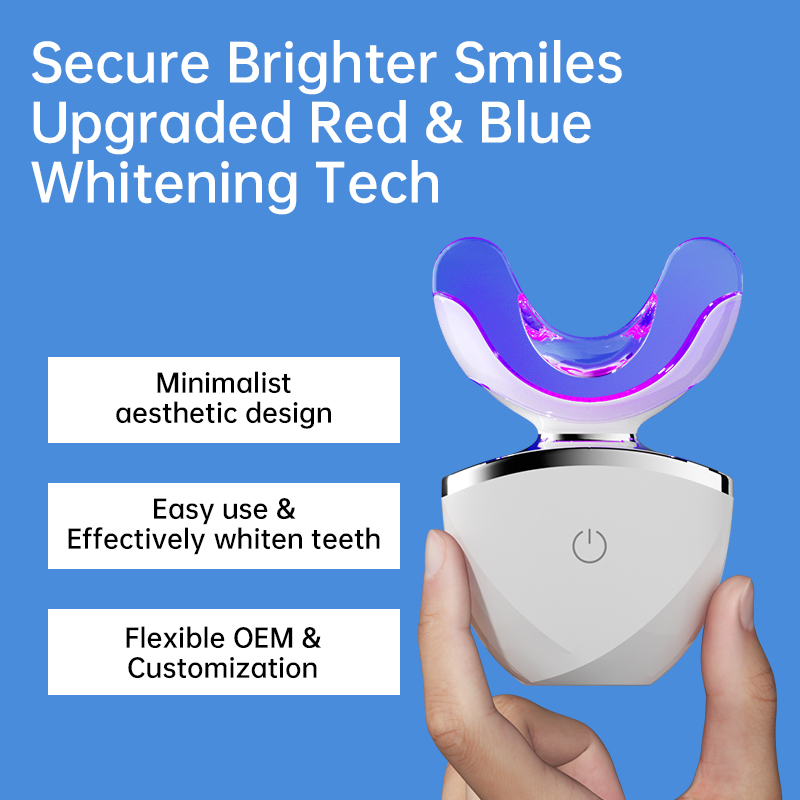
Finding the Optimal Light Therapy for Teeth and Gums in OEM Products
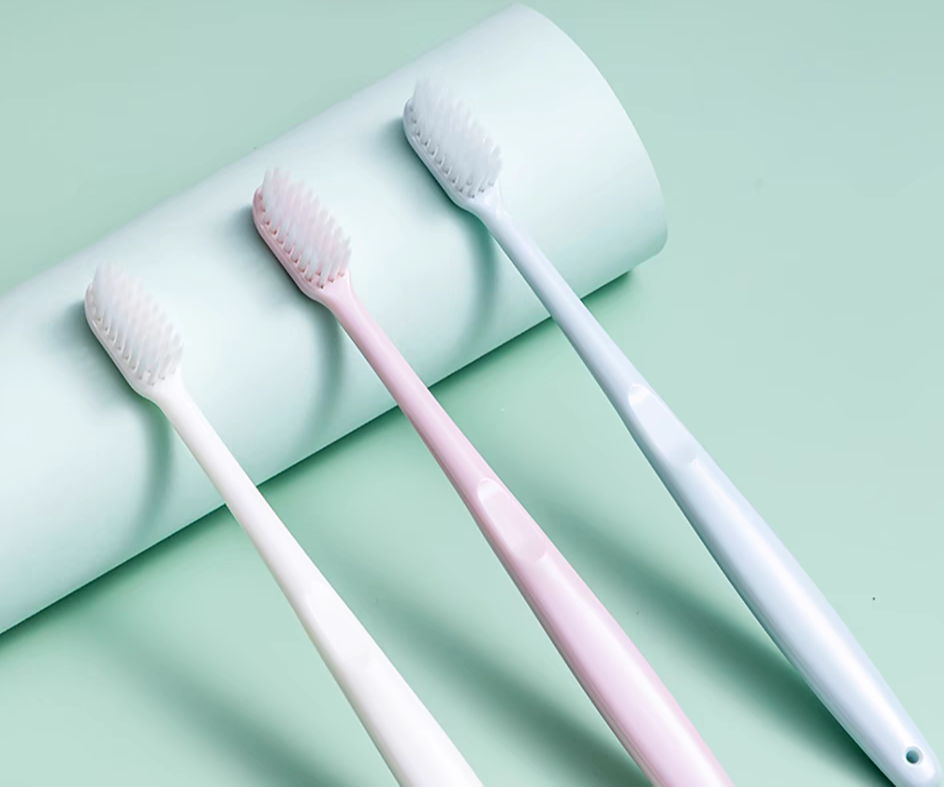
Electric Toothbrush Head Customization Solution and Range
Sonic Toothbrush ODM Service for Brand Development | From Concept to Mass Production
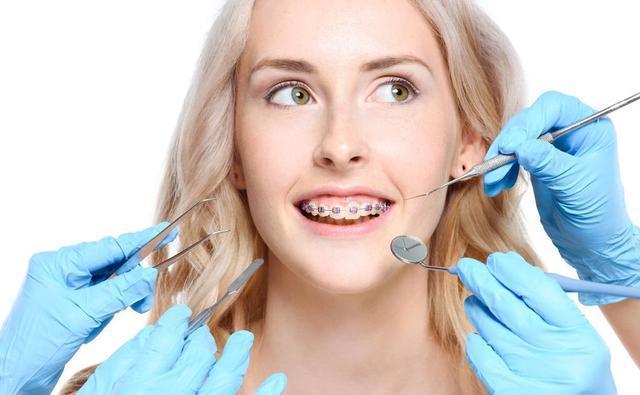
Best Dentist-Recommended Braces Cleaning Products for Braces Wearers
.jpg)
The Role of UV Light in Water Treatment for Modern Oral Care Products
.jpg)
Gum Care Electric Toothbrush Manufacturing – Clinically Proven Oral Care
.jpg)
Smart Electric Toothbrush Manufacturing: How to Choose the Best OEM Partner


.jpg)
.jpg)
.jpg)
.jpg)
.jpg)






.jpg)
.jpg)