
Oral irrigators have gained popularity as an effective alternative to traditional dental floss. These devices, also known as water flossers, use a targeted stream of water to clean between teeth and along the gumline. While many people find them easy to use and highly efficient, there are still common misunderstandings of oral irrigators that may prevent users from fully leveraging their benefits. In this blog, we’ll debunk five misconceptions about oral irrigators and explain how they can complement or even replace dental floss in daily oral hygiene routines.
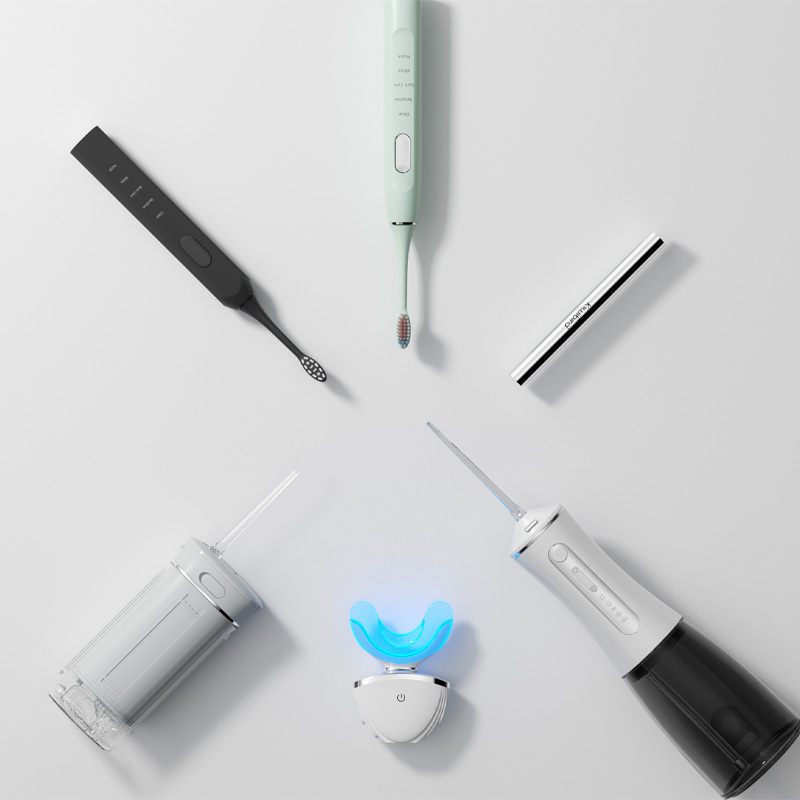
Many users assume that oral irrigators render dental floss unnecessary. While oral irrigators are excellent for removing debris and plaque from hard-to-reach areas, they may not entirely replace dental floss for everyone. Traditional floss can still be useful for scraping stubborn plaque off tooth surfaces. A combination of both methods can often provide the best results for maintaining oral health.
Another common belief is that oral irrigators are only beneficial for individuals with braces, implants, or other dental work. In reality, they are a fantastic tool for anyone seeking improved oral hygiene. Studies have shown that regular use of oral irrigators reduces gingivitis and plaque, making them a valuable addition to anyone’s oral care routine.
Many people shy away from oral irrigators, thinking they’re difficult to operate. On the contrary, modern devices are designed for ease of use, with adjustable water pressure settings and simple interfaces. Most oral irrigators come with clear instructions, and users can typically start using them effectively within minutes.
Some users doubt the cleaning ability of oral irrigators compared to traditional floss. However, research has proven that oral irrigators can be just as effective—if not more so—in reducing plaque and improving gum health. They are especially beneficial for accessing areas that floss might miss, such as deep pockets around teeth.
Finally, there is a perception that oral irrigators are a luxury product. While some high-end models may come with a higher price tag, there are plenty of affordable options available that still deliver excellent performance. Investing in an oral irrigator can save money in the long term by reducing dental issues and visits to the dentist.
Understanding the common misunderstandings of oral irrigators can help more people embrace these powerful tools for maintaining oral hygiene. While they may not entirely replace dental floss for everyone, oral irrigators provide an effective and convenient alternative that can enhance oral care routines. With their growing affordability and ease of use, it’s no wonder why oral irrigators are becoming a staple in households around the world. Don’t hesitate to contact Powsmart if you want to start your own water flosser business.https://www.powsmart.com/contact-us/
Space-Saving Oral Care: Compact Electric Toothbrush Designs

Why Is Brush Head Mold Fabrication Critical to Securing Quality Certification Support?
Horizontal vs Vertical Brushing: How Smart Toothbrush Design Guides Proper Technique
How Does Optimized Flow Channel Geometry Impact the Efficiency of a Rechargeable Battery Solution?
.jpg)
Powsmart Electric toothbrush Factory Alabama

Can You Use Generic Electric Toothbrush Replacement Heads Safely?

Does an orthodontic brush simplify braces care?
.jpg)
Whitening Device Production MOQ — How Importers Plan Order Strategy
.jpg)
Is Your Toothbrush Head Manufacturer Aligned with the Sustainable Toothbrush Movement?
Can a Closed-loop Material Recycling System Be Financed Through a Royalty-Based Manufacturing Deal?
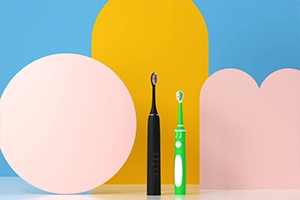
Customizing Family Oral Care Systems: OEM Solutions for Home Dental Health
.jpg)
Why Conduct Pressure Decay Tests on Water Flossers with Vortex Chamber Technology?
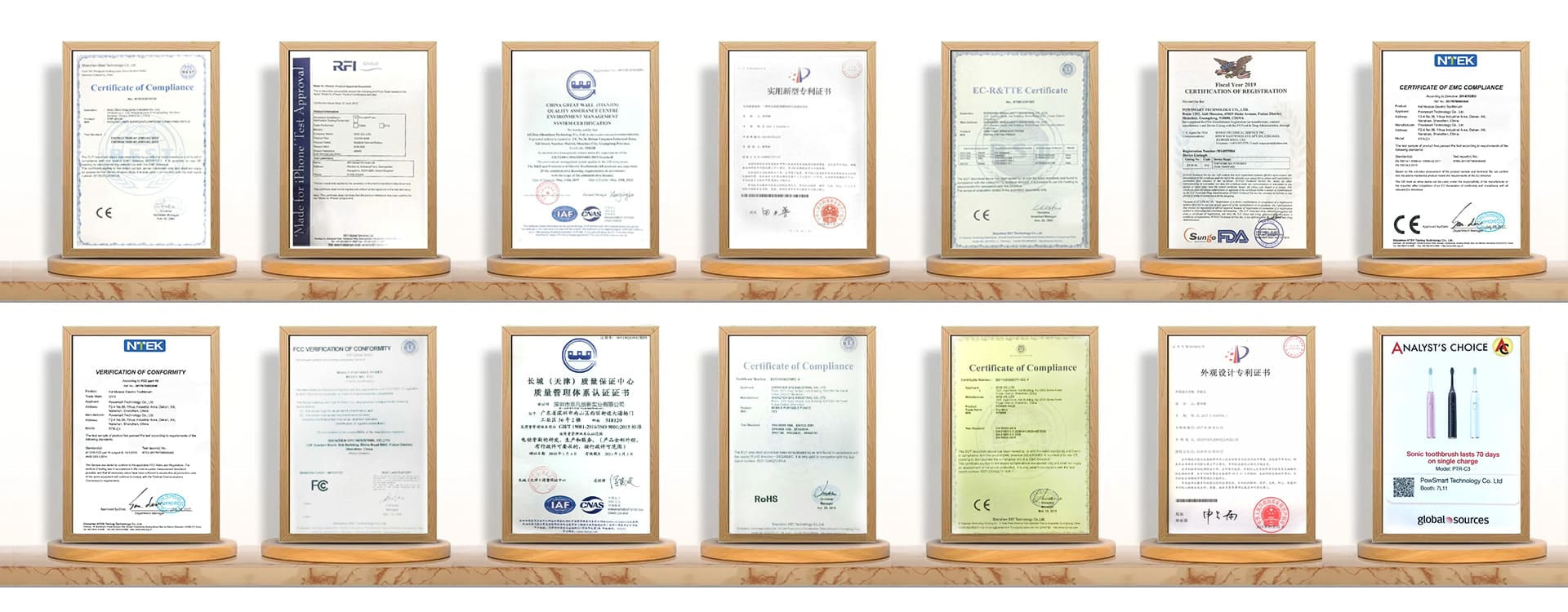
Electric Toothbrush Certificate
.jpg)
Texas Distributor of Electric Toothbrushes
.jpg)
How Does Water Flosser Tank Manufacturing Integrate with Water Flosser Accessory Production?
.jpg)
Is Ultra-Quiet Magnetic Motor Brush Generating Noise Complaints?


.jpg)
.jpg)
.jpg)
.jpg)
.jpg)







.jpg)
