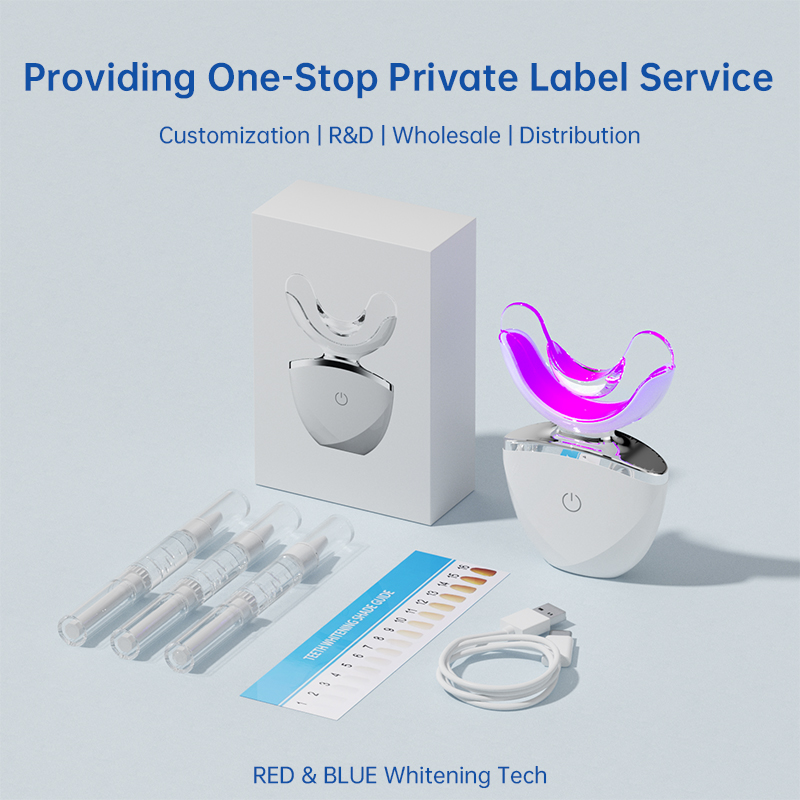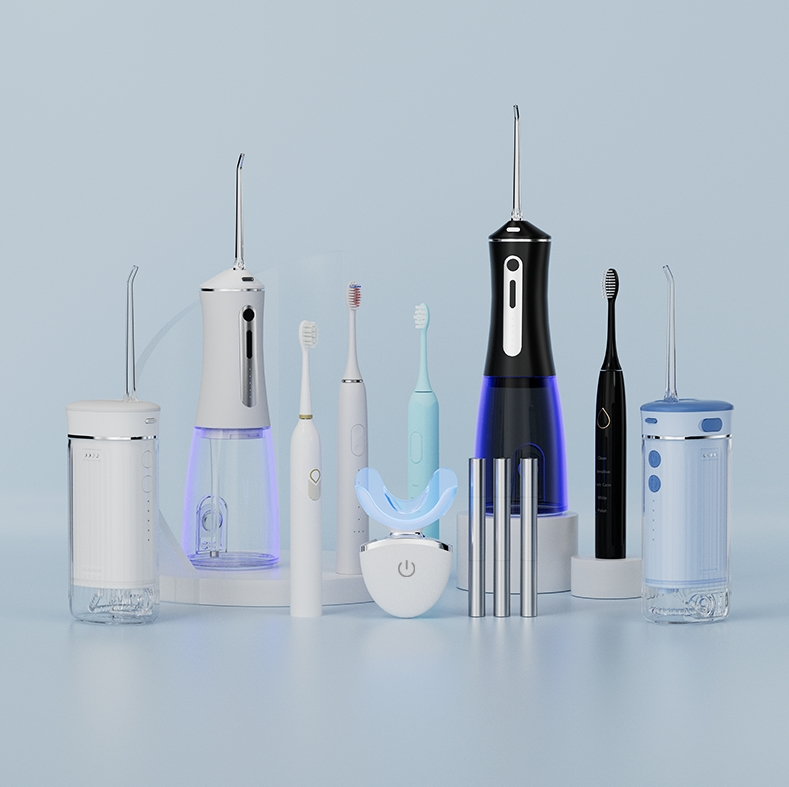
When assessing the effectiveness of teeth-whitening treatments, the CIE Whiteness Index is a critical measurement tool used to quantify whitening results. It accounts for the perceptible changes in tooth color by considering Hue, Saturation, and Lightness—three essential components of color that influence how bright or white a tooth appears. Understanding how these variables interact in whitening outcomes allows manufacturers to refine products for more precise, consistent results across different user profiles.
The CIE Whiteness is a standardized metric developed by the International Commission on Illumination (CIE) to measure how white a surface appears, factoring in both the degree of whiteness and the presence of any color undertones. It helps manufacturers and clinicians track the effectiveness of whitening treatments in a scientifically validated way.
The three key components of the CIE Whiteness —Hue, Saturation, and Lightness—each play a distinct role in how whiteness is perceived:
The CIE Whiteness Index integrates Hue, Saturation, and Lightness into a single formula that allows for a comprehensive understanding of how teeth whitening affects tooth color. By using a colorimeter or spectrophotometer to measure these elements before and after treatment.
Teeth that appear whiter may not always have the same level of brightness across all regions. For example, some whitening products may lighten teeth effectively but leave unwanted yellow or blue undertones. By considering Hue, Saturation, and Lightness in the product design and performance evaluation, manufacturers can ensure.
Understanding and optimizing the CIE Whiteness Index allows manufacturers to precisely target specific whitening goals. Whether the aim is to create a universally effective product or to cater to individuals with specific whitening needs. This data also supports more transparent marketing claims.
For OEM/ODM buyers, CIE Whiteness Index measurements provide valuable insights into how a whitening product or system performs in terms of overall color change. Manufacturers can tweak formulas, light intensities, or treatment durations based on the results of these measurements.
By integrating CIE Whiteness Index measurements that account for Hue, Saturation, and Lightness, manufacturers can achieve greater precision in whitening outcomes. This data-driven approach helps optimize the effectiveness, consistency, and safety of whitening treatments. Contact us
.jpg)
.jpg)
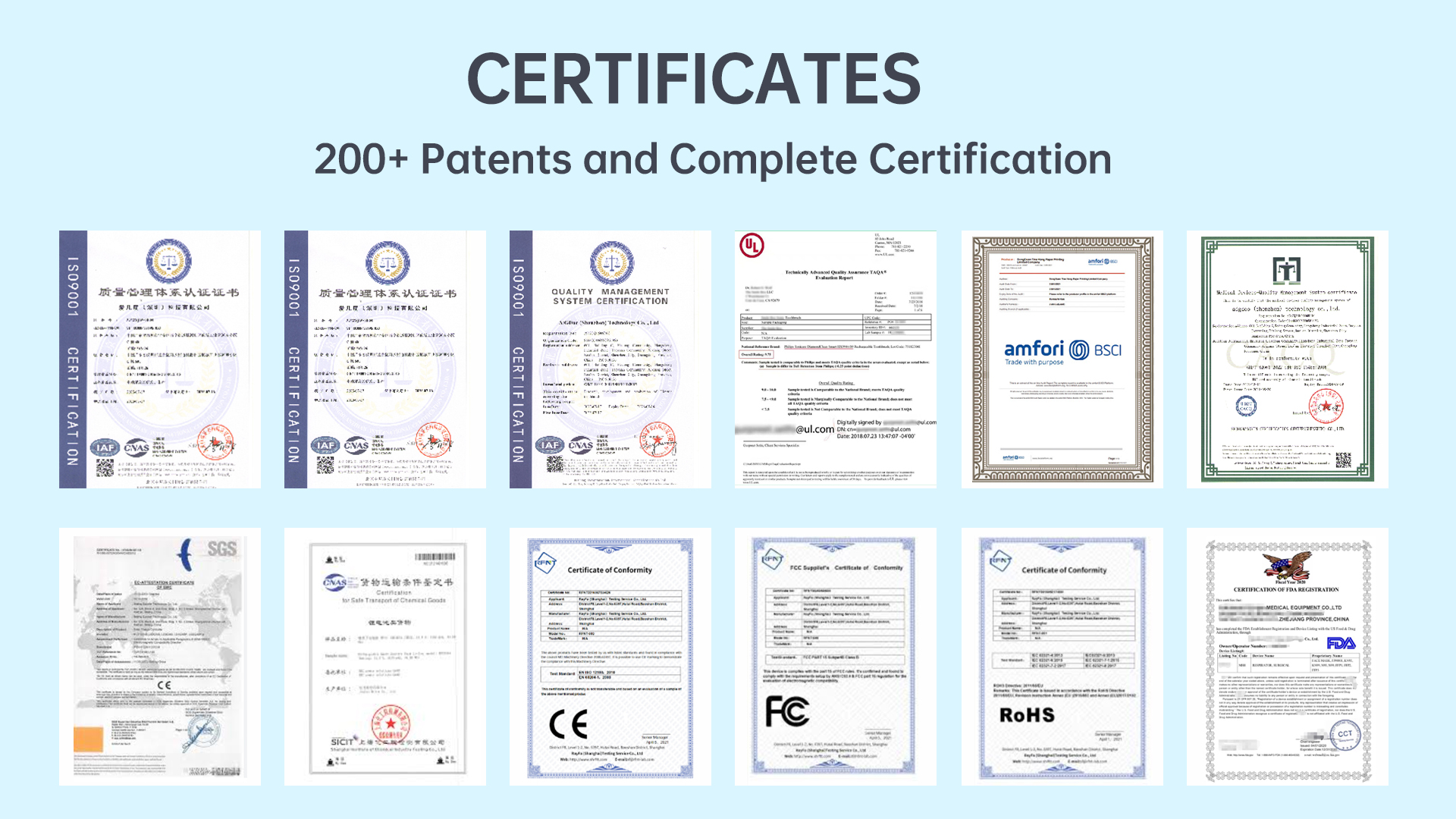
Teeth Whitener Regulations in EU & US: Strategic OEM Manufacturing Insights

Miami dental toothbrush suitable as Florida senior toothbrush?
.jpg)
How Many Times Is It Recommended to Clean Your Mouth in a Day?

What is the Most Sanitary Way to Keep a Toothbrush? OEM Solutions for Modern Oral Care
-2-scaled.png)
Does 3D Rotation Oscillation Brush Trigger Sensor Failure?
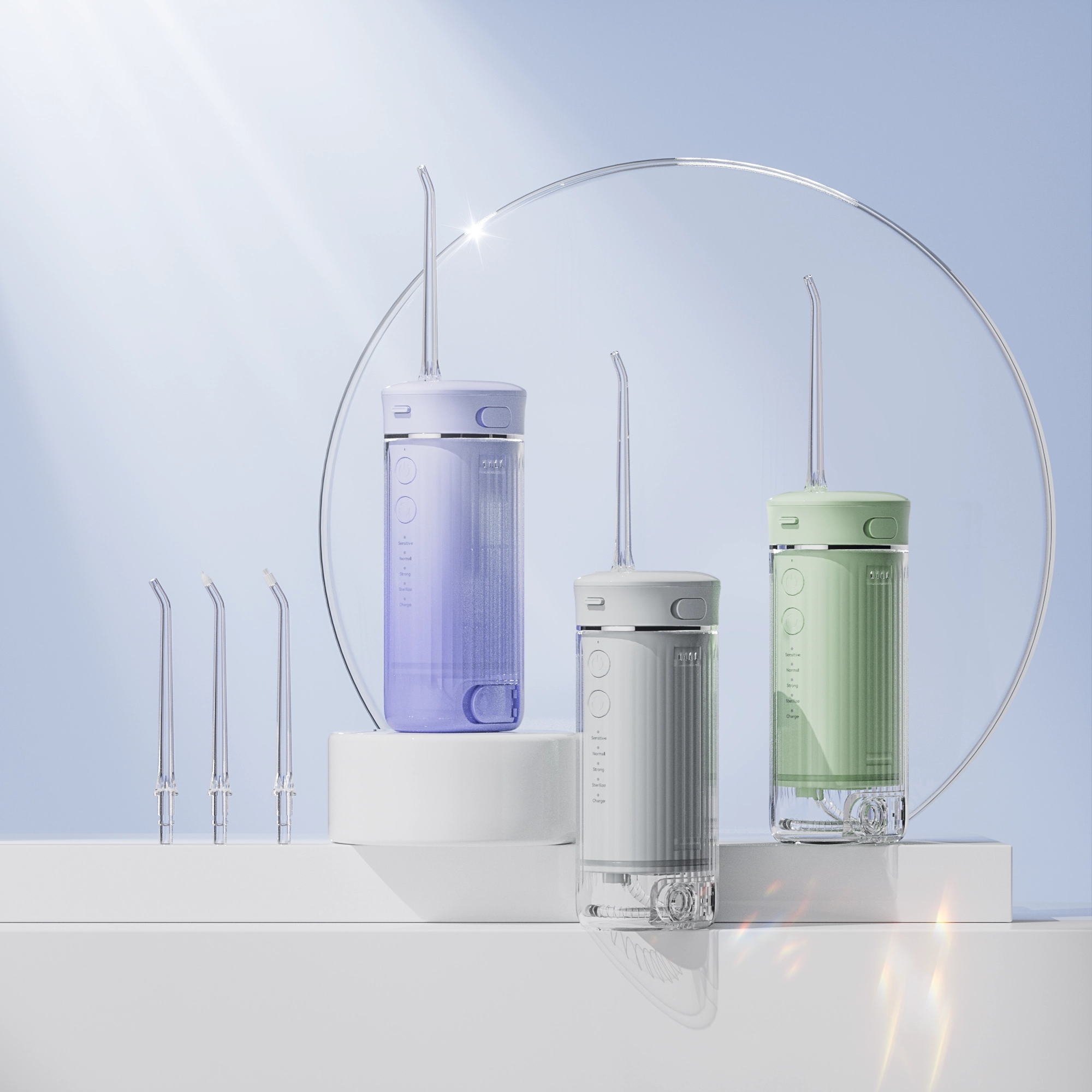
How To Prevent Mold in a Water Flosser?
.jpg)
Travel Size Electric Toothbrush Wholesale
Does Toothbrush Battery Life Impact Gum Recession Risk?
Waterproof Electric Toothbrush – OEM Manufacturing & Bulk Supply for Global Partners
fast delivery electric toothbrush supplier | Short Lead Time OEM
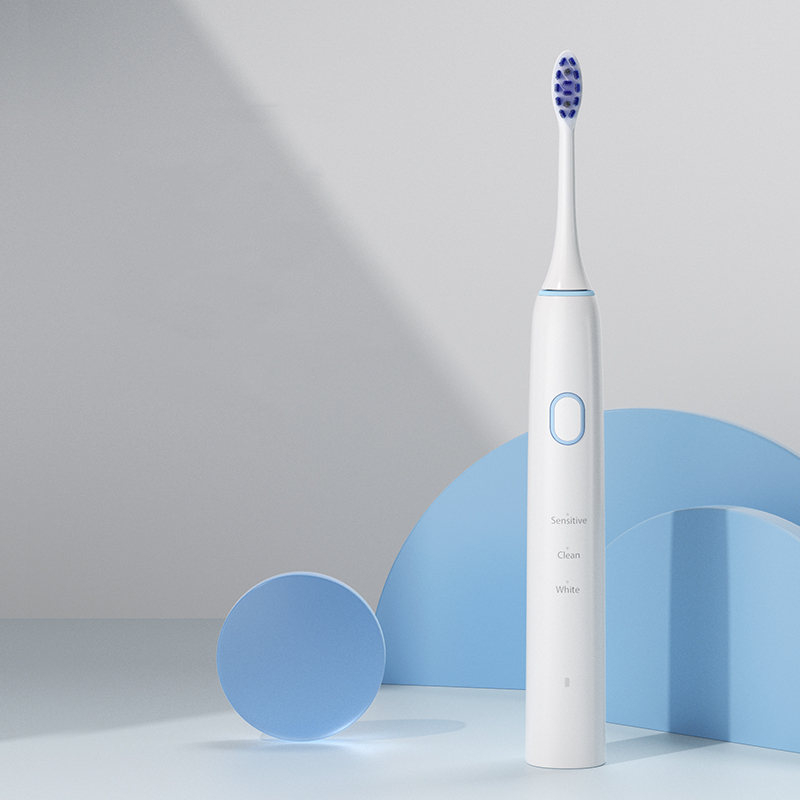
Why Choose Powsmart as Your Electric Toothbrush OEM Partner?
Need a Reliable Water Flosser Pump OEM for Your Oral Irrigator Components?
.jpg)
Before or After Brushing? Solving the Water Flosser Sequence for Your OEM Brand
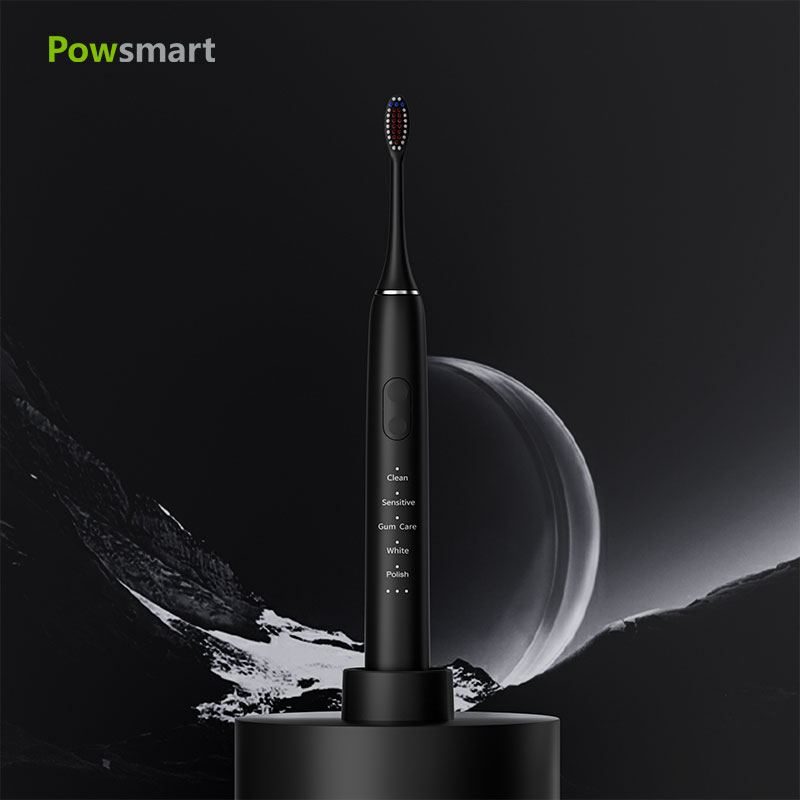
The Working Principle of Sonic Electric Toothbrushes
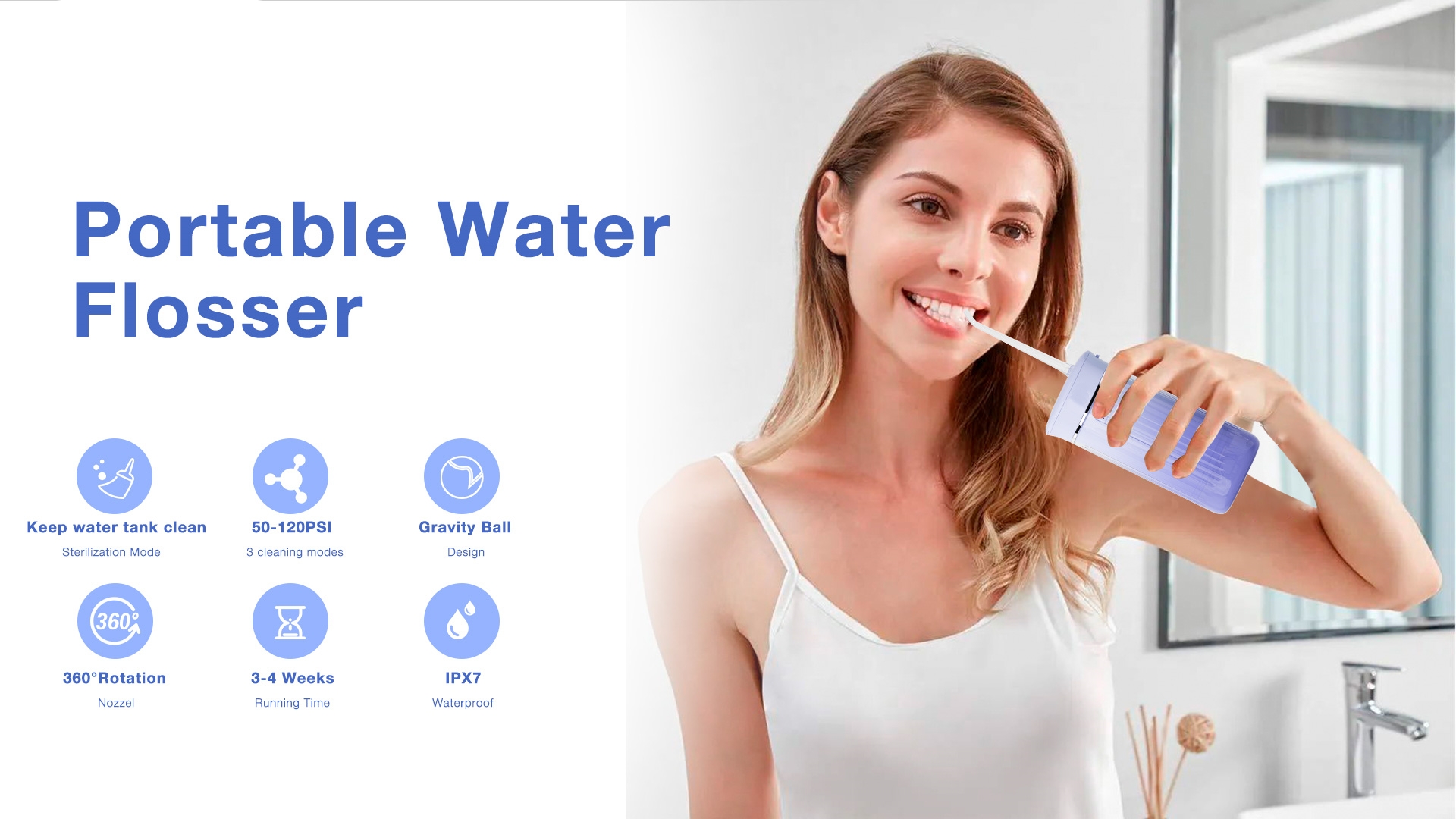
Tips from a water flosser factory: correct ways to use oral irrigator
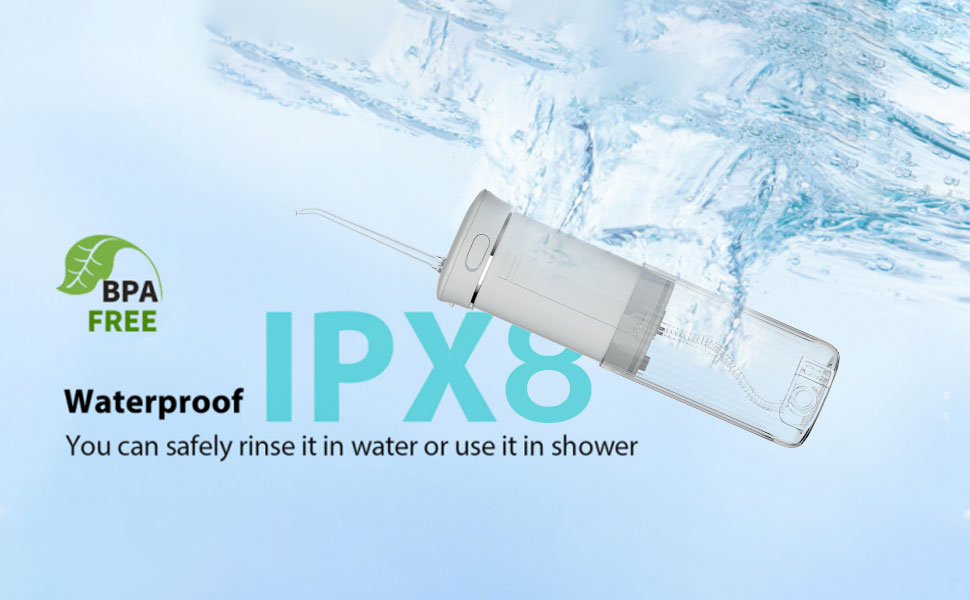
Does Long-Lasting Travel Toothbrush Trigger Power Surge?


.jpg)
.jpg)
.jpg)
.jpg)
.jpg)





.jpg)