
Flossing is a key component of maintaining good oral hygiene, but with the variety types of flossing technologies available today, choosing the right one can be overwhelming. Each type of flossing technology offers distinct benefits, and the ideal choice often depends on the user’s specific needs and preferences. In this blog, we’ll analyze the advantages and disadvantages of different types of flossing technologies, helping you make an informed decision tailored to your oral care routine.
Overview: Traditional flossing involves using a thin, flexible piece of nylon or Teflon string to manually remove plaque and food particles from between your teeth.
Advantages:
Disadvantages:
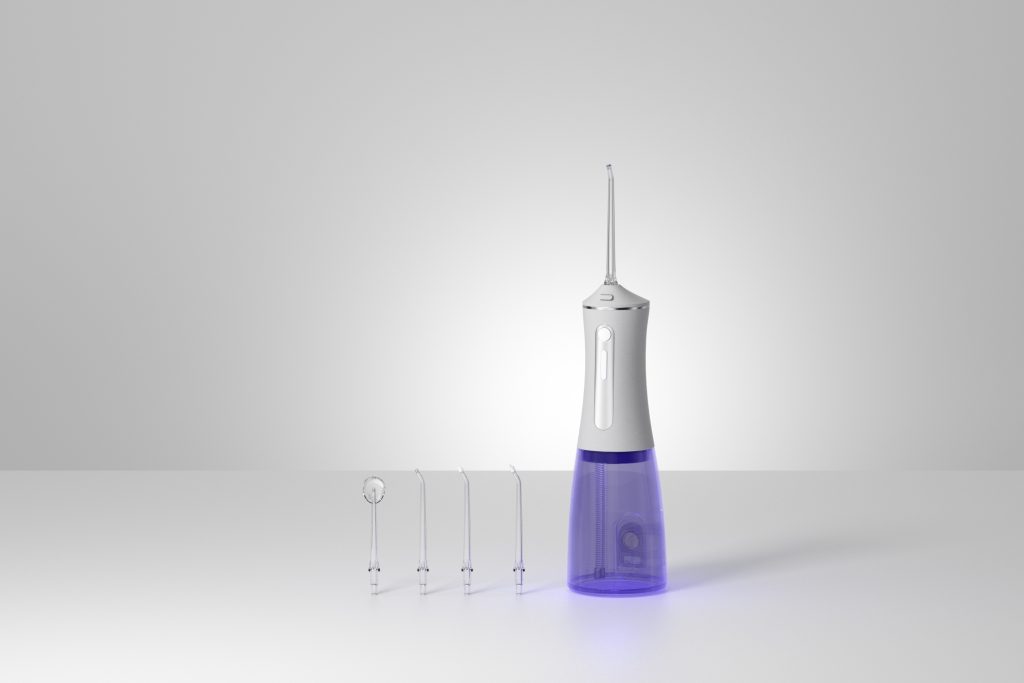
Overview: Electric water flossers use a pulsating stream of water to clean between the teeth and along the gum line, removing plaque and debris.
Advantages:
Disadvantages:
Overview: Floss picks are small, disposable tools with a piece of floss stretched between two prongs, designed for easy handling.
Advantages:
Disadvantages:
Overview: Sonic flossers use high-frequency vibrations in combination with a traditional flossing action to help dislodge plaque and debris.
Advantages:
Disadvantages:
Overview: Interdental brushes are small, brush-like tools designed to clean between teeth, especially in wider gaps where traditional floss may be less effective.
Advantages:
Disadvantages:
Overview: Smart flossing devices are the latest advancement in flossing technology, offering real-time feedback, progress tracking, and even personalized recommendations via a mobile app.
Advantages:
Disadvantages:
When evaluating the advantages and disadvantages of different types of flossing technology, it’s essential to consider your personal oral care needs, budget, and lifestyle. While traditional flossing is still highly effective for many, options like water flossers and sonic flossers can provide added convenience and efficiency, especially for users with sensitive gums or orthodontic appliances. Interdental brushes and floss picks offer alternatives for specific dental concerns, while smart flossers bring technology into the equation for those seeking a more personalized experience.
No matter what your preferences are, understanding the various types of flossing technologies available can help you make a more informed choice, ensuring that your oral hygiene routine is both effective and tailored to your unique needs.
.jpg)
Electric Toothbrush for Oil Field Workers – Durable Oral Care on the Go
Recyclable Electric Toothbrushes: The Future of Sustainable Oral Care
Red Blue Light Teeth Whitening Kit OEM Manufacturing
Core Features & Key Advantages of Sonic Electric Toothbrushes | Oral Care Guide
Why Does Poor Cleaning Leave Fiber Residue?
Electric Toothbrush for Dental Phobia
Can a Repair vs. Replace Algorithm Optimize Your Loaner Pool Management?
.jpg)
Best Electric Toothbrush for Braces in San Antonio?
How to Choose the Right Oral Care Product: A Comparison Between Electric Toothbrushes and Oral Irrigators
travel electric toothbrush wholesale | Portable Sonic Toothbrush Bulk Supply
.jpg)
Solutions to Common Faults of Water Flossers: How Can Brand Owners Ensure That Factories Provide Reliable After-Sales Service?
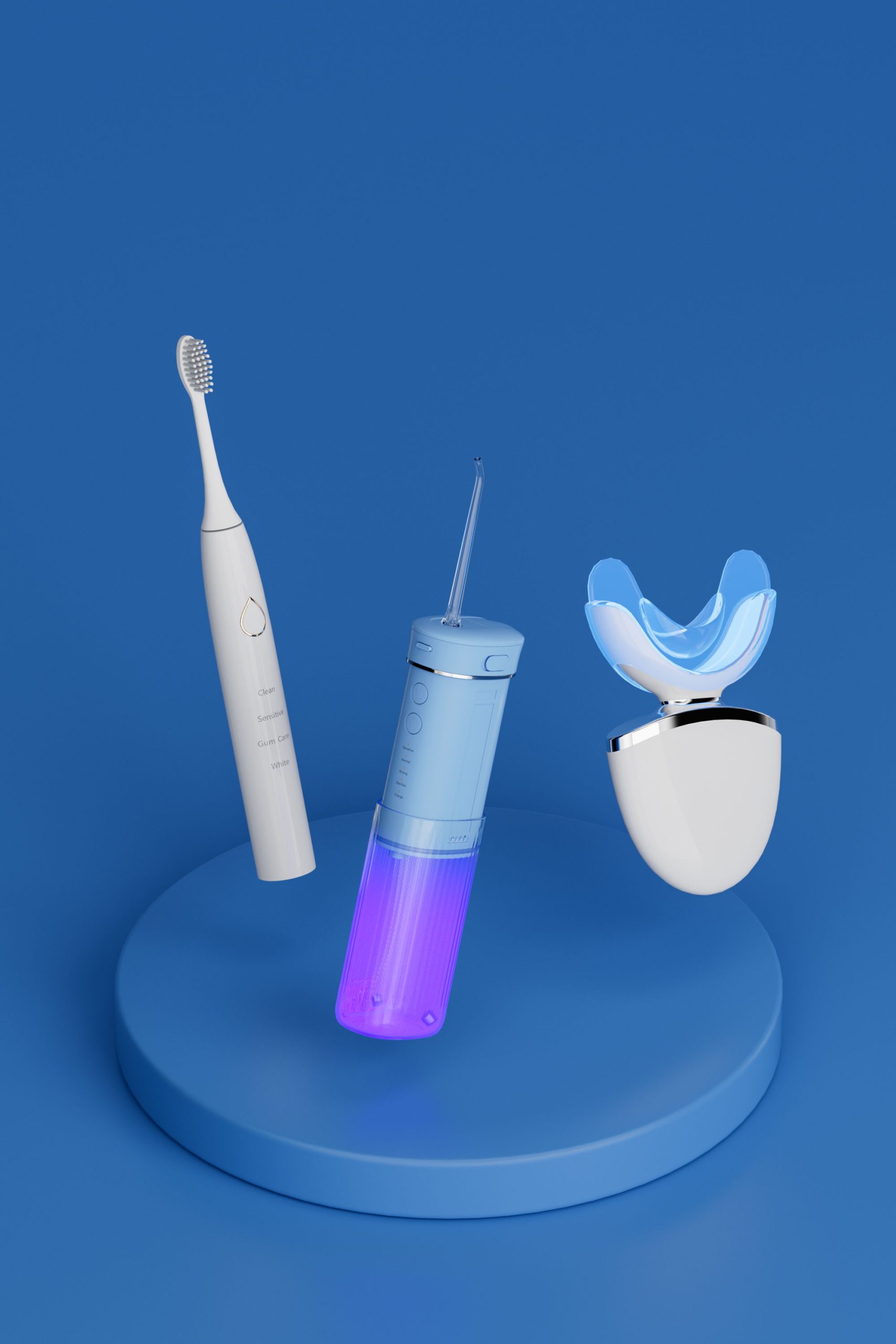
Benefits of Red & Blue Light Technology in Professional Teeth Whitening Kits
Is Pressure Calibration Service Necessary for Precise Adjustable Pressure Dial Functionality?

How to Deal with the Electric Toothbrush That Automatically Starts Up?
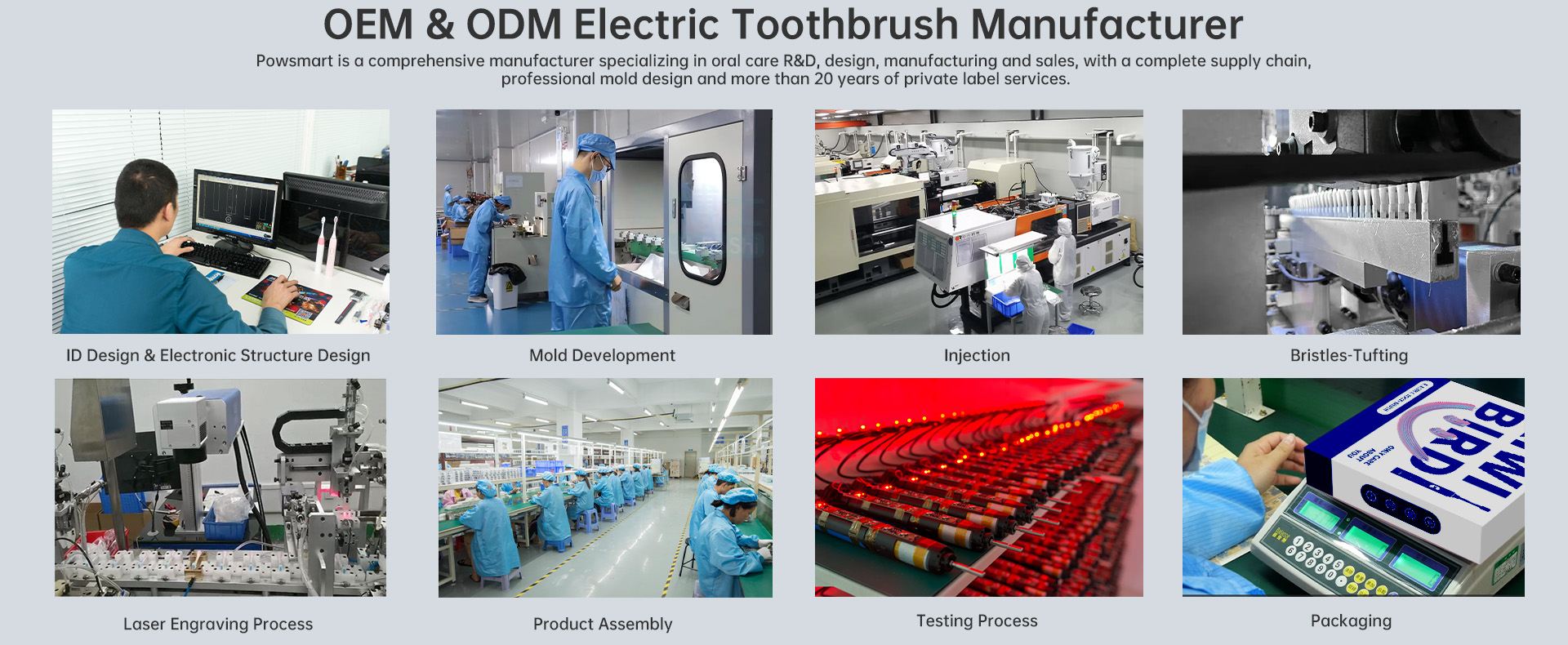
How to Choose a Reliable Teeth Whitening Products Factory? 5 Key Evaluation Indicators
Wireless Charging Blue Light Teeth Whitening Device For Dental Salon Spa


.jpg)
.jpg)
.jpg)
.jpg)
.jpg)



.jpg)