
In modern professional oral-care product development, integrating Cavitation Cleaning Technology into a Gingival Sulcus Cleaner offers a powerful way to achieve deeper periodontal cleaning with minimal mechanical irritation. As demand grows for devices that safely and effectively reach the sulcus area, OEM/ODM developers are turning toward cavitation-driven micro-bubble action to deliver precision cleaning suitable for clinical and at-home premium solutions.
Cavitation Cleaning Technology generates high-energy micro-bubbles that collapse rapidly, producing localized pressure waves. These micro-effects dislodge plaque, biofilm, and trapped debris from the gingival sulcus without requiring abrasive friction. For manufacturers, this means improved efficacy in reaching depth-limited regions that traditional mechanical bristles cannot access.
The gingival sulcus is delicate, and excessive mechanical force can cause micro-injuries, inflammation, or recession. Cavitation allows cleaning through fluid dynamics rather than aggressive scraping. As a result, a Gingival Sulcus Cleaner equipped with cavitation features provides gentle but highly effective periodontal maintenance, making it ideal for professional use or premium consumer-grade products.
Cavitation micro-bubbles can travel into narrow crevices that standard tools fail to reach. When incorporated into a specialized sulcus cleaner, the bubbles’ collapse creates a directional flow that penetrates deeper around tooth roots and marginal gingiva. This characteristic is especially beneficial for patients with periodontal pockets, orthodontic fixtures, or early gum disease.
Biofilm adheres tightly to sulcular surfaces and can be difficult to remove with brushing alone. Cavitation Cleaning Technology destabilizes biofilm structure by breaking its adhesion matrix. Over multiple passes, the energy pulses help reduce early-stage calculus formation, providing better long-term oral health outcomes and supporting clinical-grade cleaning performance.
Many Gingival Sulcus Cleaner products already rely on irrigated water channels. Cavitation integrates seamlessly into these systems by using fluid pathways to generate bubble fields. Manufacturers can optimize nozzle geometry, pump frequency, and oscillation patterns to enhance cavitation intensity without increasing device size, making it attractive for portable or handheld designs.
For B2B buyers, integrating cavitation into a sulcus cleaner provides a clear technological advantage. It signals innovation, higher cleaning standards, and clinical relevance. Cavitation-driven products can be positioned as premium solutions in professional whitening kits, periodontal care devices, or advanced oral irrigation systems—strengthening market competitiveness and increasing perceived product value.
Cavitation Cleaning Technology significantly elevates the performance of a Gingival Sulcus Cleaner by enabling deep, gentle, and clinically relevant cleaning. For OEM/ODM partners seeking innovation beyond conventional bristle-based or mechanical solutions. Contact us
How to Prevention Toothache in the First Place?
FDA-Approved Antibacterial Bristles of Electric Toothbrush: A Safety Guide for Oral Care
Do You Know What PAP+ Is? Why Is It So Popular in Teeth Whitening?
.jpg)
Water Flosser for Braces Supplier for Orthodontic Care Markets
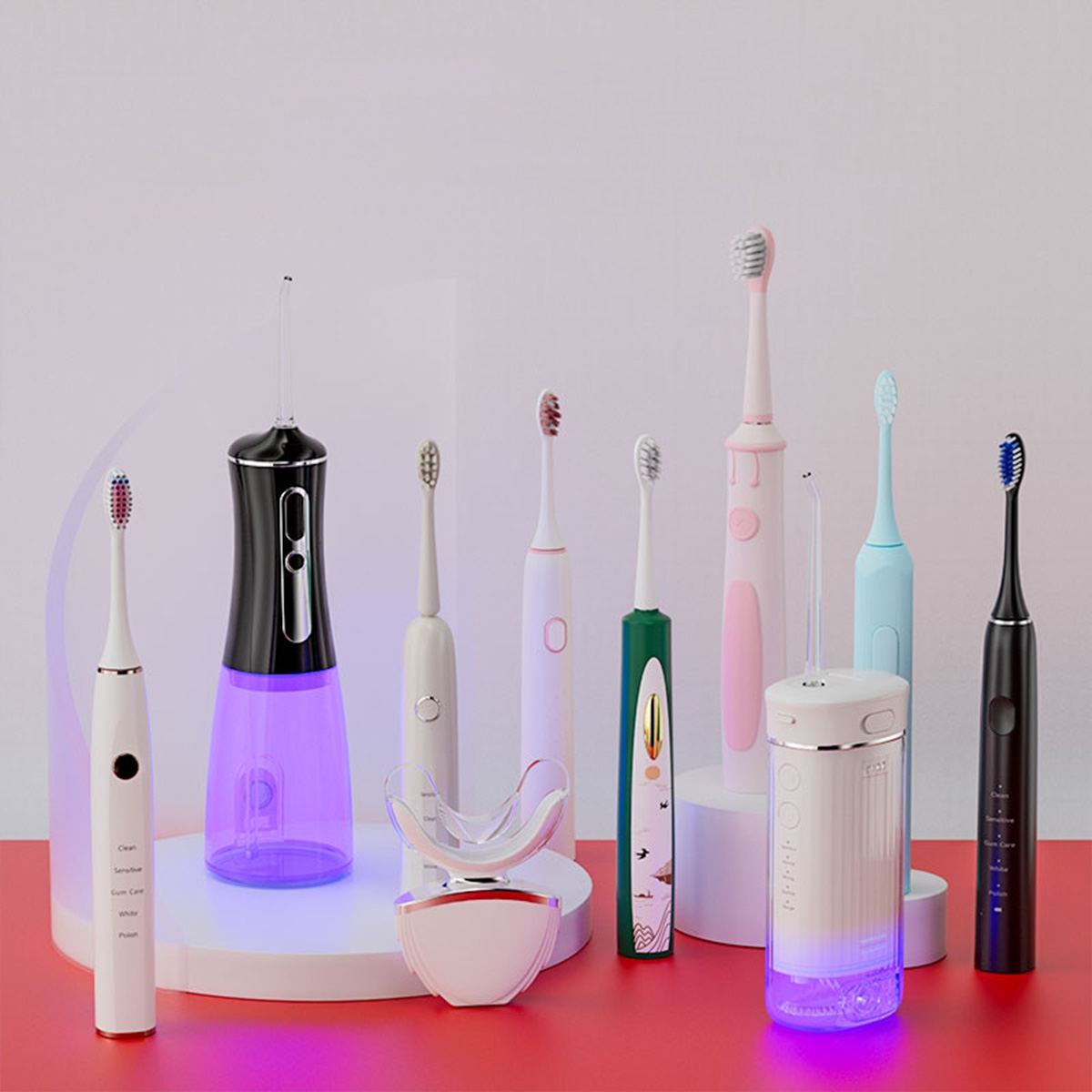
Bulk Smart Toothbrushes for Dental Giveaway Programs in Washington
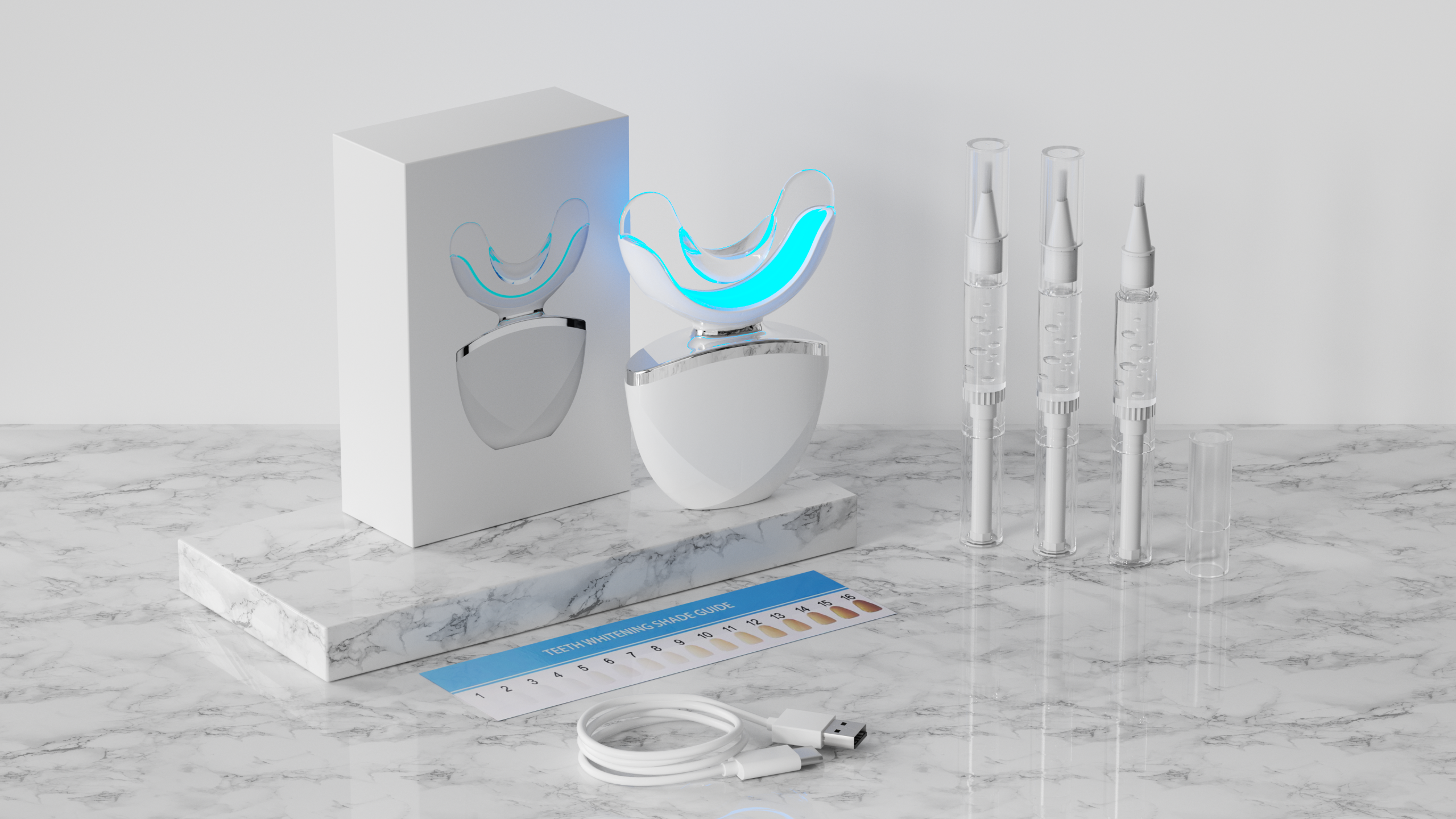
How Does a Teeth Whitening LED Kit Fit into the At-Home Beauty Device Market?
Houston Pressure Sensor Toothbrush – Protect Your Gums with Powsmart
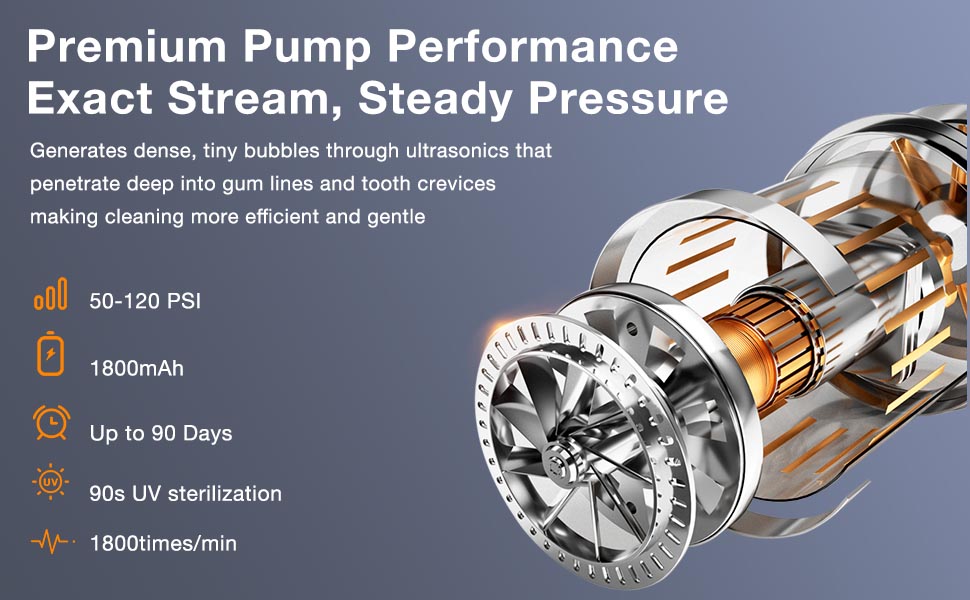
Seeking Sonic Toothbrush Customization for a Successful Private Label Venture?
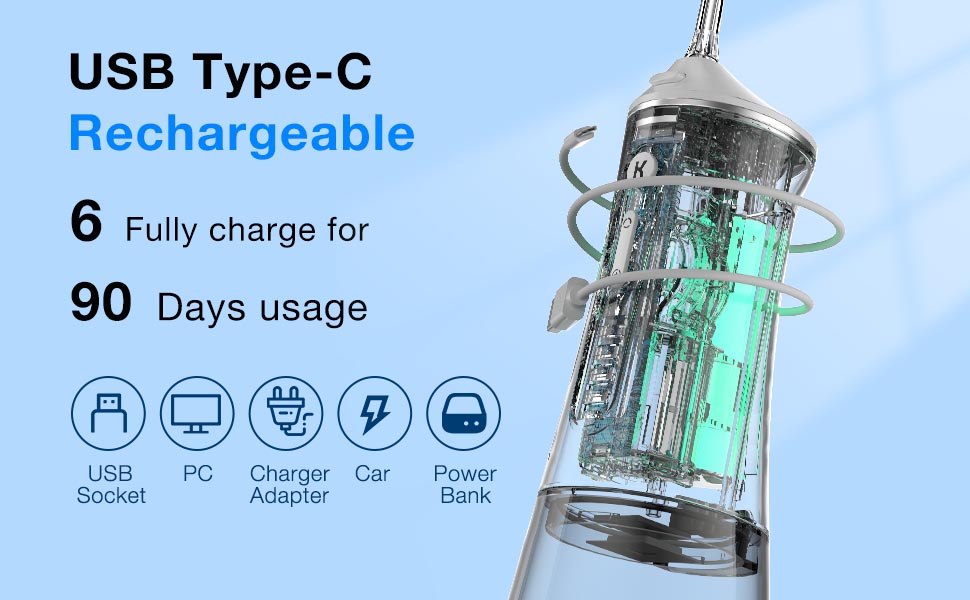
Confused About the Multiple Flossing Options of the Water Flosser? Here’s How to Choose the Right One
Toothbrush Product Lifecycle Management for Global OEM & Private-Label Brands
Eco-Friendly Electric Toothbrush Manufacturer | Sustainable Oral Care
Holiday Gift Sets Smart Sonic Toothbrush Supplier WA | Corporate Gifts
Electric Toothbrush Kit for Dental Offices | Professional Oral Care Supply
Dental Crowns Electric Toothbrush Guide: Clean Around Crowns Safely
Are Cheap Brush Heads Worth It?
Red Light Gum Therapy Whitening Device Supplier | LED Oral-Care OEM Manufacturer


.jpg)
.jpg)
.jpg)
.jpg)
.jpg)




.jpg)
.webp)
.jpg)