In the evolving market of smart toothbrushes, the integration of Brush Head OEM Production with Toothbrush PCB Design plays a pivotal role in ensuring the functionality and performance of the device. As toothbrush technology continues to advance, manufacturers are seeking ways to combine high-quality brush head production with advanced printed circuit board (PCB) designs to enable features like smart sensors, Bluetooth connectivity, and real-time feedback. This seamless integration is essential for developing a next-generation toothbrush that meets the growing demands of health-conscious consumers.
Brush Head OEM Production is fundamental to the development of a high-performing toothbrush, whether for manual or electric devices. These heads must be designed with precision, using high-quality bristles, ergonomic shapes, and innovative designs that cater to diverse user needs. The integration of Toothbrush PCB Design ensures that the brush head aligns perfectly with the motorized system, enabling advanced features like pressure sensors, vibration modes, and real-time user feedback.
Key advantages:
By ensuring that the brush heads are designed for specific motor types and PCB configurations, the toothbrush delivers a consistent, powerful performance.
The Toothbrush PCB Design is where the magic happens in terms of smart functionality. A well-designed PCB controls the motor, integrates pressure sensors, and manages power consumption, while enabling features such as multiple brushing modes, timers, and connectivity to apps. When paired with Brush Head OEM Production, the PCB ensures that the brush head’s design is optimized for maximum performance.
Functional benefits:
A seamless integration between the PCB and brush head ensures that users get a consistent and effective brushing experience every time.
With the combination of Brush Head OEM Production and Toothbrush PCB Design, manufacturers can enable features such as real-time feedback on brushing habits, sync with mobile apps, and tailored cleaning modes. By embedding sensors into the brush head, such as pressure sensors or motion sensors, the PCB collects data that can be used to personalize the brushing experience, track habits, and alert users when they are brushing too hard or missing areas.
Smart feature advantages:
This technology brings a level of customization that wasn’t possible with traditional toothbrushes, offering users more control over their oral hygiene routine.
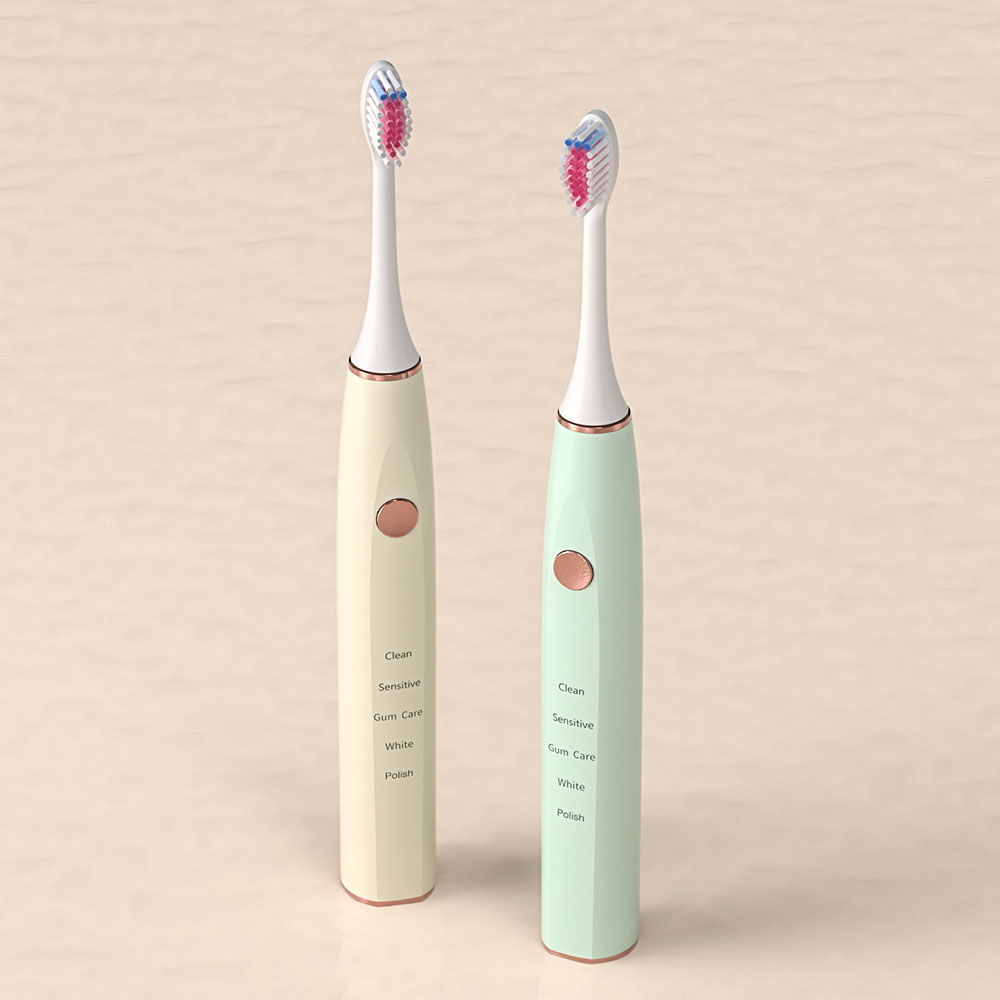
Brush Head OEM Production allows for customization of the brush head to meet specific needs such as sensitive teeth, gum care, or whitening. By pairing custom brush heads with a sophisticated Toothbrush PCB Design, manufacturers can fine-tune vibration patterns, brush head movements, and pressure levels, ensuring a personalized experience for the user.
Customization features:
Tailoring the brush head to work in sync with the PCB technology ensures that users get an optimal brushing experience based on their personal needs.
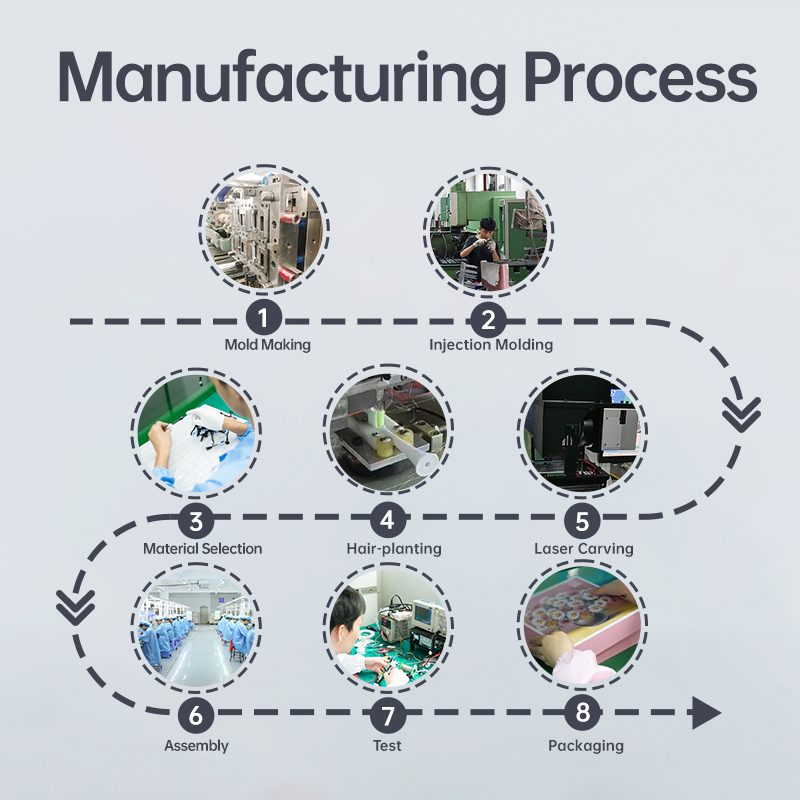
Integrating Brush Head OEM Production with Toothbrush PCB Design also results in a streamlined manufacturing process. By ensuring compatibility between the brush head and the PCB, manufacturers can reduce the complexities involved in product development, assembly, and quality control. This allows for quicker production cycles, cost reductions, and improved product consistency.
Manufacturing efficiency benefits:
For manufacturers, this integration improves the efficiency of the entire production pipeline, ensuring that products are delivered on time and meet high-quality standards.
The integration of Brush Head OEM Production with Toothbrush PCB Design helps future-proof toothbrushes for upcoming technological advancements. As smart features evolve, manufacturers can easily update the PCB design to accommodate new sensor technologies, wireless charging capabilities, or advanced brushing modes, while still using the same brush head platform.
Future-proofing advantages:
This ability to adapt to future trends ensures that manufacturers can stay ahead in the competitive market of smart oral care devices.
In conclusion, the integration of Brush Head OEM Production with Toothbrush PCB Design is essential for creating high-performance, smart toothbrushes that deliver an exceptional user experience. This combination allows for customization, enhanced functionality, and the ability to incorporate advanced features. For manufacturers, it streamlines production, reduces costs, and ensures that the product remains competitive in an increasingly tech-savvy market. By focusing on both the design of the brush head and the capabilities of the PCB. Contact us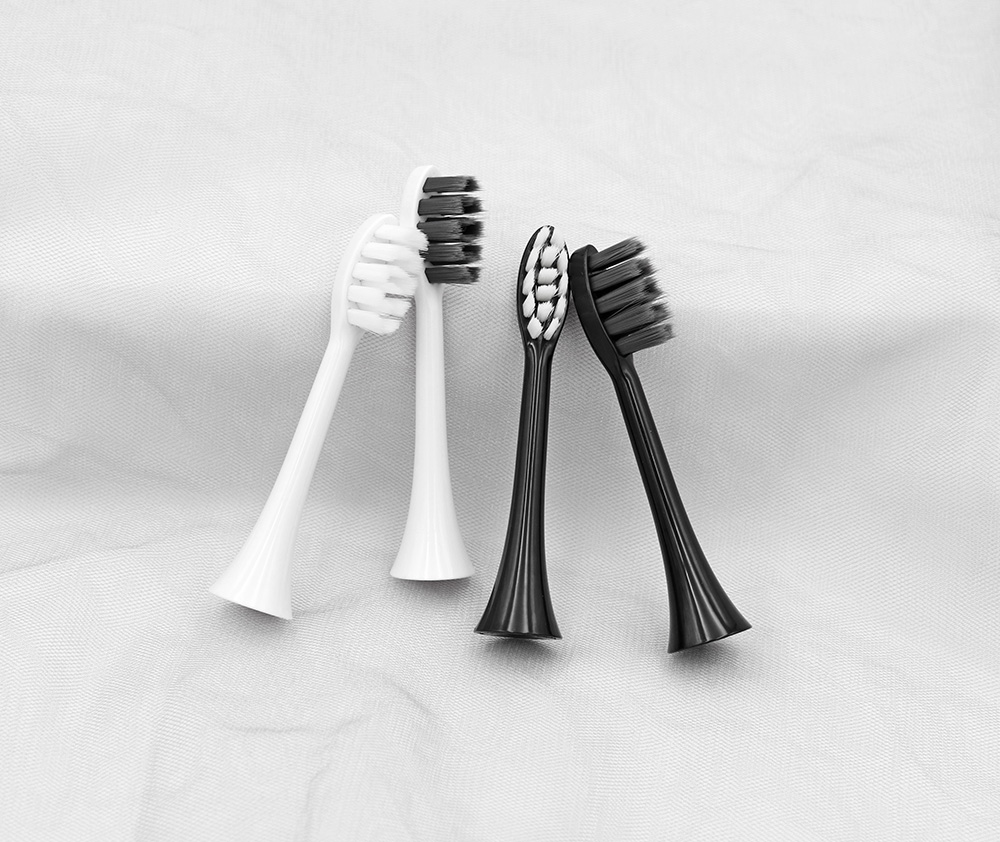
Does Dental Grade Whitening Necessitate the Use of Safe Whitening Ingredients?
.jpg)
Electric Toothbrush Customization Service for B2B Oral Care Brands
Does Your Toothbrush Survive Adventures?
Why Source from a Teeth Whitening Accessories Supplier Using Cosmetic Grade Whitening Gel?
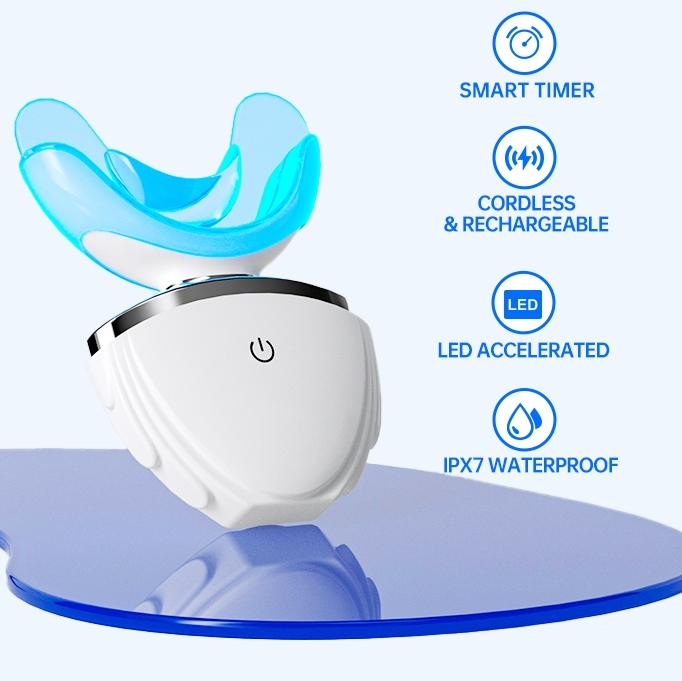
The Future of Teeth Whitening Devices: Trends and Innovations in Manufacturing
Replaceable Brush Head Toothbrush Supplier for Scalable Oral Care Brands
.jpg)
Can a custom Texas brush deliver a big Texas brush clean?
.jpg)
Why switch to digital imaging for Dental X-ray?
Oral Care OEM Factory for Comprehensive Product Manufacturing
Anti-Swallow Design in Kids’ Electric Toothbrushes – Custom Manufacturing
Fast-Charge Electric Toothbrush OEM | Rapid Charging & Global Standards
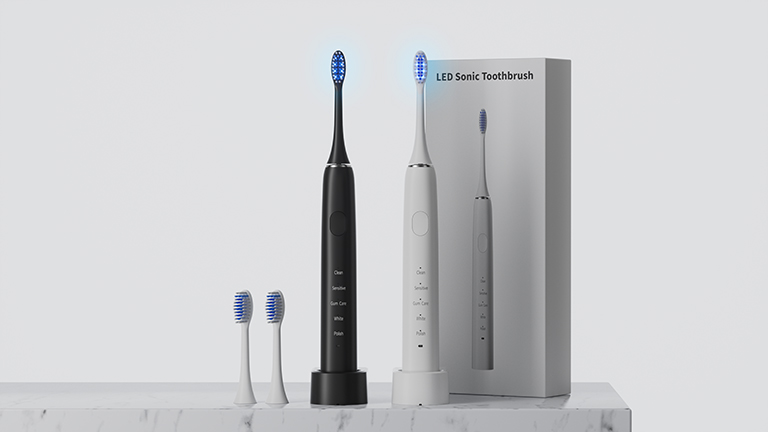
Why Is a Dependable Toothbrush Battery Supplier Crucial for a Long-Lasting Toothbrush?
Stream Scattering and High Irritation Frustrating Users?
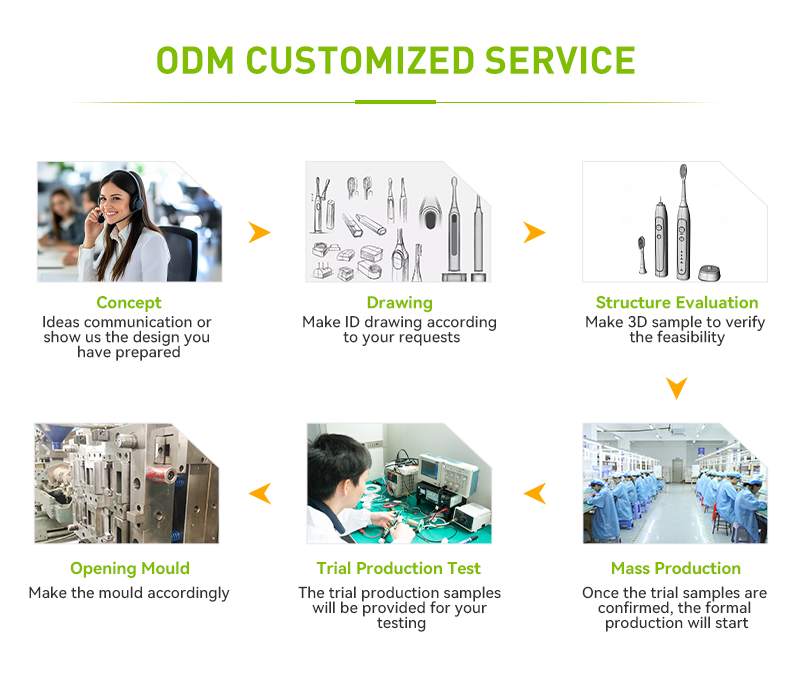
Why use Medical-grade Material with a Flow Rate Calibration Tool for clinical flossers?
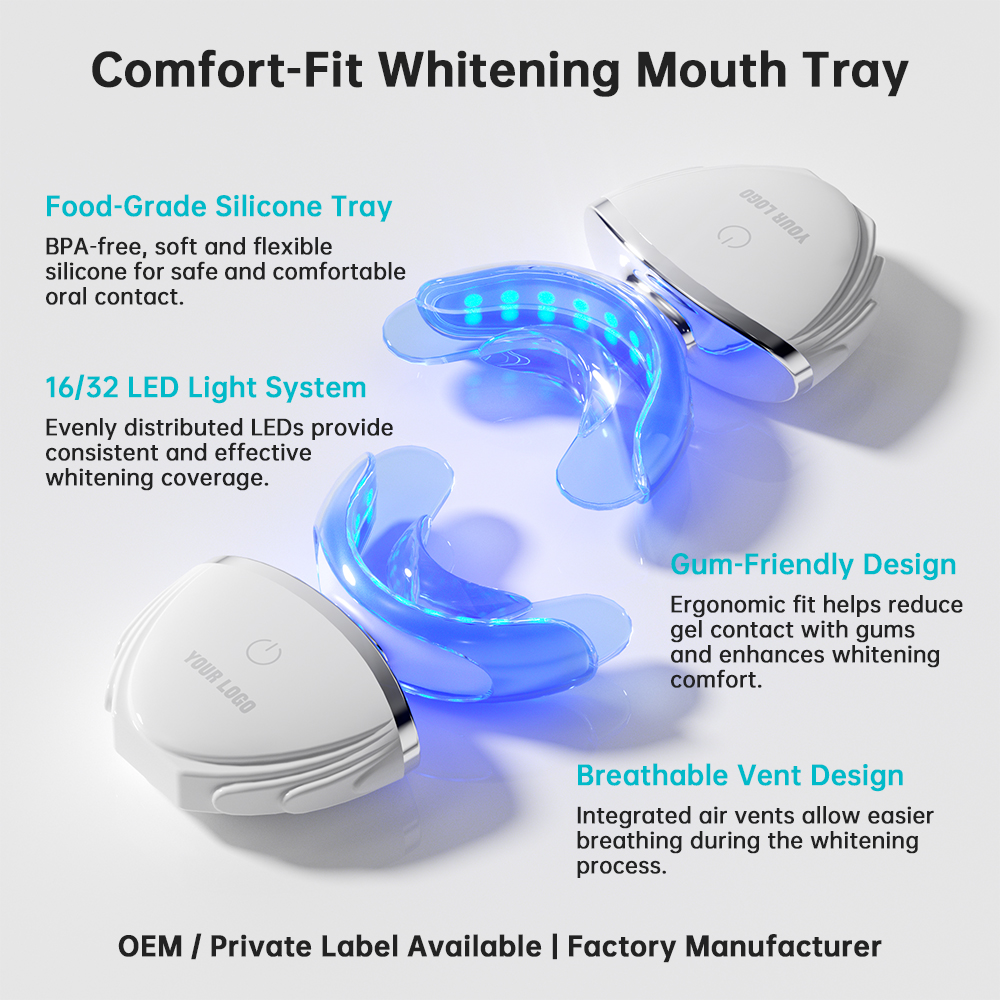
Need a Custom Whitening Tray for a Gentle Sensitive Teeth Formula?
Adult Sonic Toothbrush Distributor | Reliable Oral Care Supply


.jpg)
.jpg)
.jpg)
.jpg)
.jpg)






.jpg)
-2-scaled.png)