In Seattle, retailers and consumers increasingly prefer an eco-conscious electric toothbrush that reduces waste and shows supply-chain transparency. Therefore, brands must partner with a sustainable OEM that can deliver recycled materials, recyclable packaging, and verifiable lifecycle data. As a result, product success here depends on both genuine sustainability and sound manufacturing.
First, Seattle buyers value environmental responsibility. They look for clear claims—recycled content, take-back programs, and reduced single-use plastic. Moreover, many shoppers compare brands on durability and repairability, not just price. Consequently, products that combine everyday performance with lower environmental impact win trust and higher price tolerance in this market.
Company web:http://powsmart.com
Next, focus on features that matter to Seattle audiences:
Replaceable heads to cut single-use plastic.
PCR plastics or certified bio-based polymers for non-contact parts.
Minimal, FSC-certified paper packaging and soy-based inks.
Long battery life and energy-efficient motors to reduce lifetime emissions.
Then, vet OEM partners on real capabilities. Ask whether they can:
Source and document PCR content percentages.
Mold parts using recycled resins without compromising sealing and durability.
Offer modular tooling to support replaceable heads and easy repairs.
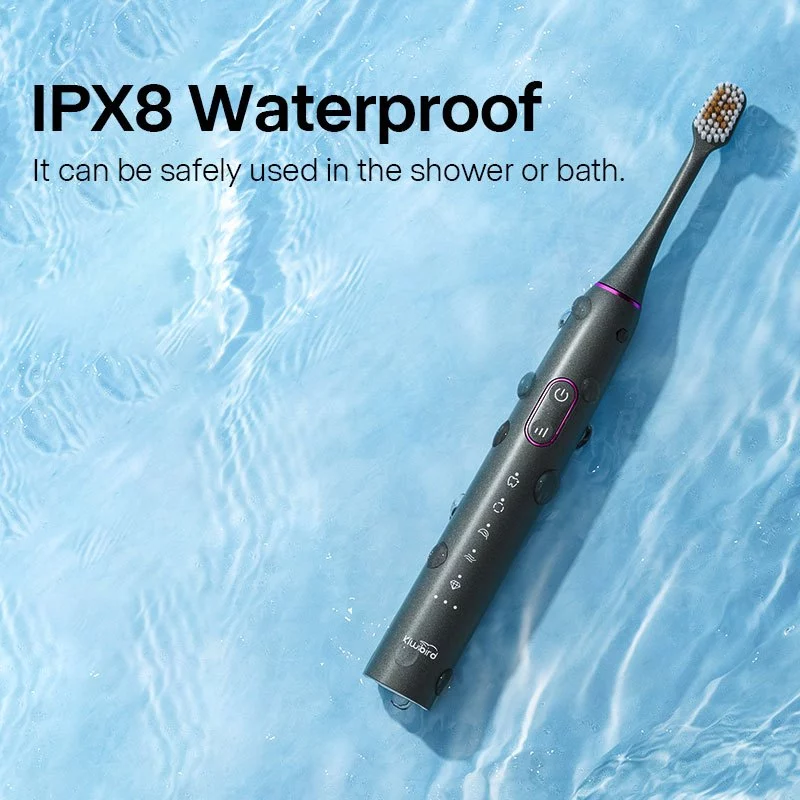
Moreover, balance sustainability with performance. For example, bio-based plastics may not match long-term water resistance. Therefore, require the OEM to run: bristle abrasion, ingress (IPX) testing, salt-mist corrosion for coastal use, and lifecycle stress tests. Also, validate battery safety and cycle life for longer-use claims. Thus, you avoid greenwashing and deliver a product that lasts.
Furthermore, secure third-party validation. Prioritize certifications and documentation such as:
ISO 14001 (environmental management) at the factory.
FSC for paper packaging.
Material Safety Data Sheets and PCR origin certificates.
Cradle to Cradle or equivalent lifecycle assessments where feasible.
Finally, use this practical checklist when evaluating partners:
Request a sustainability dossier with PCR certificates, energy mix, and waste diversion metrics.
Require sample parts molded from the OEM’s recycled resin to test durability and finish.
Ask for full life-cycle estimates (manufacture → use → end-of-life) per SKU.
Verify repairability: availability of spare heads, battery replacement, and modular parts.
Confirm packaging plans: FSC paper, reduced plastics, and bulk refill options.
Negotiate MOQ and pilot runs to test market response in Seattle before scaling.
In short, Seattle shows real demand for an eco-conscious electric toothbrush, but buyers expect measurable proof. Therefore, choose a sustainable OEM that combines recycled materials, durable engineering, and transparent lifecycle data. By doing so, your brand can win eco-minded shoppers, gain retail credibility, and build recurring sales in one of the U.S.’s most sustainability-driven markets.

How to choose a reliable electric toothbrush factory?
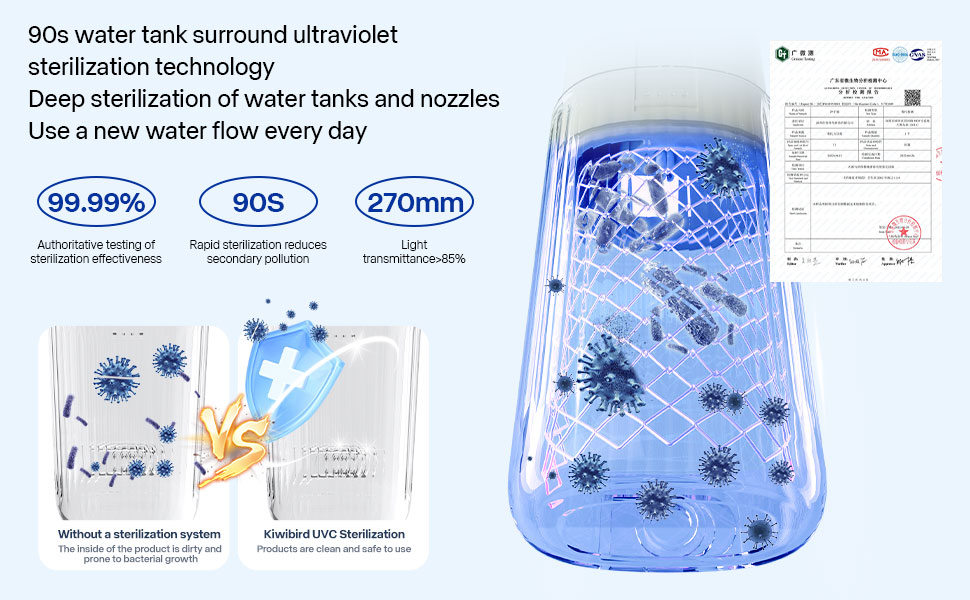
Preventing Mold in Water Flosser Tanks: Silver Ion vs. UV Sterilization
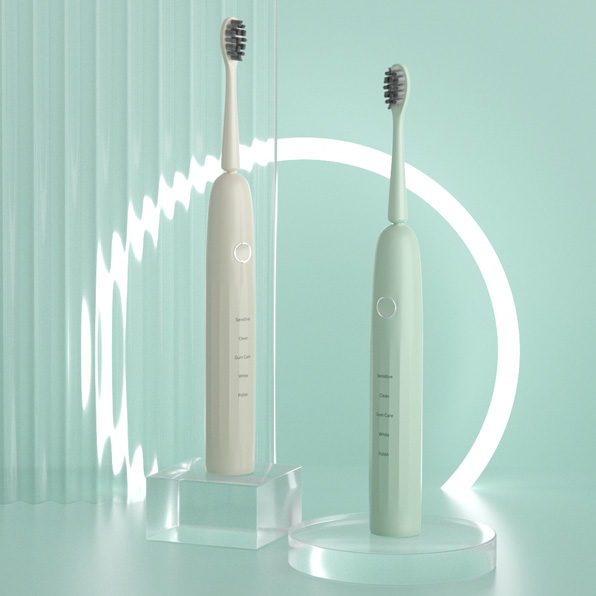
Corporate Wellness Electric Toothbrush OEM: Employee Health Programs
Can a Seattle coffee toothbrush really solve Seattle stain removal?
.jpg)
Smart Toothbrush App Supplier Seattle Tech | Innovation in Oral Care
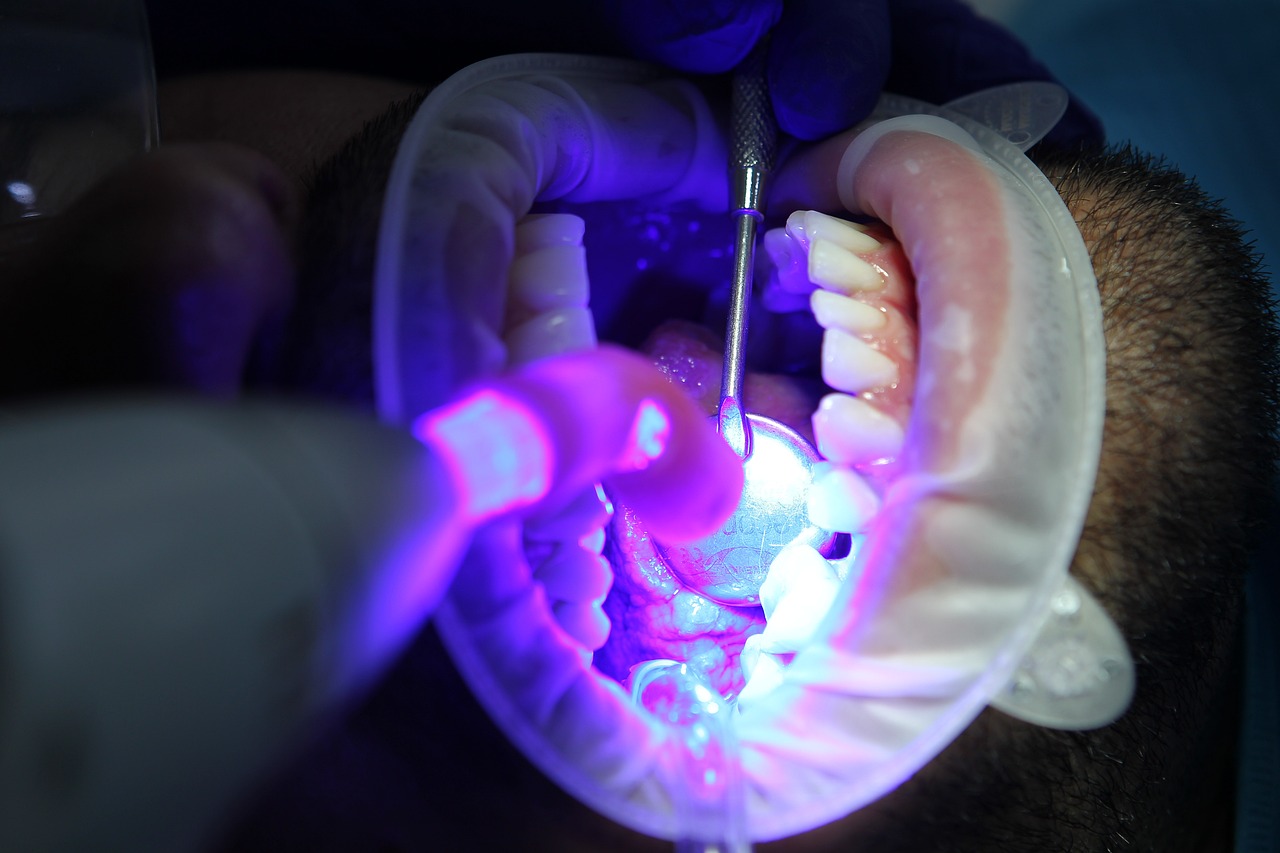
How to Start a Teeth Whitening Business
How to Make Your Own Electric Toothbrush
Useful Gifts for Dad Who Has Everything Electric Toothbrush | Powsmart
Is Your Kids’ Electric Toothbrush Too Loud?
.jpg)
Senior-Friendly Electric Toothbrush OEM: Accessible Oral Care
Dental recommended Texas models for Texas senior toothbrush needs?
Children’s Day Gift Ideas Electric Toothbrush | Powsmart
Seattle Electric Toothbrush Demo Store
.jpg)
How Do You Assess Toothbrush Supplier Reliability?
Are NYC Dental Recommended Toothbrushes Worth It?
Electric Toothbrush Manufacturing Process


.jpg)
.jpg)
.jpg)
.jpg)
.jpg)