
In modern oral care device design, both mechanical action and user technique influence plaque removal outcomes. Surprisingly, one overlooked factor is the angle technique during brushing. Whether using manual brushes, sonic toothbrushes,or professional cleaning tools, incorrect angle positioning can significantly reduce cleaning efficiency, compromising oral hygiene. But how exactly does angle control influence plaque removal, and what can manufacturers do to address this problem at the design stage?
Angle technique refers to the angle at which a brush head contacts the tooth surface and gum line during cleaning. Dental professionals recommend a 45° angle for optimal plaque removal, ensuring bristles reach into the gingival margin where plaque typically accumulates. However:
Manufacturers that fail to address angle control in their design may inadvertently limit plaque removal efficiency.
Improper angle technique leads to:
This means even a high-performance sonic motor or advanced brush head may fail to deliver expected plaque removal if bristle orientation isn’t optimized. Company web:https://www.powsmart.com/product/electric-toothbrush/
From a product development perspective, ensuring optimal brushing angles involves overcoming several challenges:
Recognizing these realities pushes manufacturers to seek creative solutions that encourage proper angle use without requiring behavioral changes from consumers.
.jpg)
.jpg)
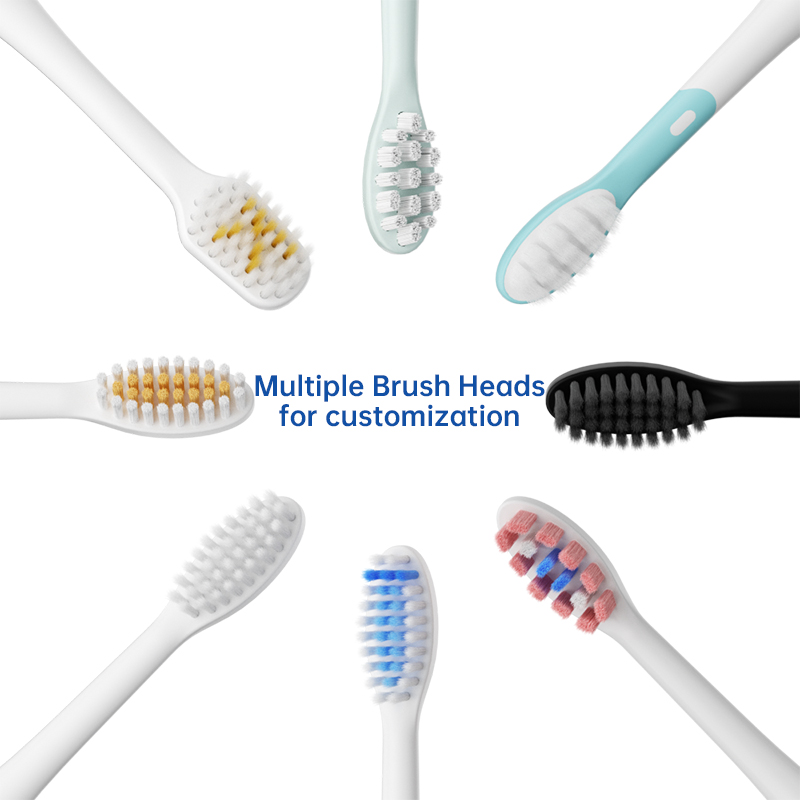
Leading manufacturers are addressing the angle technique issue via:
These innovations can drastically improve plaque removal efficiency, differentiating products in a competitive market.
While hardware solutions are essential, manufacturers should not ignore the role of consumer education:
Educating end users ensures technology investments are maximized for real-world plaque removal.
Ultimately, angle technique is not just a user habit issue—it’s a product design opportunity. Addressing angle control at the engineering level empowers consumers to achieve professional-level plaque removal results effortlessly. By integrating ergonomic designs, adaptive brush heads, and intelligent feedback systems, B端 manufacturers can set new standards for oral care performance.
Looking to optimize your toothbrush design for superior cleaning results? Contact us today for advanced R&D collaboration focused on angle optimization and plaque removal efficiency. Contact us
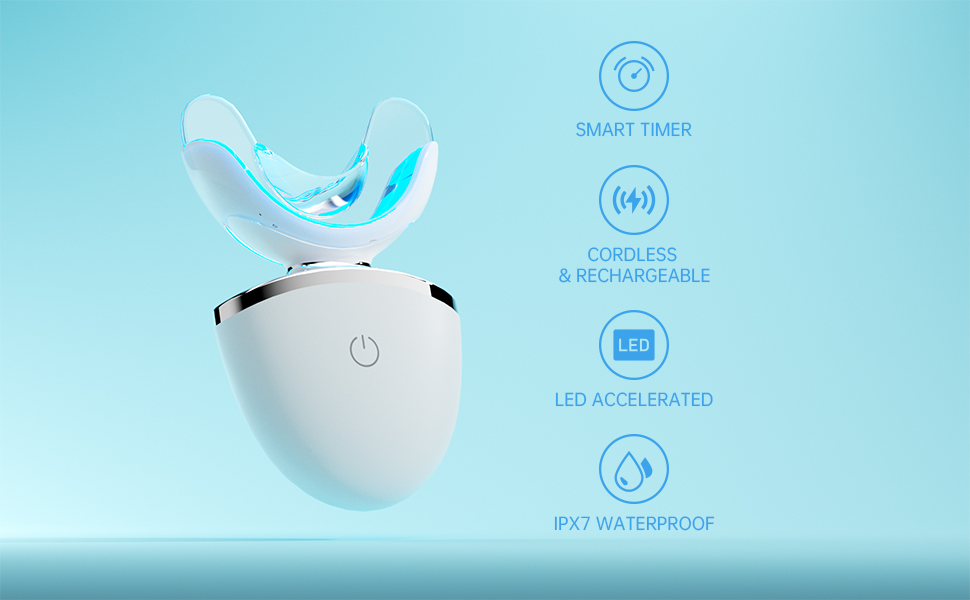
Why pair a Smart Timer Chip with Surface Reflectance measurement in whitening kits?

Can a Conversational RFP Responder Integrate Data from an Autonomous Patent Landscape Analyst?

Designing a Prenatal Oral Health Program Kit? Have You Considered Circular Design-as-a-Service?
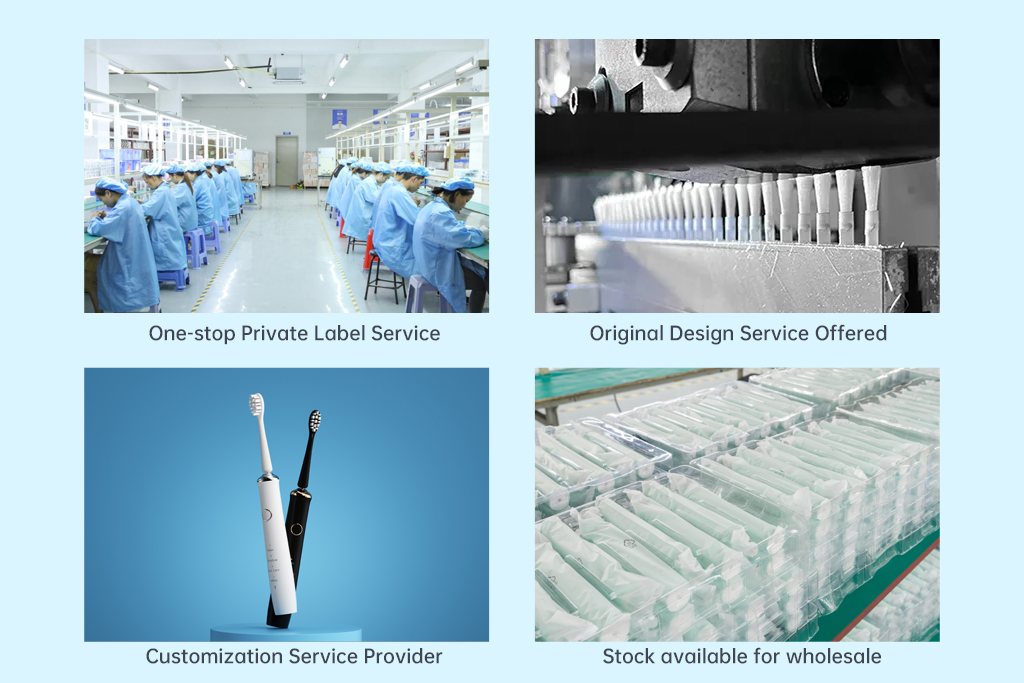
How Oral Care Brands Can Expand Product Line Strategically
How Does a Simple Gravity Feed System Benefit from Precise Jet Stream Collimation?
.jpg)
Low MOQ Electric Toothbrush OEM
red blue light whitening device supplier | Dual Light LED Whitening OEM
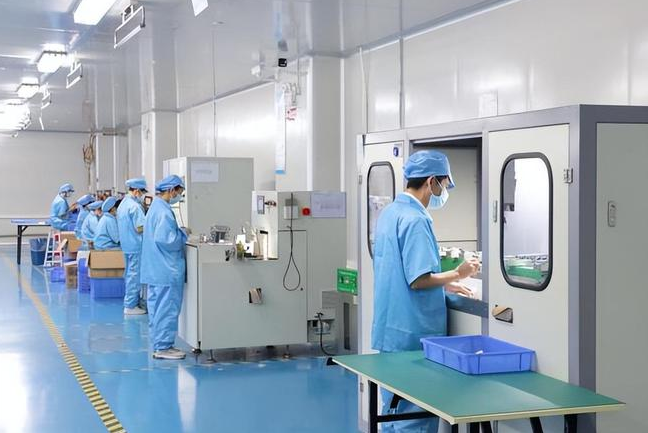
What is the general lifespan of electric toothbrush
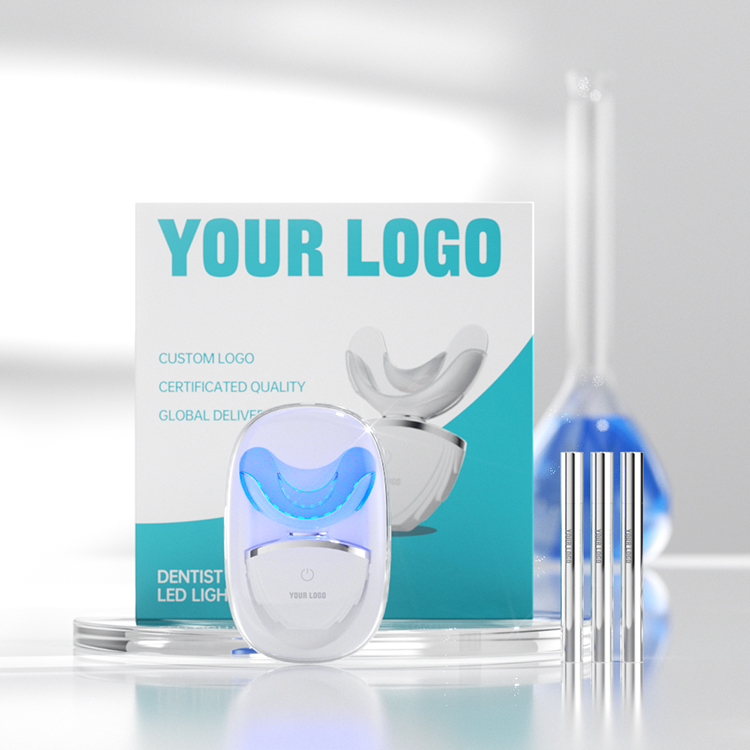
Can Minimizing Chromatic Aberration Increase Luminescence Efficiency in Whitening Devices?
Dentist Recommended Toothbrush Guide: Choose a Dentist-Approved Brush
How Does Pulse Water Technology Incorporate a Gum Protection Feature?
Rechargeable Electric Toothbrush OEM
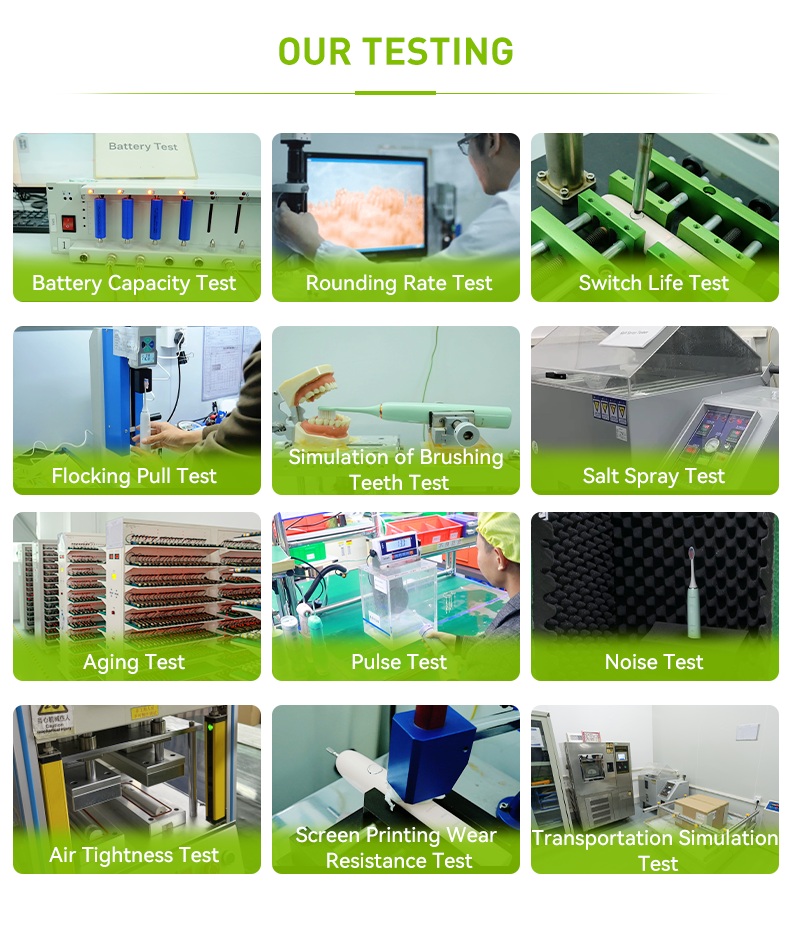
Can an ISO13485 Electric Toothbrush Meet Quality Standards from a Waterproof Electric Toothbrush Factory?
How Does Integrated Brush Head Sterilization Add Value to Travel Case Manufacturing?
.jpg)
How does a rancher toothbrush Texas stand up to the lone star toothbrush challenge?

Professional Teeth Whitening Business Starter Kit – High-Profit OEM Kit


.jpg)
.jpg)
.jpg)
.jpg)
.jpg)

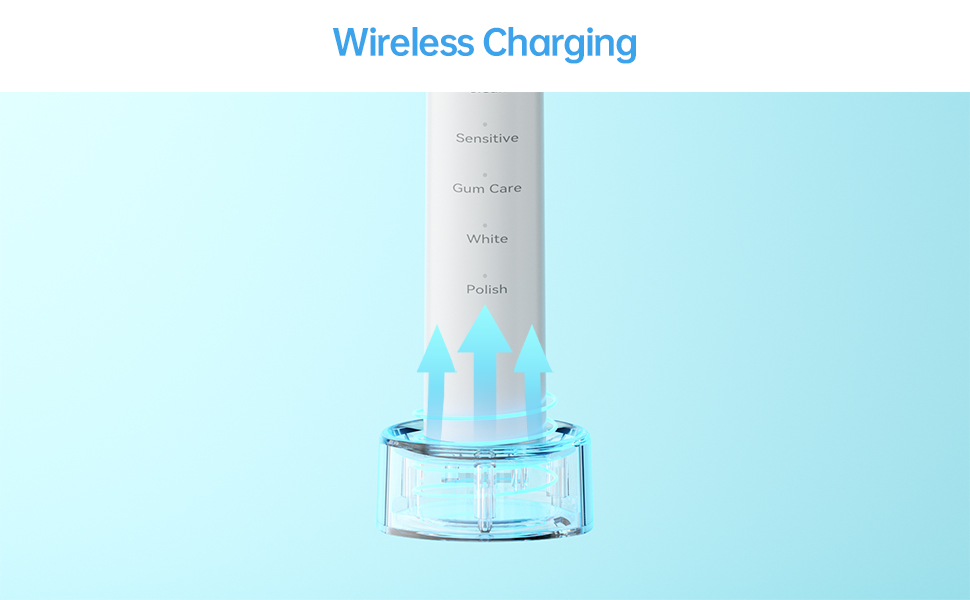




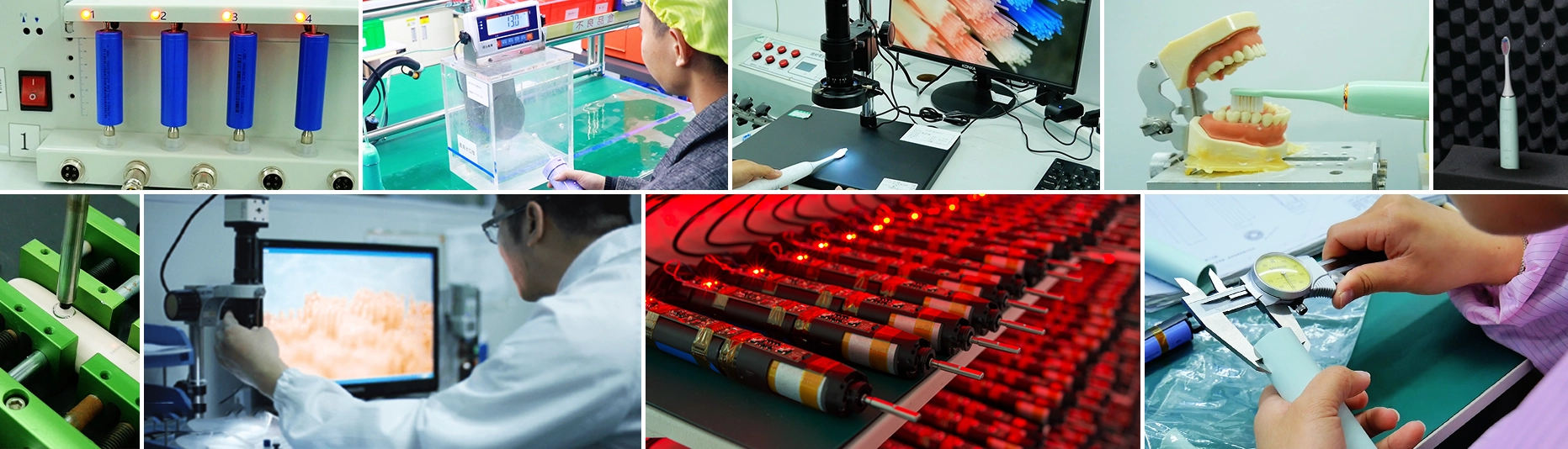
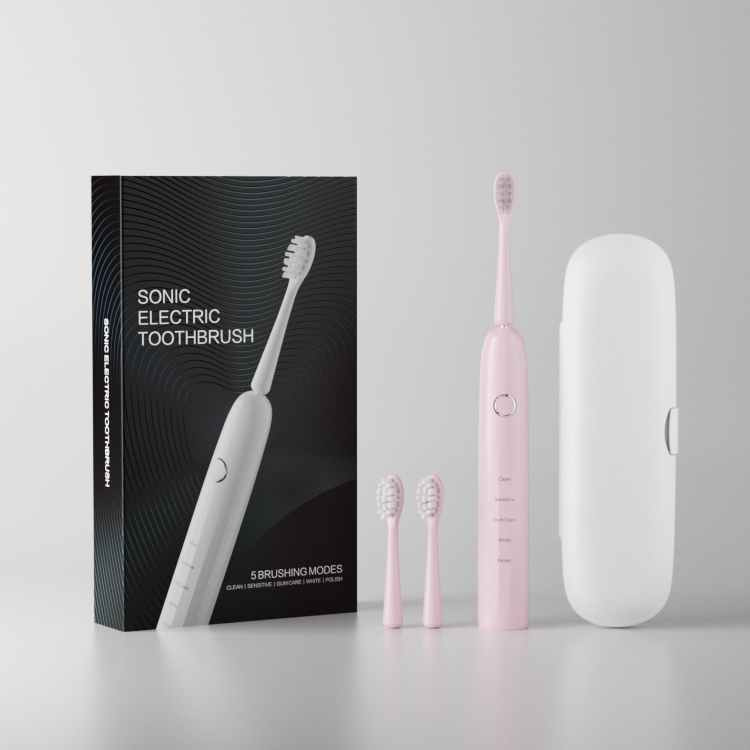
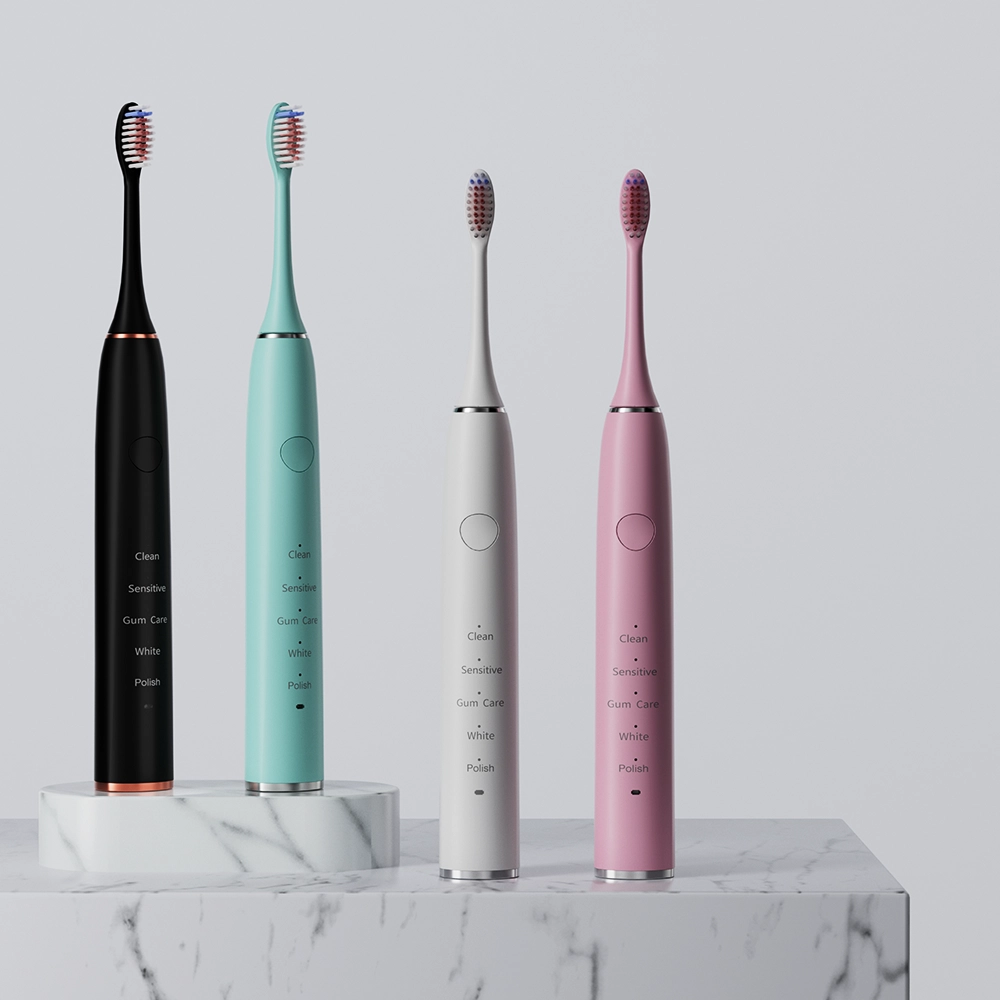
.webp)