Pregnancy is a period when many women continue to prioritize their appearance and health — including oral aesthetics. However, it also raises critical questions about safety. Among them: Can blue light teeth whitening devices and whitening gels be used during pregnancy? In this blog, we explore this concern in detail, providing a well-researched perspective for dental professionals, distributors, and manufacturers looking to educate their clients responsibly.
This article will cover:
Key ingredients in whitening products
Safety considerations specific to pregnancy
Professional recommendations
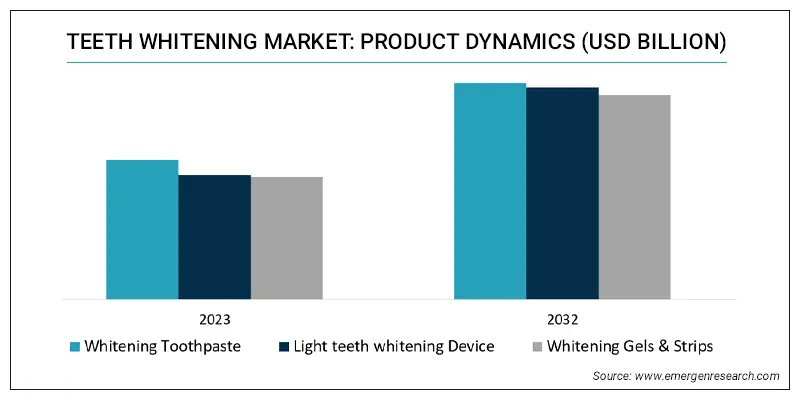
Market trends and user concerns
We’ll also naturally include critical terms such as “precautions for using teeth whitening devices” and “teeth whitening during pregnancy.”
Blue light teeth whitening devices work in conjunction with whitening gels—typically containing ingredients like hydrogen peroxide or carbamide peroxide—to speed up stain removal from the tooth surface. While effective, these components penetrate enamel and dentin layers, raising concerns about their impact during pregnancy.
Most over-the-counter and professional whitening kits involve:
A light-activated gel (peroxide-based)
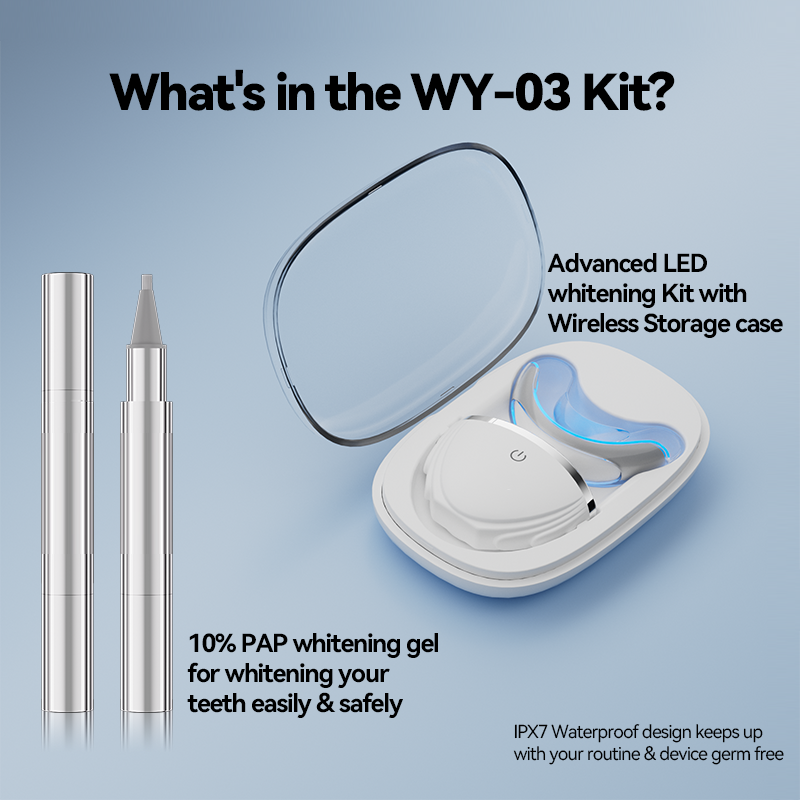
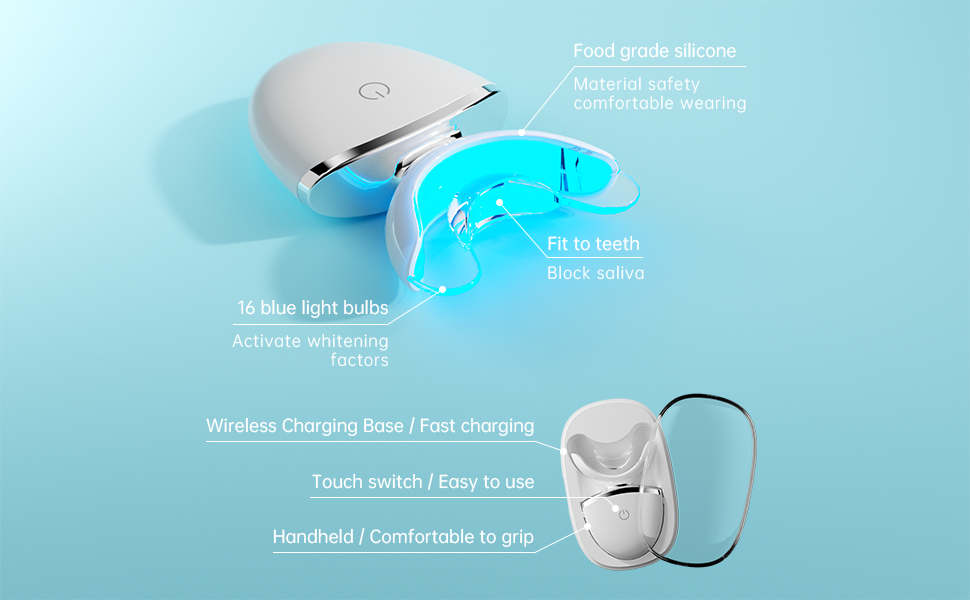
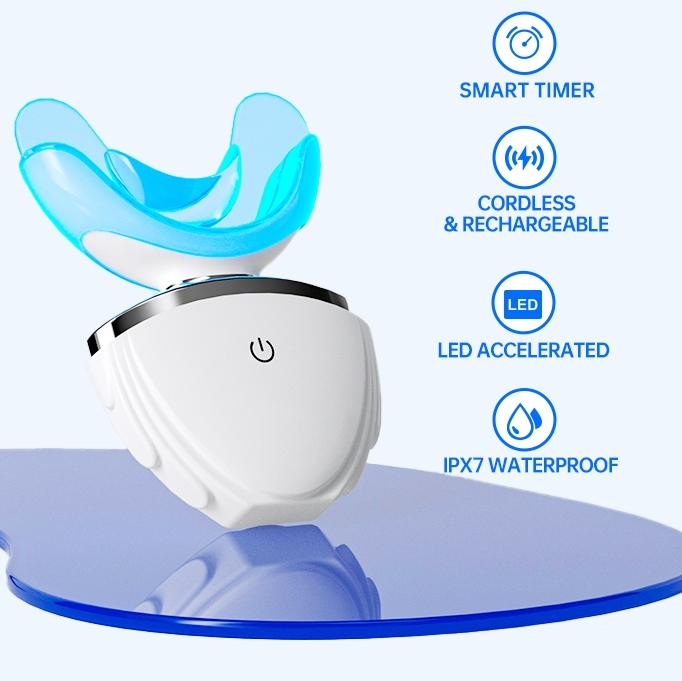
A blue LED device to accelerate the whitening process
Accessories like mouth trays and timers
These components are generally considered safe for the general population, but teeth whitening during pregnancy requires special scrutiny due to hormonal and physiological changes.
There is no definitive clinical research proving whitening gels are harmful during pregnancy, but there is also insufficient evidence confirming their safety. As a result, many dental associations and health professionals recommend postponing whitening treatments until after delivery—especially during the first trimester, which is critical for fetal development.
Why extra caution?
Pregnant women may have more sensitive gums and increased oral inflammation, heightening discomfort or risk of irritation.
Some ingredients may be accidentally ingested during at-home applications.
Hormonal changes can make enamel more reactive or lead to increased gum bleeding.
Thus, the most conservative and professional stance is to avoid elective whitening treatments during pregnancy.
For manufacturers and brands marketing oral care devices, it’s essential to clearly communicate the precautions for using teeth whitening devices, especially for sensitive user groups like pregnant women.
Suggested safety precautions include:
Clearly labeling whitening gels as “not recommended for pregnant or nursing women”
Educating retailers and resellers to advise customers on proper usage
Avoiding aggressive marketing of whitening kits to pregnant demographics
B2B product documentation and packaging should reflect these considerations to align with ethical marketing standards.
For users seeking safer options during pregnancy, consider promoting:
Whitening toothpastes without peroxide
Mild, non-chemical whitening agents such as baking soda or coconut oil
Professional dental cleaning instead of bleaching
These approaches help maintain oral hygiene and a bright smile without introducing questionable chemicals into the body.
If you’re a supplier or OEM/ODM manufacturer of blue light teeth whitening devices or whitening gels, transparency is critical. Consider:
Including safety warnings and disclaimers on packaging
Creating specific product variants formulated for sensitive users (gel-free or peroxide-free)
Offering detailed FAQs and usage guides addressing special conditions like pregnancy
By prioritizing user safety and medical caution, your brand earns credibility in a competitive whitening products market.
To sum up: while blue light teeth whitening devices and whitening gels are widely used, their use during pregnancy remains a gray area. In the absence of strong scientific validation, the safest approach is to:
Delay whitening treatments until postpartum
Promote awareness of precautions for using teeth whitening devices
Provide pregnancy-safe alternatives when possible
By offering guidance grounded in both science and empathy, oral care manufacturers and providers can better serve a cautious and health-conscious market segment.
Need help developing safer, user-specific whitening products?
Our R&D and compliance teams provide full support for private label and custom formulation of oral care devices—always with safety in mind. Contact us for consultation or OEM solutions tailored to responsible beauty.
Clinical Results: Effectiveness of Home Teeth Whitening Device results
Case Study of Intelligent Upgrading of Dental Instrument Factory
.jpg)
Portable LED Teeth Whitening Kit OEM
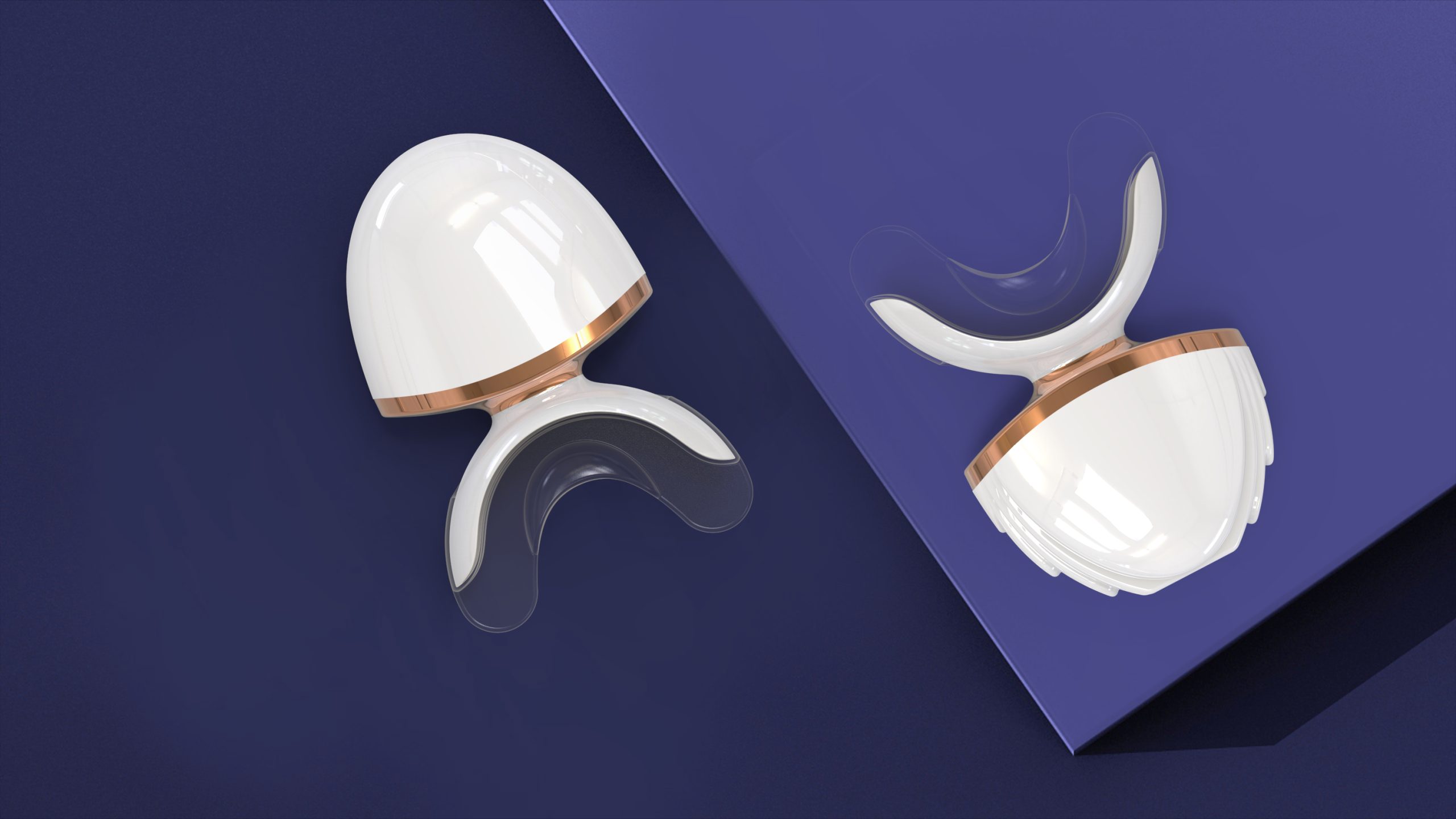
Is Blue Light Under 480nm Safe for Teeth Whitening Devices?
OEM of Teeth Whitening Device: A Complete Solution from LOGO Printing to Light Wave Mode Customization
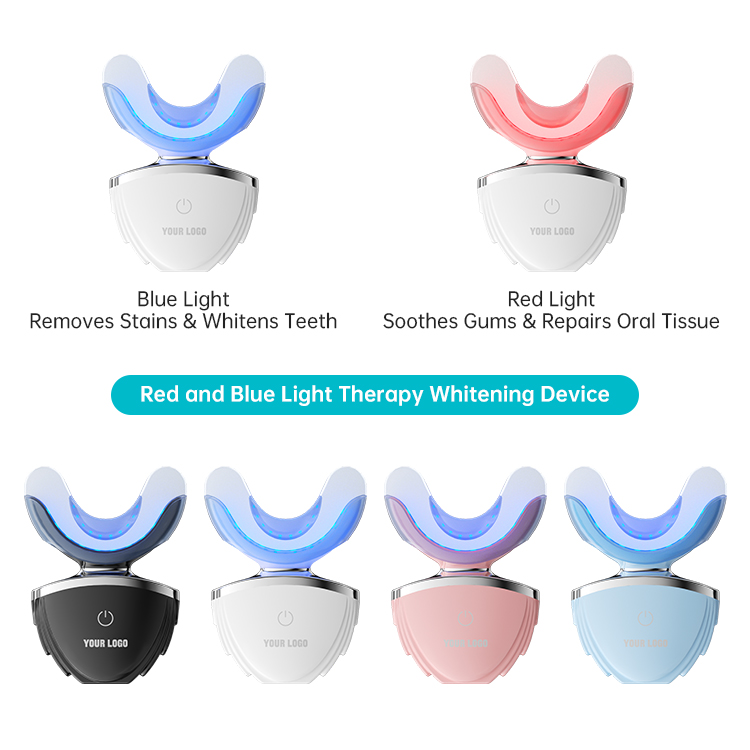
Mitigating LED Teeth Whitening Side Effects Through OEM Design & Formulation
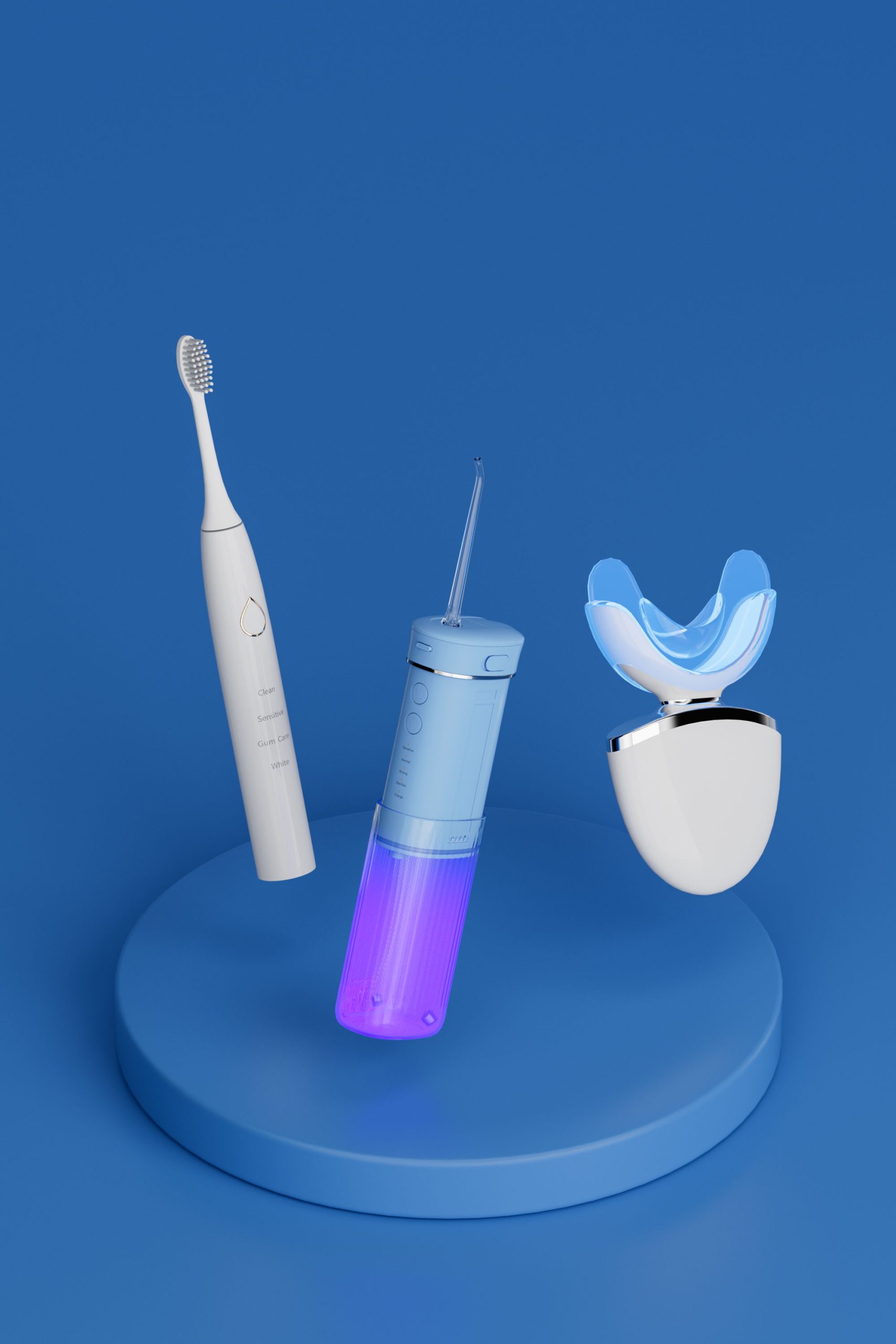
Private Label Teeth Whitening Kits with LED Technology: A Complete OEM Guide
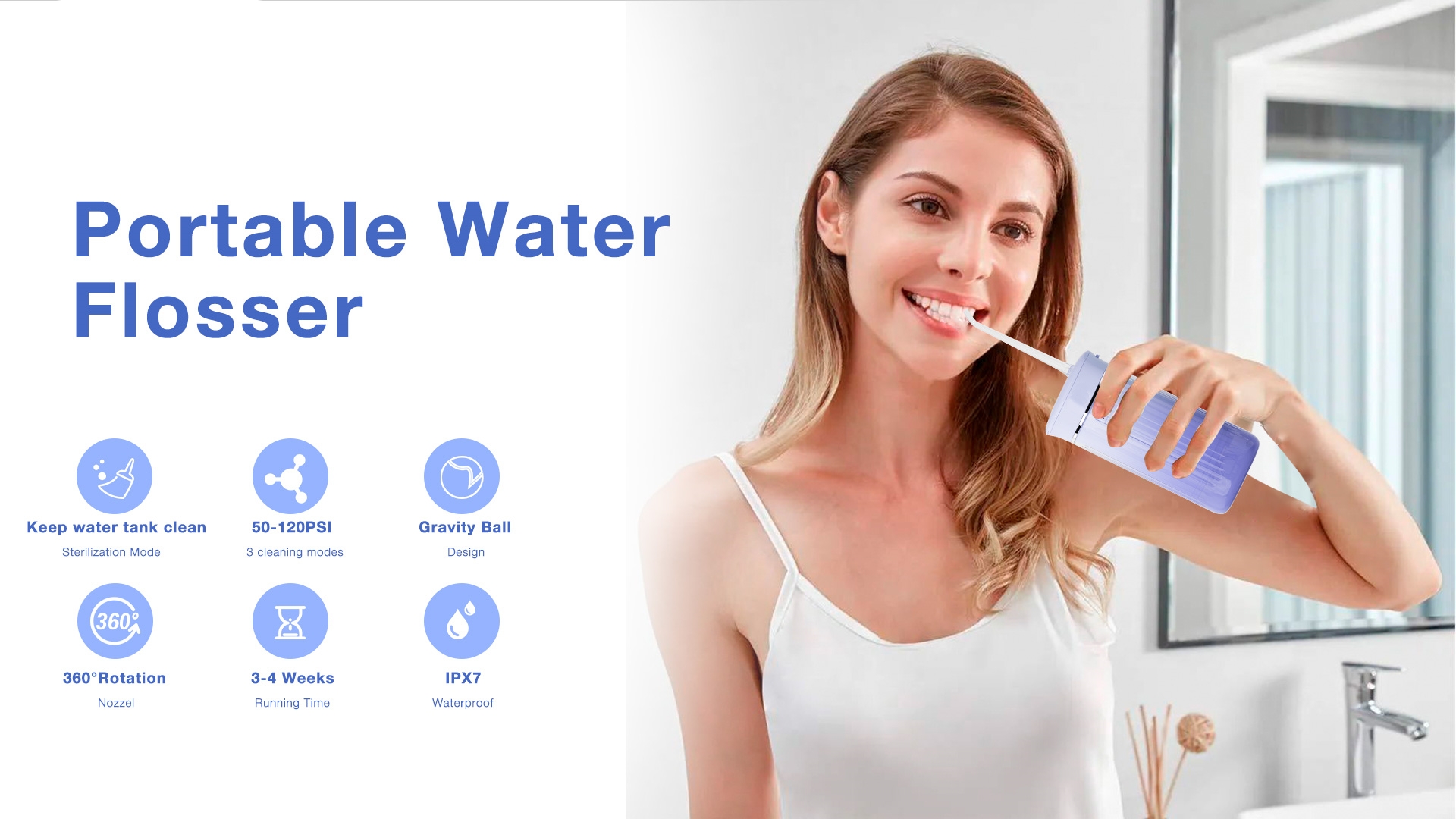
The Market is Growing Rapidly: Is There Still an Opportunity to Enter the Oral Irrigator Industry?
How Long Should You Leave Blue Light on Your Teeth? OEM Manufacturer’s Guide
Blue vs Red Light for Teeth Whitening: Choosing the Right OEM Technology
Professional Whitening Electric Toothbrush Supplier | Advanced LED Oral Care by Powsmart

Do At-Home Light Therapy Teeth Whiteners Really Work?
New Technical Possibilities for Wireless Teeth Whitening Devices

The Rising Market Potential of At-Home Teeth Whitening Devices
Analysis of the Core Technology of Teeth Whitening Devices: The Difference and Application of Blue Light Whitening and Cold Light Technology
-3-scaled.png)
Portable Teeth Whitening Device: How to Make It the Size of travel friendly but Maintain 100% Effectiveness?


.jpg)
.jpg)
.jpg)
.jpg)
.jpg)