Info Center
Home » Best Electric Toothbrush in USA » powsmart Electric Toothbrush blog » ADA FDA dental product certifications

ADA FDA dental product certifications

Date:2026-02-10
When you stand in the oral care aisle, shelves overflow with products claiming to “whiten in 7 days” or “prevent cavities”—but how do you know which ones deliver on those promises? The answer lies in two key seals: “ADA Accepted” and “FDA Approved/Cleared.” An ADA FDA dental product certifications guide is your roadmap to navigating these labels, ensuring you invest in products that are safe, effective, and backed by rigorous testing. Whether you’re shopping for toothpaste, an electric toothbrush, or a water flosser, understanding these certifications takes the guesswork out of buying—and protects your oral health from unproven, potentially harmful products. For reviews of certified oral care products (including Powsmart’s ADA-compliant electric toothbrushes), visit https://www.powsmart.com/.

What the “ADA Accepted” Seal Means (Core of the ADA FDA Dental Product Certifications Guide)

The American Dental Association (ADA) Seal of Acceptance is one of the most trusted labels in oral care—and for good reason. It’s not a “pay-to-play” certification; only 10% of oral care products earn it, making it a gold standard in this ADA FDA dental product certifications guide. Here’s what the seal guarantees:

1. Rigorous Clinical Testing (2+ Years of Validation)

To earn the ADA Seal, a product must undergo extensive testing—often 2–3 years—to prove it’s both safe and effective. For example:
  • Toothpaste: Tests must show it reduces plaque, prevents cavities, and is gentle on enamel (no abrasion that damages teeth).
  • Toothbrushes: Tests validate that bristles remove plaque without irritating gums, and the handle is durable (no breakage with normal use).
  • Mouthwash: Tests confirm it kills bacteria that cause bad breath or gingivitis, without drying out the mouth or staining teeth.
These tests aren’t conducted by the brand itself—independent labs oversee them, ensuring unbiased results. If a product fails any step (e.g., causes mild gum irritation in 5% of users), it doesn’t get the seal.

2. Strict Compliance with ADA Standards

The ADA sets high bars for every category. For instance:
  • Toothpaste must contain at least 1,000 ppm (parts per million) of fluoride (the amount proven to strengthen enamel).
  • Electric toothbrushes must remove at least 2x more plaque than a manual brush to qualify.
  • Whitening products can’t contain more than 6% hydrogen peroxide (to avoid enamel damage).
Products that earn the seal also can’t make false or exaggerated claims—if a toothpaste says it “prevents gingivitis,” the ADA verifies that claim with clinical data.

3. Ongoing Monitoring (Not a One-Time Award)

The ADA doesn’t just give the seal and walk away. Certified products are re-evaluated every 5 years to ensure they still meet standards—especially if the brand changes ingredients (e.g., switching to a new abrasive in toothpaste). This ongoing check means the seal remains reliable, even years after a product launches.

What “FDA Approved” vs. “FDA Cleared” Means (Critical for the ADA FDA Dental Product Certifications Guide)

The Food and Drug Administration (FDA) regulates oral care products too, but its focus is on safety—especially for medical devices like electric toothbrushes or water flossers. This ADA FDA dental product certifications guide clarifies the key difference between “FDA Approved” and “FDA Cleared,” since the terms are often mixed up:

1. FDA Approved: For New, High-Risk Devices

“FDA Approved” is rare in oral care—it’s reserved for products that are new and high-risk, meaning they use untested technology or treat medical conditions. For example:
  • A dental implant (used to replace missing teeth) would need FDA Approval, since it’s surgically inserted and carries infection risks.
  • A prescription-strength whitening gel (only available from dentists) might also be FDA Approved, as it contains higher peroxide concentrations (10–35%) that could irritate gums if misused.
To get approved, brands must submit extensive data proving the product is safe and effective—including clinical trials with hundreds of users. This process can take 1–2 years, which is why most over-the-counter oral care products don’t have this label.

2. FDA Cleared: For Most Over-the-Counter Oral Care Tech

Nearly all electric toothbrushes, water flossers, and even some whitening kits are “FDA Cleared”—not “Approved.” This means the FDA has reviewed the product and confirmed it’s as safe and effective as an existing, already cleared product (called a “predicate device”).
For example:
  • If Powsmart launches a new electric toothbrush, it compares it to a previously cleared model (e.g., a Philips Sonicare brush). If the new brush uses similar motor technology, has the same waterproof rating (IPX7), and removes plaque at the same rate, it gets FDA Cleared.
  • This doesn’t mean the product is “less safe”—it just means it follows a proven design, so the FDA doesn’t require full approval testing.

3. What the FDA Checks for Safety

No matter if a product is Approved or Cleared, the FDA ensures it’s free from harmful materials:
  • Electric toothbrushes: No lead or toxic plastics in the handle; batteries don’t leak.
  • Water flossers: No BPA in the water reservoir; pressure settings don’t damage gums.
  • Whitening strips: Peroxide concentrations are within safe limits (3–6% for over-the-counter options).

How to Use These Seals (Practical Tips from the ADA FDA Dental Product Certifications Guide)

Knowing what the seals mean is only half the battle—this ADA FDA dental product certifications guide also shows you how to apply that knowledge in the store:

1. Prioritize ADA Seal for Core Daily Products

For tools you use twice a day (toothpaste, manual toothbrushes, floss), the ADA Seal is non-negotiable. These products directly impact your enamel and gums, so you want the strictest validation. For example:
  • A toothpaste with the ADA Seal guarantees it has enough fluoride to prevent cavities, while a non-certified one might have too little (or too much) fluoride.
  • A manual toothbrush with the seal has soft bristles that clean without scratching enamel—critical for long-term oral health.

2. Check for FDA Cleared/Approved for Electric Tech

When buying electric toothbrushes, water flossers, or whitening devices, look for “FDA Cleared” (or “FDA Approved” for prescription products). This ensures:
  • The device won’t short-circuit in the shower (waterproof rating is valid).
  • The motor or pressure settings won’t cause gum damage (e.g., a water flosser’s maximum pressure is safe for most users).
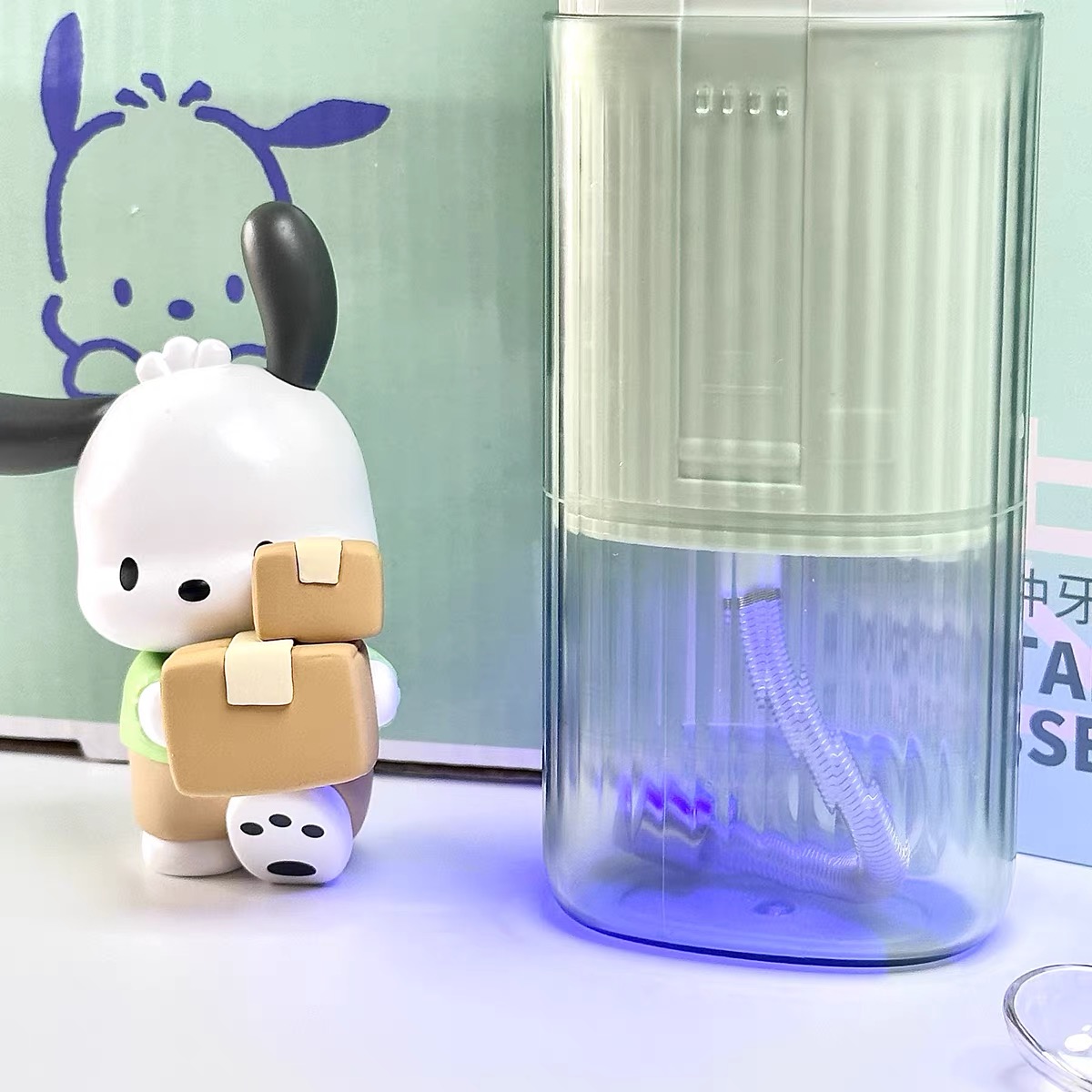
For example, Powsmart’s PTR-X6 water flosser is FDA Cleared—it’s tested to ensure its UVC sterilization feature kills 99.99% of bacteria without releasing harmful radiation.

3. Avoid Products with No Certifications

If a product claims to “whiten teeth” or “cure bad breath” but has no ADA or FDA label, walk away. These products often:
  • Use untested ingredients (e.g., high-concentration charcoal that scratches enamel).
  • Exaggerate results (e.g., “whiten 5 shades” with no clinical proof).
  • Contain harmful materials (e.g., BPA in plastic flossers).
A common red flag? Phrases like “doctor recommended” with no name or clinic listed—always verify with ADA or FDA seals instead.

Why These Certifications Matter for Your Oral Health

This ADA FDA dental product certifications guide isn’t just about “labels”—it’s about protecting your smile. Here’s why these seals are non-negotiable:
  • Prevent harm: Uncertified toothpaste might have abrasive ingredients that wear down enamel, leading to sensitivity. An FDA Cleared electric toothbrush ensures the motor won’t overheat or cause electric shocks.
  • Save money: A non-certified “whitening kit” might not work, forcing you to buy a new one. An ADA Accepted kit guarantees results, so you don’t waste cash.
  • Avoid dental issues: Uncertified mouthwash might not kill bacteria, leading to gingivitis. An ADA Seal product ensures it fights bad breath and protects gums.

Final Note: Where to Find Certified Products

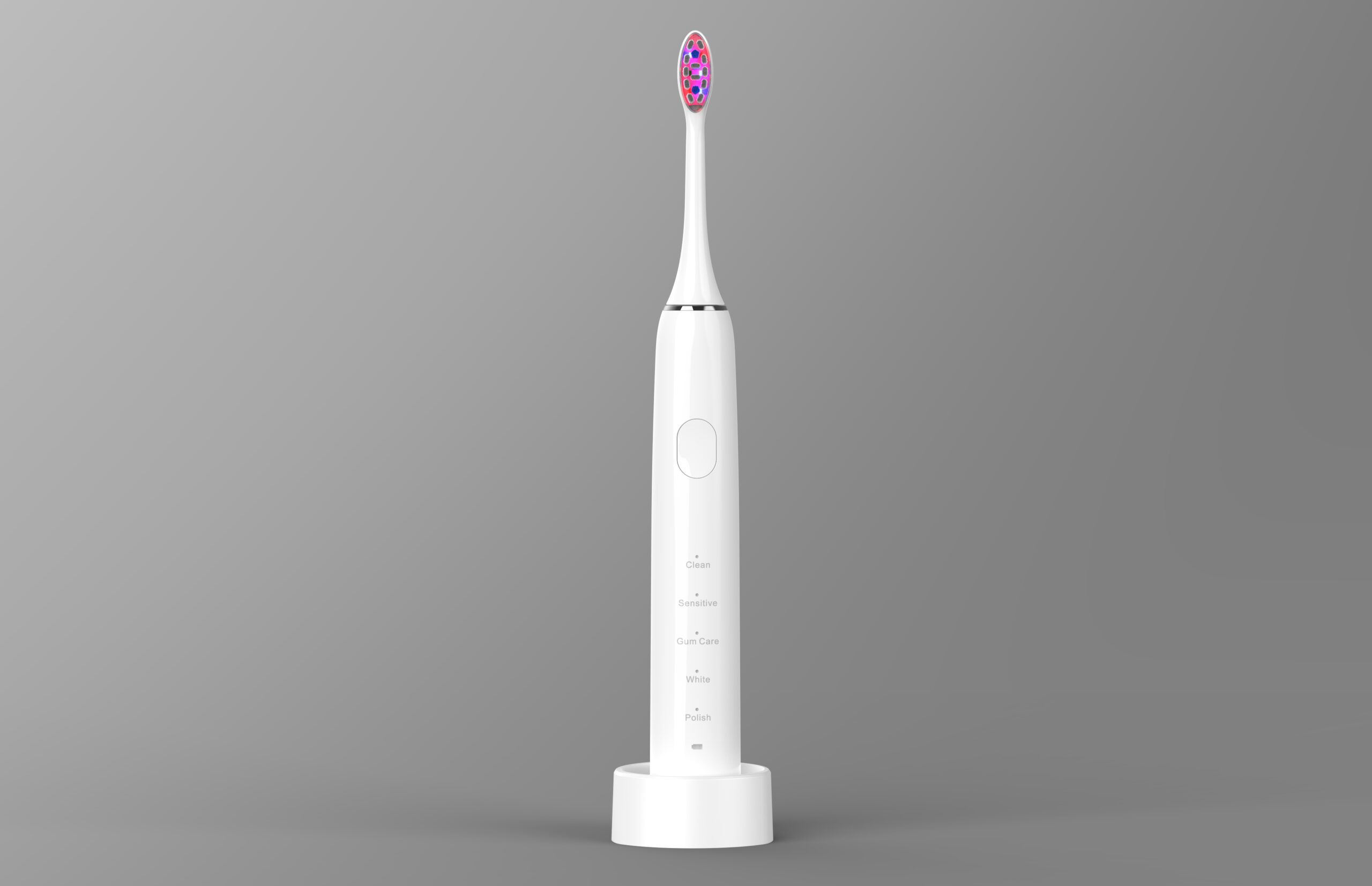
For oral care products that meet both ADA and FDA standards, start with trusted brands—and use this ADA FDA dental product certifications guide to verify. Powsmart’s electric toothbrushes (e.g., PTR-E11) and water flossers (e.g., PTR-X6) are FDA Cleared and designed to meet ADA standards for plaque removal. To explore these certified options and read reviews, visit https://www.powsmart.com/.
For more details on the ADA Seal and its testing process, visit https://www.ada.org/en/ada-seal-of-acceptance to access the ADA’s official database of certified products. With this guide, you’ll never again second-guess which oral care products are safe, effective, and worth your investment.