In modern whitening systems, manufacturers are increasingly exploring how Accelerometer-based Feedback technologies can improve treatment consistency and optical performance. One emerging area of interest is Opalescence Enhancement, a key visual outcome in professional and at-home whitening solutions. By integrating motion-sensing technologies, whitening systems can better control application variables, ensuring more uniform whitening and a more natural, opalescent finish.
Uneven gel distribution is one of the primary factors that affect Opalescence Enhancement.
By using Accelerometer-based Feedback, the device can detect improper angling, tilt, or user movement during application. This ensures the whitening gel remains uniformly applied across tooth surfaces, creating a balanced refractive effect that enhances natural opalescence.
Opalescence depends heavily on consistent light exposure across all treated teeth.
When whitening lights are equipped with Accelerometer-based Feedback, they can compensate for unsteady user movements, adjusting intensity or prompting the user to reposition the device. This prevents uneven illumination that could compromise color uniformity and opalescent clarity.
Certain whitening gels activate through light-driven photoreactions, which are sensitive to motion.
With Accelerometer-based Feedback, the whitening device can regulate exposure time and light angle, ensuring that photoreactive agents activate uniformly—resulting in more stable whitening and more noticeable Opalescence Enhancement.
End-users vary widely in how they handle whitening devices.
Integrating an intelligent motion-sensing module ensures that the system can detect under-brushing, over-application, or device drift. This reduces technique-related inconsistencies and improves the uniformity of the whitening effect, which is essential for enhancing opalescence.
With Accelerometer-based Feedback, the device can provide live alerts or app-based guidance.
This helps users maintain the correct orientation and movement pattern throughout the session. The result is a more predictable whitening trajectory and a refined optical appearance characterized by improved opalescent glow.
For manufacturers, integrating Accelerometer-based Feedback offers measurable advantages in product testing and quality assurance.
Motion data provides insights into typical user behavior, allowing OEM/ODM teams to optimize light placement, gel formulations, and device ergonomics—all contributing to more reliable Opalescence Enhancement across different markets. Contact us
.jpg)
.jpg)
.jpg)
B2B Electric Toothbrush Supplier China | Reliable Wholesale Partner
The Revolutionary Impact of Gravity Ball Design on Water Flosser Performance
New Electric Toothbrush Technology Trends in Texas
ergonomic electric toothbrush handle OEM
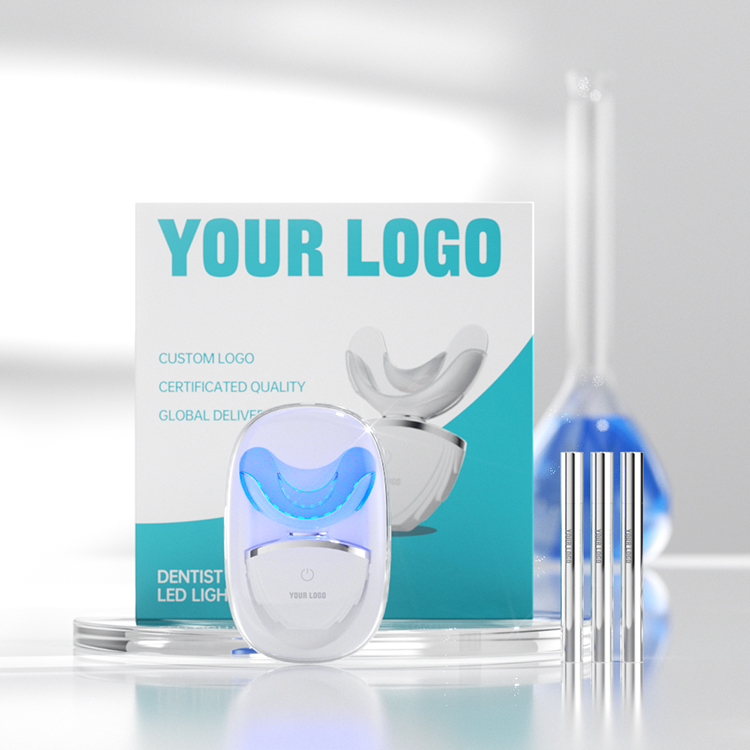
Can Minimizing Chromatic Aberration Increase Luminescence Efficiency in Whitening Devices?
Electric Toothbrush Demo Units – OEM Manufacturing for Dental Offices
Bulk Employee Gifts Waterproof Electric Toothbrush Washington | Appreciation Ideas
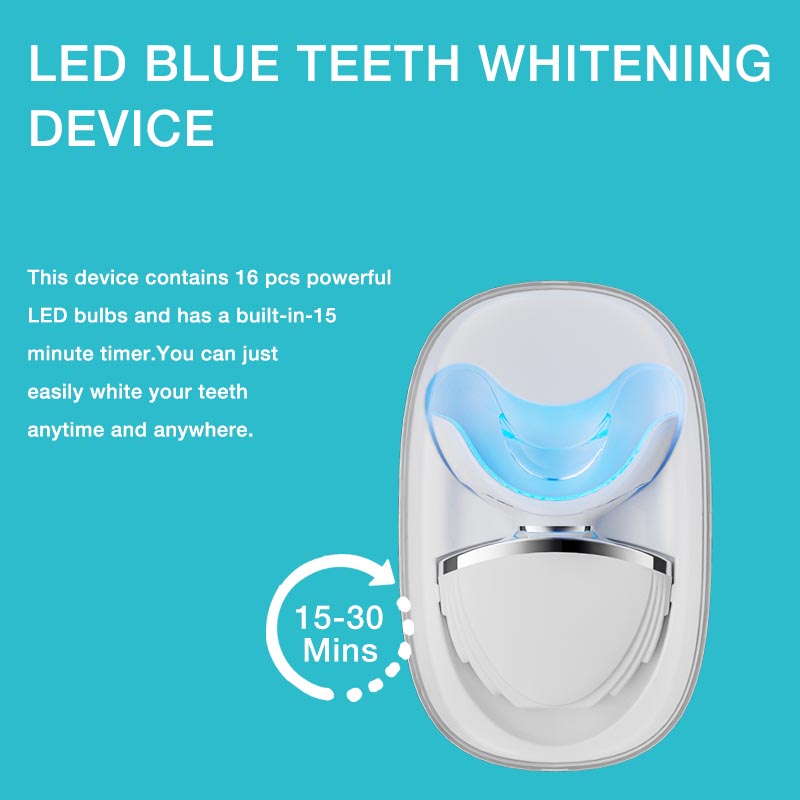
The Competitiveness of LED Teeth Whitening Kit
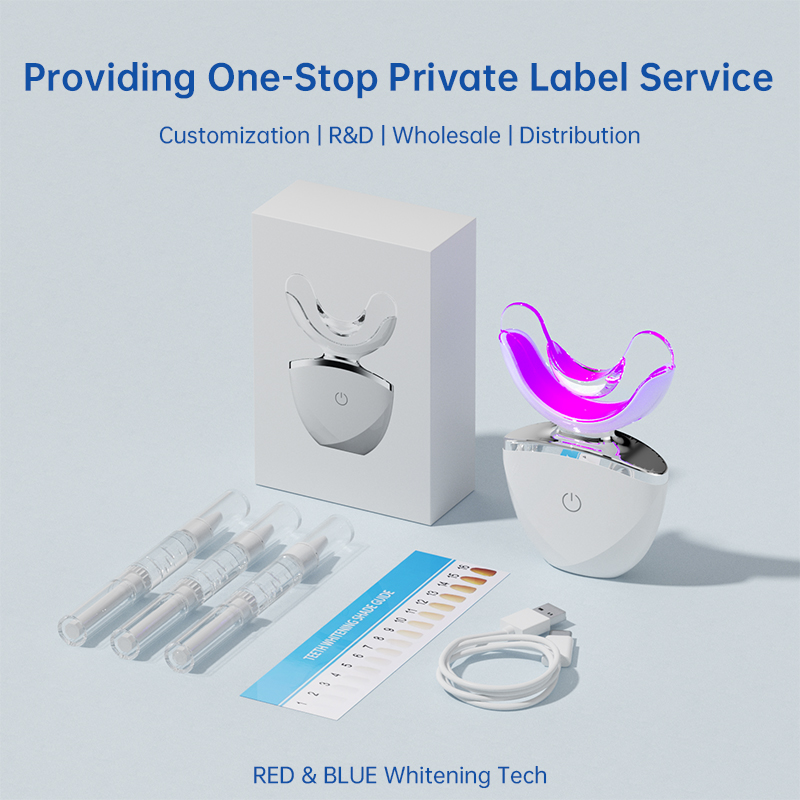
Teeth Whitening Kit OEM Manufacturing Compliance Standards
Does a Water Flosser Require Regular Maintenance? How Should It Be Cleaned?
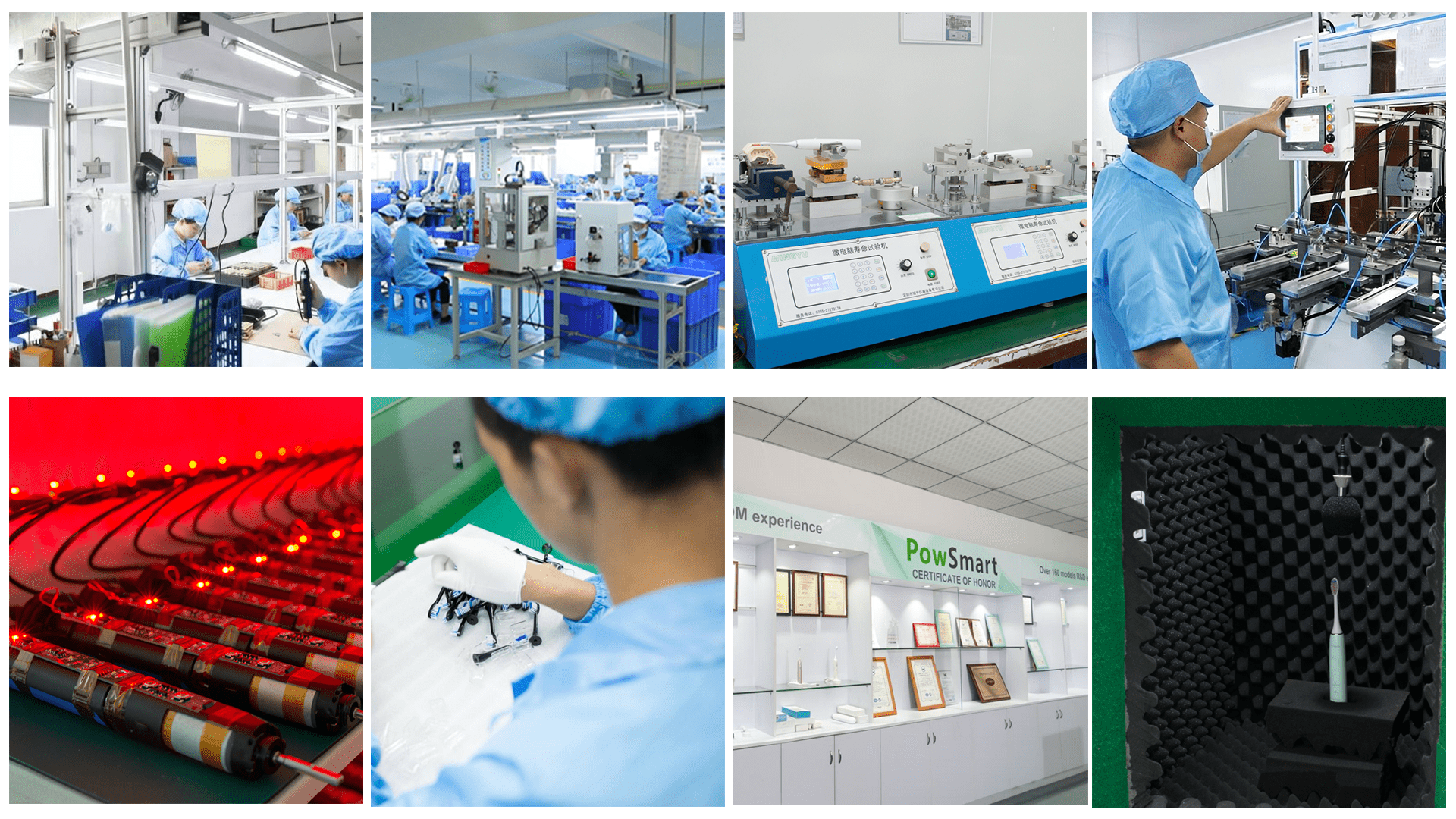
How to Repair an Electric Toothbrush – Answers from Manufacturers
.jpg)
How Boston app toothbrush tech elevates your Boston smart toothbrush routine?
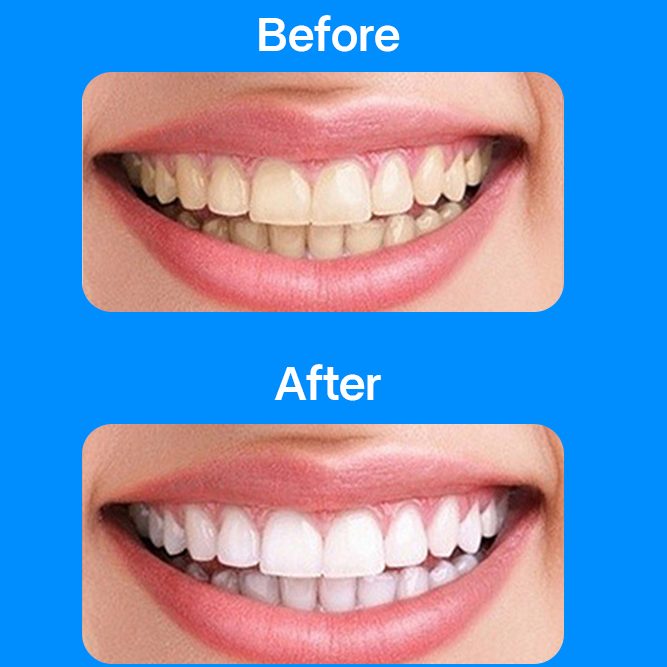
Comparing Different Types of Teeth Whitening Devices Pros and Cons from Manufacturers
Is Your Water Flosser Saline Solution Compatible for Effective Calcified Deposit Remover?
travel electric toothbrush OEM manufacturer | Compact Portable Sonic Toothbrush OEM
Enamel Erosion with Cavity Acceleration – Vicious Cycle?


.jpg)
.jpg)
.jpg)
.jpg)
.jpg)






.jpg)