teeth whitening device durability test is a fundamental requirement for OEM and private label brands aiming to build reliable oral whitening product lines. For B2B buyers, durability is not a marketing feature but a risk-control mechanism that directly affects return rates, warranty costs, and retailer confidence.
As whitening devices are used repeatedly in home environments, durability validation becomes a core part of supplier evaluation.
Why Durability Testing Is Critical in OEM Whitening Devices
Whitening devices are exposed to frequent handling, charging cycles, and humid environments. Without structured durability testing, early-stage performance may appear acceptable while long-term reliability remains unverified.
Therefore, durability testing is conducted to confirm that products maintain structural integrity and functional stability throughout their intended service life. This approach reduces post-market failures and protects brand reputation.
In addition, durability validation supports long-term cooperation between brands and OEM manufacturers by establishing predictable quality outcomes.
Core Elements of a Durability Test Framework
Durability testing typically includes repeated power cycling, charging port stress evaluation, and button actuation testing. These tests simulate real-world usage patterns over extended periods.
Housing strength is also evaluated to ensure resistance against drops, twisting forces, and daily handling. As a result, weak mechanical points are identified before mass production.
OEM durability frameworks are designed to align with standardized manufacturing processes rather than isolated laboratory tests.
Lifecycle Testing and Performance Consistency
Lifecycle testing focuses on performance retention rather than initial output. Light intensity stability, battery capacity retention, and electrical continuity are monitored across repeated cycles.
Because battery degradation and component wear occur gradually, lifecycle testing provides insight into long-term user experience. Consequently, brands can make informed decisions about warranty periods and after-sales policies.
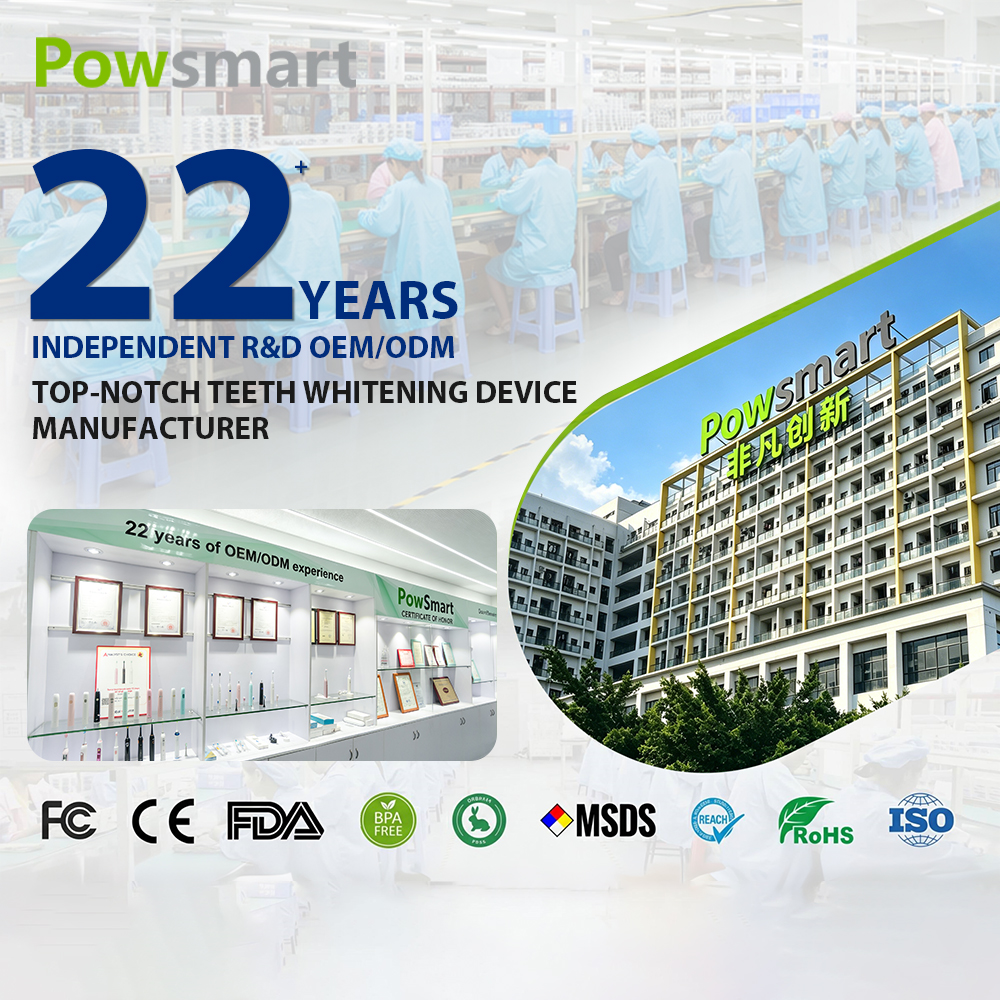
OEM whitening device platforms that integrate durability testing into production workflows can be reviewed here:
https://www.powsmart.com
Durability Testing and Quality Management Systems
Durability testing is most effective when embedded within a broader quality management system. Test data is recorded, analyzed, and used to refine production processes.
This systematic approach allows OEM suppliers to improve design details such as housing thickness, sealing structures, and internal support components. As a result, overall product reliability improves across batches.
International standards organizations such as the International Organization for Standardization provide reference frameworks for durability and quality management principles
https://www.iso.org
OEM Value for Brands and Retail Channels
From a B2B perspective, durability testing reduces operational risk for distributors and retailers. Products with validated durability generate fewer complaints and lower return rates.
Therefore, brands sourcing from OEM partners with established durability testing systems gain a competitive advantage in professional and retail channels.
Conclusion
teeth whitening device durability test validation is essential for OEM and private label brands seeking stable market performance. Through structured durability testing and lifecycle validation, OEM suppliers support long-term reliability and sustainable brand growth.


.jpg)
