A toothbrush factory audit checklist is a critical tool for importers, brand owners, and OEM buyers who want to reduce supply-chain risks and ensure consistent product quality. As electric toothbrush demand grows globally, factory audits have become an essential step before mass production or long-term cooperation.
Why Factory Audits Matter in B2B Sourcing
When sourcing from overseas manufacturers, visual inspections alone are not enough. Instead, a structured audit process helps buyers verify whether a factory can meet quality, compliance, and capacity requirements. Moreover, audits reduce the likelihood of shipment delays, product recalls, and regulatory violations.
Because toothbrushes are consumer health-related products, buyers must confirm that suppliers follow strict manufacturing and testing standards. Therefore, a standardized audit checklist is widely used by professional procurement teams.
Core Areas to Include in a Toothbrush Factory Audit
1. Quality Management System
Buyers should confirm whether the factory operates under ISO-based quality systems. Document control, incoming material inspection, and traceability procedures should be clearly defined. Additionally, internal quality audits should be conducted regularly.
2. Production Capability & Capacity
A reliable factory should demonstrate stable production lines, skilled operators, and realistic output planning. Buyers should also verify whether peak-season capacity aligns with forecasted order volumes.
You can review typical electric toothbrush production setups here:
👉 https://powsmart.com/products/electric-toothbrush
3. Component & Supplier Control
Motors, batteries, and brush heads are key components. Therefore, buyers should check approved supplier lists and incoming inspection records. Stable upstream partnerships reduce the risk of inconsistent quality.
Compliance & Regulatory Readiness
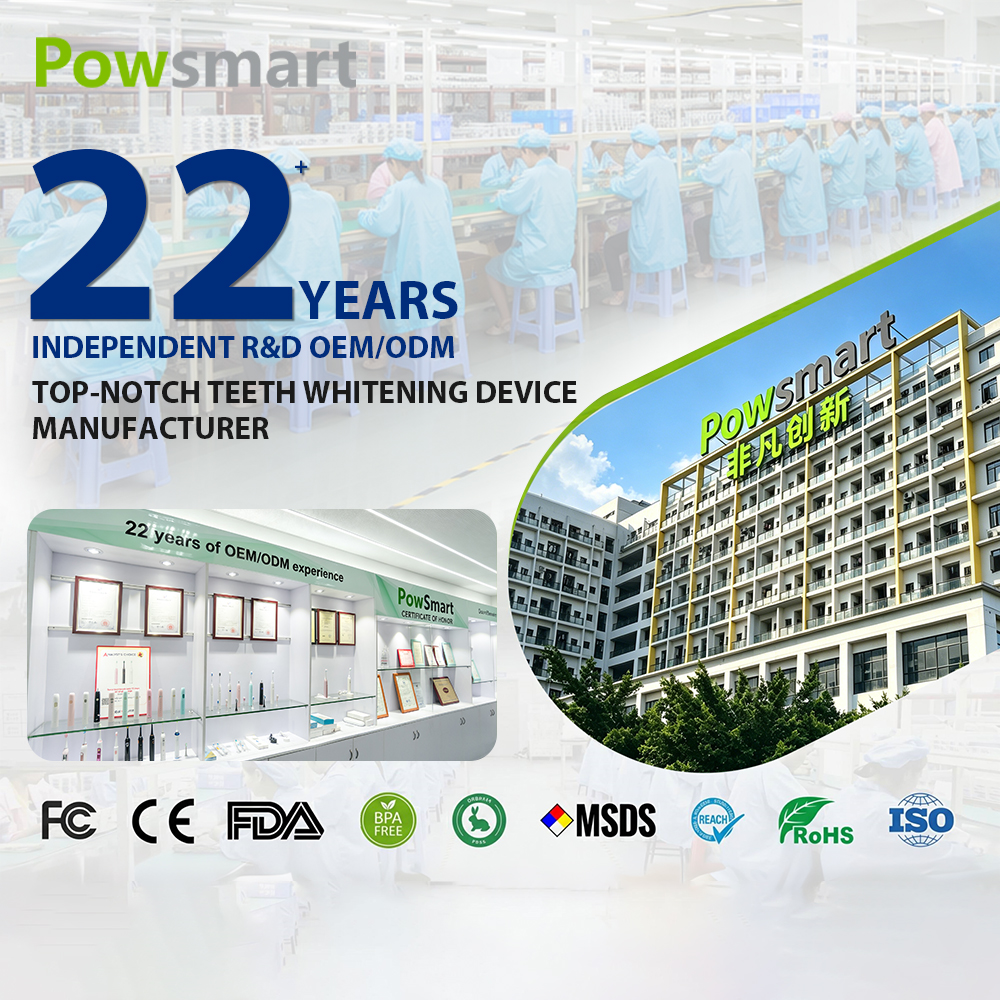
A professional audit checklist must include compliance verification. CE, FCC, RoHS, and FDA-related documentation should be available and up to date. Furthermore, labeling and user manuals must align with target market regulations.
For global oral-care standards and guidance, buyers may consult:
👉 https://www.ada.org
Social Responsibility & Workplace Safety
Many international brands now require audits covering labor conditions, workplace safety, and environmental responsibility. Proper training records, fire safety measures, and protective equipment should be verified during on-site visits.
Final Evaluation & Risk Assessment
After completing the audit, buyers should summarize findings, identify risks, and define corrective action plans. A transparent supplier will actively cooperate in addressing issues, which is often a strong indicator of long-term reliability.
Conclusion
Using a structured toothbrush factory audit checklist enables B2B buyers to make informed sourcing decisions and build stable partnerships. By systematically evaluating quality systems, capacity, and compliance, buyers can reduce operational risk and protect their brand reputation. Ultimately, a thorough toothbrush factory audit checklist is an essential foundation for successful electric toothbrush sourcing.
.jpg)
