As advanced whitening platforms increasingly rely on high-intensity light sources to activate Photo-accelerated Oxidation, integrating a reliable Plume Evacuation System becomes essential for ensuring user safety and clinical efficiency. During whitening sessions, heat, volatile compounds, and micro-aerosols may form around the treatment zone, making engineered plume control a critical element for next-generation OEM whitening devices.
Photo-accelerated Oxidation relies on targeted wavelengths to accelerate peroxide-based reactions. This rapid oxidative process can generate microscale vapor, aerosolized gel fragments, and reactive byproducts. Without a proper Plume Evacuation System, these particulates remain in the operator’s breathing zone, posing potential discomfort or exposure risk.
A dedicated Plume Evacuation System captures airborne particles at the source, reducing inhalation exposure for dentists, hygienists, and patients. For OEM developers, designing suction inlets with optimized airflow velocity and capture efficiency ensures the system balances noise, comfort, and safety in professional whitening environments.
Airborne vapor buildup can affect light transmission or interfere with gel uniformity. By removing suspended particulates, the evacuation system maintains a clear optical pathway, preventing scattering or intensity loss during Photo-accelerated Oxidation. This supports consistent whitening outcomes and avoids process interruptions.
To function effectively inside compact whitening devices, the Plume Evacuation System must incorporate low-profile ducting, medical-grade filters, and adaptive airflow zones. Component selection—such as brushless miniaturized blowers and HEPA-equivalent filter media—ensures long-term reliability under high-temperature, high-radiance operating conditions.
International safety standards increasingly emphasize aerosol control and workplace air quality. Equipping Photo-accelerated Oxidation devices with plume management features helps OEMs and ODMs comply with hygiene guidelines, supporting smoother certification processes and higher acceptance among professional buyers.
In a competitive whitening device market, safety-driven engineering provides major differentiation. Manufacturers that integrate responsive plume capture, surface decontamination pathways, and replaceable filtration modules showcase a commitment to professional-grade performance—raising product value and clinic trust.
A well-designed Plume Evacuation System not only supports safer working environments but also enhances the functional stability. For B2B partners, combining optical engineering with aerosol-control innovation ensures. Contact us
.jpg)
Cordless Water Flosser Wholesale – Global B2B Supply for Retailers & Brands
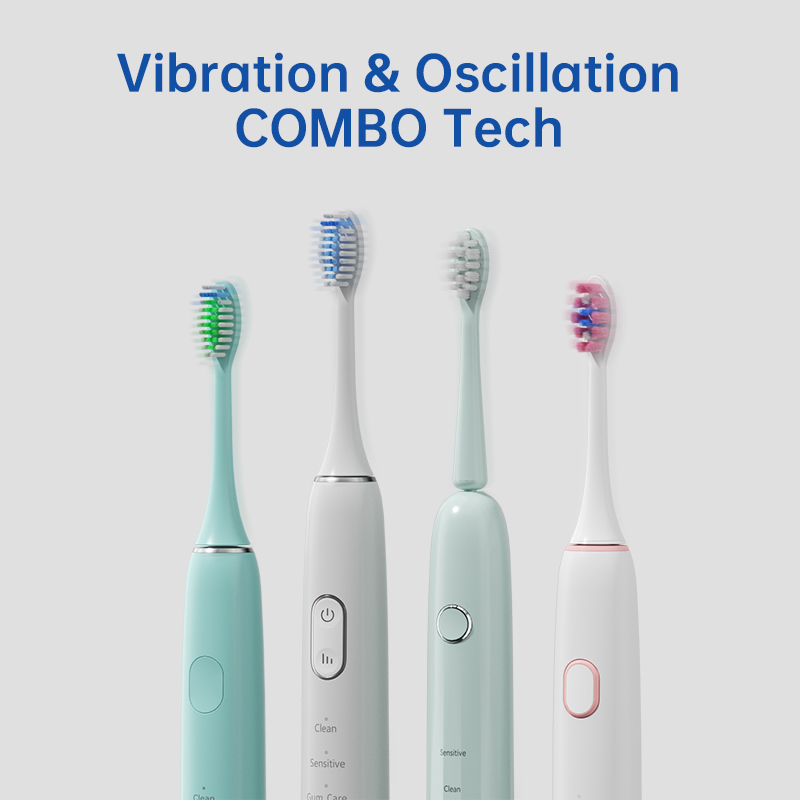
Can an Apical Irrigation Tip Utilize Hydro-kinetic Energy Transfer for Root Canal Cleaning?
Is the Manufacturing Process of Electric Toothbrushes Complicated?
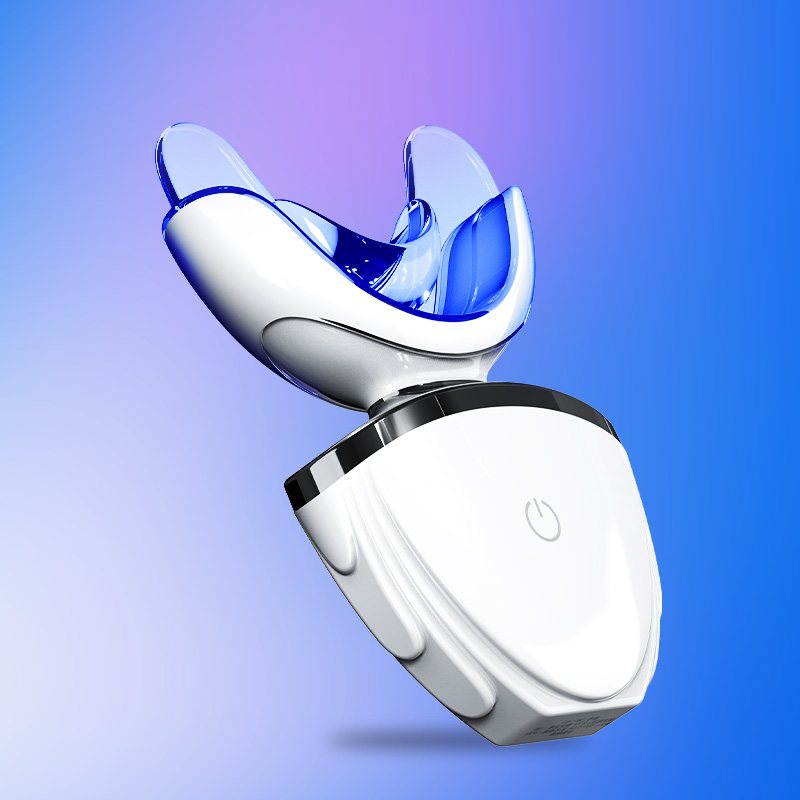
Explaining the Teeth Whitening Device and How to Use It
.jpg)
Powsmart-Austin electric toothbrush B2B
Compact Jet Water Flosser Manufacturer – OEM Factory for Global Brands
sonic electric toothbrush Austin
Why Pair Enamel Micro-abrasion With Chromophore Targeting Gel for Effective Teeth Whitening?
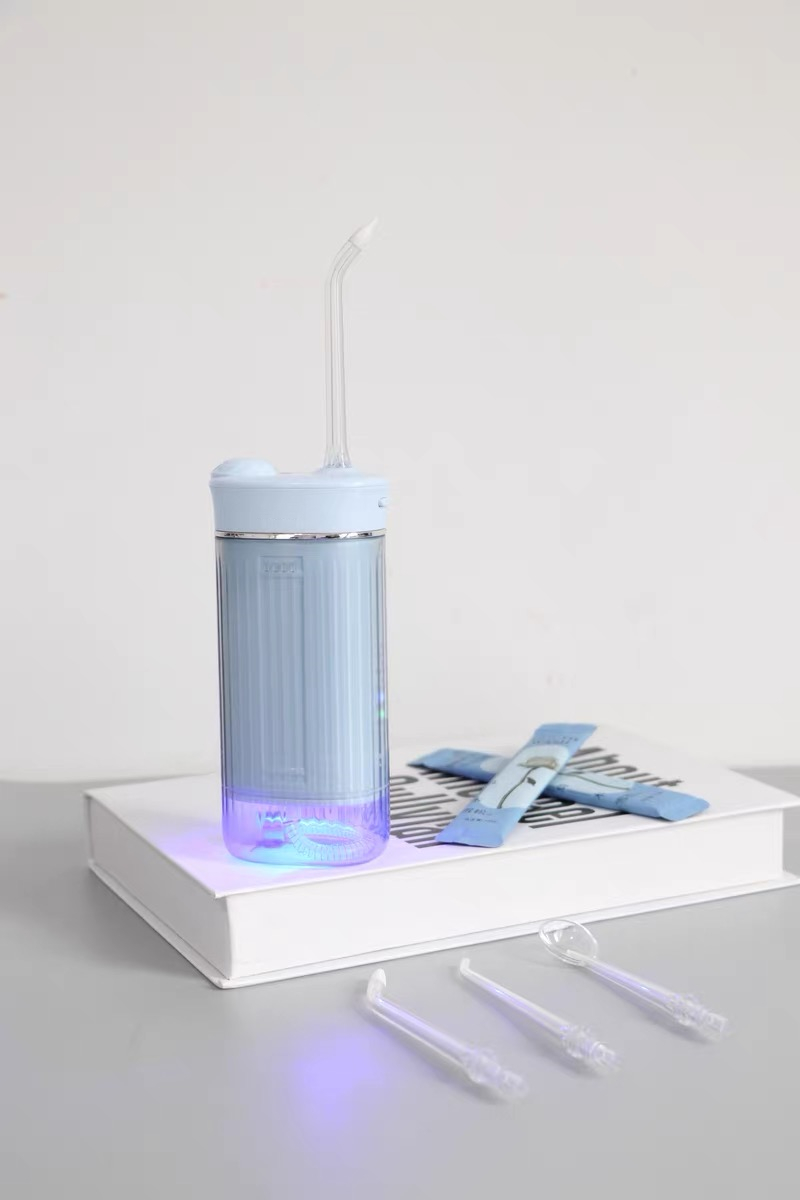
What Causes the Intermittent Water Flow When Using an Oral Irrigator?
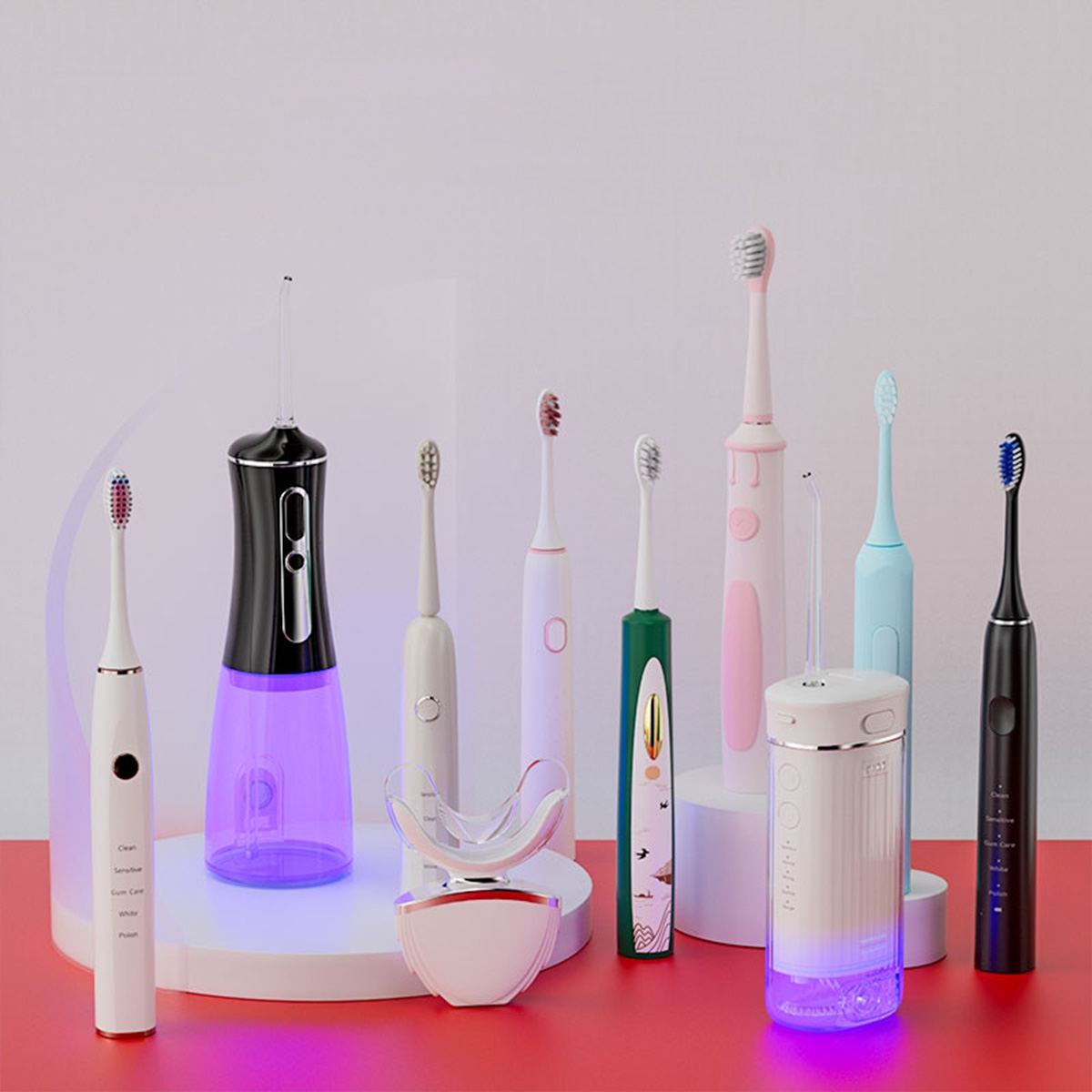
What Does the Doctor Think About the Use of Electric Toothbrushes and Water Flossers?
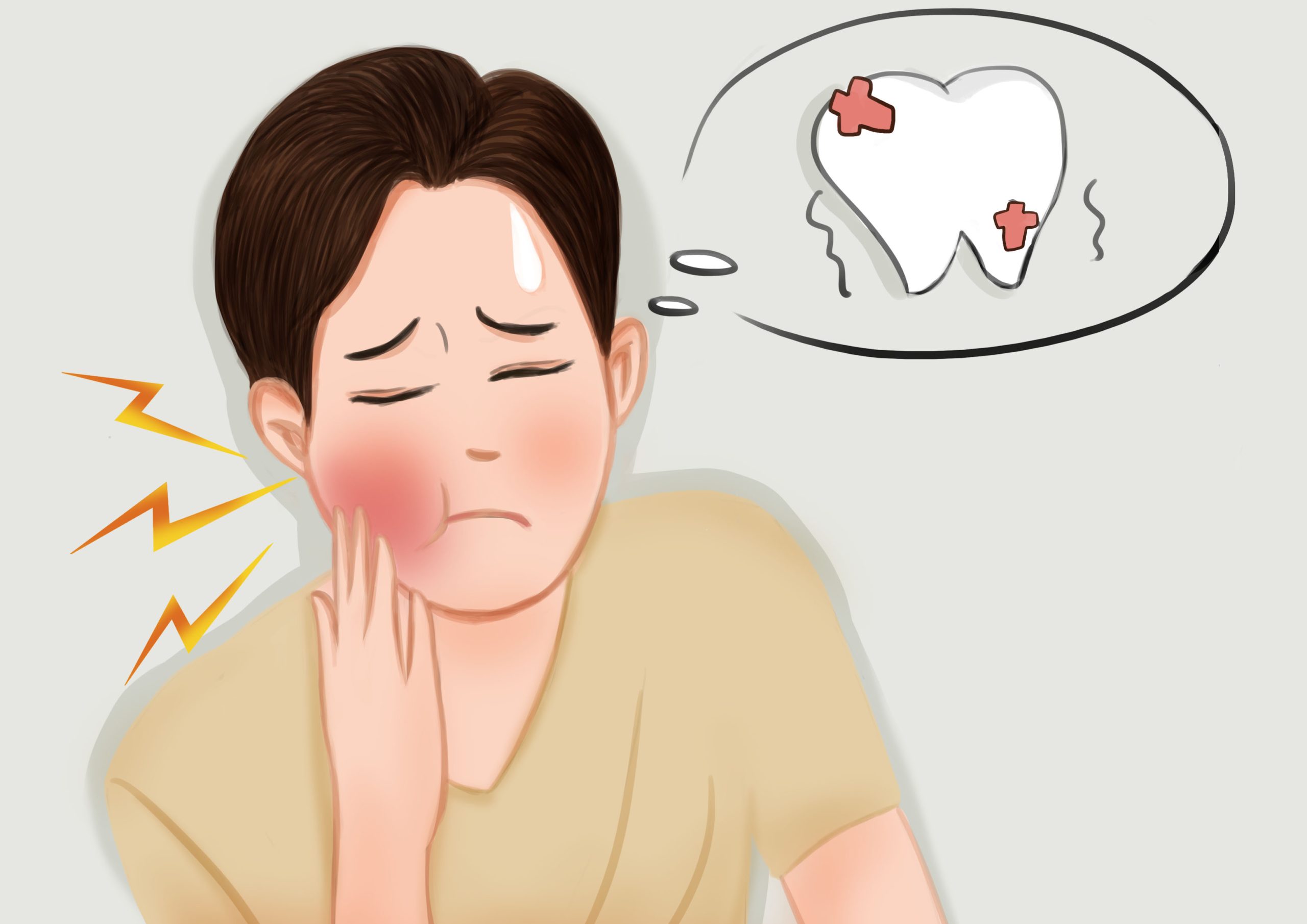
Understanding and Treating Gum Bleeding When Brushing
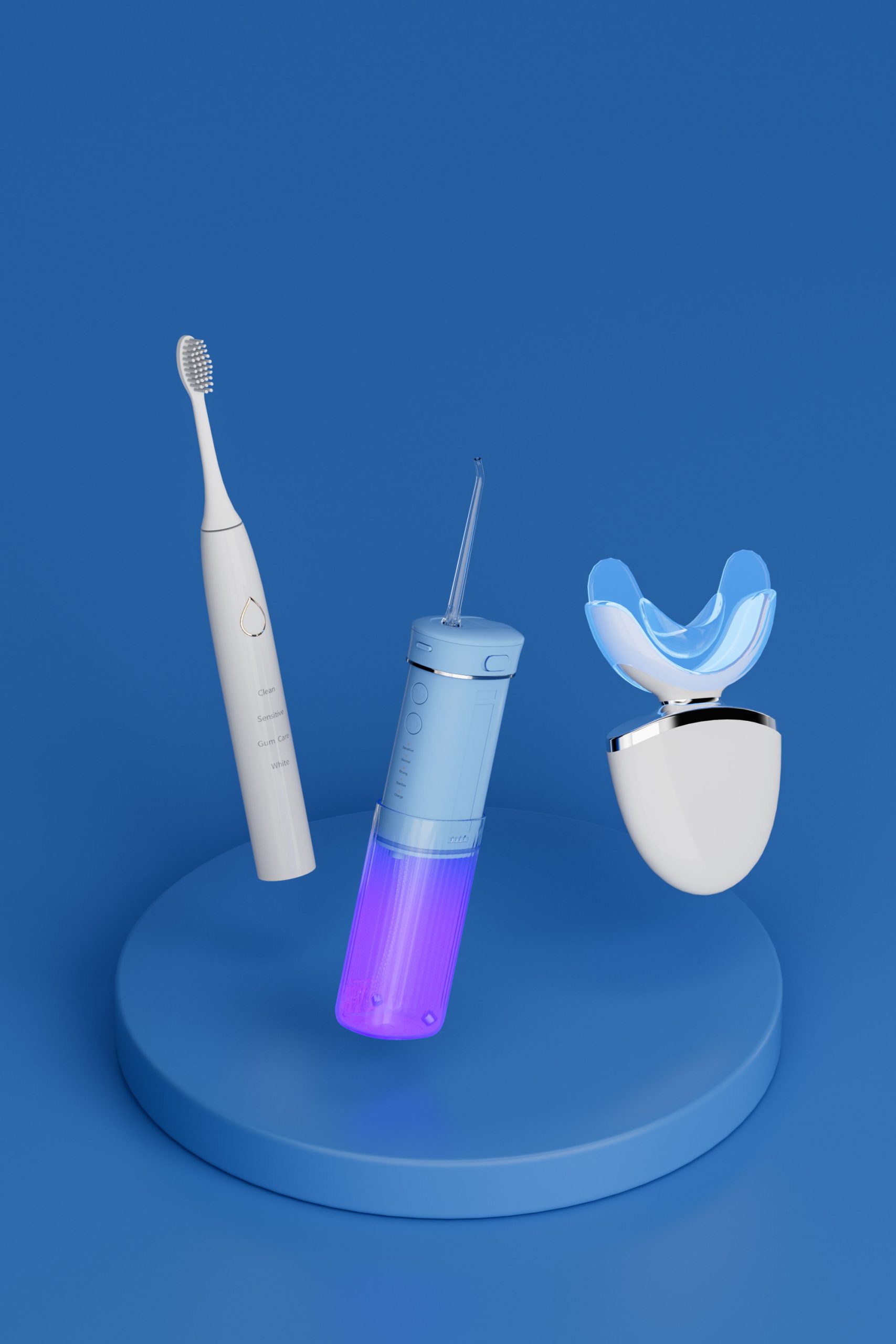
PowSmart’s Commitment to Quality: What Sets Our Oral Care Products Apart
How to Fix Seal Aging and Pump Failures Together?
Noise Amplification and Vibration Issues — Why?
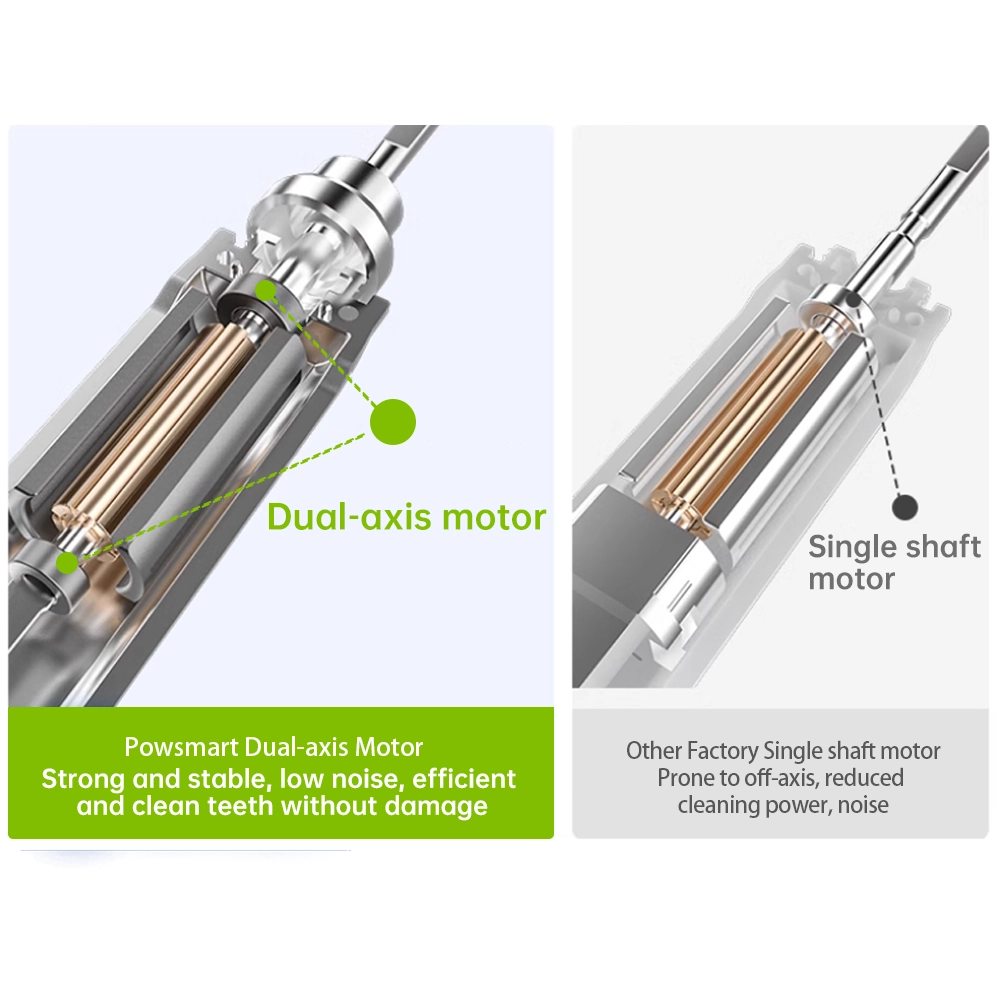
The Science Behind Sonic Toothbrush Motors
Cowboy Style Electric Toothbrush OEM – Western Theme Oral Care Products


.jpg)
.jpg)
.jpg)
.jpg)
.jpg)