As the global beauty and oral-care markets continue to expand, LED teeth-whitening products have become one of the fastest-growing categories for brands looking to introduce high-impact innovations. For companies exploring OEM partnerships, understanding how to build an effective and affordable product is key. Below, we break down the essential factors that influence OEM LED teeth-whitening kit costs and reveal how brands can leverage innovation—without overspending.
Before partnering with a manufacturer, brands must understand the core elements that influence OEM kit cost. These typically include:
LED device type (mouthpiece LEDs, wavelengths, battery vs. USB)
Gel formulation and concentration
Packaging style and customization level
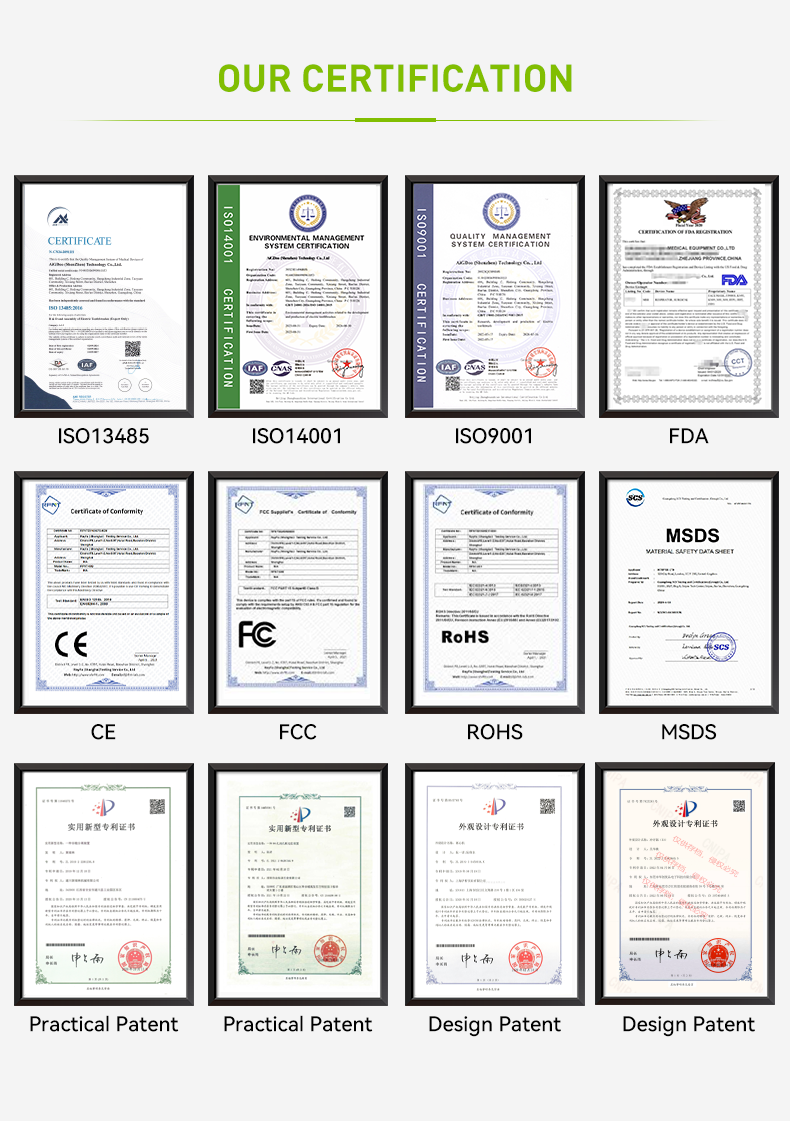
Certifications and compliance testing
Order volume and production timelines
This breakdown helps you compare suppliers more effectively and ensure you’re receiving competitive pricing without sacrificing quality.
Innovation doesn’t have to come with a high price tag. Many manufacturers now offer modular components, customizable formulations, and standardized LED designs that reduce development fees. Brands can achieve truly affordable LED whitening solutions by selecting cost-efficient materials and opting for proven device structures rather than reinventing from scratch.
The goal: premium results without premium costs.
Your manufacturing partner plays a major role in your total OEM kit cost. Look for partners that:
Provide transparent cost breakdowns
Offer flexible MOQs
Have extensive experience in oral-care regulatory requirements
Maintain in-house R&D teams
Deliver consistent quality with reliable lead times
The right manufacturer not only reduces cost but also becomes a strategic part of your overall brand solution.
Customization is where brands often overspend. To maintain competitive pricing, focus on upgrades that matter most to end-users:
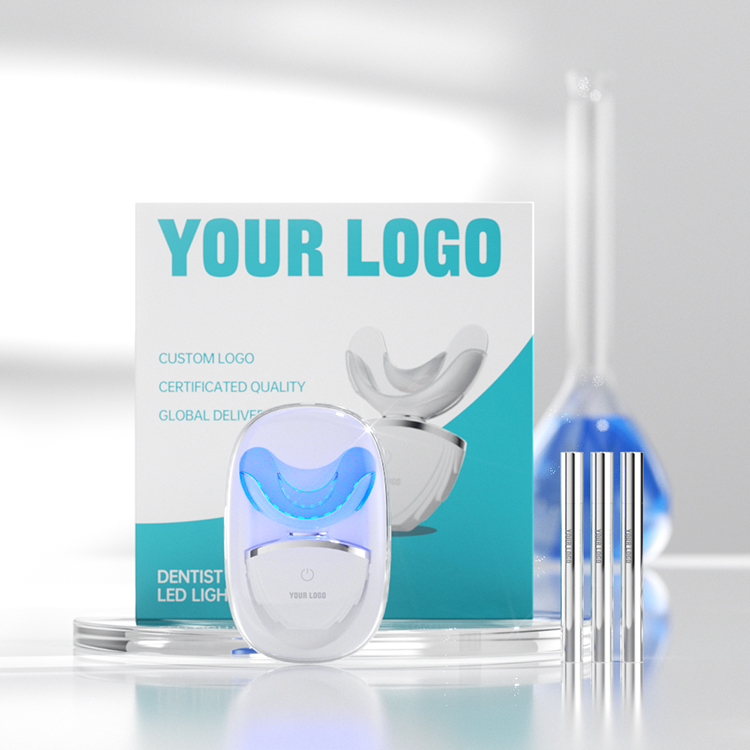
Comfortable and durable silicone mouthpiece
Effective blue-light or dual-light LED output
Pleasant, peroxide or PAP-based gel formulas
Clean, modern packaging that conveys trust
Smart customization positions your product as premium while still keeping total expenses manageable.
Volume often plays the biggest role in affordability. As your brand grows, increasing order quantities can significantly reduce per-unit cost. This gives you the freedom to reinvest in:
Improved formulations
Higher-end packaging
Advanced LED technology
Expanded product lines
OEM partnerships work best when brands view scaling not as an expense but as an opportunity to enhance both quality and profit margins.
In a crowded oral-care market, affordability and innovation shouldn’t compete—they should work together. When your LED whitening kit is both cost-effective and high-performing, you stand out from competitors and build long-term customer trust.
By understanding the true cost factors and choosing strategic OEM partners, brands unlock a complete brand solution that elevates market presence while keeping margins strong.
.jpg)
Wholesale sonic toothbrush distributor Houston TX
Does Optimal Flow Channel Design Reduce the Load on the Battery Management System?
.jpg)
Can Innovative Water Flosser Design Incorporate an Ergonomic Flosser Handle for User Comfort?
.jpg)
top toothbrush brands
High Pressure Oral Irrigator OEM – Bulk High-Power Water Flosser Manufacturing
kids electric toothbrush OEM factory
Dental Whitening Device ODM for Global Oral Care Brands
What Are the Benefits of a Lithium Battery Pack in a Home Use Whitening System?
Does Saline Solution Compatibility Increase the Demand for Filter Cartridge Supply?
Electric Toothbrush OEM Packaging Customization Solutions
How Does Including a Wireless Charging Module Influence Kit Packaging Design?
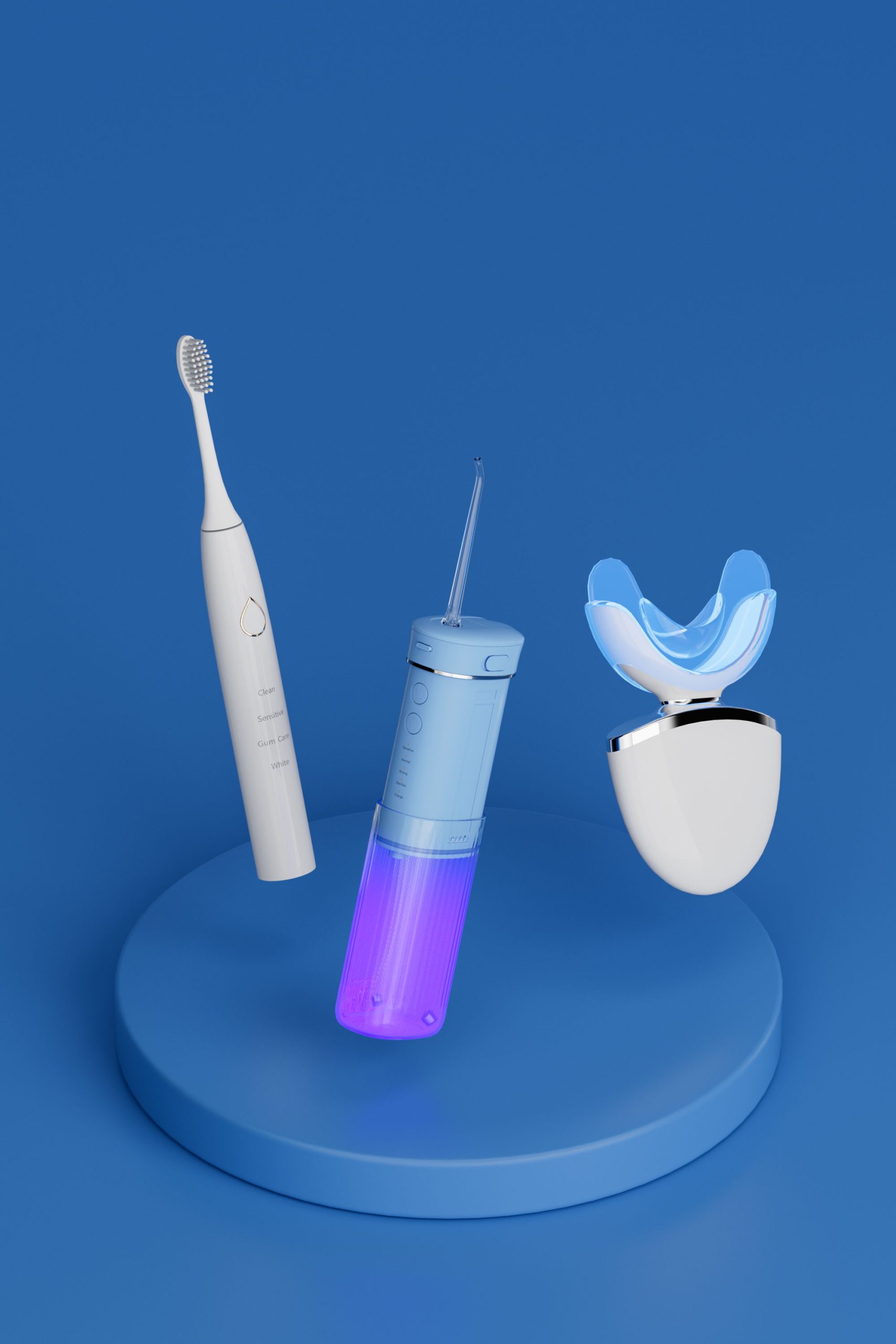
Do I Brush My Teeth Before or After Using a Whitening Pen?
Can an Electric Toothbrush Designer Drive Smart Toothbrush Innovation with AI Features?
Can an Orthodontic Jet Tip Be Enhanced by a Smart Multi-pressure Setting Chip?
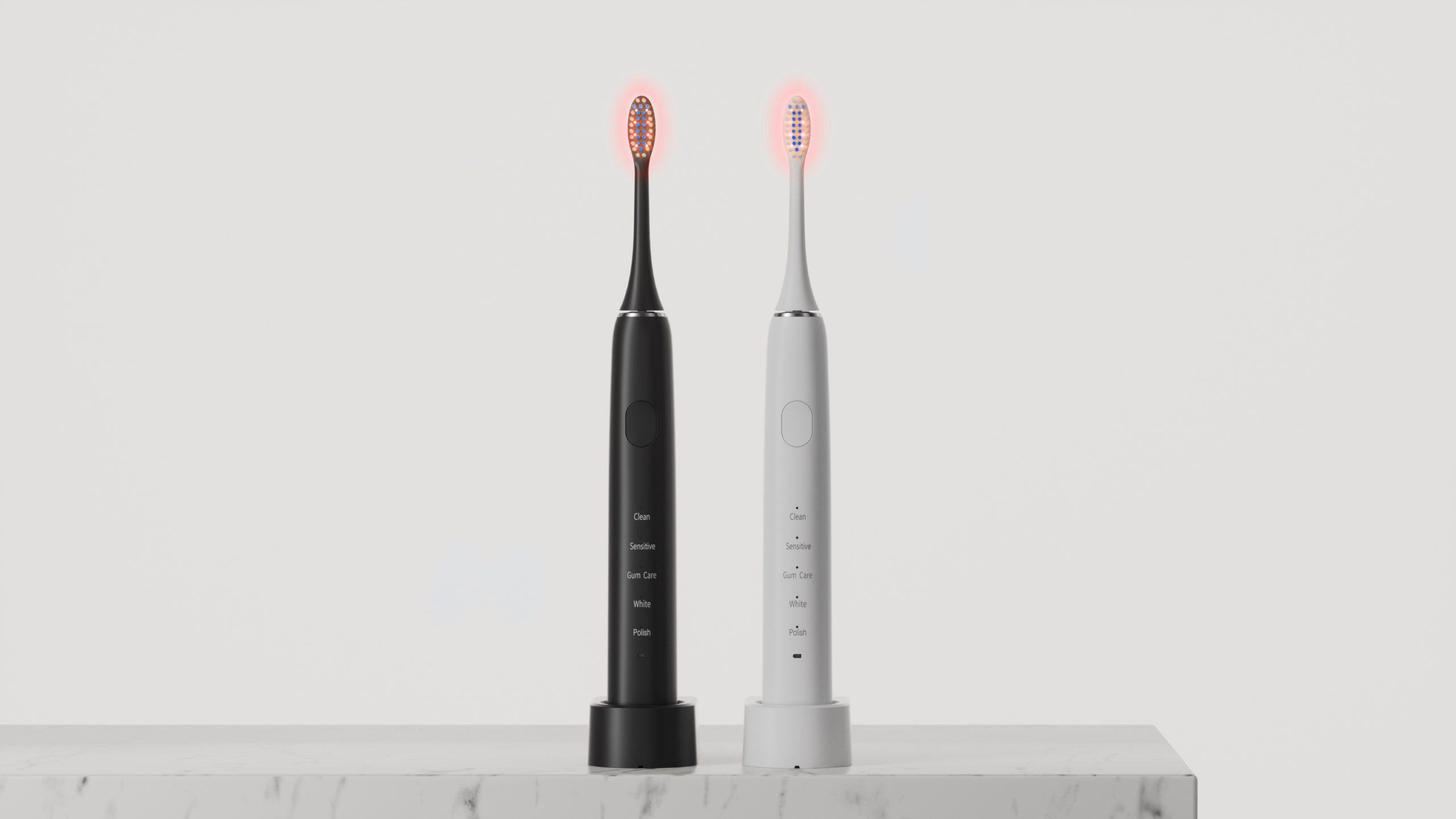
Custom Whitening Toothbrush OEM: Advanced Stain Removal Technology

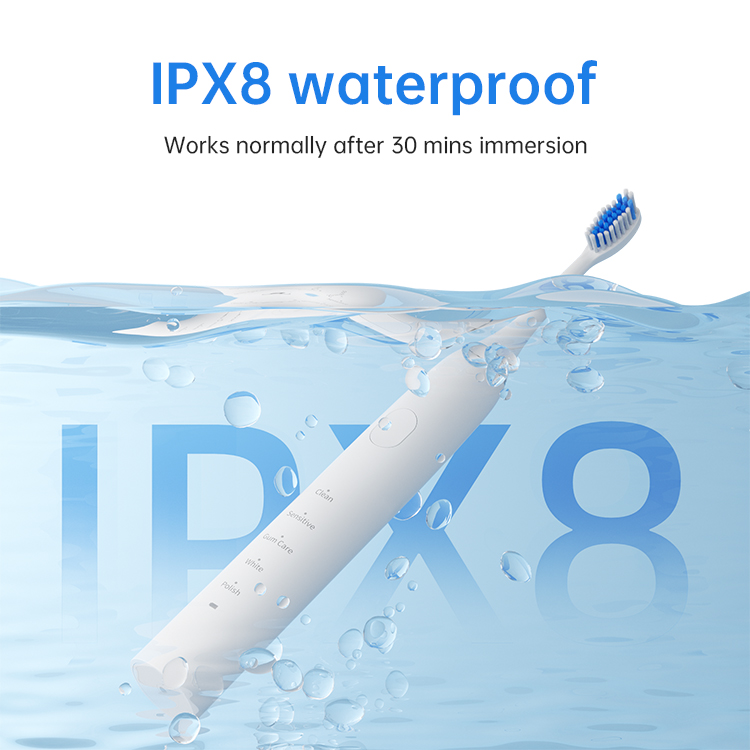
How Does a Linear Resonant Actuator Benefit from an IPX8 Waterproof Solution in Electric Toothbrushes?


.jpg)
.jpg)
.jpg)
.jpg)
.jpg)






-3-scaled.png)