For electric toothbrush manufacturers, printing technology is not just about labeling—it’s a vital part of branding and user experience. Choosing the right technique between the toothbrush screen printing process and pad printing technology can significantly impact both production quality and visual appeal, especially when dealing with multi-color pattern printing or gradient effects. This blog provides a technical pad printing technology comparison and helps you determine the best method based on your product design complexity, material compatibility, and performance requirements.
Understanding the Screen Printing Process for Electric Toothbrushes
The electric toothbrush screen printing process involves transferring ink through a mesh stencil onto the curved surface of the brush handle. It’s ideal for:
Simple, bold designs
High ink deposit for durability
Flat or slightly curved surfaces
Advantages:
Strong color density and sharp edges
Excellent for single or dual-color logos
Proven durability under abrasion and humidity
However, screen printing may face limitations with detailed gradients and complex multi-tone images, especially on highly contoured surfaces common in modern toothbrush handle designs.
Pad Printing Technology: Flexible and Precise for Complex Designs
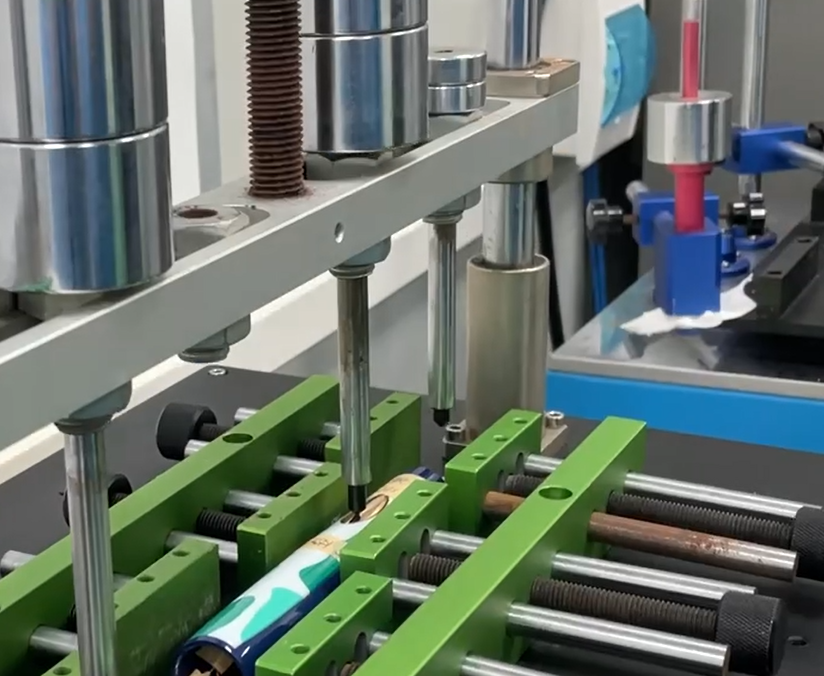
Pad printing technology uses a silicone pad to transfer ink from an etched plate onto the product surface. This flexible pad adapts to curved and textured shapes, making it an excellent choice for the electric toothbrush factory dealing with ergonomic designs.
Advantages:
Superior detail for multi-color pattern printing
Excellent for gradient colors and fine lines
Suitable for complex, uneven, or recessed areas
The process also allows for quicker color registration and higher resolution in small print areas, which is a growing need in premium oral care device customization.
Multi-Color & Gradient Print Capabilities: Which Method Excels?
When evaluating multi-color pattern printing and gradient applications:
Screen printing handles solid fills and strong contrasts better, but struggles with tonal transitions.
Pad printing excels in gradient color reproduction, image depth, and full-color branding.
For complex artistic designs, especially those intended to elevate the premium feel of an electric toothbrush, pad printing technology provides more flexibility and better visual results.
Ink Adhesion Test: Ensuring Durability Under Real-World Use
Both printing methods require strict ink adhesion tests to ensure longevity on plastic substrates often used in toothbrush handles (e.g., ABS, PP, PC).
Key testing methods include:
Tape test (ASTM D3359)
Chemical resistance (mouthwash, toothpaste)
UV and abrasion exposure
In general:
Screen printing offers better ink thickness, which may provide enhanced resistance on flat areas.
Pad printing adhesion varies based on ink type and surface prep, but can match screen printing with the right parameters.
Therefore, an electric toothbrush factory should consider post-print curing techniques like UV treatment or solvent bonding to optimize durability.
Conclusion: Which Method Should You Choose?
The choice between screen printing and pad printing ultimately depends on your product design goals and surface geometry.
| Requirement | Best Choice |
| Bold, simple logos | Screen Printing |
| Gradient or fine detail | Pad Printing |
| Uneven/curved surfaces | Pad Printing |
| Cost-effective high volume | Screen Printing |
| Premium branding | Pad Printing |
In summary, if your product requires high-definition artwork, multi-color pattern printing, or gradient effects, pad printing technology is the more versatile and precise option. However, for basic branding or two-tone prints with high durability, the electric toothbrush screen printing process remains a reliable and cost-effective solution.
At our electric toothbrush factory, we offer both technologies and assist partners in selecting the most suitable method through real-time testing, prototyping, and comprehensive ink adhesion tests. Contact us to start your next personalized oral care project. https://www.powsmart.com/
.jpg)
