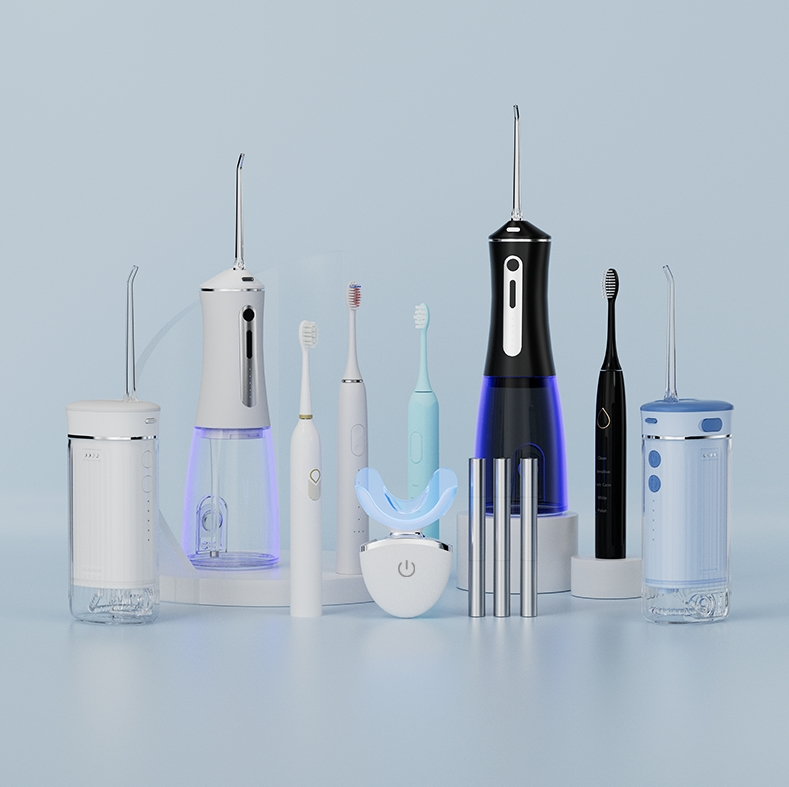
While most people focus on choosing the right toothpaste or mouthwash, the true foundation of oral hygiene lies in the most effective toothbrush technique. No matter how advanced the toothbrush design is, the way users brush their teeth ultimately determines cleaning performance. Studies have shown that proper brushing technique can reduce plaque buildup by up to 50% more effectively than casual brushing.
Among various brushing methods, the Bass method remains one of the most recommended by dental professionals worldwide. This technique involves placing the toothbrush bristles at a 45-degree angle to the gum line and using small, gentle circular motions. The Bass method effectively cleans the gum margin, where most bacteria and plaque accumulate. For brands and product developers, understanding this method is essential because it directly impacts how brush heads and bristles should be designed.
An effective brush design should guide users naturally toward correct brushing habits. This is where OEM brush design plays a critical role. Manufacturers can optimize the handle ergonomics, bristle arrangement, and brush head flexibility to support the Bass method or similar effective techniques. For example:
Angled brush heads help maintain the 45-degree brushing angle.
Soft, tapered bristles allow for deep cleaning along the gum line without irritation.
Grip-enhanced handles give better control for gentle, precise movement.
These design elements can significantly enhance the overall cleaning performance, making brushing more intuitive and efficient for the user.
When partnering with an experienced OEM toothbrush manufacturer, brands gain access to advanced materials and production technologies that improve cleaning results and comfort. Modern innovations—such as antibacterial bristles, smart brush sensors, and flexible necks—can elevate a product’s effectiveness while reinforcing proper technique. The synergy between design innovation and scientific brushing principles like the Bass method ensures that users not only clean better but also protect their gums and enamel.
No toothbrush design is complete without testing. Brands should work closely with OEM partners to validate cleaning performance through clinical or lab-based plaque removal studies. Testing different bristle densities, head shapes, and vibration patterns (for electric brushes) can reveal how effectively a design supports proper brushing methods.
The key to better oral health lies in merging science-backed brushing techniques with thoughtful design. By understanding what makes an effective toothbrush technique. Especially the Bass method—and applying those insights through smart OEM brush design, brands can create products that truly make a difference. In today’s competitive oral care market, aligning brushing technique and design innovation is the formula for superior cleaning performance and long-term customer satisfaction.

Why Do Some Electric Toothbrush Make a Lot of Noise?
.jpg)
Washington Hygienist Recommended Toothbrush Distributor
How Can Oral Care Enterprises Rise Rapidly by Leveraging Factory Resources?
Dual-Mode Sonic Toothbrush Supplier
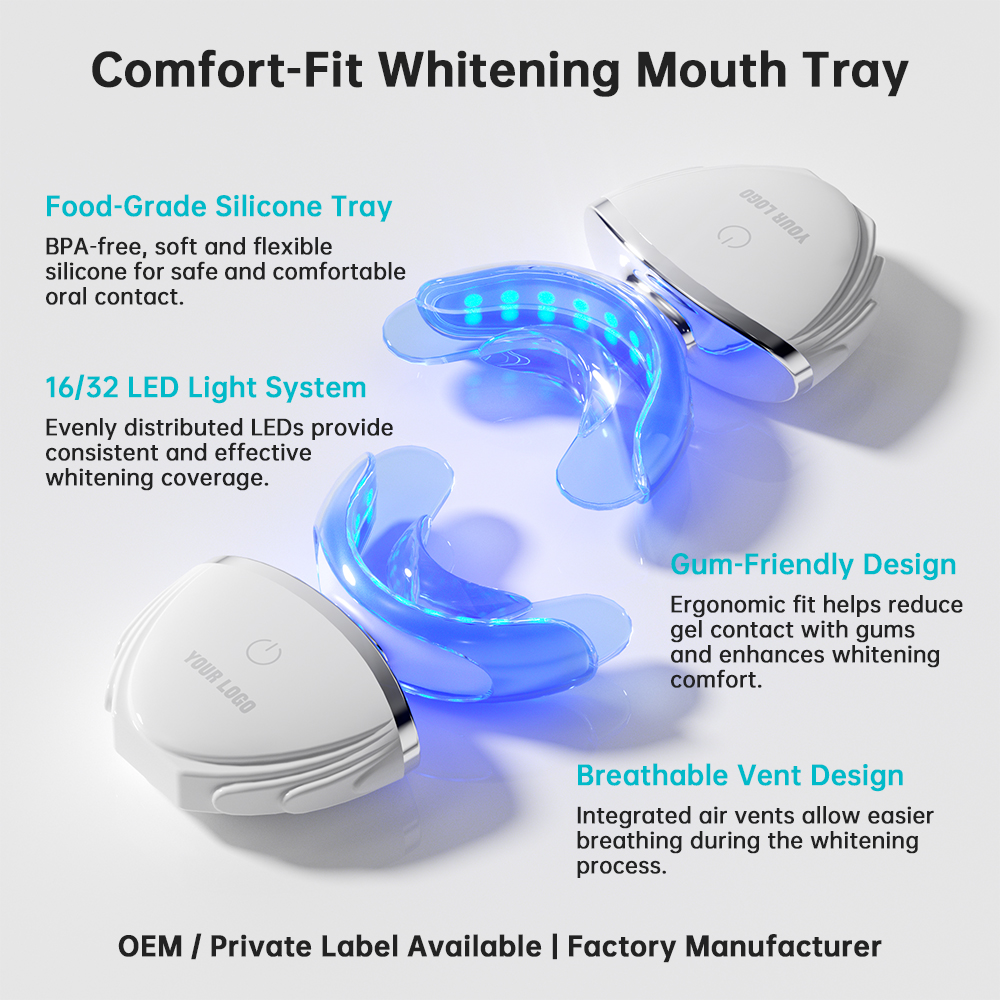
Need a Custom Whitening Tray for a Gentle Sensitive Teeth Formula?

The Advantages of Cooperating with Competitive Factories for the Growth and Expansion of Brand Owners
.jpg)
Why Don’t Dentists Recommend Floss Picks? Insights for Oral Care Brands
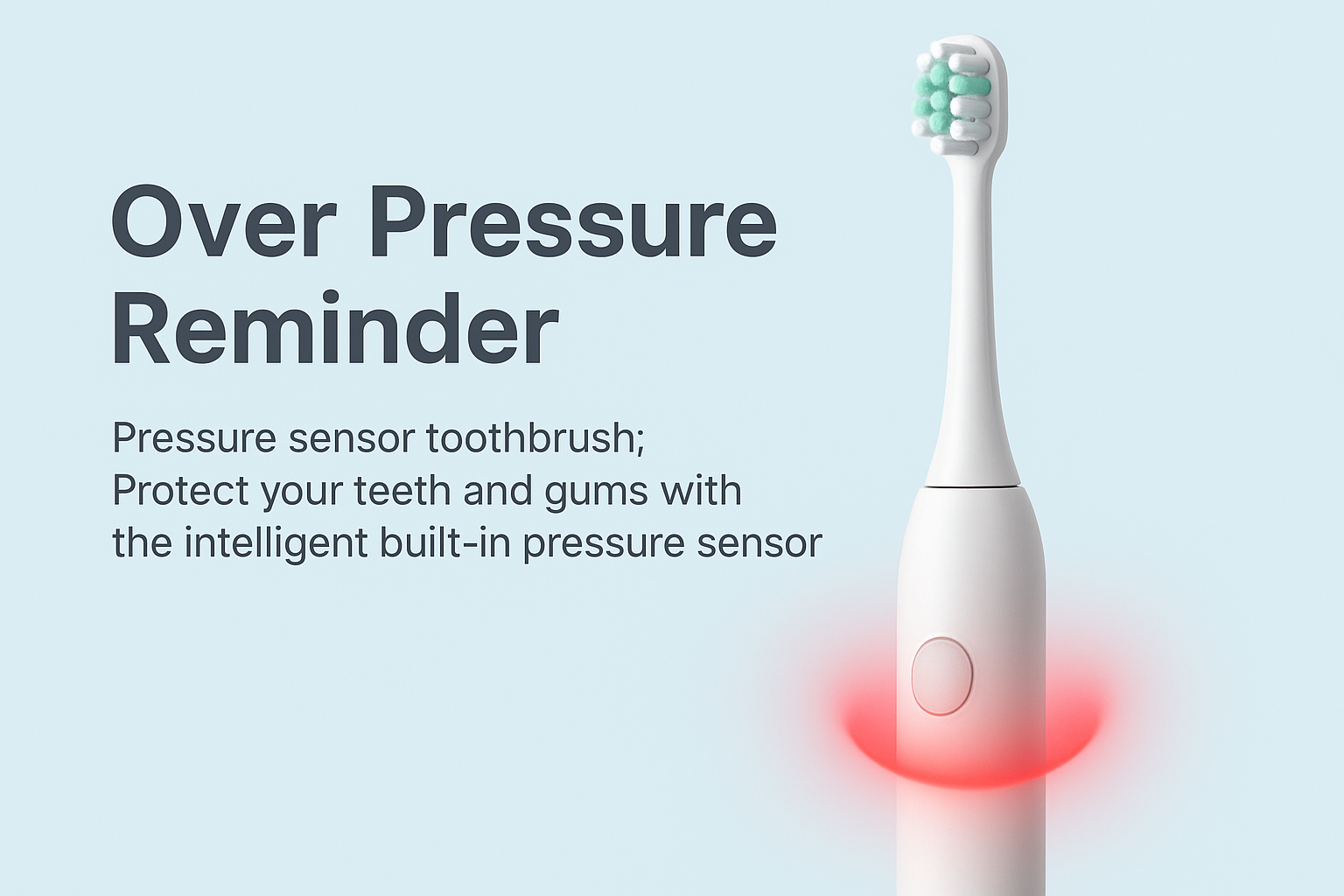
Does Your PCB Assembly Service Integrate Seamlessly with a Waterproof IPX7 Solution for Durable Oral Care Devices?
-1-scaled.png)
Why Invest in Teeth Whitening Equipment from a Professional Whitening Kit Manufacturer?
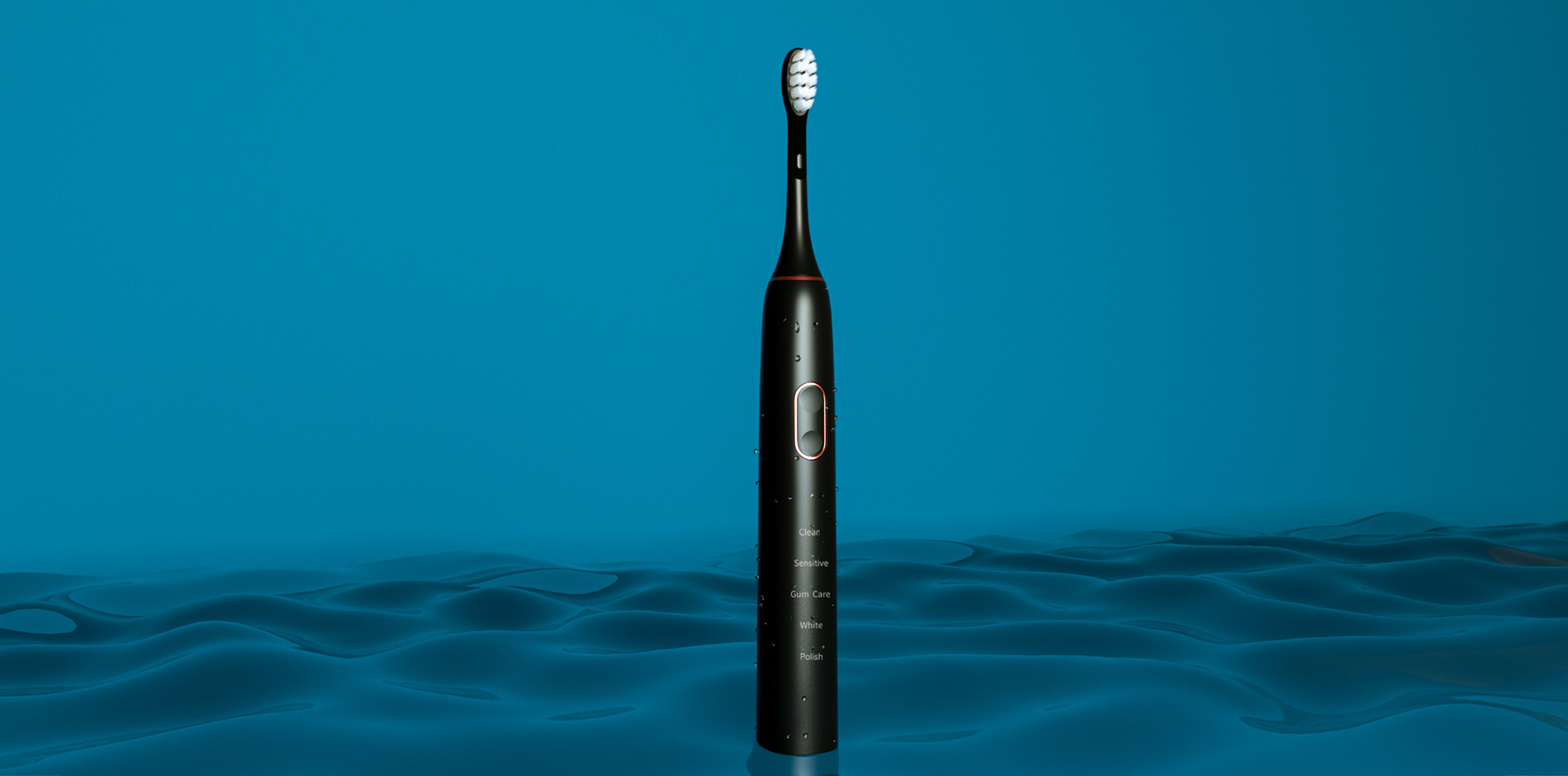
The Impact of Color Matching in Electric Toothbrushes on Perceived Quality
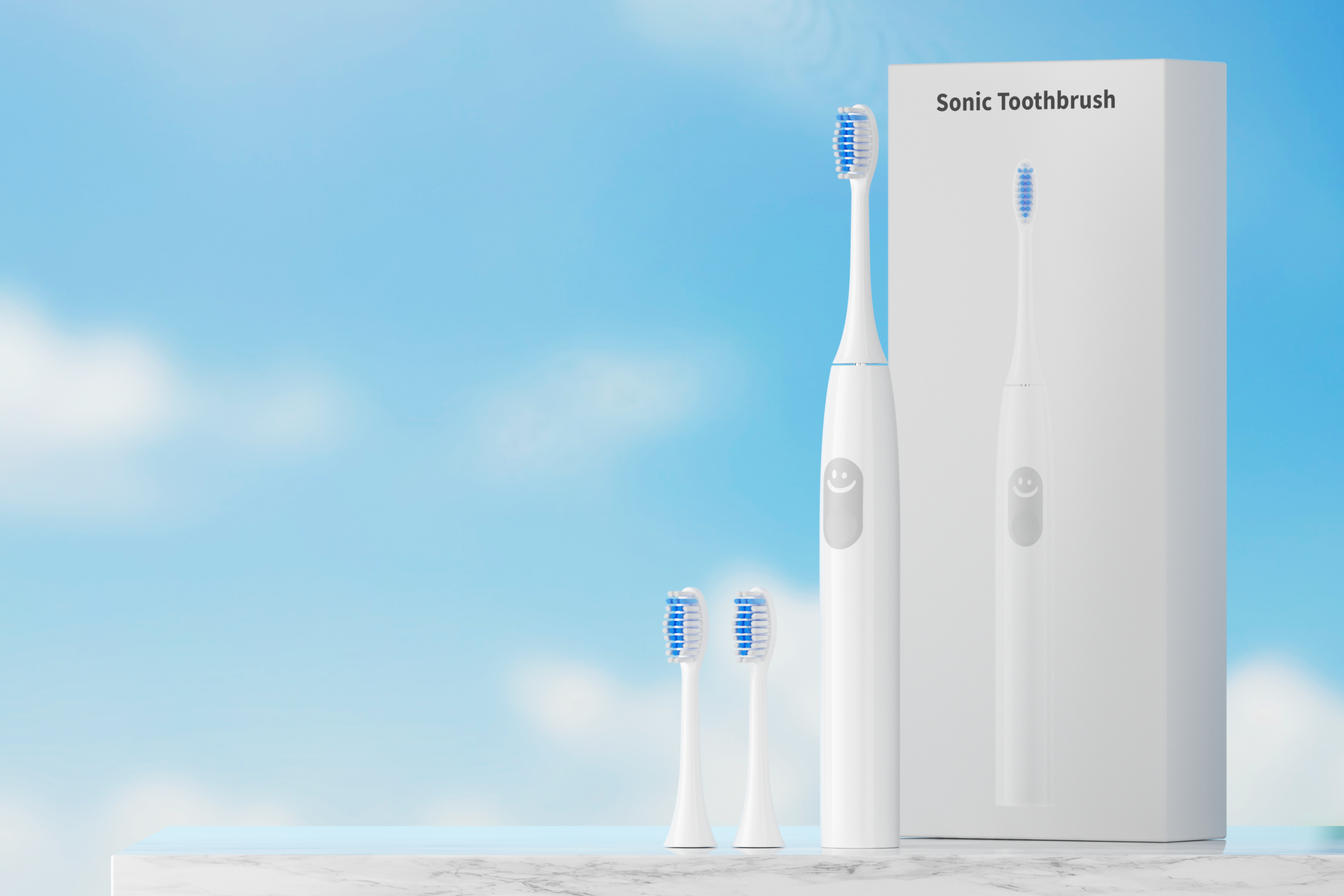
Recyclable Electric Toothbrushes: The Future of Sustainable Oral Care
New Year Resolution for Better Oral Health: OEM Product Planning
Electric Toothbrush Gujarat | Modern Family Care
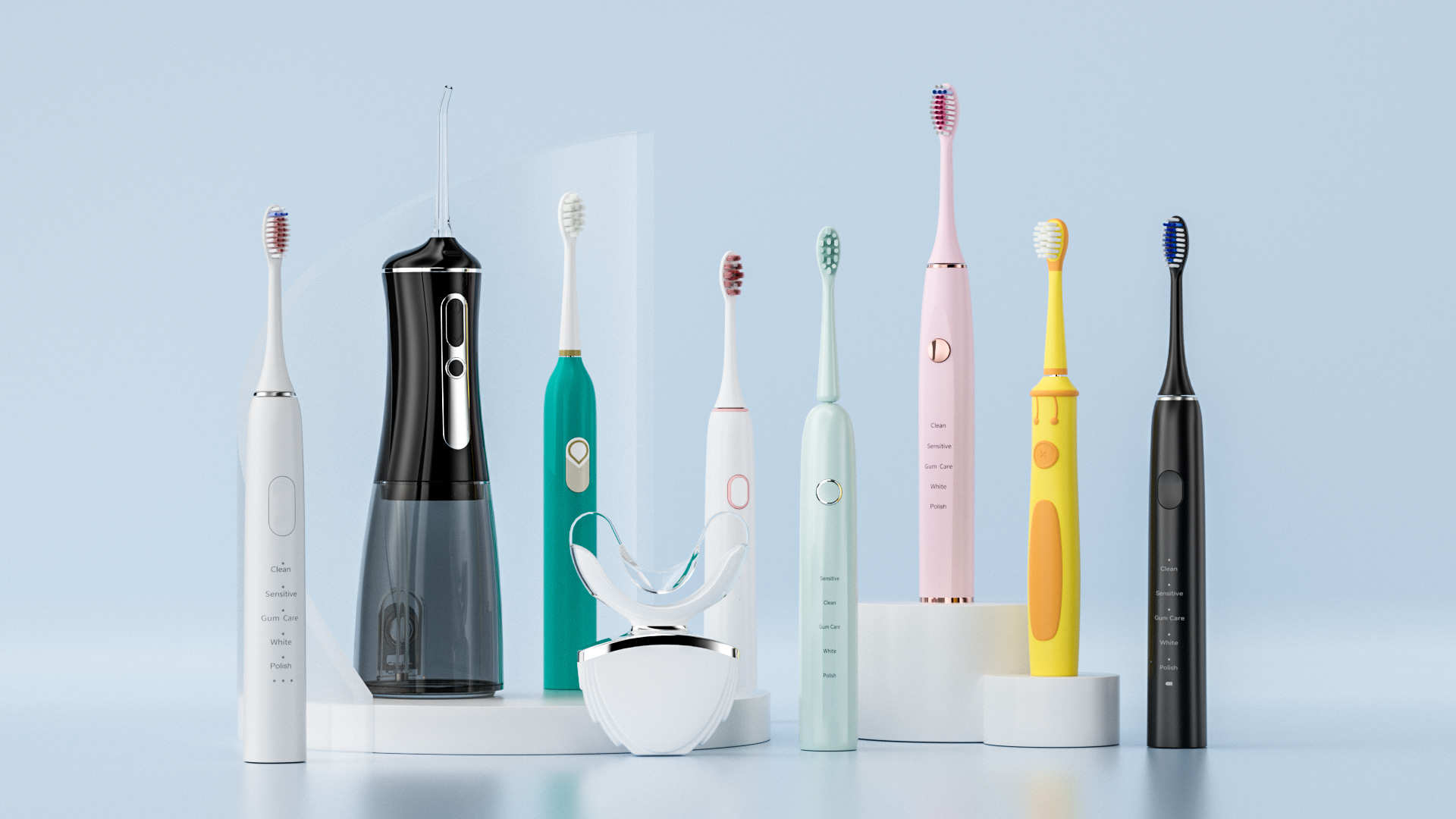
Sonic Toothbrush and Internationally Certified
Battery Overheating Inducing Ear Discomfort – Dangerous?
Electric Toothbrush Subscription Service OEM | Recurring Revenue Model for Oral Care Brands


.jpg)
.jpg)
.jpg)
.jpg)
.jpg)