In recent years, water flossers in Europe have shifted from a niche dental accessory to a mainstream oral care essential. With European consumers becoming increasingly health-conscious, the demand for advanced, convenient, and eco-friendly dental products continues to rise. From Germany to France and the UK, retailers and online marketplaces are seeing a consistent upward trend in sales of electric oral irrigators.
For brands planning to enter this space, understanding the regional differences in consumer preferences—such as compact design for small bathrooms or quieter motors—is crucial. This insight helps shape product design and marketing strategy to align with local expectations.
When evaluating European market prices, it’s clear that there’s significant variation between countries. In Western Europe, the average retail price for water flossers typically ranges between €50–€150, depending on the brand reputation, technology (cordless vs. countertop), and features like adjustable pressure settings or UV sterilization.
Eastern European markets, on the other hand, are more price-sensitive, often favoring mid-range or OEM private-label models under €60.
For brand owners, knowing the regional pricing dynamics helps position products correctly and avoid being priced out of local competition. Conducting competitive benchmarking across marketplaces such as Amazon EU, Carrefour, and MediaMarkt can provide valuable insights into pricing tiers.
When working with European distributors or OEM manufacturers, understanding OEM warranty terms is essential. Most European regulations require a minimum 2-year warranty on consumer electronics, including water flossers. However, the specifics can vary depending on whether the device is sold under your own brand or as an OEM/private-label product.
Before finalizing a manufacturing agreement, brands should review:
The scope of the warranty coverage (e.g., parts, labor, or full replacement).
The process for product returns or replacements within the EU.
Certifications required (CE, RoHS, REACH) to comply with European Union regulations.
Collaborating with a factory experienced in exporting to Europe can simplify the certification process and ensure compliance from the start.
Breaking into the European oral care market can be challenging—but rewarding. Here are a few market entry tips for brands considering this move:
Partner with a local distributor: Local partners understand logistics, regulations, and consumer behavior better than anyone.
Start with online sales: Platforms like Amazon EU and eBay Europe allow quick entry with manageable costs and measurable feedback.
Leverage influencers and dentists: European consumers trust clinical endorsements and real-life testimonials.
Localize your packaging and marketing: Multilingual labeling (especially English, German, French, Italian, and Spanish) is essential for compliance and consumer trust.
These tactics can help establish credibility and build a loyal customer base faster.
For brands without their own production facilities, finding a reliable OEM manufacturer is critical. When sourcing factories in Asia or within Europe, look for suppliers that:
Have existing export experience to EU countries.
Offer flexible customization options (branding, packaging, and accessories).
Provide strong after-sales support aligned with European warranty expectations.
It’s advisable to visit factories personally or request third-party audits to ensure production quality and compliance with EU standards.
The European water flosser market presents vast opportunities for both established and emerging brands. However, success depends on understanding European market prices, complying with OEM warranty terms, and strategically planning entry steps that align with local market expectations.
By combining strong partnerships with localized branding and compliance awareness, your company can confidently expand into Europe’s growing oral care sector—where innovation, trust, and quality are the keys to long-term success.
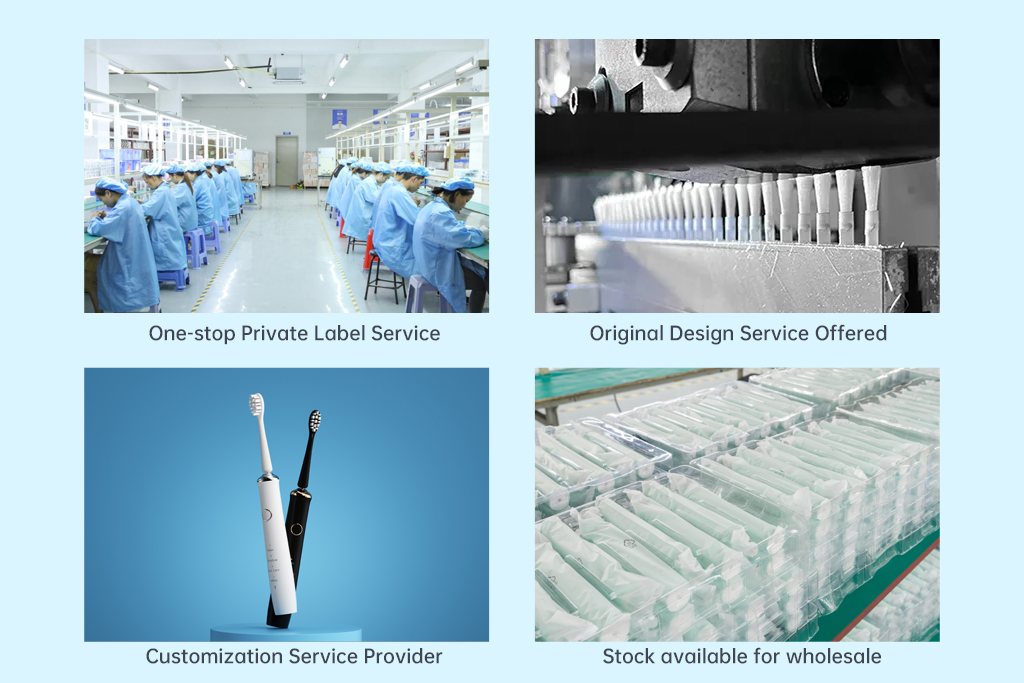
How to Find an Electric Toothbrush Factory with Strong Comprehensive Capabilities
.jpg)
What Methods Can Be Adopted in Increasing the Sales of Water Flossers?
The relationship between oral health and overall health
.jpg)
Why is Sonic technology essential for a Kids toothbrush?
.jpg)
Can a Teeth Whitening Kit OEM Integrate with a Reliable Whitening Gel Supplier for Consistent Results?

How do Hydro-dynamic Bearings Optimize Flow Channel Geometry in High-Performance Water Flossers?
.jpg)
Can Sustainable Water Flosser Material Sourcing Enhance Water Flosser Design Services?
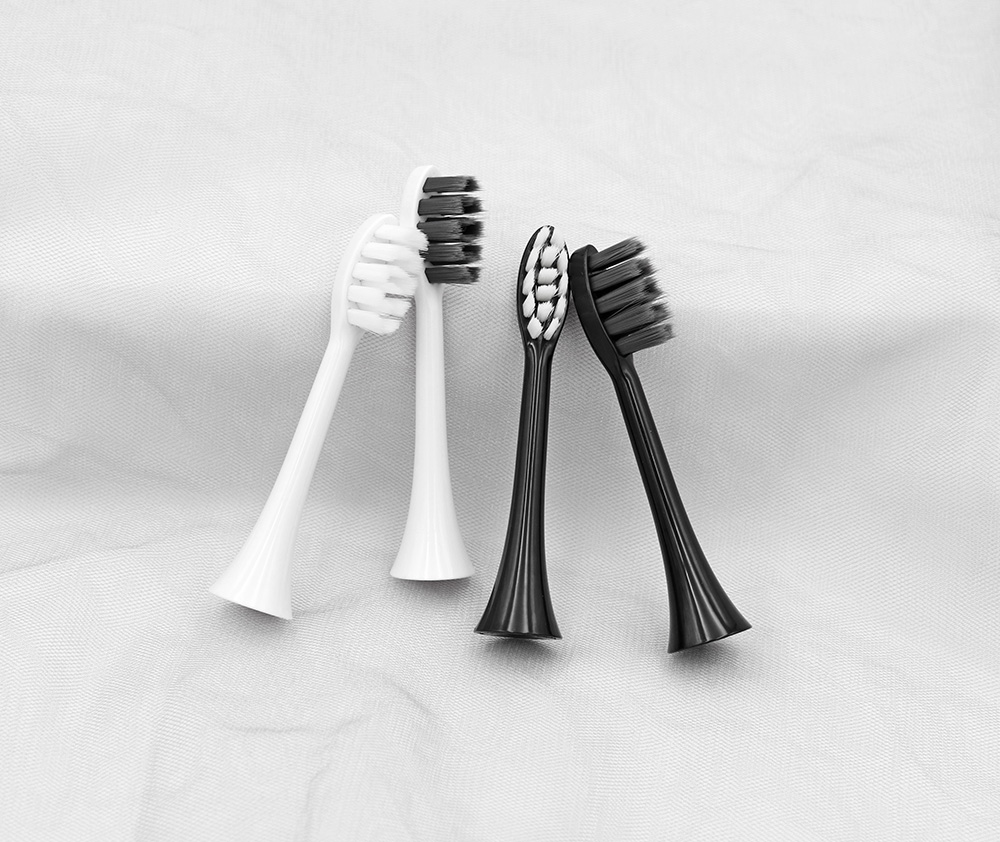
Electric Toothbrush Manufacturers Tell You the Truth About Charcoal Toothbrush Heads
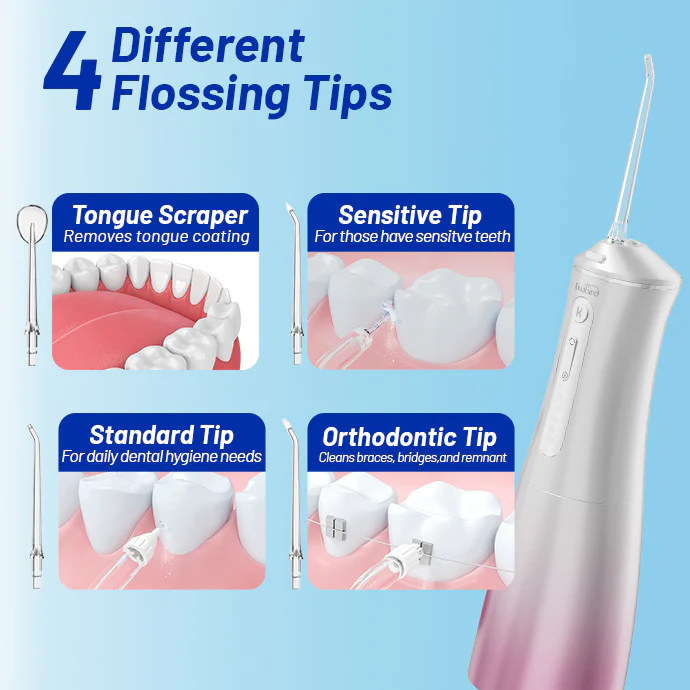
How Does Bulk Toothbrush Heads Wholesale Benefit from Innovative Electric Toothbrush Mold Design?

Four Core Factors Brand Owners Must Pay Attention to When Choosing Competitive Water Flossers
Technological Innovation and Cost Control Strategies for Electric Toothbrush Factories
.jpg)
Silicone Electric Toothbrush | Soft Bristles & Gentle Deep Cleaning OEM
Multi-Mode Sonic Toothbrush for OEM Buyers | Advanced Cleaning Modes & Customizable Designs
adult sonic toothbrush wholesale | High-Performance Sonic Toothbrush Bulk Supply
Electric Toothbrush Ecommerce Bundle Wholesale | Complete Oral Care Sets
Recyclable Packaging Toothbrush Supplier | Eco-Friendly Oral Care


.jpg)
.jpg)
.jpg)
.jpg)
.jpg)






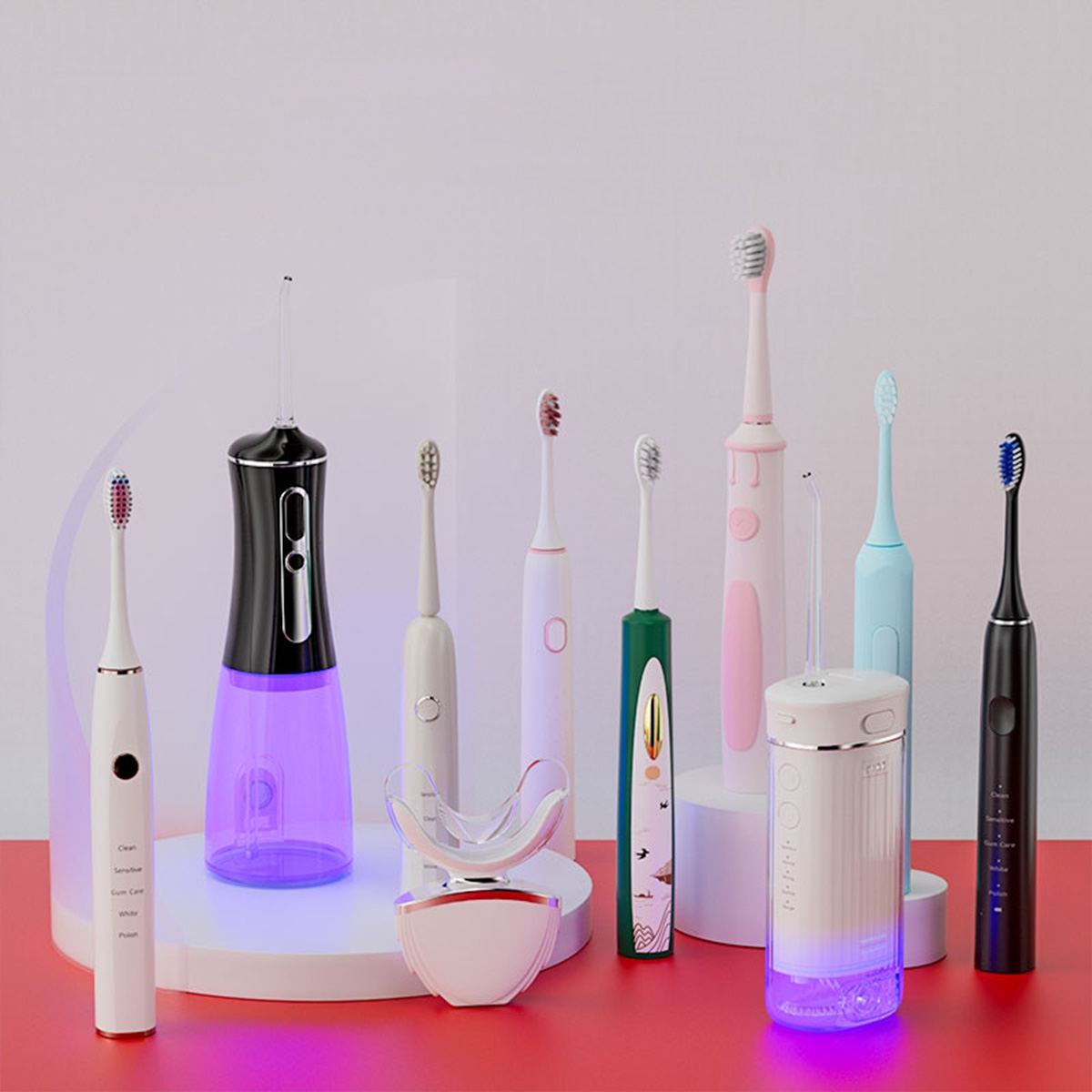
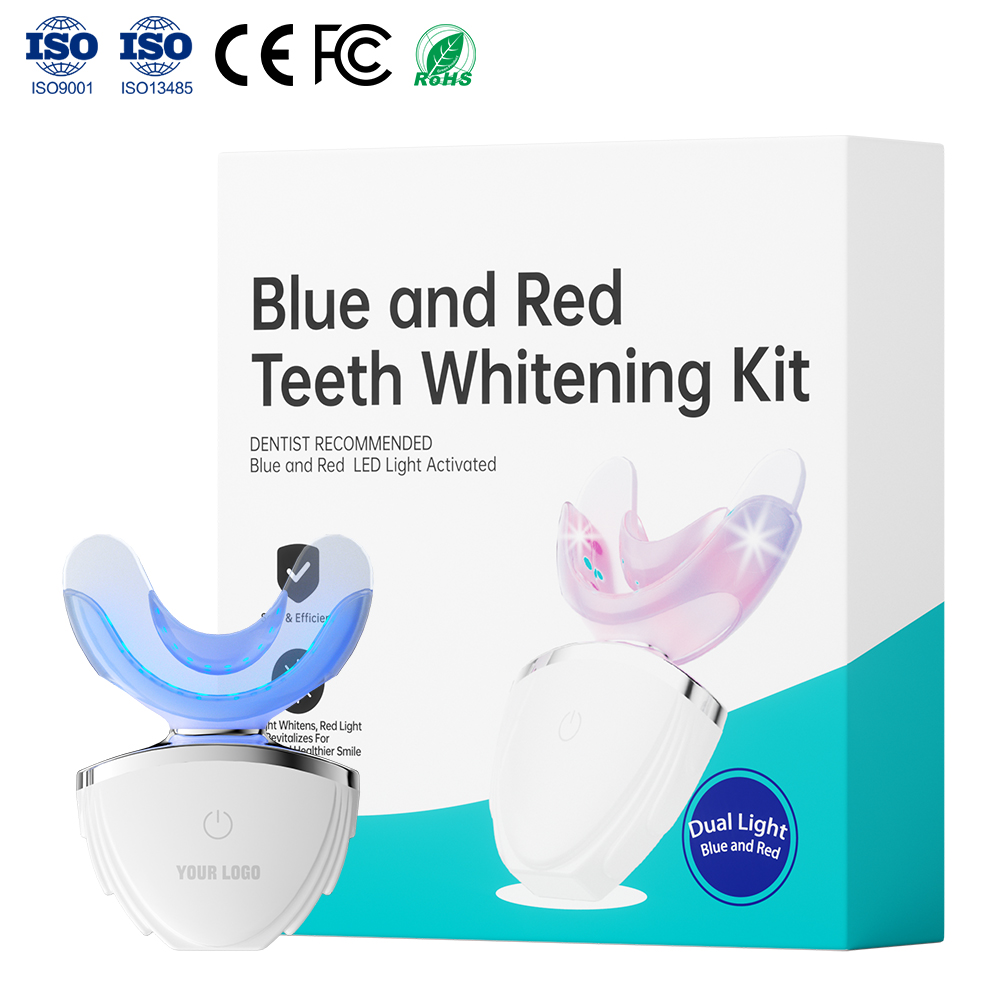
.jpg)