As consumers become more concerned about safety in cosmetic and oral care devices, many manufacturers are highlighting UVA-Free Technology as a key product advantage. This feature is commonly used in whitening devices that rely on alternative light sources instead of ultraviolet radiation. However, promoting UVA-Free Technology alone is not always sufficient to demonstrate product safety. To support safety claims and ensure compatibility with oral tissues, manufacturers often need to conduct a Device Biocompatibility Test. Together, UVA-Free Technology and proper Device Biocompatibility Test procedures help build trust and ensure compliance in the oral care device industry.
UVA-Free Technology is designed to eliminate exposure to ultraviolet A radiation, which may raise safety concerns in cosmetic or oral care treatments.
By removing UVA emission from the device, manufacturers can offer a whitening solution that focuses on safer light activation methods while still delivering effective performance.
Even when a device uses UVA-Free Technology, it still comes into contact with the mouth or skin. Therefore, the materials used in the device must be evaluated for biological safety.
A Device Biocompatibility Test assesses whether materials used in the product could cause irritation, toxicity, or allergic reactions during normal use.
When companies promote UVA-Free, consumers and regulatory authorities often expect additional evidence of safety.
Completing a Device Biocompatibility Test helps support these claims by verifying that the device materials are safe for contact with oral tissues or skin.
Many markets require oral care or cosmetic devices to undergo safety evaluation before entering the market.
Although UVA-Free Technology reduces certain risks, regulatory frameworks may still require a Device Biocompatibility Test to ensure the entire product system meets applicable safety guidelines.
Dentists, distributors, and consumers increasingly prioritize safety when selecting whitening products. Highlighting UVA-Free can be a strong marketing point, but it becomes more credible when supported by verified testing.
A completed Device Biocompatibility Test demonstrates that the device has been carefully evaluated for safe use.
For OEM and ODM manufacturers, combining UVA-Free with proper Device Biocompatibility Test procedures helps ensure consistent product quality.
This approach strengthens brand reputation and helps partners confidently introduce new whitening devices into global markets.
While UVA-Free offers an important safety advantage in modern whitening devices, it should ideally supported by comprehensive safety evaluation. Conducting a Device Biocompatibility Test ensures that all materials used in the device are safe for contact with users. By combining UVA-Free Technology with verified Device Biocompatibility Test results, manufacturers can provide safer, more reliable whitening solutions and build stronger confidence among consumers and industry partners. Contact us
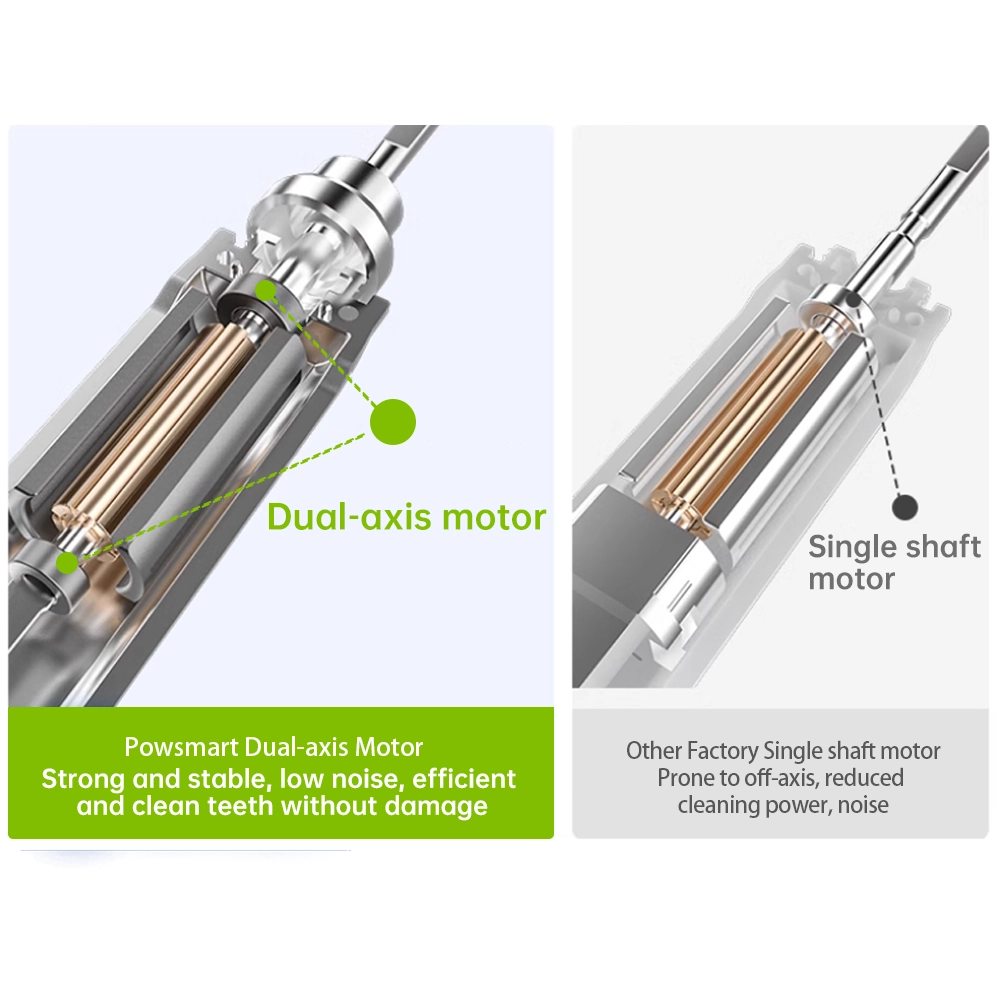
The Science Behind Sonic Toothbrush Motors

How Changing Consumer Attitudes Are Shaping Oral Care Product Demand

Retail Merchandising Tactics for Oral Care Products: Strategies for Brands Seeking Manufacturing Partners
.jpg)
Electric Toothbrush Packaging Compliance for Global Markets
Long Battery Life Toothbrush Wholesale Supply for Global Importers
How Brands Can Expand Oral Care Line with Competitive Water Flossers
.jpg)
How Does a Water Flosser OEM Implement Quiet Flosser Technology for Home Use?
Rechargeable Electric Toothbrush Factory for OEM and ODM Production
What Are the Mandatory Certifications for the Sale of Dental Electronic Products in EU Countries?
Electric Toothbrush Charging Best Practices: Maximize Battery Life
.jpg)
How Does Water Flosser Cordless Design Impact Battery Life Optimization?
Dual-Motor Electric Toothbrush OEM Solutions for Premium Oral Care Brands
Private Label Electric Toothbrush Solutions for Global Oral Care Brands
Bulk Smart Toothbrushes for Dental Giveaway Programs in Washington
Is a Dentist approved Mumbai seal valid for an antibacterial brush head?
Stream Scattering and High Irritation Frustrating Users?


.jpg)
.jpg)
.jpg)
.jpg)
.jpg)