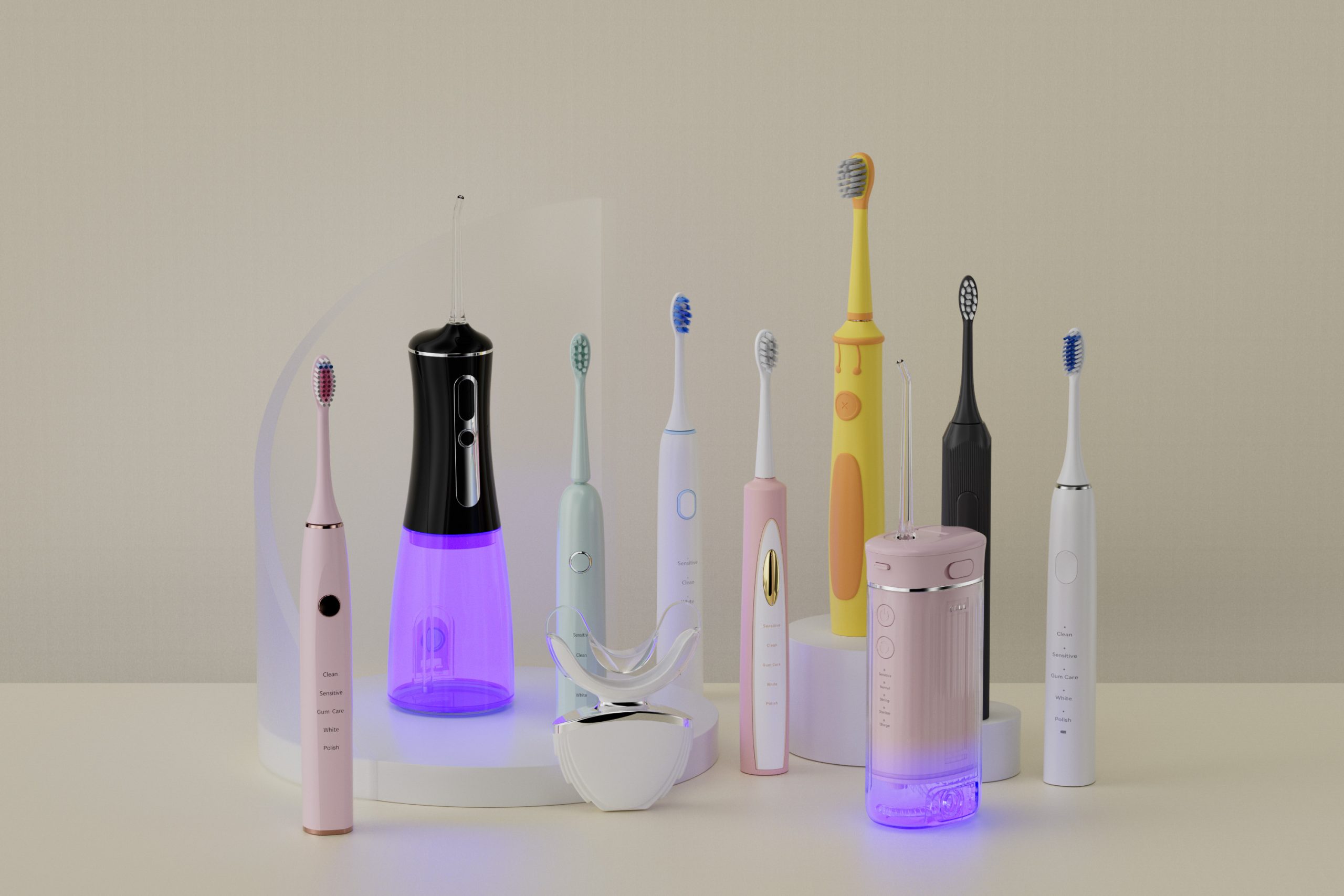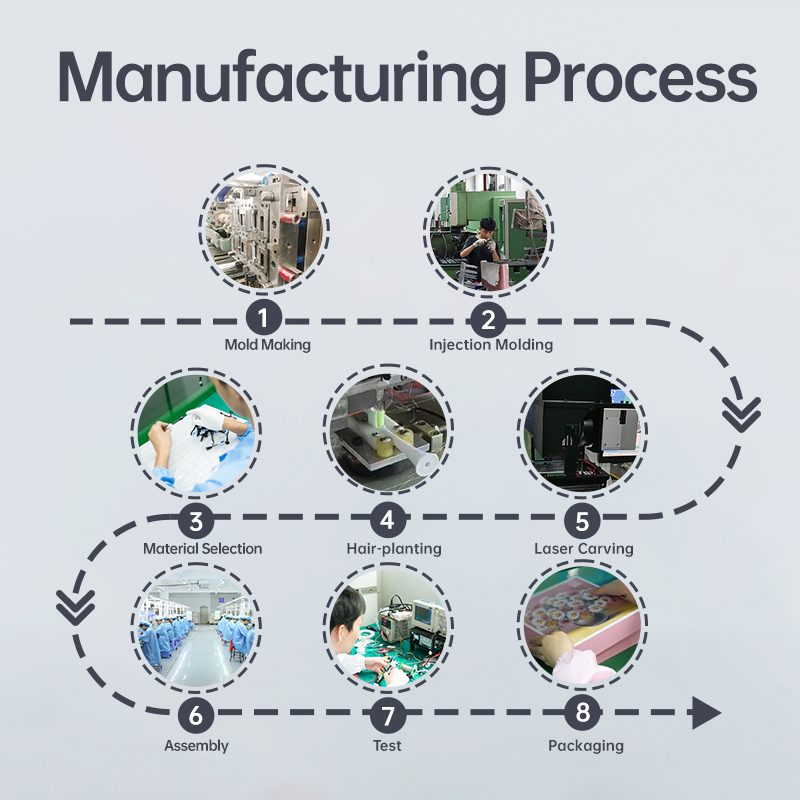
Adding a UV-based hygiene cycle to an electric-toothbrush ecosystem can turn a regular head into a Hygienic Brush that reassures consumers and clinics alike. However, delivering reliable UV Sanitization at scale requires more than a lamp in a lid — it requires optical engineering, safety interlocks, materials choices, validation protocols and clear claims. Below are six manufacturer-focused areas to design, test and commercialize a credible UV sanitization feature.
First, UV sanitization leverages germicidal UVC radiation (the 200–280 nm band) to inactivate microorganisms on surfaces by damaging nucleic acids. Consequently, a well-designed chamber reduces microbial load on a brush head after use, helping it function as a Hygienic Brush between sessions. Importantly, note the limits: UV does not mechanically remove debris or biofilm, and its effectiveness depends on line-of-sight exposure, dose (irradiance × time), distance, and head geometry. Therefore, UV should be positioned as a hygienic complement to—rather than a substitute for—mechanical cleaning and rinsing.
Next, engineering the optical system is central to consistent performance. Key levers include:
Moreover, UVC is energetic and can degrade some polymers and adhesives over time. As a result:
Critically, UVC is hazardous to eyes and skin, and some wavelengths can produce ozone. Therefore implement multiple engineering controls:
Furthermore, robust validation turns a feature into a credible selling point:
Finally, think through the product and business experience:
Conclusion:
When engineered holistically — optics, materials, safety, validation and UX — UV Sanitization can make a meaningful contribution to a consumer’s perception of a Hygienic Brush and reduce microbial carryover between uses. For B2B teams, the commercial win comes from pairing defensible, tested efficacy with robust safety design and clear, conservative messaging so clinicians, retailers and end users trust and reuse the feature. Contact us
.jpg)
.jpg)
.jpg)
Slippery Electric Toothbrush Handles and Faulty Pressure Sensors: Solving Compatibility Issues?
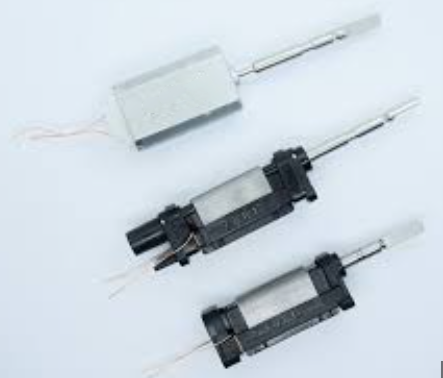
The Core Technology of Electric Toothbrush Production: Waterproof Technology and Motor Performance Analysis
Vibration-Controlled Toothbrush | OEM Sonic Brushes with Smart Pressure Regulation

How Long Does It Take for a Teeth Whitening Device to Show Results?
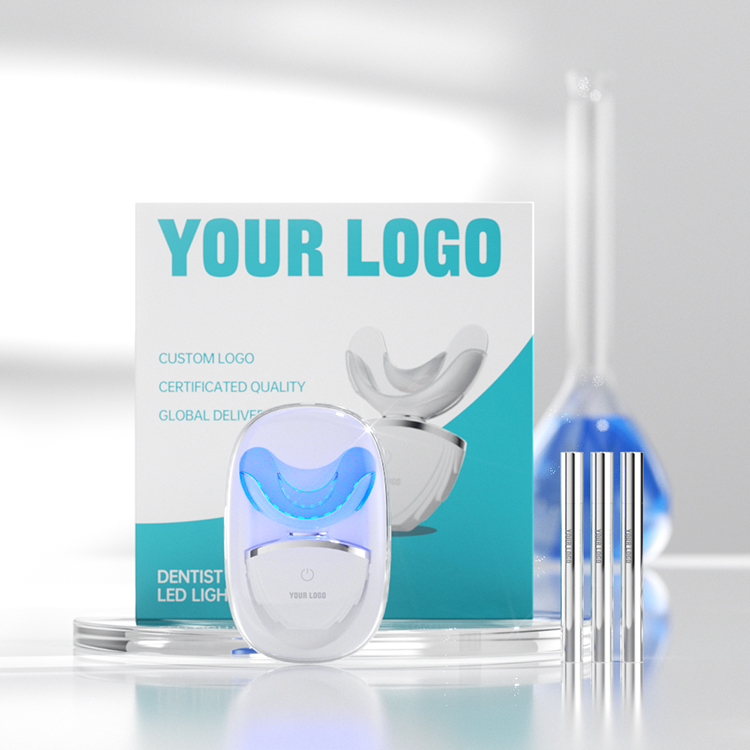
How does an Orthodontic Jet Tip improve Luminescence Efficiency in whitening devices?
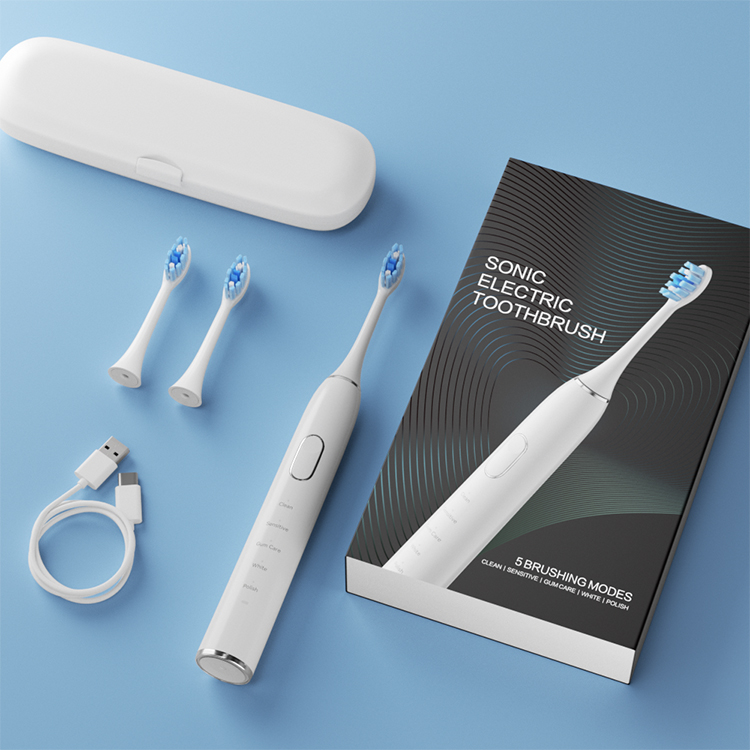
Need an OEM Electric Toothbrush with Comprehensive Custom Branding Service?
Dental-Grade Whitening Kit | Professional-Level Home Whitening
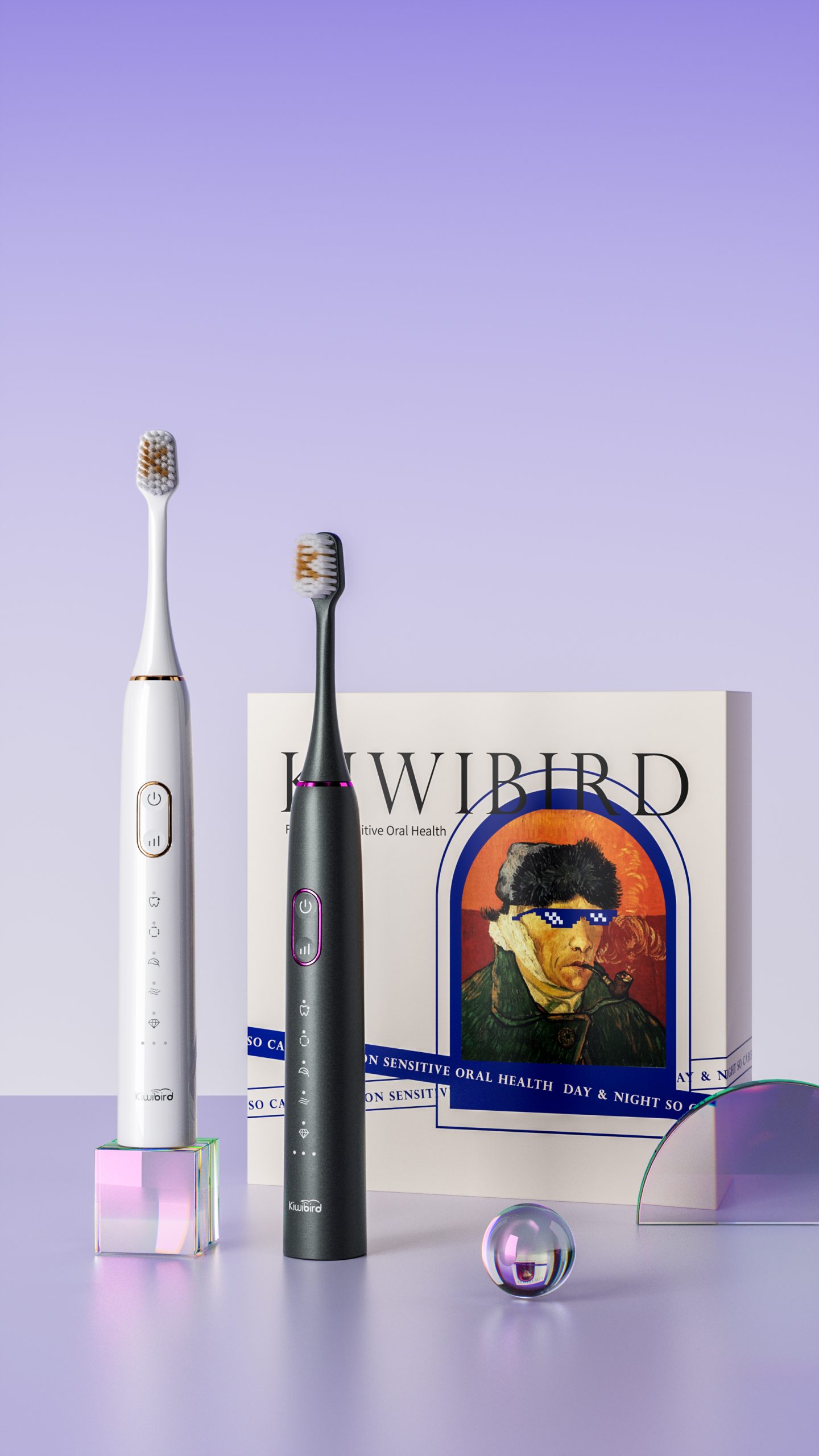
Why Combine Private Label Toothbrush Production with Toothbrush Replacement Heads Bulk for Recurring Revenue?
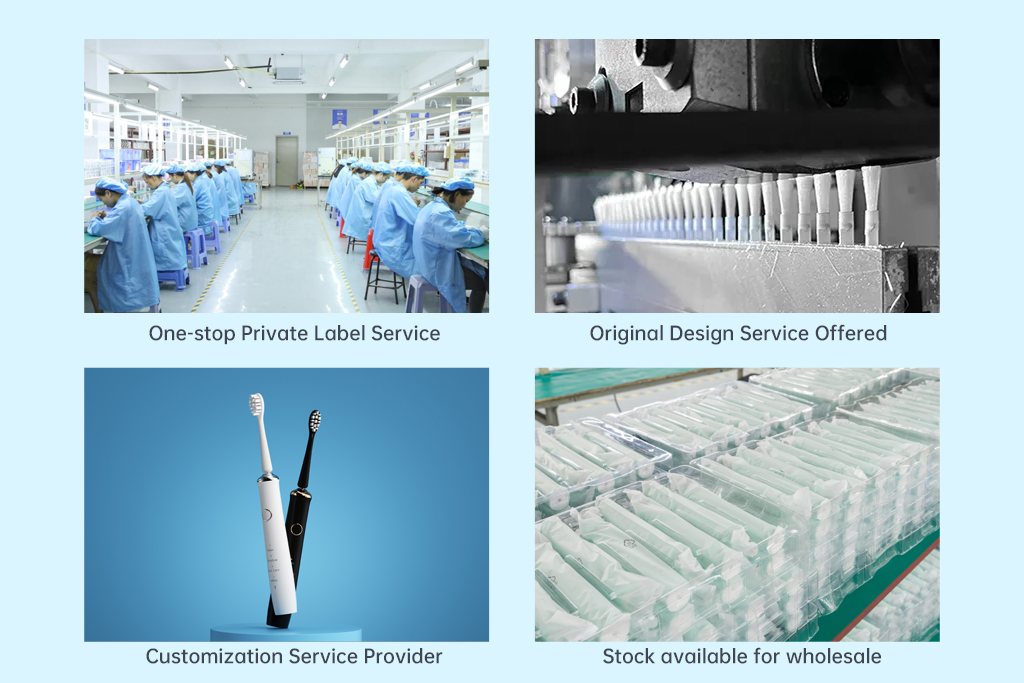
Technique Affecting Periodontal Pocket – How Deep Is the Impact?
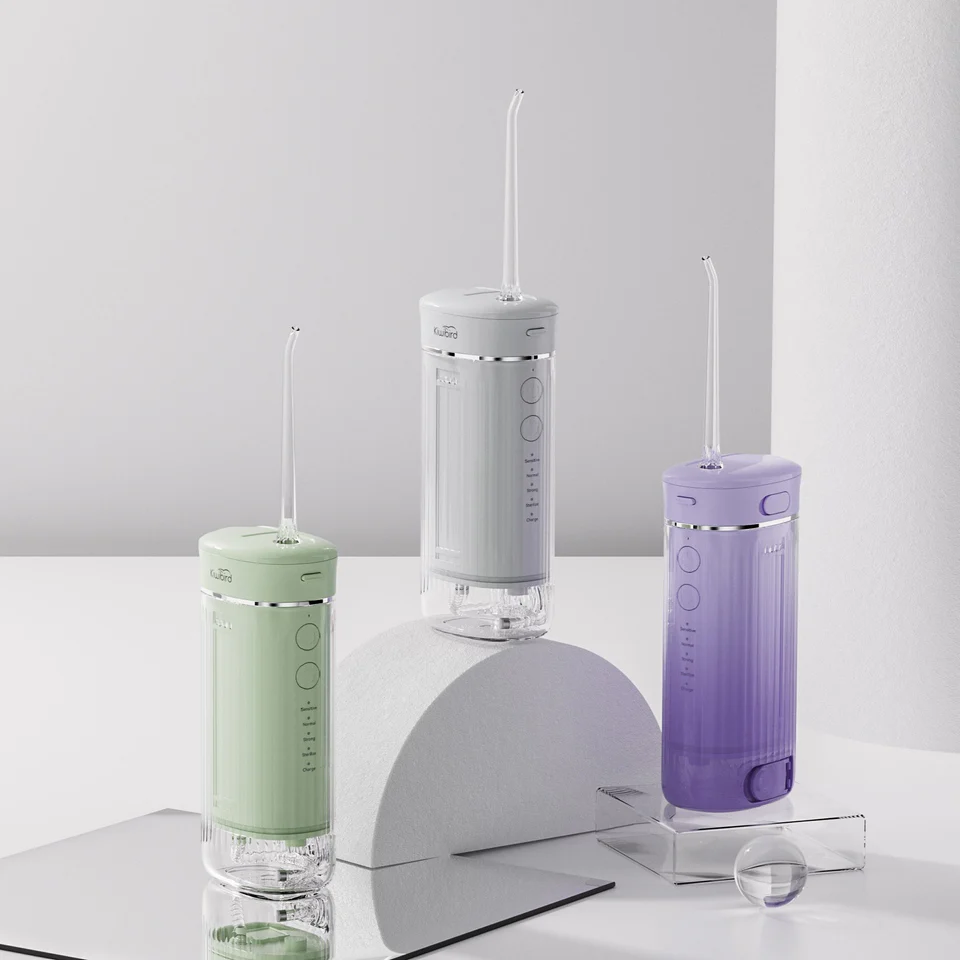
The Revolutionary Impact of Gravity Ball Design on Water Flosser Performance
How Can a Magnetic Levitation Motor Supplier Enhance Collaboration with an OEM Sonic Toothbrush Manufacturer?
Waterproof Sonic Toothbrush Exporter for Global B2B Distribution
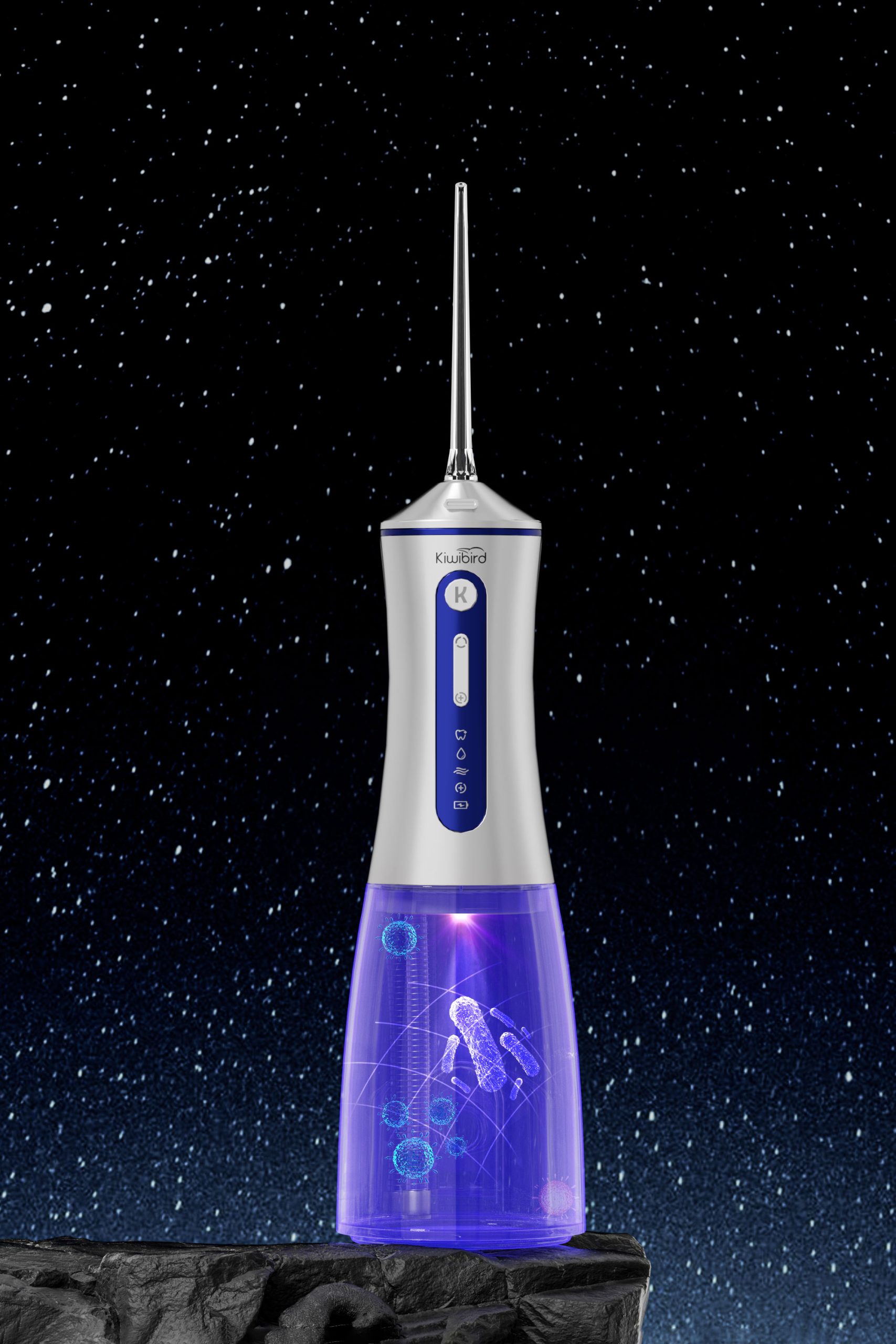
Why Does a Water Flosser Need a Sterilization Function?
Travel-Friendly Smart Toothbrush Supplier | Portable Oral Care Partner
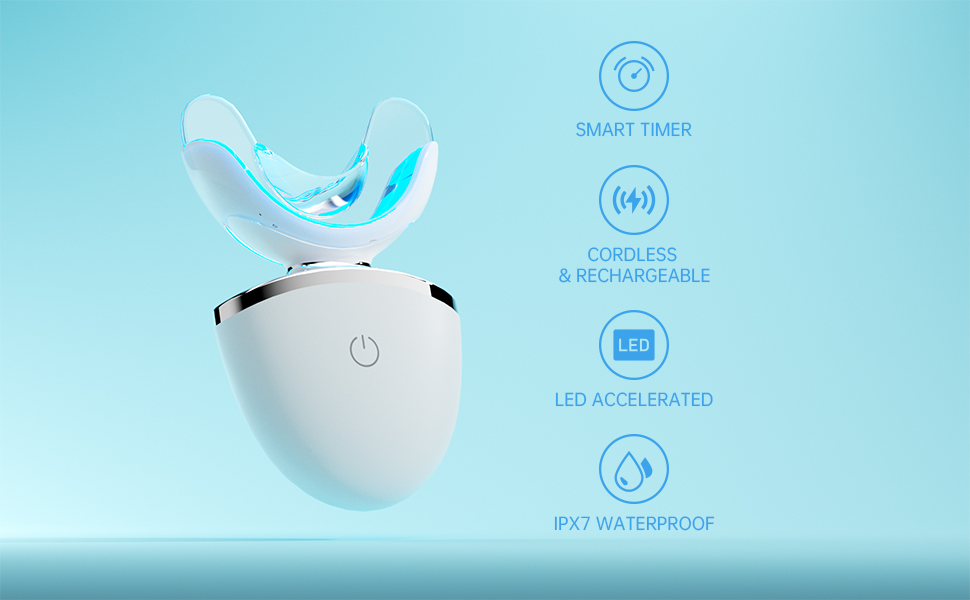
Three Tips on Starting Your Teeth Whitening Business with the Right OEM Partners
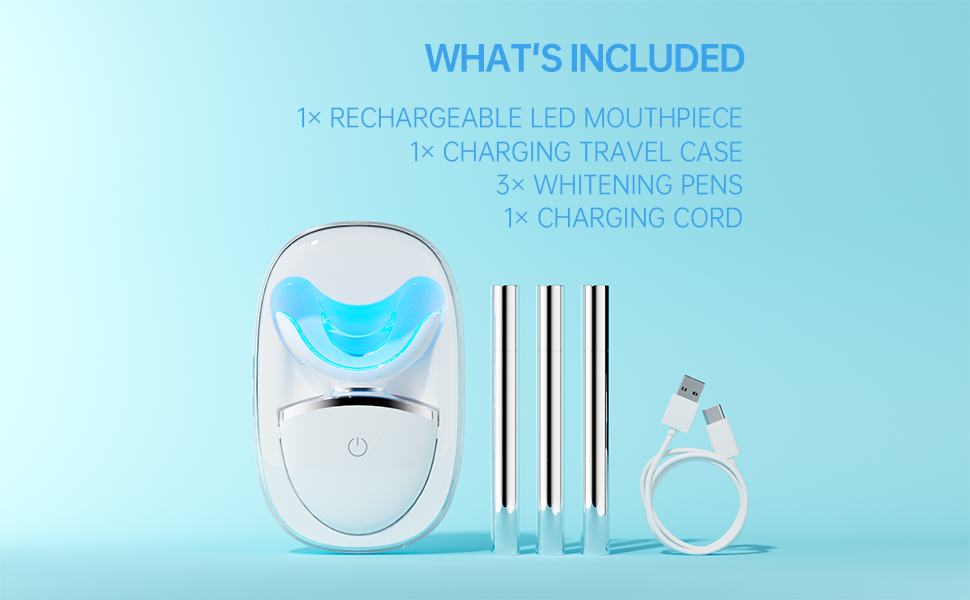
How Does an Apical Irrigation Tip Prevent Enamel Micro-abrasion During Root Canal Cleaning?


.jpg)
.jpg)
.jpg)
.jpg)
.jpg)






.jpg)