In fluid-driven oral care and medical devices, Turbine Impeller Design plays a critical role in pressure generation, flow stability, and overall system efficiency. As these components come into direct or indirect contact with water used for hygiene purposes, many manufacturers question whether Medical-grade Material should always be the standard choice. From a B2B manufacturing perspective, material selection directly influences safety compliance, durability, and global market acceptance.
When a Turbine Impeller Design operates within a water flosser or medical irrigation device, it interacts with water that may contact oral tissues. Using Medical-grade Material ensures low toxicity, minimal chemical leaching, and compliance with health-related standards.
This enhances:
Impellers are constantly exposed to moisture, mineral content, and sometimes disinfecting agents. Medical-grade Material typically offers superior resistance to corrosion, hydrolysis, and chemical degradation.
For Turbine Impeller Design, this results in:
Turbine Impeller Design involves high-speed rotation that generates hydraulic pressure. Material integrity is critical to prevent deformation, cracking, or imbalance. Medical-grade Material often provides enhanced mechanical strength and dimensional stability.
This ensures:
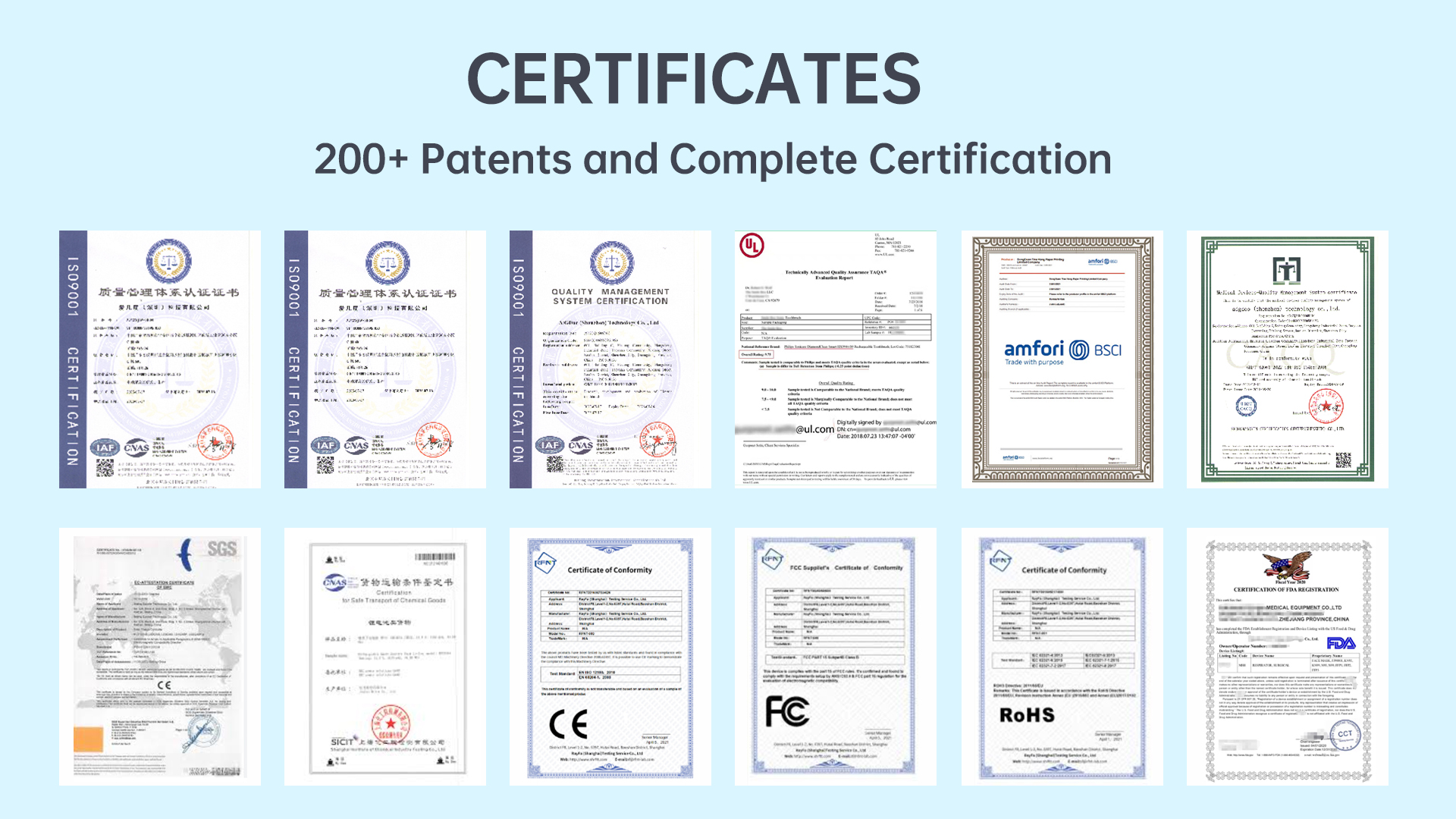
Many international markets require certification for water-contact components. Selecting Medical-grade Material simplifies documentation for FDA, LFGB, or other regional compliance standards.
For OEM/ODM manufacturers, integrating compliant materials into Turbine Impeller Design:
Certain Medical-grade Material options offer improved resistance to bacterial adhesion compared to standard industrial plastics. In high-humidity environments, this characteristic is particularly important.
Applied to Turbine Impeller Design, this advantage:
While Medical-grade Material provides clear safety benefits, it may increase material costs. Manufacturers must evaluate product positioning, target markets, and regulatory requirements when deciding whether it is mandatory for every Turbine Impeller Design.
In premium or healthcare-focused products, medical-grade selection is often justified. In cost-sensitive markets, risk assessment and compliance analysis should guide material decisions.
Should every Turbine Impeller utilize Medical-grade Material? In applications involving direct water contact and hygiene-sensitive environments, the answer is strongly yes. The advantages in safety, durability, regulatory compliance, and long-term reliability often outweigh the additional cost. Contact us

.jpg)
Why Choose an Orthodontic Water Flosser Featuring Multi-pressure Setting Flosser Capabilities?

Why Can’t Your Adapter Charge Your Electric Toothbrush?
Does Children’s Cavity Prevention Brush Have App Connectivity Flaws?
Electric Toothbrush Inspection and Quality Control in China
Need Reliable B2B Sonic Toothbrush Heads and a Cordless Water Flosser OEM Partner?
Can a Bangalore AI toothbrush boost your Efficient brushing tech routine?
The Environmental Impact of Electric Toothbrush Production
.jpg)
USB Charging Electric Toothbrush Supplier
Smart Light Electric Toothbrush Factory for ODM Projects

Manufacturing the Most Effective Home Teeth Whitening Products for Your Brand
Teeth Whitener Regulations in EU & US: Strategic OEM Manufacturing Insights
Grip Fatigue with Noise Pollution – Design Flaw?
Toothbrush Business Profitability: How OEM Partnerships Maximize Your ROI
How Can Federated Learning for Oral Health Improve Your Oral Health Digital Twin Models?
Should You Source from a Hose Connector Supplier and Water Filter Supplier Separately?
Sleep Apnea Oral Care Guide: Brush Features for CPAP Dry Mouth


.jpg)
.jpg)
.jpg)
.jpg)
.jpg)