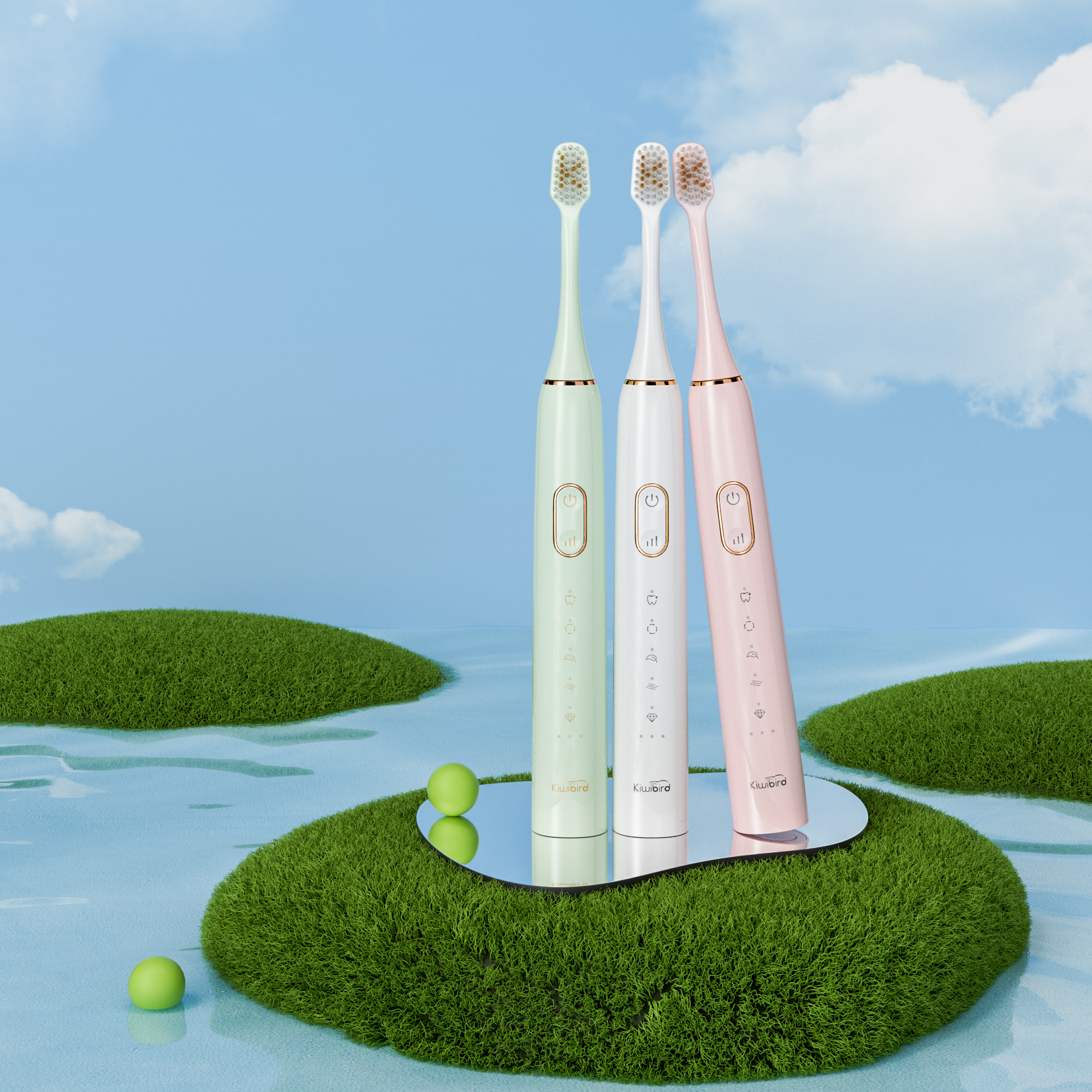
As global travel resumes and consumers become more health-conscious, the demand for travel-friendly water flosser has surged. Modern users are no longer satisfied with bulky home-only devices. Instead, they seek portable designs that match their on-the-go lifestyles—whether for business trips, vacations, or remote work. This shift reflects a broader personal care industry consumption upgrade, where convenience, smart features, and aesthetic appeal now matter as much as performance. From a brand’s point of view, this is a strategic opportunity—but only if the right oral care products factory can be found to turn concept into reality. Foldable Nozzles & Compact Structure: Innovation for Portability One of the most significant trends in portable design is the use of foldable or retractable nozzles. These minimize storage space, reduce leakage risk, and enhance user experience during travel. Some factories are already developing all-in-one compact models that collapse into palm-sized units, making them ideal for carry-on luggage or handbags. For brands looking to launch new SKUs, partnering with a factory that can provide engineering solutions for these foldable designs is essential. Globally Voltage-Compatible Solutions: A Must for International Markets Nothing frustrates international users more than incompatible charging systems. That’s why forward-thinking manufacturers are now integrating globally voltage-compatible solutions, allowing water flossers to operate…
When electric toothbrushes exhibit brush shedding—that is, filaments falling out prematurely—and simultaneous sensor failure, the problem may be deeper than just poor-quality materials. These two faults are often interconnected, and for B2B buyers sourcing private-label or OEM dental devices, the hidden risks behind such issues deserve close attention. This article explores six essential dimensions of this dual failure mode, and how manufacturers can proactively prevent it through better design, testing, and material selection. What Is Brush Shedding and Why Does It Matter? Brush shedding refers to the premature detachment of bristles from the brush head. In commercial-grade devices, shedding is more than a cosmetic or hygienic problem—it signals quality inconsistency, compromised bonding, or mechanical instability. Excessive shedding not only shortens product lifespan but can lead to consumer distrust, especially if loose filaments are swallowed or cause gum irritation. Furthermore, shedding can interfere with optical or pressure sensors inside the brush that rely on stable bristle density to gauge brushing force or angle. How Brush Shedding Leads to Sensor Malfunction The correlation between brush shedding and sensor failure lies in physical and signal disruption: Pressure Sensors: These sensors often rely on even force distribution through the bristles. As filaments fall out,…
In today’s rapidly evolving personal care industry, consumer expectations are shifting. With the ongoing consumption upgrade, high-end users now demand not only superior cleaning performance but also long-lasting battery life from their devices. This is especially true for the high-premium oral care products market, where convenience and reliability are essential. This article explores how long-endurance electric toothbrushes are becoming the new standard in the premium segment—and what role factories and manufacturers must play in meeting this demand. The Growing Demand for Long-Endurance Electric Toothbrushes Consumers are no longer satisfied with electric toothbrushes that require frequent recharging. Market research shows a strong preference for models that can operate for 30 to 90 days on a single charge. This trend is particularly significant in the high-premium oral care products market, where travelers, busy professionals, and tech-savvy users demand reliable, long-lasting performance. From a factory perspective, this shift represents both a challenge and an opportunity to differentiate through battery technology and innovation. Lithium Battery Capacity Options: Balancing Power and Form Factor One of the core technical components behind long-endurance electric toothbrushes is the battery itself. Manufacturers must carefully select from various lithium battery capacity options, ranging from 600mAh to over 2000mAh, depending on product design, size constraints,…
The global personal care industry is undergoing a shift. Consumers are no longer just looking for functional products—they are investing in experiences that reflect a lifestyle of self-respect and elevated standards. This consumption mindset, often described as the business idea of “Treating Yourself Well,” is rapidly influencing the oral care consumption upgrade trend. From smart electric toothbrushes to spa-like oral irrigators, oral care is becoming a premium and personalized wellness category.But how can oral care brands turn this shift into a competitive advantage? The answer lies in working closely with a manufacturing partner who understands both the emotional appeal of High-premium oral care products and the practicalities of product development. Here's how to bring this vision to life. Understand the Essence of “Treating Yourself Well” in Oral Care At its core, the business idea of Treating Yourself Well means designing oral care products that go beyond hygiene—they must offer comfort, personalization, and a sense of luxury. High-end packaging, smart features, skin-safe materials, and ergonomic design are all part of the user experience that supports this philosophy. These aren't just toothbrushes or flossers—they're lifestyle accessories. From an oral care products factory perspective, this requires a deep understanding of consumer psychology and the ability to align…
When an electric toothbrush’s internal components succumb to motor corrosion, the resulting debris and altered electrical pathways can interfere with the device’s Bluetooth radio, leading to intermittent app connectivity or complete pairing failures. Six moisture damage pathways cascade into wireless communication failures. How Motor Corrosion Develops in Oral-Care Devices First, it’s crucial to understand why motors corrode in the oral‐care environment: Moisture Ingress: Even with IPX ratings, repeated exposure to water—especially hot, soapy water used for cleaning—can overwhelm seals, allowing condensation to reach motor windings. Electrochemical Reactions: Saliva residue and toothpaste chemicals create a humid, slightly acidic atmosphere inside the handle; over time, metal components oxidize. Material Vulnerabilities: Motors with unprotected steel shafts or low-grade copper windings lack corrosion inhibitors, making them prime targets for rust and pitting. Once corrosion begins, it accelerates as moist ions migrate through micro‐cracks, undermining the motor’s mechanical and electrical integrity. Corrosion’s Direct Impact on Motor Performance Next, consider how corrosion transforms motor behavior under load: Increased Electrical Resistance: Rust build-up on coils elevates resistance, forcing the motor to draw higher current to maintain torque—and generating more heat. Mechanical Jamming: Corroded bearings or shaft surfaces create frictional drag, causing irregular rotational speeds and vibration spikes.…
As oral care devices become more personalized and technology-driven, electric toothbrush head customization is gaining traction, especially among brand owners and private label clients. For OEMs and B2B buyers, understanding the range of customization options available is essential to meeting diverse consumer demands. In this blog, we explore the complete toothbrush head OEM solution, covering materials, structure, compatibility, and performance — to help you develop a product line that stands out in today’s competitive oral care market. OEM Customization Options: Materials, Shape, and Branding A successful toothbrush head OEM project starts with selecting the right materials and defining core parameters. Manufacturers can customize: Head shape (round, oval, diamond-cut) Base material (ABS, PP, or eco-friendly alternatives) Color schemes to align with brand identity Logo imprinting on the neck or base of the brush head By offering complete control over design and aesthetics, OEM partners can help businesses establish unique product lines. Nylon Wire Specifications: Performance Meets Comfort The type of bristles used greatly influences brushing efficiency and comfort. Customizing nylon wire specifications involves selecting: Diameter (commonly 0.15mm to 0.22mm) Hardness (soft, medium, or hard) Tip processing (tapered, end-rounded, polished) Material types (Dupont Tynex®, PBT, antibacterial filaments) Adjusting bristle specs not only supports brand differentiation but also tailors the user experience for different…
In the electric toothbrush industry, design details matter — especially when it comes to gum protection design. One often-overlooked feature is the cross-sectional shape of the bristle tips. The shape of electric toothbrush bristles— diamond, round, and cone — influence both cleaning performance and how gentle the brush is on gums. Understanding the differences is essential not only for end-user comfort but also for brands and manufacturers focused on innovation and product differentiation. This blog explores how bristle tip treatment and shape impact oral care performance, especially in the context of gum protection. The Role of Bristle Tip Treatment in Oral Hygiene Before diving into shapes, it’s important to understand the purpose of bristle tip treatment. High-quality electric toothbrushes undergo specialized processes like end-rounding or polishing to smoothen the tips. These treatments reduce the risk of micro-abrasions to enamel and soft tissue. Inadequately treated bristle tips — regardless of shape — can irritate gums, leading to discomfort or even recession over time. Proper bristle tip treatment ensures consistent smoothness, which complements the shape in achieving safe and effective cleaning. Round Bristles: The Industry Standard for Safety Round bristles are the most common and widely accepted design in electric toothbrushes. Their main advantages include:…
In the evolving world of oral care, the electric toothbrush has become a cornerstone product for deep and efficient cleaning. However, one often overlooked factor behind a toothbrush’s success is its Electric Toothbrush Bristle layout. Different bristle arrangements—such as cross-pattern, wave-pattern, and multi-height configurations—not only influence comfort and reach but significantly impact toothbrush cleaning efficiency. In this blog, we explore how manufacturers can leverage customized Electric Toothbrush Bristle layout to deliver better user outcomes and differentiate in a competitive market. Bristle Patterns and Their Functional Role Cross-pattern A cross-pattern layout features angled bristles pointing in different directions. This design is particularly effective at loosening plaque and reaching into the interdental spaces. Benefit: Enhanced rotational cleaning motion. Target Users: Those with plaque build-up and tight interdental spaces. Design Insight: Works well when combined with dynamic brush heads that rotate or oscillate. Wave-pattern Wave-pattern bristles follow a sinusoidal curve across the brush head, adapting to the natural contours of teeth. Benefit: Consistent contact with curved tooth surfaces. Target Users: People with irregular or sensitive dental topography. Design Insight: Improves surface coverage and provides gentle cleaning on enamel and gum lines. Height-Difference Design This layout alternates bristle heights to increase vertical reach. It’s commonly…
When an electric toothbrush suffers a mode failure, it can switch erratically between cleaning intensities—subjecting enamel to unintended stress patterns that promote enamel cracks. B2B manufacturers must grasp how firmware glitches, user compensations, and hardware oversights converge to create this hidden risk and implement robust remedies. What Constitutes a Mode Failure? First, clarify the term: Definition: A mode failure occurs when the brush’s control system fails to maintain—or erroneously changes—the intended brushing mode (e.g., “Gentle,” “Standard,” “Whitening”). Symptoms: Sudden jumps in vibration frequency, unresponsive buttons, or automatic reboots mid-session. Detection: Users often attribute strange sensations to battery issues, overlooking that inconsistent modes are to blame. Understanding these failure signatures is the first step toward prevention. How Erratic Modes Stress Enamel Next, examine the physical consequences: Abrupt Frequency Shifts: Rapid changes in vibration amplitude create micro-impacts on enamel, initiating subsurface microfissures. Variable Bristle Dynamics: Bristles designed for low-force polishing suddenly slam at whitening intensity, causing localized overstrain. Cumulative Fatigue: Repeated unintended spikes accelerate fatigue in the enamel layer, hastening crack propagation. These mechanical stresses underline why mode consistency is vital to enamel integrity. Company web:https://www.powsmart.com/product/electric-toothbrush/ Common Triggers of Mode Failure Moreover, several root causes undermine mode stability: Firmware Bugs: Unhandled exceptions…
Many electric‐toothbrush makers have adopted hollow motors to reduce weight and cost—but this shortcut often introduces hidden compatibility issues across mechanical, electrical, and sealing interfaces. In this exposé, we reveal six critical dimensions where hollow‐shaft designs can trip up even experienced B2B manufacturers, and offer practical remedies to safeguard product performance and reliability. Understanding Hollow Motor Architecture First, let’s define hollow motors: Core Concept: A hollow rotor or stator reduces copper and steel mass, saving material costs. Intended Benefits: Lower inertia for quicker spin‐up, a slimmer form factor, and lighter assemblies. Unintended Trade-Offs: The missing central material changes mechanical stiffness and magnetic flux pathways. By grasping this basic architecture, you can anticipate where compatibility issues may arise. Mechanical Resonance and Vibration Hazards Moreover, hollow motors alter vibrational characteristics: Natural Frequency Shift: Thinner walls resonate at different frequencies, clashing with brush‐head dynamics. Amplified Vibration: Without sufficient damping, the assembly may chatter, loosening connections or O-rings. Seal Fatigue: Repeated micro‐oscillations accelerate wear on waterproofing seals, risking ingress and corrosion. Understanding these resonance profiles is key to selecting appropriate dampers and mountings. Company web:https://www.powsmart.com/product/electric-toothbrush/ Electrical Driver Mismatches Furthermore, hollow motors often present variable electrical loads: Inductance Variability: Reduced copper windings change the motor’s…
When users rely on overpressure cleaning to boost their perceived “deep clean,” they often overlook that excessive brushing force actually aggravates interdental stains. Over time, too much pressure not only harms gum tissue but also drives pigment deeper into interdental spaces, creating a dual threat to oral health and aesthetics. Below, we explore six dimensions of this hidden risk and offer B2B manufacturers actionable solutions. What Is Overpressure Cleaning—and Why It Happens First, define “overpressure cleaning” and its causes: Misguided Belief: Some users think “the harder the better,” ignoring the tolerance of gums and enamel. Poor Feedback: Smooth or slippery handles provide no tactile cues, making it hard to gauge safe pressure. Mode Misuse: High-frequency vibration modes without proper warnings often prompt users to grip harder. Recognizing these root causes is the first step toward safer brushing. How Excessive Force Damages Gums and Enamel Next, excessive brushing pressure harms oral tissues in three key ways: Gum Recession: Constant high force compresses gingival tissue, leading to shrinkage and exposure. Enamel Microfractures: Intense abrasion creates microcracks in enamel, compromising its integrity. Increased Sensitivity: Damaged enamel and exposed dentin lead to heightened thermal and tactile sensitivity. These injuries set the stage for deeper…
Recently, reports have emerged suggesting that light burns from high-intensity whitening devices can inflame oral soft tissues and even contribute to bite misalignment as patients unconsciously alter chewing patterns to avoid discomfort. This controversy raises urgent questions for B2B manufacturers: How do device parameters, protocols, and training intersect to safeguard both cosmetic efficacy and occlusal health? From Light Burns to Altered Mastication First, understand the chain reaction: Thermal Injury: Excessive irradiance or prolonged exposure causes mucosal burns on cheeks and tongue. Protective Guarding: Patients instinctively chew on the opposite side, shifting occlusal load. Muscle Memory Change: Repeated avoidance leads to altered muscle tone and, over time, bite misalignment. Thus, mitigating surface burns is critical to preserving natural bite patterns. Device Settings that Heighten Burn Risk Moreover, certain design choices amplify thermal hazards: Overpowered LEDs: Devices pushing >2,000 mW/cm² accelerate tissue heating. Lack of Thermal Diffusion: No built-in cooling or diffusive optics concentrates hot spots on soft tissue. Fixed Exposure Times: Rigid “one-size-fits-all” protocols ignore individual tissue tolerance. By optimizing power density and exposure cycles, manufacturers can reduce light burns without sacrificing whitening speed. Gel Formulation and Photochemical Reactions In addition, gel chemistry interacts with light to influence burn outcomes: Exothermic…
As the oral care market continues to evolve, manufacturers are facing increasing demands for product differentiation and higher hygienic standards. One of the most important yet often overlooked components in a water flosser is the nozzle. This blog will explore the key considerations for a customized water flosser nozzle, with a focus on material selection, anti-backflow structure, and anti-mold process. Understanding the Importance of Nozzle Customization When developing water flossers for different markets or target users, nozzle design plays a crucial role. A well-designed customized water flosser nozzle enhances user comfort, ensures optimal water pressure, and prevents hygienic issues such as bacterial growth or water contamination. Nozzle customization is not just about shape or color — it involves a full integration of material science, engineering, and user experience. Material Selection: Food-Grade Silicone vs. PP Two common materials used in nozzle manufacturing are food-grade silicone and polypropylene (PP). Each has unique benefits: Food-Grade Silicone Nozzle: Soft, flexible, and ideal for users with sensitive gums. Excellent resistance to high temperatures and chemical degradation. Non-toxic and highly biocompatible, making it ideal for medical-grade hygiene standards. PP Nozzle (Polypropylene): More rigid and cost-effective. Good for general use where high pressure or stiffness is preferred. Easy to mold…
As global demand for personal oral care products rises, brands are increasingly looking for customized water flosser solutions to differentiate their offerings. OEM customization solution allows companies to tailor features to meet specific consumer needs and market segments. In this article, we explore the critical engineering parameters behind a customized water flosser, focusing on removable water tank design, 360° rotating nozzle, and 5-speed pressure adjustment, all of which play a key role in product performance and market success. Water Tank Capacity: Balancing Compact Design and User Convenience One of the most important engineering considerations in water flosser OEM projects is the water tank capacity. A well-designed removable water tank not only simplifies refilling and cleaning but also enhances user experience. Smaller tanks (e.g., 150–200ml) are ideal for travel-friendly models. Larger tanks (300–400ml) cater to home use and reduce the need for frequent refills. Customizing tank size allows brands to align their product with specific user needs, whether it’s portability or extended operation time. Nozzle Design: 360° Rotating Functionality for Full Mouth Cleaning A 360° rotating nozzle is a key differentiator in advanced water flosser design. It allows the jet stream to reach all areas of the mouth—including the rear molars and gum pockets—ensuring thorough…
In the competitive oral care device market, product performance and user comfort go hand in hand. One of the most crucial factors affecting both is the Customization of oral irrigator. The typical range of 1400–1800 pulses per minute is known for effective plaque removal and interdental cleaning. However, higher pulse frequencies often come at the cost of increased noise, which negatively impacts user experience. In this blog, we explore how manufacturers can balance effective pulse water pressure adjustment with low noise motor solutions, while considering different user sensitivities such as the need for a gum sensitivity mode. Understanding the Optimal Frequency Range: 1400–1800 Times/Minute Studies and user feedback have shown that the optimal pulse frequency for most oral irrigators lies between 1400 and 1800 times/minute. Within this range: 1400–1600 times/min offers a more comfortable experience, ideal for beginners or users with sensitive gums. 1600–1800 times/min provides a more aggressive cleaning action, suitable for experienced users and those with orthodontic needs. Thus, Customization of oral irrigator is not just a marketing feature—it’s an engineering necessity to cater to varied user needs. Pulse Water Pressure Adjustment for User Comfort Beyond frequency, pulse water pressure adjustment is key to delivering a personalized oral care experience. Adjustable pressure settings allow…
Patients suffering from oral ulcers often report that post-whitening enamel takes on a chalky hue, a phenomenon known as fluorosis aggravation. Before launching your next‐gen whitening device, B2B manufacturers and channel partners must understand how mucosal lesions interact with topical fluoride to avoid unintended contraindications and maintain clinical safety. How Oral Ulcers Alter Fluoride Absorption First, open lesions in the mucosa change fluoride dynamics: Enhanced Permeability: Ulcerated tissue allows fluoride ions to penetrate deeper into enamel and dentin, increasing local concentration. Prolonged Contact: Bleaching gels pooling around ulcers linger longer, intensifying fluorosis risk. pH Shifts: Inflammatory exudates lower pH, enhancing fluoride’s demineralizing potential rather than its remineralizing action. Thus, ulcer management is pivotal to controlling fluoride uptake during whitening. Mechanisms of Fluorosis Aggravation Post-Whitening Next, consider the biochemical cascade: Calcium-Fluoride Layer Disruption: Healthy enamel forms a protective CaF₂ layer; ulcers disrupt saliva flow, preventing its rapid clearance. Acidic Byproducts: Peroxide breakdown in low-pH ulcer environments leaches minerals, making fluoride bind irregularly. Crystal Lattice Stress: Excess fluoride incorporation in compromised enamel leads to hypomineralized spots—visual markers of fluorosis. This interplay underscores why ulcers are a red-flag contraindication. Identifying High-Risk Patient Profiles Moreover, B2B partners must screen for factors that compound risk:…
Excessive gel leakage from ill-fitting trays or low-viscosity formulations can cause whitening agents to pool inconsistently—ironically triggering teeth yellowing instead of brightening. To help B2B manufacturers and channel partners safeguard end-user outcomes, our experts examine six critical facets of this hidden hazard and recommend actionable solutions. Common Causes of Whitening Gel Leakage First, understanding why gel escapes its intended boundaries is key: Tray Fit Variability: Universal or poorly cast trays leave micro-gaps at the gingival margins, allowing gel to ooze out. Low Viscosity Formulas: Overly fluid gels run under gravity, especially when users tilt their heads. Overfilling by End Users: Without clear dosage guides, many apply excess gel “just to be safe,” exacerbating leak risk. Identifying these root causes enables targeted design improvements. How Leakage Drives Uneven Whitening & Teeth yellowing Next, examine the mechanism linking leakage to discoloration: Diluted Active Zones: Gel that leaks away reduces peroxide concentration on key tooth surfaces, leaving residual stains. Chemical Depletion: Exposed gel oxidizes on skin or tray walls rather than on enamel, wasting bleaching agents. Staining by Contaminants: Leaked gel picks up pigments from cups, lips, or tray edges, redepositing them on enamel. This cascade of effects undermines the “one-size-fits-all” whitening promise.…
In the competitive oral care device market, branding is just as crucial as product performance. One of the most overlooked yet impactful aspects of brand identity on a physical product is logo craftsmanship on water flossers. For B2B buyers and OEM clients, selecting the right logo processing method—whether it's laser engraving, silk screen printing, or IMD inlaid signs—can influence not only aesthetics but also durability, production cost, and brand perception. This article offers a detailed comparison and technical insight into each process to help you make an informed decision. Overview of Logo Craftsmanship in Water Flosser Manufacturing As a professional water flosser factory, we understand that logo application is more than just decoration—it's an extension of your brand. The logo placement and durability can influence customer perception and product longevity. There are three mainstream methods for applying logos on water flosser housings: Laser Engraving Process Silk Screen Printing IMD (In-Mold Decoration) Inlaid Sign Each method has its own unique features, applicable scenarios, and limitations. Laser Engraving: Precision and Permanence The laser engraving process uses high-energy lasers to etch your brand logo directly onto the surface of the water flosser. This method ensures: High durability – resistant to fading, scratches, and moisture. Precision detailing –…
In the highly competitive personal care market, water flosser shell color matching plays an increasingly important role in brand identity and consumer appeal. For OEM/ODM customers, color is no longer just an aesthetic choice—it’s a branding tool. This blog explores the full solution path for color customization of water flossers, with a deep dive into technical methods like two-color injection molding process and gradient color spraying, helping water flosser factories and buyers make informed decisions. Step One: Understanding Pantone-Based Color Customization The first step in product customization begins with selecting the right Pantone color code. This universally recognized color standard ensures consistency across batches. However, matching Pantone codes to real-world plastic effects can be tricky due to: Differences in material light reflection (e.g., matte vs glossy) Resin base color and translucency Post-processing effects such as UV coating This step is critical for OEM clients who demand strict brand consistency. At the factory level, experienced water flosser factories often provide pre-production color samples for customer approval. Solution One: Two-Color Injection Molding Process The two-color injection molding process involves injecting two different colored plastics into the same mold in sequence or simultaneously. This process offers: High durability of color—no fading or peeling Integrated structure—no secondary painting…
With rising consumer awareness around hygiene and oral health, the integration of UVC sterilization into water flossers is becoming an essential trend. For water flosser factories, it is not only a technical challenge but also a product differentiation opportunity. This blog provides a detailed customization guide for UVC water flosser sterilization, focusing on wavelength selection, optimal irradiation time, and waterproof design – all critical factors for effective and safe implementation. Why UVC Sterilization Matters in Water Flossers UVC sterilization has proven to be highly effective in inactivating bacteria, viruses, and other pathogens. For water flosser disinfection technology, UVC offers a non-chemical, residue-free solution. When applied correctly, it helps prevent microbial buildup inside the water reservoir, nozzle, and tubing – key areas prone to contamination. Modern consumers are looking for hygienic and self-sterilizing personal care devices. By offering customized UVC water flosser sterilization, manufacturers can meet this demand and stand out in a competitive market. Wavelength Selection: Why 270nm is the Ideal Choice The choice of UVC wavelength directly affects sterilization efficiency. Scientific research has confirmed that 270nm ultraviolet modules deliver the highest germicidal effectiveness, especially against E. coli, staphylococcus, and other common oral pathogens. When developing a sterilization system, the integration…