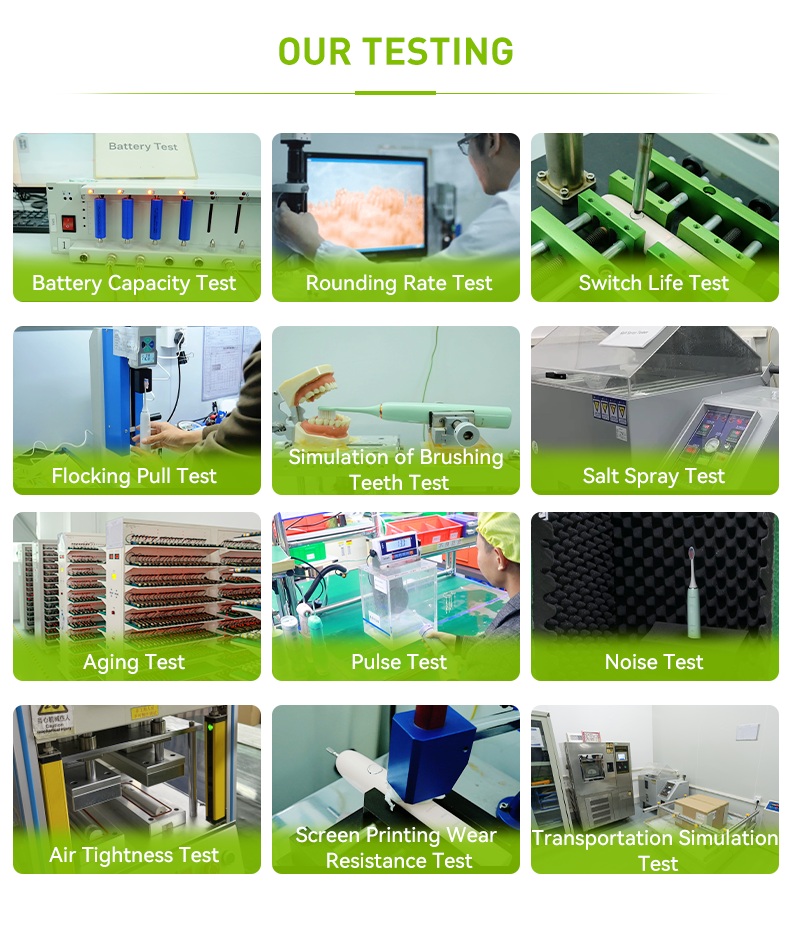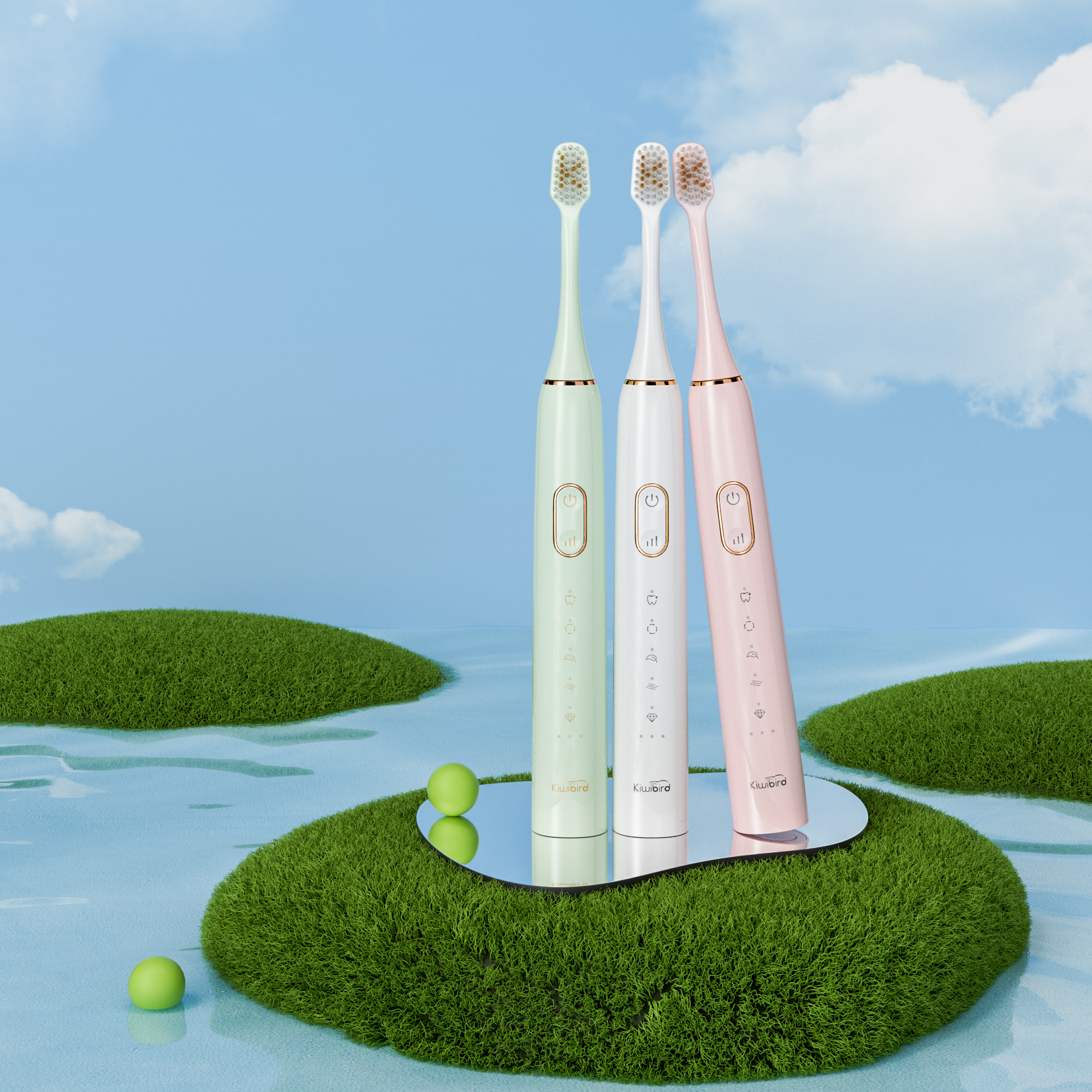
Electric toothbrushes have become an essential tool for maintaining oral hygiene, but many users often notice that certain models make excessive noise during operation. This issue can diminish the user experience and even discourage consistent usage. Understanding why an electric toothbrush makes noise and exploring potential solutions for electric toothbrushes noisy problem can help manufacturers design better products and improve customer satisfaction. Common Causes of Noise in Electric Toothbrushes Motor and Vibration Mechanics:The primary source of noise in electric toothbrushes is the motor, which generates vibrations to clean teeth effectively. While these vibrations are necessary, poor motor design or insufficient dampening materials can amplify the noise levels significantly. Material Quality:Low-quality materials used in toothbrush casings can lead to increased noise due to poor sound insulation. Thin or poorly fitted parts can rattle during operation, adding to the overall noise. Wear and Tear:Over time, components within an electric toothbrush, such as gears or bearings, may degrade, causing the device to operate louder than it initially did. Regular maintenance or timely replacement of parts can mitigate this issue. Impact of Noise on User Experience When an electric toothbrush makes noise, it can create a negative impression, particularly for users sensitive to sound or…
Selecting a reliable electric toothbrush factory is crucial for businesses aiming to deliver quality products to their customers. A trustworthy factory not only ensures high production standards but also enhances your brand reputation. This blog explores key factors to consider when choosing an experienced electric toothbrush manufacturer to meet your business needs. Assess Manufacturing Expertise and Experience When evaluating factories, prioritize those with extensive industry experience. An experienced electric toothbrush manufacturer understands market trends, complies with international regulations, and employs advanced technologies to produce innovative designs. Their expertise ensures you receive well-engineered, high-quality toothbrushes that meet your specifications. For example, factories with 20+ years of manufacturing experience like Powsmart are often better equipped to handle bulk orders while maintaining consistency in quality. Check for their portfolio of past projects and inquire about their experience working with various clients, including private-label brands. Verify Certifications and Quality Standards A reliable electric toothbrush factory should hold certifications such as ISO9001, CE, or FDA, ensuring compliance with global safety and quality standards. These certifications demonstrate their commitment to producing safe and effective products. Additionally, ask for a detailed quality control process. From raw material sourcing to finished product inspections, a strong quality control system minimizes defects and ensures…
When selecting an electric toothbrush factory or buying a sonic toothbrush, understanding the vibration frequency of electric toothbrush models is crucial for ensuring effective and safe cleaning. This blog explores the ideal vibration frequency, why it matters, and how to select a recommended sonic electric toothbrush vibration for your oral care needs. Why Vibration Frequency Matters The vibration frequency of an electric toothbrush determines how efficiently it cleans your teeth. Higher frequencies allow the brush to remove plaque more effectively, even in hard-to-reach areas. However, excessive frequency can potentially damage sensitive gums and enamel, highlighting the importance of choosing the right balance. A recommended sonic electric toothbrush vibration typically ranges between 25,000 and 48,000 strokes per minute, striking the perfect balance between efficiency and comfort. Recommended Vibration Frequency for Different Users Adults: For adults with normal oral health, a vibration frequency of around 31,000 strokes per minute is ideal. This level ensures thorough cleaning without causing irritation. The frequency of Powsmart’s sonic electric toothbrushes could reach to around 31000-40000VPM, which gives strong clean ability. Sensitive Teeth and Gums: Users with sensitivity may benefit from brushes with adjustable settings, where the frequency can be lowered to around 25,000 strokes per minute. Children: Children's electric toothbrushes often feature a…
The battery life of an electric toothbrush is a crucial factor for consumers, especially for those who travel frequently or use their toothbrush multiple times daily. With advancements in technology, the battery life of electric toothbrushes has significantly improved, but there are still notable differences across different electric toothbrush manufacturers. In this blog, we will explore the average battery life, factors that contribute to variations, and how to choose a toothbrush that best meets consumer needs. Average Battery Life of Electric Toothbrushes Most electric toothbrushes on the market offer a battery life ranging from 7 days to 6 weeks on a single charge, depending on the model and usage patterns. Basic models typically last around 7–14 days, while premium models with advanced features can last up to 9 weeks. Powsmart, as a high-end electric toothbrush factory with lithium-ion batteries built-in the electric toothbrush tend to perform better in terms of longevity compared to those using nickel-metal hydride (NiMH) batteries. Factors Influencing Battery Life Differences The electric toothbrush battery life difference can be attributed to several factors: Battery Type: Lithium-ion batteries, commonly used in modern toothbrushes, are lighter, more efficient, and last longer than NiMH batteries. Most of the time, the battery type is also a key factor…
Oral irrigators have gained popularity as an effective alternative to traditional dental floss. These devices, also known as water flossers, use a targeted stream of water to clean between teeth and along the gumline. While many people find them easy to use and highly efficient, there are still common misunderstandings of oral irrigators that may prevent users from fully leveraging their benefits. In this blog, we’ll debunk five misconceptions about oral irrigators and explain how they can complement or even replace dental floss in daily oral hygiene routines. Misunderstanding 1: Oral Irrigators Completely Replace Dental Floss Many users assume that oral irrigators render dental floss unnecessary. While oral irrigators are excellent for removing debris and plaque from hard-to-reach areas, they may not entirely replace dental floss for everyone. Traditional floss can still be useful for scraping stubborn plaque off tooth surfaces. A combination of both methods can often provide the best results for maintaining oral health. Misunderstanding 2: Oral Irrigators Are Only for People with Braces or Implants Another common belief is that oral irrigators are only beneficial for individuals with braces, implants, or other dental work. In reality, they are a fantastic tool for anyone seeking improved oral hygiene. Studies have shown that…
Oral health has become a priority for consumers worldwide. And oral irrigators are emerging as essential tools for maintaining hygiene beyond traditional brushing. But what drives their effectiveness? Understanding the core technology of the oral irrigator is crucial for businesses aiming to innovate in this competitive market. This article delves into the fundamental technologies that power oral irrigators, offering insights into their unique functionalities and market potential. Core Technology of the Oral Irrigator At the heart of an oral irrigator lies its ability to clean effectively by using high-pressure water jets. The core technology of the oral irrigator combines the following key elements: Water Pressure Control: Adjustable water pressure systems allow users to customize the intensity to suit their gum sensitivity, ensuring effective cleaning without causing discomfort. Advanced models feature precision control to enhance usability. Pulsation Technology: Pulsating water streams are designed to break up plaque and remove debris between teeth and below the gumline. This feature mimics professional dental tools, making oral irrigators a preferred choice for deep cleaning. Rotational Nozzles: Many oral irrigators include 360-degree rotating nozzles for accessing hard-to-reach areas. This feature ensures comprehensive cleaning, particularly for users with braces, implants, or other dental appliances. UV Sterilization and Filtration: Some…
Water flossers have become a popular tool for maintaining oral hygiene. Their ability to effectively remove plaque and food particles makes them a favorite among users. However, not everyone is an ideal candidate for this device. Understanding the water flosser usage precautions is essential to ensure safety and optimal results. This blog will discuss who might not be suitable for using water flossers and the reasons behind it. People with Severe Gum Diseases Individuals with advanced gum diseases, such as periodontitis, should consult their dentist before using water flossers. While these devices can help with mild gum issues, high-pressure water streams may exacerbate inflammation or bleeding in severe cases. Following the advice of a dental professional is a critical water flosser usage precaution. Those with Oral Surgeries or Wounds If you have recently undergone oral surgery or have open wounds in your mouth, using a water flosser could delay healing or cause discomfort. The water pressure might interfere with stitches or irritate the wound. In such cases, it's better to wait until your mouth has fully healed before resuming the use of water flossers. Individuals with Sensitive Teeth or Gums People with highly sensitive teeth or gums may find water flossers uncomfortable,…
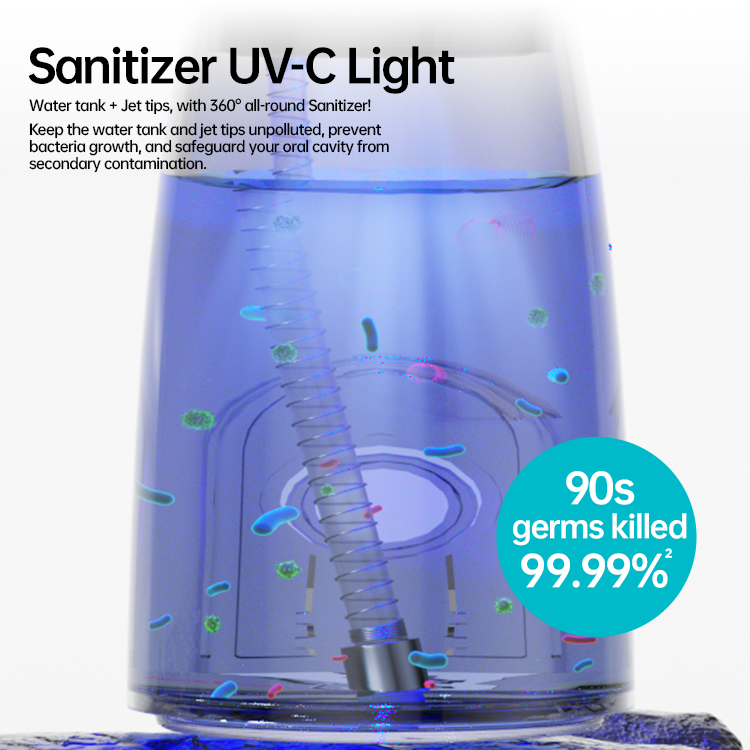
Proper oral hygiene is essential for maintaining healthy teeth and gums. While brushing is a cornerstone of dental care, many dentists emphasize that it alone is not enough to thoroughly clean the mouth. This is why dentists recommend dental irrigators as an effective addition to daily oral care routines. Dental irrigators use a stream of water to clean areas that traditional brushing and flossing might miss, making them an essential tool for maintaining optimal oral health. Dental Irrigators: Recommended Reasons Dentists recommend dental irrigators for several compelling reasons: Thorough Cleaning: Dental irrigators can effectively remove food particles and plaque from hard-to-reach areas, such as between teeth and along the gumline. This feature is especially beneficial for individuals with braces, bridges, or dental implants. Gentle on Gums: Unlike traditional floss, which can sometimes cause irritation or bleeding, dental irrigators provide a gentle yet effective cleaning method, making them suitable for people with sensitive gums or gum diseases. Prevention of Oral Health Issues: Regular use of dental irrigators can help prevent common problems such as cavities, bad breath, and gum inflammation by ensuring a cleaner oral environment. Powsmart’s water flossers also have UVC sterilization function and available for customization. https://www.powsmart.com/simples/customizable-water-flosser-big-tank-uvc-sterilization/These dental irrigators recommended…
The oral irrigator industry has experienced significant growth in recent years, driven by increasing consumer awareness of oral health and technological advancements in dental care devices. While this rapid expansion presents both opportunities and challenges, many businesses are questioning whether it’s still viable to enter the oral irrigator industry. This blog explores the current state of the market, emerging trends, and the potential for new entrants to carve out their niche. The Growth of the Oral Irrigator Market The global oral irrigator market has been growing at a compound annual growth rate (CAGR) of 6-8%, with no signs of slowing down. Factors such as rising dental issues, the popularity of at-home dental care solutions, and innovations in portable and user-friendly devices have contributed to this growth. Customizable options, such as Customizable Water Flossers, have further fueled consumer interest by meeting diverse preferences and needs. This expansion underscores that there’s still room for creative and unique offerings in this thriving industry. Opportunities for New Entrants Despite the competitive landscape, there remain ample opportunities for businesses to enter the oral irrigator industry. Niche markets, such as eco-friendly or travel-sized devices, and the growing demand for Customizable Water Flossers present excellent entry points.Below is…
Maintaining oral hygiene is essential, and traditional flossing often leaves room for improvement. Home Water Flossers have emerged as a popular and effective alternative, offering convenience and superior cleaning. This blog explores the people who can benefit most from these devices and key precautions for using home water flossers to ensure safety and effectiveness. Who Are Home Water Flossers Suitable For? People with Braces or Dental ImplantsTraditional flossing can be challenging for individuals with braces, bridges, or dental implants. Home Water Flossers can navigate around these fixtures easily, removing food particles and plaque without risking damage. Individuals with Gum SensitivityPeople prone to gum bleeding or sensitivity often find traditional flossing painful. Water flossers provide a gentler yet thorough cleaning method, reducing discomfort and protecting gum health. Elderly Individuals or Those with Limited DexterityFor seniors or individuals with arthritis, managing dental floss can be tricky. Water flossers offer a simple, ergonomic solution, allowing them to maintain oral hygiene independently. Benefits of Using Home Water Flossers Improved Plaque RemovalStudies show that water flossers can remove up to 99.9% of plaque in treated areas, outperforming traditional floss in certain cases. Enhanced Gum HealthConsistent use has been linked to reduced gingivitis and improved gum strength, making water…
The Debate Between Electric and Regular Toothbrushes The long-standing debate over whether electric toothbrushes or regular toothbrushes are better often divides opinions. While both have their merits, understanding the key factors that determine effective oral care—such as technique and consistency—can help clear the confusion. This blog will examine the differences between the two, highlight their advantages, and explain why both options can be equally effective when used correctly. Electric Toothbrush: High-Tech Benefits for Modern Oral Care Electric toothbrushes have gained significant popularity in recent years due to their advanced features and convenience. Equipped with oscillating, rotating, or sonic technology, these brushes can remove plaque more effectively than manual brushes when used properly. Advantages of Electric Toothbrush:Built-in timers ensure the recommended two-minute brushing duration.Vibration technology provides consistent cleaning pressure, reducing gum damage risks. Ideal for users with limited dexterity, such as children or seniors. Studies suggest that individuals who switch to sonic toothbrushes often experience improved oral health outcomes, including reduced gingivitis and plaque levels. Powsmart is one of the experienced electric toothbrush manufacturer in Shenzhen, which offers one-stop private label and OEM/ODM service. Regular Toothbrushes: Reliable, Affordable, and Effective Despite the advanced technology of sonic toothbrushes, regular toothbrushes remain a staple for many. Their…
When selecting an electric toothbrush, many consumers assume that the power for an electric toothbrush directly determines its effectiveness. But is a stronger power always better? In this blog, as a direct factory of electric toothbrush, we’ll explore how Electric toothbrush power impacts performance, what factors to consider, and why balance is key to achieving optimal oral care. Understanding Electric Toothbrush Power The power is typically measured by its motor speed or oscillations per minute. While high-powered brushes can deliver faster cleaning motions, the effectiveness depends not only on speed but also on the design of the brush head, the angle of bristles, and the brushing technique. Overemphasizing Electric toothbrush power without considering these aspects might not lead to better results. Powsmart’s sonic motor designed, developed and produced by ourselves, which gives excellent cleaning ability, quite brushing and durability. Is Stronger Power Better? While higher power can help remove plaque more efficiently, excessive force or speed can harm sensitive gums and enamel. Studies show that ultra-powerful brushes without adjustable settings can cause gum recession or enamel wear over time, especially for individuals with sensitive teeth. Thus, the power for an electric toothbrush should be strong enough for effective cleaning but gentle enough to maintain oral…
A common question arises: "Can the elderly use electric toothbrushes?" With aging often comes dental challenges such as gum sensitivity, receding gums, and weakened enamel. Electric toothbrushes are increasingly being recommended for older adults, offering advanced cleaning features that manual toothbrushes cannot match. Benefits of Electric Toothbrushes for the Elderly Electric toothbrushes are particularly beneficial for elderly individuals facing mobility issues or arthritis, as they require minimal effort compared to manual brushing. The oscillating or sonic movements effectively remove plaque, reducing the risk of gum disease and cavities. Moreover, electric toothbrushes with pressure sensors can prevent overbrushing, which is especially helpful for older adults with sensitive gums. Key Electric Toothbrush Usage Precautions While electric toothbrushes can significantly improve oral hygiene for the elderly, there are specific electric toothbrush usage precautions to consider: Choose Soft Bristles: Opt for brushes with soft bristles to avoid irritation or damage to gums. Use Gentle Modes: Many electric toothbrushes offer modes like “sensitive” or “gentle,” suitable for delicate teeth and gums. Regular Replacement of Brush Heads: Replace brush heads every three months or sooner if the bristles become frayed. Consult a Dentist: Regular dental visits can help determine the best electric toothbrush type based on individual dental…
Manufacturers Reveal the Pros and Cons of Electric Toothbrushes The oral care industry has seen significant growth in recent years, with electric toothbrushes leading the charge. But is investing in the electric toothbrushes business truly worth it? In this blog, we reveal the insights as an electric toothbrush manufacturer, exploring the pros and cons of electric toothbrushes to help businesses make informed decisions about entering this lucrative market. The Growing Market for Electric Toothbrushes The global demand for electric toothbrushes has surged, driven by increased awareness of oral hygiene and advancements in technology. Recent market reports show the electric toothbrush industry is expected to grow at a CAGR of 7-9% over the next five years. With consumers seeking advanced solutions for oral care, investing in the electric toothbrushes business presents substantial opportunities for growth, especially in regions like North America, Europe, and parts of Asia. The expanding market is largely fueled by demand for features such as: Smart brushing sensors Multiple brushing modes Rechargeable batteries and sustainability Pros of Electric Toothbrushes: Why Customers Love Them Electric toothbrushes provide a variety of benefits that have made them increasingly popular among consumers: Effective Cleaning: Compared to manual brushes, electric toothbrushes remove up to 100% more…
In this blog, we're going to explore the growth path of the new electric toothbrush brand by examining FMCG logic and its practical implications. Fast-Moving Consumer Goods (FMCG) are products that sell quickly at relatively low prices, often essential to daily life. With consumers paying increasing attention to oral health, the electric toothbrush business has quickly aligned with FMCG principles. New electric toothbrush brands must adopt FMCG strategies to carve out their share of the market and establish a strong foundation. Understanding Consumer Demand: Build Value at an Affordable Price FMCG products emphasize value and affordability, and the electric toothbrush sector is no exception. Consumers are increasingly switching from manual to electric toothbrushes due to their superior cleaning efficiency. New brands entering the electric toothbrush business should start by positioning their products to meet price-sensitive consumer needs while delivering quality. For example, budget-friendly sonic toothbrushes with basic but reliable functions have seen impressive adoption among first-time users. Product Differentiation: Balancing Innovation and Accessibility One of the key factors in the growth path of the new electric toothbrush brand lies in product differentiation. FMCG brands thrive by offering products that stand out while remaining accessible. Features like customized brushing modes, smart sensors, and long battery…
Understanding the technical core of an electric toothbrush has become crucial for businesses looking to succeed in the oral care industry. For any electric toothbrush manufacturer, mastering the core technologies ensures competitive, high-performance products that meet market demands. In this blog, we’ll explore the key components that form the technical foundation of an electric toothbrush from an electric toothbrush manufacturer. Motor Technology: The Heart of an Electric Toothbrush At the center of an electric toothbrush lies its motor, which determines the brushing power and motion. Modern motors can be categorized into two types: Rotational Motors: These create circular motions for effective plaque removal. Sonic Motors: Deliver high-frequency vibrations, typically between 20,000 and 40,000 strokes per minute, ensuring deep and thorough cleaning. For any electric toothbrush manufacturer, using a high-quality motor ensures both durability and cleaning efficiency, directly impacting the product’s market competitiveness. Battery and Power Management The battery is another key aspect of the technical core of an electric toothbrush. Most electric toothbrushes today rely on rechargeable lithium-ion batteries due to their longevity and quick-charging capabilities. Power management systems optimize battery life while maintaining consistent brushing performance. As one of the leading sonic electric toothbrush manufactures in China, Powsmart offer toothbrushes that can…
With sonic electric toothbrush’s advanced technology and superior cleaning capabilities, Electric toothbrushes have revolutionized oral hygiene. While much of the focus often falls on the motor or battery life, the bristles of electric toothbrushes are equally, if not more, crucial. What makes these bristles so special when compared to manual toothbrushes? As an electric toothbrush manufacturer, Let’s take a closer look—100 times closer—to discover the innovation behind them. Micro-Precision Design for Deep Cleaning When magnified, the special about the bristles of electric toothbrushes becomes clear. Unlike the uniform, flat design of most manual toothbrush bristles, electric toothbrush bristles often feature multiple lengths, angled tips, and unique textures. This micro-precision design allows the bristles to clean hard-to-reach areas such as between teeth and along the gumline effectively. Studies have shown that these innovative designs help remove up to 100% more plaque compared to manual brushes, making them an essential tool for maintaining optimal oral hygiene. Like below our Tapered charcoal bristle brush head, which is suitable for sensitive gums and easily cleand the area between our teeth. Except this type of brush head, Powsmart is also offering other different types of brush heads for customization option. Softness and Durability for Sensitive Care One of…
Brushing your teeth efficiently is essential for maintaining good oral hygiene, especially in today’s fast-paced lifestyle. With the help of an electric toothbrush, it’s possible to clean your teeth thoroughly in less time. In this blog, as an experienced sonic electric toothbrush manufacturer, Powsmart is going to share expert usage tips of electric toothbrushes to help you master the art of brushing your teeth quickly and cleanly. Choose the Right Electric Toothbrush The first step to effective brushing is selecting an electric toothbrush that meets your needs. Look for models with features like built-in timers, pressure sensors, and multiple brushing modes. These can help ensure that you brush efficiently without compromising on thoroughness. Sonic models, for example, are highly effective in removing plaque while being gentle on gums. Powsmart’s E series electric toothbrushes not only have 5 brushing modes, but also can offer three different power levels for options. Use the Two-Minute Timer Most electric toothbrushes come equipped with a timer to guide you through the recommended two-minute brushing routine. Divide your mouth into four quadrants and spend 30 seconds on each. This is one of the simplest ways to ensure you're brushing your teeth quickly and cleanly while covering all surfaces. 2 Mins brushing…
Maintaining good oral hygiene is essential for overall health, and advancements in dental care tools have made it easier than ever to achieve. One of the most effective tools in modern oral care is the electric toothbrush. But how does it help, and what role does it play in teaching how to improve your oral hygiene habits? Powsmart, as one of the experienced oral care products manufacturer in Shenzhen, we'll explore the benefits of electric toothbrushes and how they can revolutionize your oral health routine. Superior Cleaning Efficiency Unlike traditional manual toothbrushes, electric toothbrushes use oscillating or sonic movements to deliver thousands of strokes per minute. This technology ensures more thorough plaque removal, particularly in hard-to-reach areas. Studies show that regular use of an electric toothbrush and oral health outcomes are closely linked, as these tools reduce the risk of cavities and gum disease more effectively than manual brushing. Improved Brushing Techniques A common challenge with manual toothbrushes is that users often apply too much pressure or use improper techniques. Electric toothbrushes, however, are designed to guide better brushing habits. Features like built-in timers ensure you brush for the dentist-recommended two minutes, while pressure sensors prevent damage to gums. For those wondering…
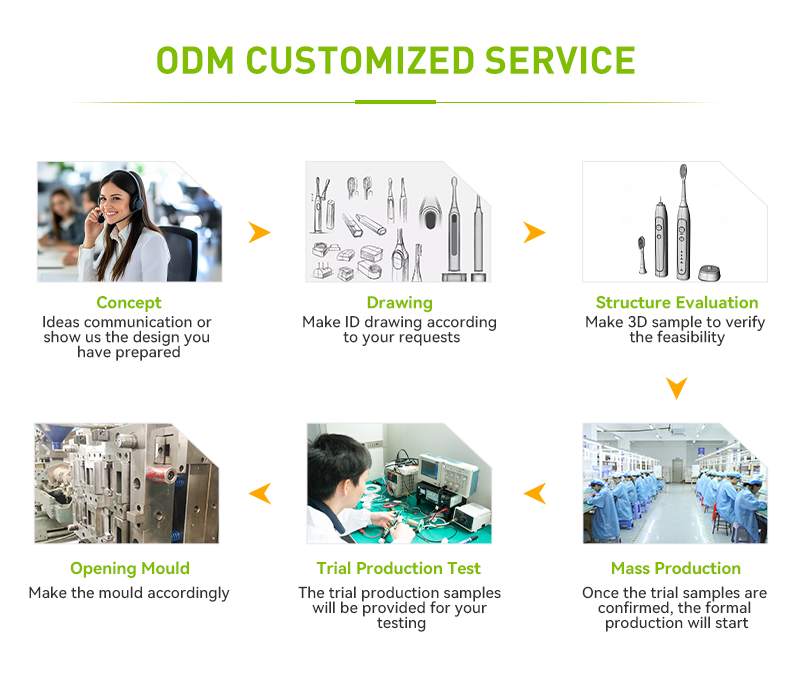
The proofing process is a crucial step in developing and manufacturing high-quality electric toothbrushes. It ensures that the product meets design specifications, functionality, and quality standards before mass production. Whether you are a brand owner or a retailer, understanding the proofing process of electric toothbrush can help ensure smooth collaboration with your electric toothbrush factory and the delivery of a product that satisfies market demands. Initial Design and Specification The proofing process begins with creating a detailed design. This stage involves determining the size, shape, materials, and key features of the electric toothbrush. For instance, manufacturers might decide on a sonic vibration motor, ergonomic grip, or waterproof technology. Clear communication of your requirements with the electric toothbrush factory at this stage is vital to ensure the prototype aligns with your brand’s vision and target market. Prototype Development Once finishing the design, the factory proceeds to develop the first prototype. This stage involves producing a working model that incorporates all the agreed-upon specifications. The electric toothbrush proofing prototype undergoes initial testing to evaluate its performance, durability, and aesthetic appeal. For example, factors such as motor efficiency, battery life, and bristle softness are thoroughly examined. Testing and Adjustments After finishing the prototype, rigorous testing is conducted…