Many professionals overlook how excessive noise from electric toothbrushes not only annoys users but can drive them to over-compensate—exacerbating pulp inflammation and even tetracycline stains worsening in predisposed patients. In this article, we dissect six critical facets of these dual threats and outline best practices for B2B manufacturers to deliver safer, quieter devices. Noise as a Signal of Mechanical Imbalance First, loud buzzing often indicates internal misalignment: Rotor Imbalance: An off-center mass causes tonal peaks that amplify noise without boosting cleaning power. Bearing Wear: Worn bearings squeal under load, hinting at friction that generates heat and vibration. Seal Fatigue: Vibrations loosen seals, risking water ingress and long-term motor damage. Addressing mechanical balance reduces both sound output and hidden device stress. How Excessive Noise Drives User Overcompensation Next, users instinctively fight noise by: Pressing Harder: To drown out the racket, users lean in—multiplying bristle force on enamel and dentin. Prolonged Sessions: Lingering past the recommended two minutes in hopes of “better cleaning,” overtaxes pulp tissue. High-Intensity Modes: Switching to top-power settings amplifies both noise and vibrational load on gums and pulp. These compensatory behaviors directly contribute to pulp inflammation. Company web:https://www.powsmart.com/product/electric-toothbrush/ Pulp Inflammation Mechanisms Moreover, chronic over-pressure and vibration irritate the…
Many users already struggling with tetracycline stains worsening complain that increased teeth sensitivity after whitening treatments only compounds the problem—leading to uneven results and heightened discomfort. In this article, we examine six key considerations so B2B manufacturers can help channel partners navigate these side effects and deliver safer, more effective whitening solutions. How Tetracycline Stains Respond Differently First, understand why tetracycline-discolored enamel reacts uniquely: Deep-Set Pigments: Tetracycline binds within the dentin, making surface-only bleaches less effective and requiring stronger oxidizers. Porous Enamel: Years of embedded staining create micro-porosities that allow peroxide to penetrate unevenly, leaving streaks. Sensitivity Trigger: The same open tubules that harbor stains also transmit stimuli, amplifying teeth sensitivity during and after treatment. Recognizing these properties guides both formula strength and application protocols. Balancing Concentration & Contact Time Next, striking the right chemical balance is critical: High-Concentration Peroxide: While stronger gels can lighten deep stains, they also demineralize enamel faster, exacerbating sensitivity. Short-Burst Protocols: Brief, repeated sessions (e.g., 10 minutes twice daily) reduce enamel overexposure compared to one long session. Post-Treat Remineralization: Incorporating calcium or fluoride boosters immediately after each cycle minimizes structural weakening. By calibrating concentration and timing, you mitigate side effects without sacrificing whitening power. Company…
When an electric toothbrush suffers a waterproof failure, moisture can penetrate the handle and trigger battery leakage—a hazardous condition that risks device shorting, corrosion, and even user injury. In this deep‐dive article, we’ll examine six critical dimensions of this defect and show B2B manufacturers how to eliminate it at the source. Common Modes of Waterproof Failure First, it’s essential to identify how seals break down: Gasket Compression Fatigue: Repeated brush‐head changes or cleaning cycles gradually deform O-rings, compromising their seal. Assembly Misalignment: Even minor tolerance slips during production can leave micro‐channels at seams. Material Degradation: Harsh disinfectants or UV‐sterilization steps can embrittle plastics and elastomers, leading to cracks. Recognizing these failure modes helps target the weakest points in your water-resistance design. How Battery Leakage Manifests and Why It’s Dangerous Moreover, once water breaches the housing, battery compartments suffer: Electrolyte Seepage: Lithium‐ion cells leak corrosive electrolytes that erode internal circuitry. Short Circuits: Conductive fluid bridges battery terminals, leading to sudden device shutdowns or thermal runaway. User Hazard: Leaked chemicals can escape through vents or cracks, posing skin irritation or ingestion risks. Understanding these hazards underscores why waterproof integrity is non‐negotiable.Company web:https://www.powsmart.com/product/electric-toothbrush/ Design Flaws That Amplify Risk In addition, specific design shortcuts…
Many users report unexpected gum discoloration after at-home procedures—often a consequence of bleaching allergy rather than the whitening gel itself. In this post, we dive into six critical facets of this overlooked risk, so B2B manufacturers can equip their channel partners with safer device designs, clearer guidance, and stronger support. Understanding Bleaching Allergy Mechanisms First, it’s vital to recognize how bleaching allergies develop: Immune Overreaction: Some individuals’ mucosal tissues react to peroxide or flavoring agents, triggering histamine release and localized inflammation. Chemical Sensitizers: Additives like sodium lauryl sulfate or peppermint oil, intended to enhance user experience, can act as haptens that prime allergic responses. Cumulative Exposure: Repeated bleaching cycles lower the mucosal threshold, so a previously tolerated formulation suddenly elicits irritation. Thus, even mild formulations can provoke allergy in susceptible users over time. From Allergy to Gum Discoloration: The Pathway Moreover, the allergy-to-discoloration cascade unfolds through: Inflammatory Staining: Inflamed tissues produce excess blood flow and serum exudate, leaving a reddish‐brown hue on the gingiva. Hyperpigmentation: Chronic inflammation stimulates melanocytes, resulting in lasting darker patches. Plaque Retention: Swollen gum crevices trap pigmented foods and bacteria, accentuating uneven coloration. Consequently, allergy management is key to preventing cosmetic tissue changes.Company web:https://www.powsmart.com/product/electric-toothbrush/ Device Design…
Recent field reports indicate that motor overheating in electric toothbrushes may inadvertently foster oral microbiome imbalance by altering brushing patterns and damaging beneficial bacterial colonies. For B2B manufacturers, understanding this hidden chain reaction is essential to safeguarding both device reliability and end-user oral health. Heat Build-Up and Brushing Behavior Firstly, when a motor overheats: Automatic Power‐Downs: Thermal cutoffs interrupt brush cycles, causing users to restart or shorten sessions, undermining effective plaque removal. User Compensation: Frustrated by shutdowns, some press harder or over-brush to achieve cleanliness, leading to micro-abrasions. Microbial Disruption: Inconsistent cleaning allows opportunistic pathogens to colonize, tipping the oral ecosystem out of balance. Thus, controlling motor temperature directly affects user behavior and microbial outcomes. Thermal Stress on Bristles and Gum Tissue Moreover, overheated motors transmit excess heat to bristles: Bristle Deformation: Excessive heat softens nylon filaments, reducing their ability to disrupt biofilm mechanically. Gum Irritation: Warm bristles can inflame gingival tissues, creating micro-lesions where anaerobic bacteria thrive. Selective Colonization: Heat-damaged areas become niches for harmful species, driving oral microbiome imbalance. Preventing bristle overheating preserves both mechanical action and tissue integrity. Chemical Residue Accumulation In addition, high motor temperatures accelerate toothpaste breakdown: Ingredient Degradation: Heat catalyzes fluoride and antibacterial agents,…
Excessive gel leakage from ill-fitting trays or low-viscosity formulations can cause whitening agents to pool inconsistently—ironically triggering teeth yellowing instead of brightening. To help B2B manufacturers and channel partners safeguard end-user outcomes, our experts examine six critical facets of this hidden hazard and recommend actionable solutions. Common Causes of Whitening Gel Leakage First, understanding why gel escapes its intended boundaries is key: Tray Fit Variability: Universal or poorly cast trays leave micro-gaps at the gingival margins, allowing gel to ooze out. Low Viscosity Formulas: Overly fluid gels run under gravity, especially when users tilt their heads. Overfilling by End Users: Without clear dosage guides, many apply excess gel “just to be safe,” exacerbating leak risk. Identifying these root causes enables targeted design improvements. How Leakage Drives Uneven Whitening & Teeth yellowing Next, examine the mechanism linking leakage to discoloration: Diluted Active Zones: Gel that leaks away reduces peroxide concentration on key tooth surfaces, leaving residual stains. Chemical Depletion: Exposed gel oxidizes on skin or tray walls rather than on enamel, wasting bleaching agents. Staining by Contaminants: Leaked gel picks up pigments from cups, lips, or tray edges, redepositing them on enamel. This cascade of effects undermines the “one-size-fits-all” whitening promise.…
In the competitive oral care device market, branding is just as crucial as product performance. One of the most overlooked yet impactful aspects of brand identity on a physical product is logo craftsmanship on water flossers. For B2B buyers and OEM clients, selecting the right logo processing method—whether it's laser engraving, silk screen printing, or IMD inlaid signs—can influence not only aesthetics but also durability, production cost, and brand perception. This article offers a detailed comparison and technical insight into each process to help you make an informed decision. Overview of Logo Craftsmanship in Water Flosser Manufacturing As a professional water flosser factory, we understand that logo application is more than just decoration—it's an extension of your brand. The logo placement and durability can influence customer perception and product longevity. There are three mainstream methods for applying logos on water flosser housings: Laser Engraving Process Silk Screen Printing IMD (In-Mold Decoration) Inlaid Sign Each method has its own unique features, applicable scenarios, and limitations. Laser Engraving: Precision and Permanence The laser engraving process uses high-energy lasers to etch your brand logo directly onto the surface of the water flosser. This method ensures: High durability – resistant to fading, scratches, and moisture. Precision detailing –…
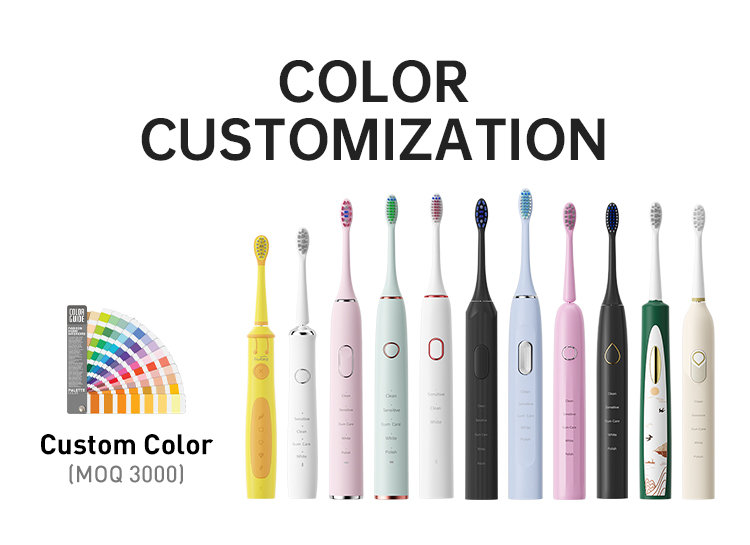
In the highly competitive personal care market, water flosser shell color matching plays an increasingly important role in brand identity and consumer appeal. For OEM/ODM customers, color is no longer just an aesthetic choice—it’s a branding tool. This blog explores the full solution path for color customization of water flossers, with a deep dive into technical methods like two-color injection molding process and gradient color spraying, helping water flosser factories and buyers make informed decisions. Step One: Understanding Pantone-Based Color Customization The first step in product customization begins with selecting the right Pantone color code. This universally recognized color standard ensures consistency across batches. However, matching Pantone codes to real-world plastic effects can be tricky due to: Differences in material light reflection (e.g., matte vs glossy) Resin base color and translucency Post-processing effects such as UV coating This step is critical for OEM clients who demand strict brand consistency. At the factory level, experienced water flosser factories often provide pre-production color samples for customer approval. Solution One: Two-Color Injection Molding Process The two-color injection molding process involves injecting two different colored plastics into the same mold in sequence or simultaneously. This process offers: High durability of color—no fading or peeling Integrated structure—no secondary painting…
With rising consumer awareness around hygiene and oral health, the integration of UVC sterilization into water flossers is becoming an essential trend. For water flosser factories, it is not only a technical challenge but also a product differentiation opportunity. This blog provides a detailed customization guide for UVC water flosser sterilization, focusing on wavelength selection, optimal irradiation time, and waterproof design – all critical factors for effective and safe implementation. Why UVC Sterilization Matters in Water Flossers UVC sterilization has proven to be highly effective in inactivating bacteria, viruses, and other pathogens. For water flosser disinfection technology, UVC offers a non-chemical, residue-free solution. When applied correctly, it helps prevent microbial buildup inside the water reservoir, nozzle, and tubing – key areas prone to contamination. Modern consumers are looking for hygienic and self-sterilizing personal care devices. By offering customized UVC water flosser sterilization, manufacturers can meet this demand and stand out in a competitive market. Wavelength Selection: Why 270nm is the Ideal Choice The choice of UVC wavelength directly affects sterilization efficiency. Scientific research has confirmed that 270nm ultraviolet modules deliver the highest germicidal effectiveness, especially against E. coli, staphylococcus, and other common oral pathogens. When developing a sterilization system, the integration…
When split bristles occur, users often only notice reduced cleaning performance, overlooking that prolonged use of frayed filaments can concentrate stress on the enamel surface and initiate enamel cracks. As a B2B manufacturer, understanding and mitigating this hazard is key to helping channel partners offer safer oral‐care solutions. 1. How Split Bristles Alter Contact Mechanics First, frayed bristle tips change how filaments engage the tooth: Pressure Concentration: Split ends become finer and stiffer, increasing localized force on enamel. Extended Friction Paths: Multiple branches sweep across the surface, multiplying abrasive interactions. Vibration Imbalance: Irregular tip structures respond unevenly to oscillation, causing hotspots of higher impact. Thus, bristle integrity directly influences enamel stress distribution. Micro-Mechanisms of Enamel Crack Formation Next, consider how enamel cracks develop at the microscopic level: Stress Accumulation: High-frequency, small-scale impacts from stiff bristles generate subsurface micro-fissures. Fatigue Damage: Repeated abrasion and compressive forces propagate these micro-cracks into larger fractures. Chemical-Mechanical Synergy: Abrasive byproducts and acidic oral conditions further weaken enamel, accelerating crack growth. Combined physical and chemical wear prime enamel for damage. User Habits That Amplify the Hazard Moreover, user behavior can magnify risk: Overbrushing on One Spot: Lingering too long with split bristles repeatedly assaults the same…
In the highly competitive electric toothbrush market, product aesthetics, functionality, and safety play an increasingly critical role. A high-quality surface finish not only enhances the user experience but also reinforces the brand image. Two of the most widely used surface finishing techniques in the industry are toothbrush UV spraying and PU coating process. But how do they compare in terms of matte finish, anti-slip properties, and environmental safety? This blog presents a detailed comparison to help sourcing managers and product developers make informed decisions. Understanding the Two Coating Methods What is Toothbrush UV Spraying? UV spraying involves applying a specialized UV-curable coating to the toothbrush handle, followed by exposure to ultraviolet light to harden the coating. This method offers excellent scratch resistance, a sleek appearance, and faster production cycles. It is commonly used in modern electric toothbrush factories looking for efficiency and a high-gloss or matte finish. What is PU Coating Process? The PU coating process involves the application of polyurethane layers, which are air-cured or heat-cured. PU coatings are valued for their soft-touch feel, durability, and versatility. They are particularly effective when used for matte anti-slip treatment, making them ideal for handheld devices that are frequently exposed to water. Matte Finish…
As the electric toothbrush market becomes increasingly competitive, design innovation and surface customization have become key differentiators for brands. Manufacturers are now exploring advanced decoration techniques such as water transfer printing and thermal transfer printing to improve both the visual appeal and surface durability of toothbrush shells. This article explores how these processes enhance the 3D texture shell appearance and the results of the transfer wear test, offering practical insights for any electric toothbrush factory aiming to elevate their product quality. Toothbrush Water Transfer Process: Realistic, Immersive 3D Effects The toothbrush water transfer process (also known as hydrographic printing) involves applying printed patterns onto three-dimensional surfaces via a water-soluble film. This technique allows electric toothbrush shells to adopt a wide variety of natural textures such as carbon fiber, marble, or woodgrain, giving products a high-end, customized look. Advantages: Achieves complex full-surface decoration. Supports high-resolution pattern fidelity. Ideal for creating 3D texture shells with depth and realism. Water transfer printing is especially beneficial for ergonomic, curved surfaces that are difficult to decorate using conventional printing methods. Thermal Transfer Customization: Precision and Mass Production Efficiency Thermal transfer customization uses heat and pressure to apply pre-printed patterns or graphics to the toothbrush shell. This method is often favored for large-scale…
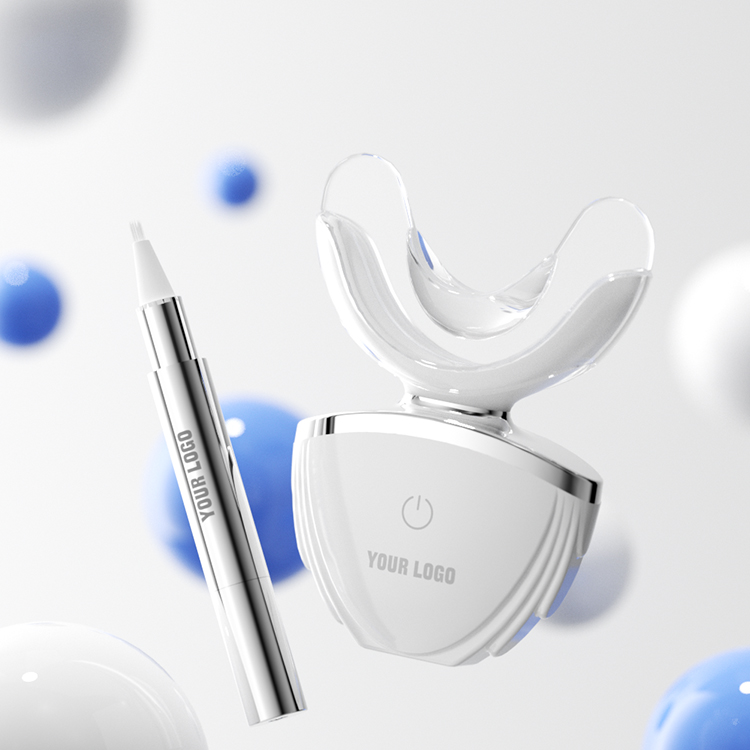
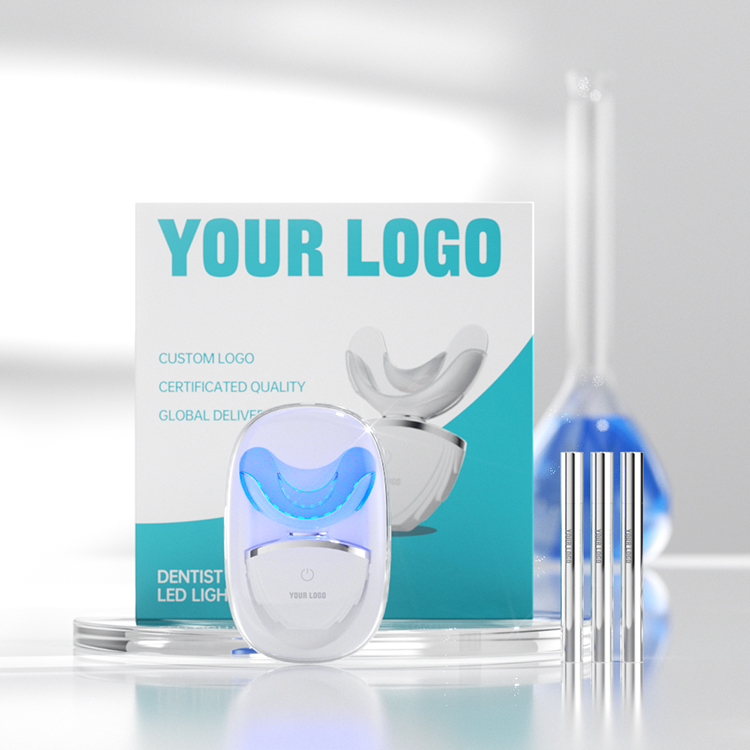
Recent in-house tests suggest that excessive cold light radiation used in teeth-whitening devices may exacerbate enamel demineralization by creating microthermal effects that weaken surface mineral content. To help B2B partners understand these findings, we’ll break down our lab methodology, key results, and actionable design improvements across six crucial areas. Lab Methodology: Simulating Clinical Use First, we replicated typical at-home whitening protocols under controlled conditions: Light Exposure Cycles: Samples underwent 10-minute blue-light sessions at 420–450 nm, three times daily for two weeks. Demineralization Challenges: After each session, specimens were immersed in acidified saliva analog to mimic oral pH fluctuations. Mineral Analysis: Using microhardness testing and scanning electron microscopy (SEM), we quantified changes in surface mineral density and microstructure. This rigorous setup isolates the specific impact of cold light versus chemical bleaching alone. Key Findings: Mineral Loss Quantified Next, our results revealed a clear trend: 10–15 % Hardness Reduction: Cold-light-exposed enamel showed a 12 % average drop in Vickers hardness compared to non-irradiated controls. Surface Porosity Increase: SEM imaging detected a 20 % rise in micro-pore area, indicating accelerated mineral leaching. Depth of Demineralization: Cross-sectional analysis found demineralized zones extending up to 50 µm beneath the surface, versus 30 µm without light.…
For electric toothbrush manufacturers, printing technology is not just about labeling—it’s a vital part of branding and user experience. Choosing the right technique between the toothbrush screen printing process and pad printing technology can significantly impact both production quality and visual appeal, especially when dealing with multi-color pattern printing or gradient effects. This blog provides a technical pad printing technology comparison and helps you determine the best method based on your product design complexity, material compatibility, and performance requirements. Understanding the Screen Printing Process for Electric Toothbrushes The electric toothbrush screen printing process involves transferring ink through a mesh stencil onto the curved surface of the brush handle. It's ideal for: Simple, bold designs High ink deposit for durability Flat or slightly curved surfaces Advantages: Strong color density and sharp edges Excellent for single or dual-color logos Proven durability under abrasion and humidity However, screen printing may face limitations with detailed gradients and complex multi-tone images, especially on highly contoured surfaces common in modern toothbrush handle designs. Pad Printing Technology: Flexible and Precise for Complex Designs Pad printing technology uses a silicone pad to transfer ink from an etched plate onto the product surface. This flexible pad adapts to curved and textured shapes, making it an excellent…
When an electric toothbrush experiences a vibration malfunction, the handle can produce excessive or erratic amplitudes that not only compromise cleaning but, over time, may trigger gum recession. To help B2B manufacturers understand this critical risk, we analyze six key dimensions and provide actionable design and support strategies. How Vibration Malfunctions Damage Periodontal Tissue First, abnormal vibration patterns harm gums through: Excessive Instant Amplitude: Sudden high-amplitude jolts tear the fibers attaching the gum to the tooth neck. Frequency Instability: Rapid frequency shifts create micro-tears in the gingival tissue that accumulate into recession. Resonance Amplification: If the motor frequency resonates with the handle’s structure, localized motion spikes, worsening the impact. Understanding these mechanisms enables targeted improvements to vibration control. User Habits That Amplify the Risk Next, brushing behaviors can magnify the harm from malfunctions: Increased Brushing Force: Users often press harder to compensate for lost cleaning power, further stressing the gums. Prolonged Dwell Time: Lingering on one area subjects the same gum region to repeated impacts. Frequent Mode Switching: Repeatedly toggling modes can trigger more erratic vibrations, intensifying tissue damage. Guiding users on correct grip and brushing motion is therefore essential. Common Design Flaws Leading to Vibration Malfunction Furthermore, these design…
When customers experience motor overheating and unexpectedly shortened battery lifespan, they often turn to their warranty coverage for relief. However, many B2B partners find that without clear policy language and robust product design, warranty claims become a source of friction rather than trust. In this post, we’ll explore six key considerations to ensure your warranties align with product realities. Identifying the Root Causes of Motor Overheating First, it’s essential to understand why an electric toothbrush motor overheats: Excessive Load: Continuous high-speed or high-torque modes can push the motor beyond its thermal limits. Poor Heat Dissipation: Inadequate internal airflow or thermal interface materials trap heat around the winding. Battery Strain: A weakened cell forces the motor to draw higher current, compounding thermal stress and reducing overall battery lifespan. By diagnosing these failure modes, you can determine whether an overheating incident stems from user misuse, design gaps, or component defects—and thus whether it should be covered under warranty. The Impact of Overheating on Customer Satisfaction Next, consider how motor overheating affects end users: Unexpected Shutdowns: Thermal cut-outs may stop brushing mid-session, undermining cleaning efficacy. Handle Warmth: A hot grip can discourage proper brushing technique or cause discomfort. Perceived Quality: Frequent overheating erodes…
In today’s competitive oral care market, Electric toothbrush laser engraving is more than just decoration—it’s a core part of brand identity and consumer recognition. For electric toothbrush factories, offering toothbrush laser engraving customization adds value, enhances brand consistency, and ensures that the logo remains clear and durable throughout the product’s lifecycle. Laser engraving, as a permanent LOGO process, is widely favored because it doesn't fade, peel, or wear off like ink printing. But achieving high-quality engraving depends heavily on fine-tuning the right parameters: depth, speed, and power. Understanding the Basics of Laser Engraving Parameters To achieve precise and durable results, manufacturers must control three key laser engraving parameters: Power (W): Determines how much energy is delivered to the surface. Higher power increases depth but may burn or deform soft plastics. Speed (mm/s): Dictates how fast the laser moves. Faster speeds result in lighter engravings; slower speeds go deeper but may overheat the material. Depth (mm): Not a directly set parameter, but the result of how power and speed interact. For toothbrush handles (usually ABS or PP), ideal depth is 0.1–0.3 mm. Proper tuning ensures the OEM brand logo looks sharp, professional, and permanent on every unit. Material Consideration: Matching Settings to Handle Composition Electric…
With the rise of cold-light whitening systems, more end users report allergy reactions—including oral burning, redness, and ulcers. When investigating root causes, we must look beyond bleaching formulations to the cold-light risks embedded in the device, since light wavelength, power density, and exposure time can magnify chemical irritation. Interaction of Cold Light and Bleaching Agents Cold-light devices emit blue light in the 420–450 nm band to accelerate peroxide decomposition, enhancing whitening speed. However, over-activated free radicals can attack mucosal barriers, combining chemical and photonic stress that triggers allergy reactions. Allergens—Light Source vs. Ingredients Although peroxide and sensitizing flavorings are primary allergens, studies show: High-Intensity Blue Light can alter saliva pH and protein structures, increasing mucosal permeability to external chemicals. Photosensitivity in certain users leads to phototoxic reactions, such as oral mucosal erythema. Thus, cold light isn’t merely a harmless adjunct—its spectral profile demands careful evaluation. Cold-Light Risks in Device Design A closer look at hardware reveals potential hazards: Lack of Optical Filtration: Direct shortwave emission without diffusion optics concentrates energy. Power Overdrive: Oversized output for rapid results elevates mucosal temperature and chemical reactivity. Inadequate Cooling: Heat buildup in the cold-light module increases agent corrosiveness. Enhancing optical design and thermal management…
From a manufacturing perspective, achieving both aesthetics and functionality in toothbrush components is no small task. Electric toothbrush injection molding process requires precision and deep understanding to ensure consistent quality. In this blog, we will explore the core challenges in the precision injection molding customization of electric toothbrush parts, especially focusing on how to avoid common defects such as shrinkage marks and flash. We’ll also highlight crucial considerations in toothbrush mold design, material selection, and manufacturing techniques that electric toothbrush factories should pay close attention to. Understanding the Electric Toothbrush Injection Molding Process The electric toothbrush injection molding process involves injecting molten plastic into specially designed molds under high pressure. This process must be tightly controlled to meet aesthetic standards and mechanical strength requirements. For toothbrush manufacturers, achieving consistent dimensions, smooth surfaces, and reliable structural integrity is key. Any deviation, such as shrinkage or flash, not only affects appearance but can lead to assembly issues or user discomfort. Toothbrush Mold Design: The Foundation of Precision A high-quality toothbrush mold design is critical to success. Poorly designed parting lines, inadequate venting, or incorrect runner placement can lead to flash and shrinkage issues. Best practices in mold design include: Optimized gate placement to ensure uniform material…
In today’s competitive oral care market, electric toothbrush manufacturers face increasing demand for both functionality and sustainability. A crucial part of the product design process lies in the OEM shell process, which directly impacts durability, aesthetics, cost, and environmental footprint. As a professional electric toothbrush factory, selecting the right shell material during the OEM shell material process is critical. This blog provides a full OEM shell process comparison of ABS, PP, and bio-based plastics to help you make an informed choice. ABS – The Standard Choice in Electric Toothbrush Manufacturing ABS (Acrylonitrile Butadiene Styrene) is one of the most widely used materials in electric toothbrush shells. Its popularity stems from a solid balance of strength, rigidity, and processability. Advantages: High impact resistance Smooth surface finish, ideal for painting or UV coating Consistent in injection molding and mass production Disadvantages: Derived from petroleum, not environmentally friendly Heavier than other plastic options ABS remains the go-to option for premium-looking products with complex designs. It is still a favorite for many OEM projects seeking durability and a refined appearance in electric toothbrush shell customization. PP – A Lightweight and Cost-Effective Alternative Polypropylene (PP) is often used for more economical toothbrush models. It offers sufficient durability…