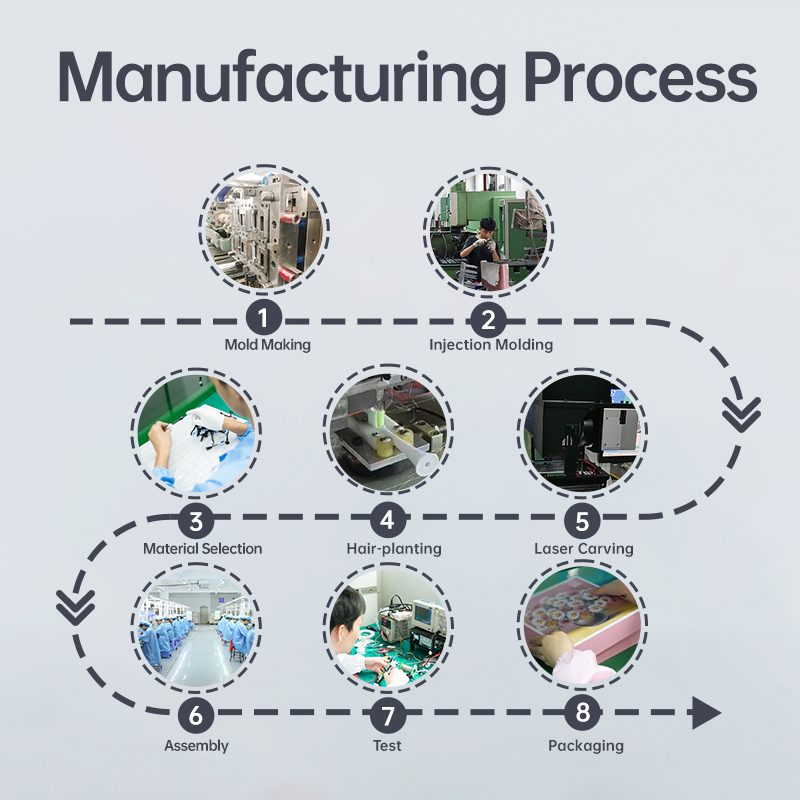
Sonic toothbrushes have become a significant part of the oral care market due to their superior cleaning technology and increasing consumer demand. For businesses considering entering this market, one critical question arises: Is manufacturing sonic toothbrush cost-effective? In this blog, Powsmart is gong to analyze key factors such as production costs, scalability, and competitive advantages, while integrating insights on electric toothbrush manufacturing cost and the role of an electric toothbrush factory. Key Cost Factors in Manufacturing Sonic Toothbrushes Manufacturing a sonic toothbrush involves several cost components: Material Costs: The primary materials include high-quality plastics, silicone for bristle heads, and advanced sonic motors. These materials can raise the electric toothbrush manufacturing cost, but sourcing in bulk or partnering with trusted suppliers can help reduce expenses. Technology and Design: The integration of sonic motor technology, battery efficiency, and ergonomic designs are key cost drivers. However, investing in superior technology is essential to remain competitive. Regulatory Compliance: Meeting international safety and quality standards requires rigorous testing, adding to the initial production cost. Role of an Electric Toothbrush Factory An electric toothbrush factory plays a pivotal role in determining the cost-effectiveness of manufacturing sonic toothbrushes. Efficient factories employ advanced machinery, automated production lines, and skilled labor to streamline…
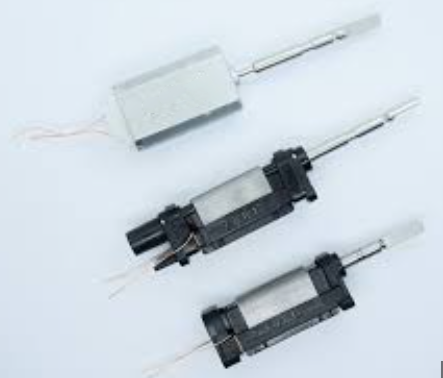
Electric toothbrushes have become a staple in oral hygiene, and the motor is the heart of their functionality. However, the difference between different manufacturers of electric toothbrush motors can significantly impact the toothbrush’s performance, durability, and cost. This blog explores how electric toothbrush manufacturers vary in technology, quality, and innovation, helping B2B buyers make informed decisions. Motor Technology and Performance One key difference between different manufacturers of electric toothbrush motors lies in the motor technology they use. High-end manufacturers often employ advanced sonic or oscillating motors, offering superior cleaning efficiency. In contrast, budget-friendly manufacturers might use basic rotary motors that are less powerful but more affordable. For instance, different electric toothbrush manufacturers targeting premium markets prioritize vibration frequency and noise reduction, while others focus on cost-efficiency for mass production. Quality and Material Standards Another factor that differentiates manufacturers is their commitment to quality and material standards. High-quality motors ensure longevity and consistent performance. Manufacturers who source robust materials and implement stringent quality control processes are often more reliable. On the other hand, some low-cost manufacturers might compromise on motor durability to reduce production costs, which can lead to a higher rate of product failure. Understanding this difference between different manufacturers of electric toothbrush…
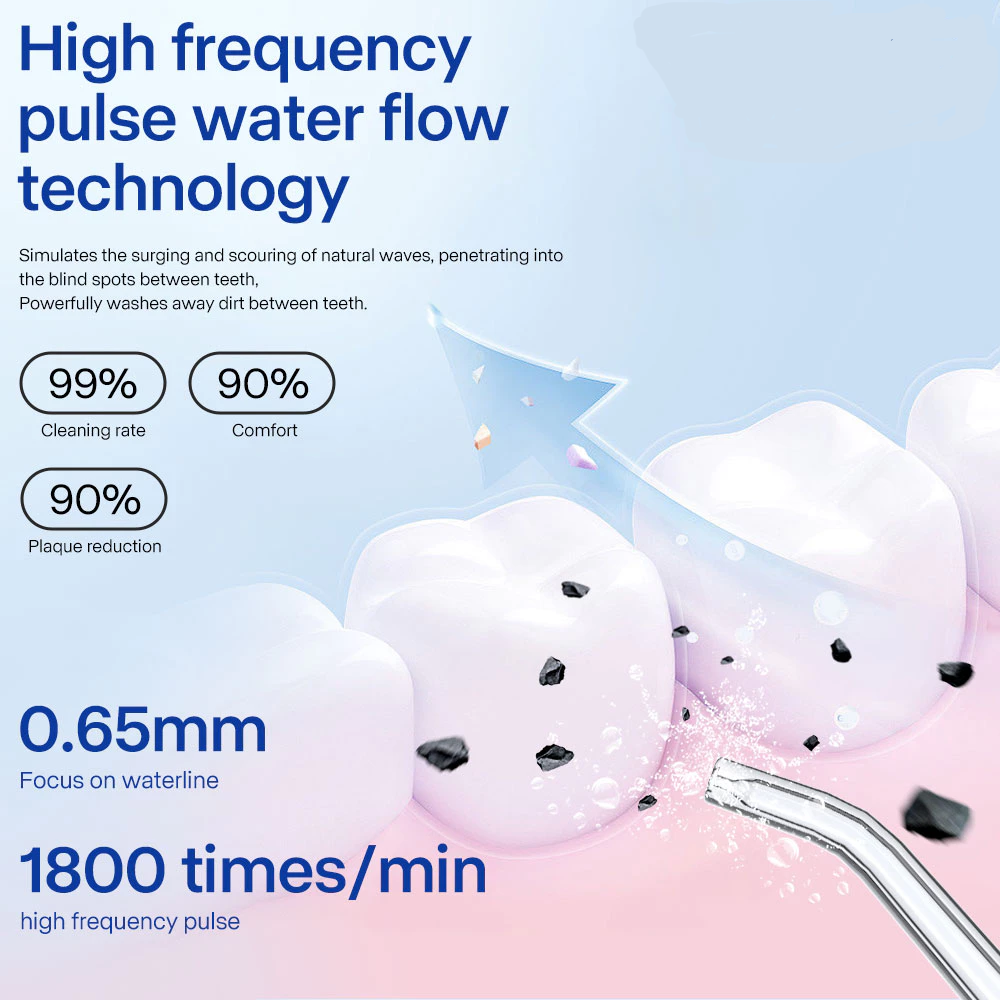
When selecting an electric toothbrush factory or buying a sonic toothbrush, understanding the vibration frequency of electric toothbrush models is crucial for ensuring effective and safe cleaning. This blog explores the ideal vibration frequency, why it matters, and how to select a recommended sonic electric toothbrush vibration for your oral care needs. Why Vibration Frequency Matters The vibration frequency of an electric toothbrush determines how efficiently it cleans your teeth. Higher frequencies allow the brush to remove plaque more effectively, even in hard-to-reach areas. However, excessive frequency can potentially damage sensitive gums and enamel, highlighting the importance of choosing the right balance. A recommended sonic electric toothbrush vibration typically ranges between 25,000 and 48,000 strokes per minute, striking the perfect balance between efficiency and comfort. Recommended Vibration Frequency for Different Users Adults: For adults with normal oral health, a vibration frequency of around 31,000 strokes per minute is ideal. This level ensures thorough cleaning without causing irritation. The frequency of Powsmart’s sonic electric toothbrushes could reach to around 31000-40000VPM, which gives strong clean ability. Sensitive Teeth and Gums: Users with sensitivity may benefit from brushes with adjustable settings, where the frequency can be lowered to around 25,000 strokes per minute. Children: Children's electric toothbrushes often feature a…
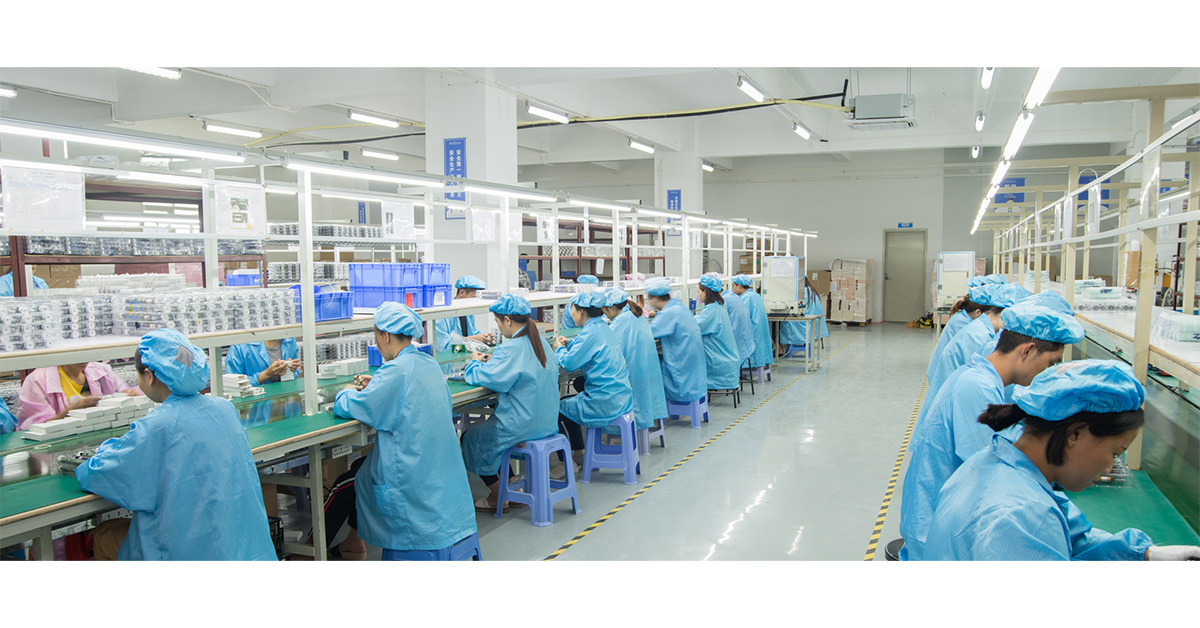
When selecting an electric toothbrush, many consumers assume that the power for an electric toothbrush directly determines its effectiveness. But is a stronger power always better? In this blog, as a direct factory of electric toothbrush, we’ll explore how Electric toothbrush power impacts performance, what factors to consider, and why balance is key to achieving optimal oral care. Understanding Electric Toothbrush Power The power is typically measured by its motor speed or oscillations per minute. While high-powered brushes can deliver faster cleaning motions, the effectiveness depends not only on speed but also on the design of the brush head, the angle of bristles, and the brushing technique. Overemphasizing Electric toothbrush power without considering these aspects might not lead to better results. Powsmart’s sonic motor designed, developed and produced by ourselves, which gives excellent cleaning ability, quite brushing and durability. Is Stronger Power Better? While higher power can help remove plaque more efficiently, excessive force or speed can harm sensitive gums and enamel. Studies show that ultra-powerful brushes without adjustable settings can cause gum recession or enamel wear over time, especially for individuals with sensitive teeth. Thus, the power for an electric toothbrush should be strong enough for effective cleaning but gentle enough to maintain oral…
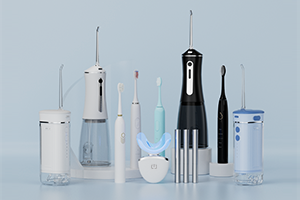
Brushing your teeth efficiently is essential for maintaining good oral hygiene, especially in today’s fast-paced lifestyle. With the help of an electric toothbrush, it’s possible to clean your teeth thoroughly in less time. In this blog, as an experienced sonic electric toothbrush manufacturer, Powsmart is going to share expert usage tips of electric toothbrushes to help you master the art of brushing your teeth quickly and cleanly. Choose the Right Electric Toothbrush The first step to effective brushing is selecting an electric toothbrush that meets your needs. Look for models with features like built-in timers, pressure sensors, and multiple brushing modes. These can help ensure that you brush efficiently without compromising on thoroughness. Sonic models, for example, are highly effective in removing plaque while being gentle on gums. Powsmart’s E series electric toothbrushes not only have 5 brushing modes, but also can offer three different power levels for options. Use the Two-Minute Timer Most electric toothbrushes come equipped with a timer to guide you through the recommended two-minute brushing routine. Divide your mouth into four quadrants and spend 30 seconds on each. This is one of the simplest ways to ensure you're brushing your teeth quickly and cleanly while covering all surfaces. 2 Mins brushing…

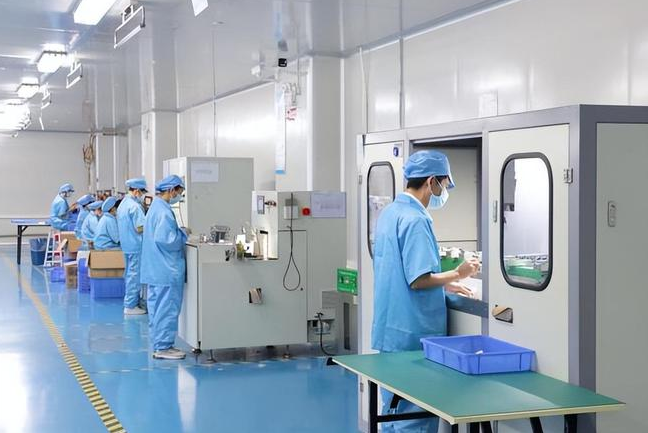
When it comes to manufacturing electric toothbrushes, the quality and performance of the motor play a pivotal role. Whether a factory has its own motor production line or relies on outsourced motors can significantly impact product quality, cost, and delivery timelines. In this article, as a sonic electric toothbrush manufacturer, we’ll explore the differences between these two approaches, focusing on how owning an electric toothbrush motor production line can be a game-changer for manufacturers. Quality Control and Customization A factory with its own motor production line has full control over the production process, allowing it to ensure consistent quality standards. These factories can implement rigorous testing protocols to meet specific performance requirements, resulting in higher reliability and longevity of the motors. On the other hand, factories relying on outsourced motors often face variability in quality due to limited oversight. Additionally, customization options for outsourced motors may be restricted, as the factory must work within the supplier’s capabilities and timelines. Cost Efficiency and Profit Margins While setting up an electric toothbrush motor production line requires a substantial upfront investment, it can lead to long-term cost savings. By producing motors in-house, factories can reduce reliance on third-party suppliers, lower production costs, and increase profit margins. Factories outsourcing motors,…
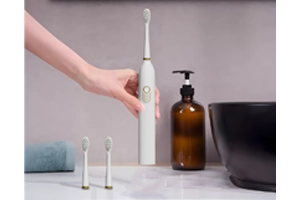
Many people wonder whether it’s safe to use an electric toothbrush in the shower. With busy lifestyles, multitasking during daily routines is becoming increasingly common. While this practice may seem convenient, it’s important to consider safety and proper handling when using an electric toothbrush in such environments. Are Electric Toothbrushes Shower-Safe? The ability to safely use an electric toothbrush in the shower largely depends on its design and waterproof rating. Most modern electric toothbrushes are built with water-resistant features, such as an IPX7 or IPX8 rating, which ensures they can withstand exposure to water. However, not all electric toothbrushes meet these standards. Users should always check the manufacturer’s guidelines and confirm that the device is explicitly labeled as shower-safe. Reliable electric toothbrush suppliers often highlight these details to reassure buyers. Benefits of Shower-Compatible Electric Toothbrushes Using an electric toothbrush in the shower can save time and streamline your oral hygiene routine. It’s especially convenient for those with tight schedules. Moreover, the steam from the shower may help loosen plaque, making brushing even more effective. However, ensuring proper care and following electric toothbrush usage tips is critical to maintaining the device’s longevity and performance. Precautions for Shower Usage To maximize safety and the…
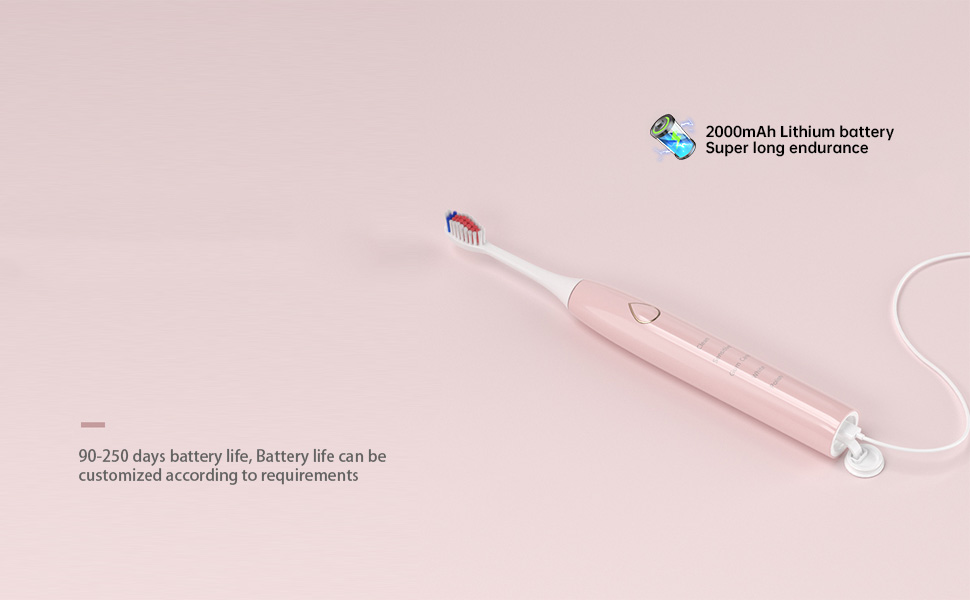
Lithium batteries have revolutionized the performance and reliability of electric toothbrushes. As a critical component, they provide long-lasting power and efficient operation, making them an essential consideration for any electric toothbrushes manufacturer. Why Lithium Batteries Are Ideal for Electric Toothbrushes Lithium batteries are widely used in electric toothbrushes due to their excellent energy density, compact size, and durability. Compared to traditional batteries, they can deliver consistent power over hundreds of charging cycles, ensuring optimal performance. For manufacturers, this means producing devices that meet customer expectations for longevity and reliability. Benefits of Lithium Batteries in Electric Toothbrushes: Long-lasting power: A single charge can last several weeks, enhancing user convenience. Lightweight design: Ensures a comfortable, ergonomic toothbrush structure. Environmentally friendlier: Many lithium batteries are designed to be recyclable, aligning with modern sustainability goals. Key Considerations for Electric Toothbrush Manufacturers Understanding the technical aspects of lithium batteries is crucial for designing high-performing devices. Battery Capacity: Toothbrushes typically require batteries with a capacity between 500mAh and 3000mAh, depending on usage patterns. Charging Systems: Incorporating fast-charging and overcharge protection features enhances safety and usability. Safety Standards: Lithium batteries must meet strict safety certifications such as CE, RoHS, and UN38.3 to ensure compliance in global markets. By collaborating with experienced battery suppliers,…

Developing a private electric toothbrush is an exciting opportunity for businesses looking to enter the competitive oral care market. By opting for an ODM (Original Design Manufacturer) model, brands can save time, reduce costs, and achieve a customized product tailored to their target audience. In this blog, we’ll break down the process of developing ODM toothbrush solutions, from initial concept to final production, and highlight why working with an ODM electric toothbrush manufacturer like Powsmart is a smart choice. Research and Market Analysis Before starting development, conducting thorough research and market analysis is essential. Identify your target audience, preferences, and pain points. For example, are you targeting families, travelers, or those seeking high-tech features like sonic vibrations? Analyze competitors to discover gaps in the market, which will guide the design and functionality of your private electric toothbrush. Collaborating with an ODM Electric Toothbrush Manufacturer The next step is selecting an experienced ODM electric toothbrush manufacturer. A reputable partner will provide a range of existing designs and customization options, including brush heads, motor types, and aesthetic features. Working with an ODM manufacturer reduces the development timeline significantly while ensuring compliance with industry standards. Established in 2004, Powsmart Technology Co, Ltd. is a professional manufacturer which carries R&D,…

As more parents consider advanced options for their children’s oral hygiene, Kids Electric Toothbrush products have become increasingly popular. But one common question remains: at what age is it appropriate for children to start using an electric toothbrush? In this blog, we’ll explore expert recommendations, the types of electric toothbrushes available, and how to select the best option for different age groups. Recommended Age for Kids to Start Using Electric Toothbrushes Most dental experts agree that children can start using an electric toothbrush around the age of three. This age allows for better hand coordination, making it safer and easier for kids to manage a powered toothbrush. However, supervision remains essential, especially with younger children. Starting at this age with a gentle Kids Electric Toothbrush helps children become accustomed to proper brushing techniques and establishes good oral care habits early on. Choosing the Right Electric Toothbrush for Different Ages For younger children, it’s important to choose a toothbrush with soft bristles and a gentle, oscillating motion. Many Kids sonic toothbrush options are specifically designed for children’s delicate gums and emerging teeth. Sonic technology provides thorough cleaning while keeping the vibrations gentle enough to avoid discomfort. For older children, models with built-in timers or…
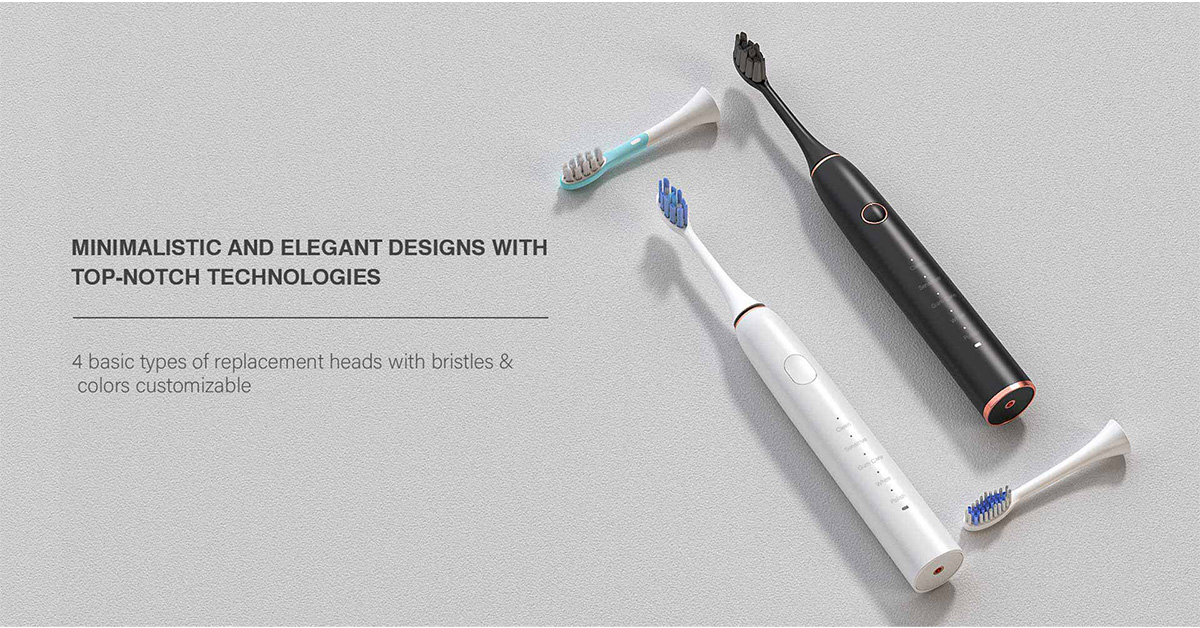
In recent years, the electric toothbrushes market trends have shown rapid growth due to increasing awareness of oral hygiene and advancements in dental technology. Consumers are seeking effective and convenient dental care solutions, leading to a surge in demand for electric toothbrushes. According to market research, the global electric toothbrush market is expected to grow at a steady rate. Because of rising disposable income, product innovation, and increased availability of premium products. The Rise of Sonic Toothbrushes and Specialized Products One significant trend within the market is the increasing popularity of sonic toothbrushes. These toothbrushes use high-frequency vibrations to provide efficient cleaning, making them a preferred choice among consumers. The sonic toothbrush business is experiencing a significant rise, as more manufacturers develop products catering to both high-end and budget-conscious segments. Powsmart released one type of SWEEP SONIC toothbrush this year, which can achieve 30-60°vibration, Imitating Bass brushing method. Contact us if you wanna ask for a quote or test the sample. Key Factors in the Competitiveness of Electric Toothbrushes The competitiveness of electric toothbrushes in the market is largely driven by innovation, pricing, brand reputation, and customer loyalty. Features like app connectivity, smart sensors, and personalized brushing modes have become essential in attracting customers.…

In the electric toothbrush market, the electric toothbrush cost difference vary significantly from different factories, and there are many complex factors behind this. Understanding the difference in the cost of electric toothbrushes and the factors that affect them can help brands make more informed decisions when choosing suppliers. Raw material cost The raw material cost of electric toothbrushes is an important factor affecting the overall production cost. The price of high-quality batteries, motors, plastic casings and other materials will directly affect the cost of electric toothbrushes. 1)Battery cost difference Common battery types are: alkaline batteries, nickel metal hydride batteries (NiMH) and lithium-ion batteries. Alkaline batteries Alkaline batteries are non-rechargeable batteries, but they have extremely low self-discharge rates and costs. NiMH batteries or lithium-ion batteries are rechargeable batteries. NiMH batteries cost less than lithium-ion batteries. Electric toothbrushes using lithium-ion batteries usually have higher raw material costs than products using nickel metal hydride batteries. Not only that, the design of portable devices like electric toothbrushes depends largely on the performance of the battery. The key indicator of the battery is of course the battery life. A good electric toothbrush does not need to replace the battery frequently, nor does it need to…
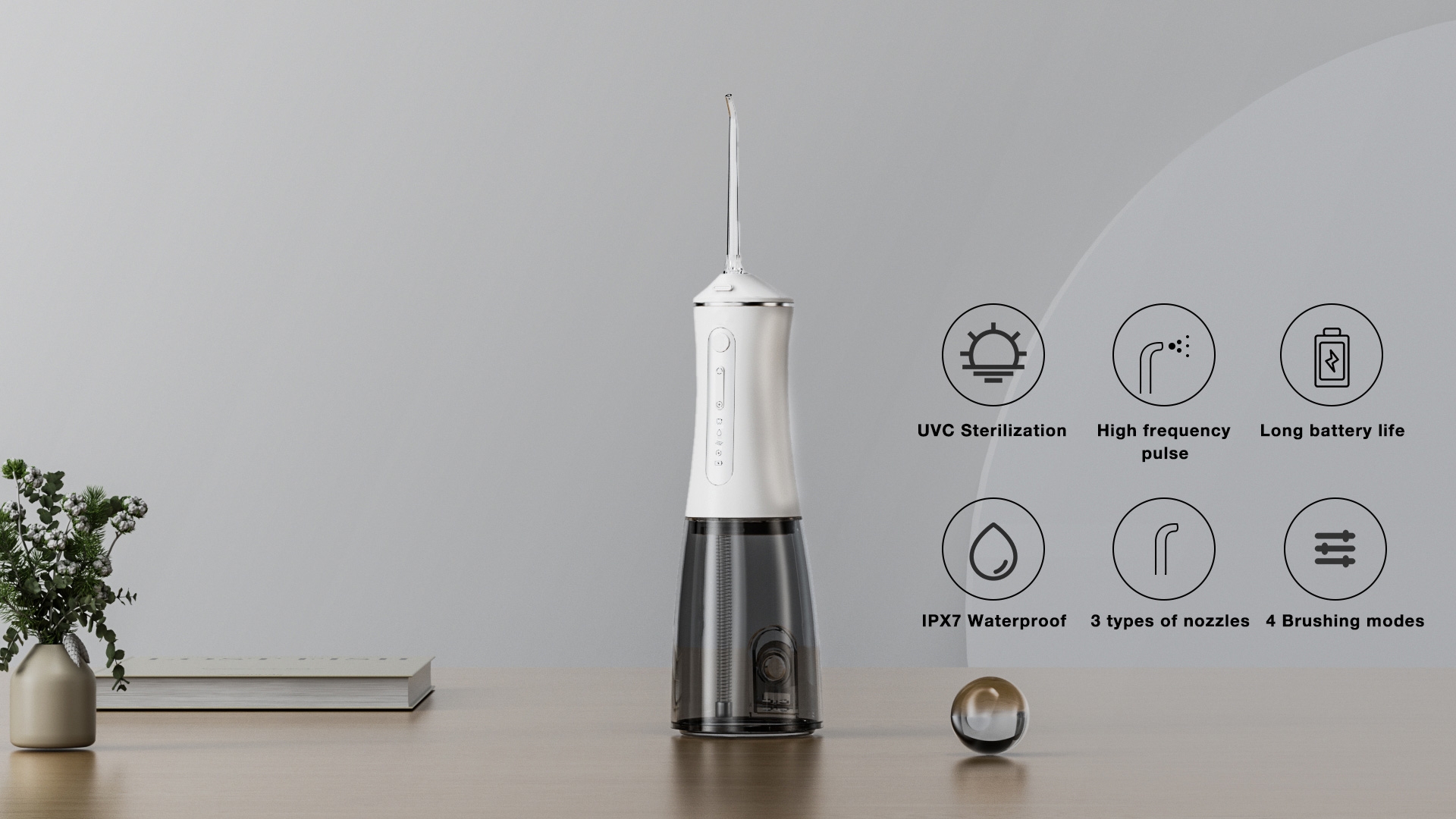
If you're sourcing oral irrigator, this bog will tell you how to choose the water flosser. An oral irrigator is a tool that cleans the teeth by pressurizing water and spraying it into the mouth. It has two different types: countertop and portable. Countertop: This type of oral irrigator is relatively large and needs to be charged before it can be operated, so it is more suitable for use at home and is not very convenient to carry out. It provides multiple gears to choose from to adapt to different usage scenarios. Its water tank has a large capacity and can meet the cleaning needs of the entire family after being filled with water once. Portable: It only has a charging station and the water tank is located at the handle. This type of oral irrigator is the smallest size on the market and can be easily held in the hand, making it very convenient to carry. Due to its compact size, small water tank capacity, and limited adjustable gear modes. If you need to use it frequently, it is a good choice; but if you need more adjustable gear modes, you may need to consider other options. How to…
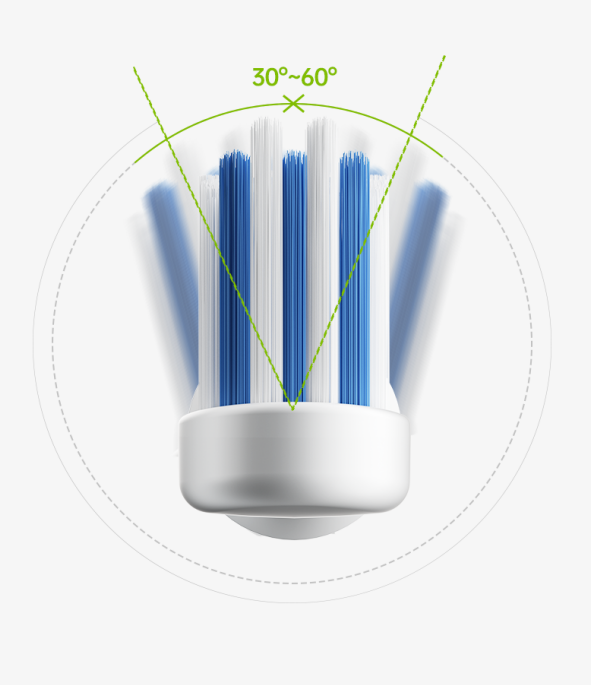
According to market research, the demand for electric toothbrushes continues to grow. The market size is expected to reach $15 billion by 2025. By creating their own WAVE electric toothbrush brand, companies can effectively meet this market demand and position themselves as high-end and personalized products. Enhance brand value By choosing a private label strategy, companies can better control their brand image and product quality. Data shows that companies using private label products can usually increase their market share and increase brand loyalty by about 25%, laying the foundation for long-term development. Competitive advantage and differentiation With their own WAVE electric toothbrush brand, companies can differentiate themselves in design, function and packaging. For example, by combining user feedback for customization, providing different brush heads and modes, enhancing product appeal, and thus standing out in a highly competitive market. In addition, the new generation of WAVE electric toothbrushes is different from conventional sonic electric toothbrushes in that they are not limited to traditional swinging. What's more? The brush head can reach a sweeping vibration amplitude of 30-60 degrees. Thus the new generation WAVE electric toothbrush can clean the gaps between teeth more efficiently. Flexibility of OEM services Through OEM services, companies…
1. Pearl River Delta: The Heart of Global Electric Toothbrush Production As an important manufacturing base in China and even the world, the Pearl River Delta region gathers many Electric toothbrush factories and is one of the main production bases for high-quality electric toothbrushes. Cities such as Shenzhen, Dongguan, and Guangzhou not only have a complete supply chain, but also have advanced manufacturing technology and equipment, providing a steady supply of electric toothbrushes for domestic and foreign brands. The products produced here are widely exported to international markets such as Europe, America, Japan, and South Korea. In 2023, the export volume of electric toothbrushes in Shenzhen alone increased by 15%. Established in 2004, Powsmart Technology Co, Ltd. is a professional manufacturer which carries R&D, production of electric toothbrush, water flosser and teeth whitening device. We had launched various oral care products and stuck to top quality standards. All of our electric oral care products have CE, FCC, ROHS and FDA certification. Covering an area of 5000 ㎡, Powsmart https://www.powsmart.com/ have industry-leading automated equipment and standardized production process. Monthly production capacity reaches 300,000+ pcs. We can not only shorten the delivery time for brand owners but also provide off-the-shelf branded products…
Wave electric toothbrushes have become the product of choice for more and more consumers. As manufacturers of Wave electric toothbrushes, we understand its superior benefits. The most notable feature of the Wave electric toothbrush is that it combines oscillating and vibrating. Compared with single sonic vibration, this dual action that combines vibration and wave oscillation can effectively destroy and clear dental plaque. The vibration mode generates power through high-frequency vibrations that can penetrate deep into the gaps between teeth, while the wave oscillation simulates the action of traditional manual brushing to help clean stains on the teeth. This combination of dual actions makes the wave oscillation-and-vibration electric toothbrush more efficient at cleaning teeth. Improve cleaning effect The WAVE electric toothbrush combines large wave oscillation and vibrations to destroy and remove plaque more effectively, removing 38% more plaque than a manual toothbrush. This design imitates the BASS brushing method, which is scientific and has better cleaning effect. The oscillation and vibraion of Powsmart's WAVE electric toothbrush could be customized from 30°-60°. Easy to use, suitable for all everyone For the elderly with poor hand dexterity or young people with dental correction needs, the design of the WAVE electric toothbrush is more user-friendly, simple and efficient to use. Through the brushing experience of different wave oscillation modes,…
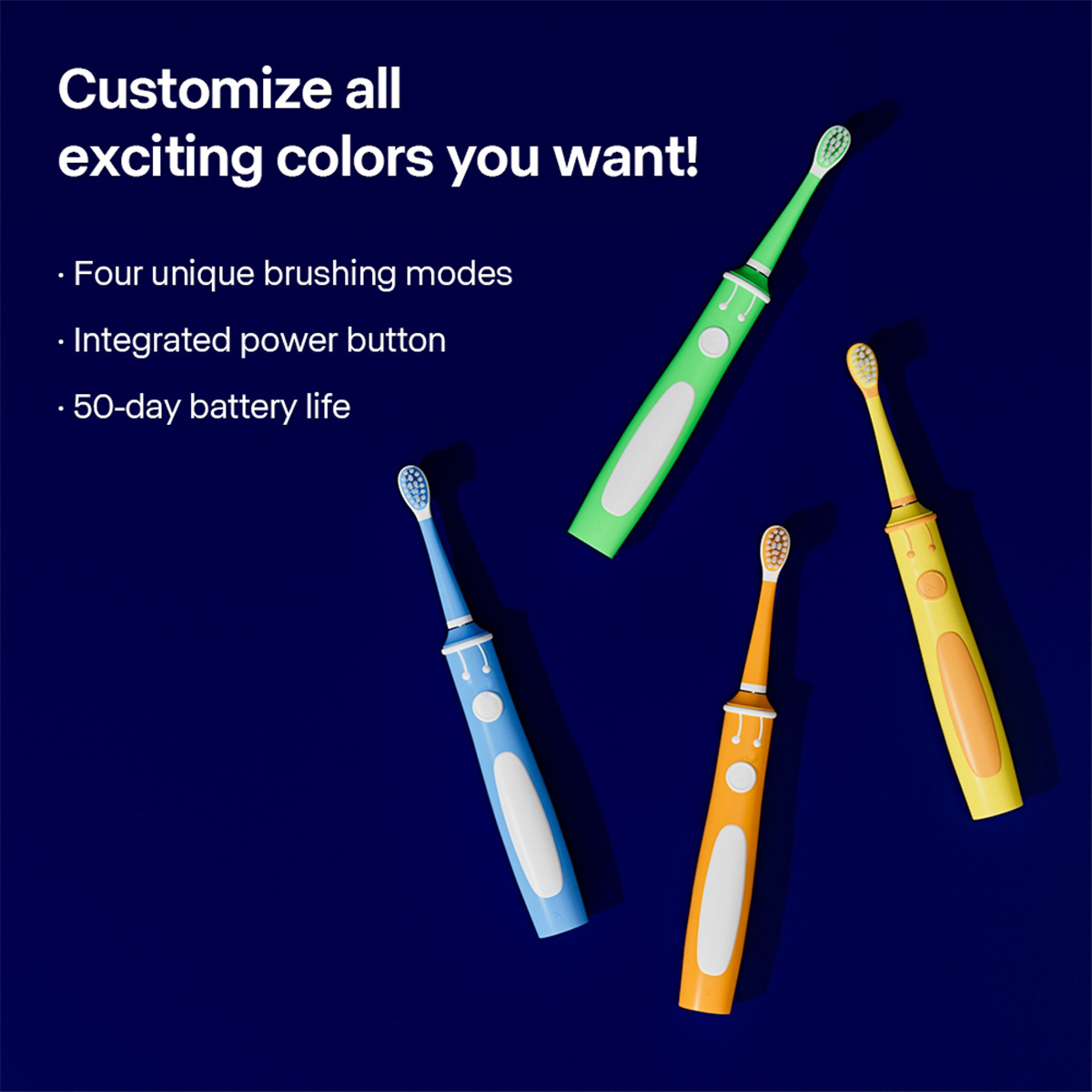
Functional Comparison Ultrasonic toothbrushes use sound waves (over 20,000 Hz) to remove plaque, while sonic toothbrushes use high-frequency sonic vibrations (about 31000-40000) to clean teeth. Studies have shown that ultrasonic toothbrushes perform better in plaque removal, with data showing that they can reduce plaque by up to 70%. Cleaning Effect In terms of cleaning effect, ultrasonic toothbrushes can penetrate between teeth and hard-to-reach areas. According to a clinical trial, people who used ultrasonic toothbrushes improved their gum health index by 30% within three months. Sonic toothbrushes, on the other hand, rely on the mechanical movement of the brush head, which is also effective, but the cleaning depth is relatively shallow. User Experience Ultrasonic toothbrushes are usually quieter and vibrate less, making them more comfortable to use and suitable for people with sensitive gums. In contrast, the vibration of sonic toothbrushes is stronger, which may make some users feel uncomfortable. However, according to market research, about 65% of users prefer sonic toothbrushes because they have obvious cleaning effects and are easy to control. Cost Analysis The price of ultrasonic toothbrushes is generally higher than that of sonic toothbrushes, but the oral health benefits brought by long-term use are often higher. Many…
In recent years, with the development of technology, the functions of electric toothbrushes have become more and more abundant, ranging from simple brushing functions to complex intelligent analysis. For example, sonic technology (xx) can deeply clean the gaps between teeth. Bluetooth connection (xxx) can synchronize the toothbrush with the mobile phone APP to provide personalized brushing suggestions. So, in the face of these various functions, how should consumers choose? Are these functions really as effective as advertised? In-depth analysis: Practical comparison of different functions Sonic technology (xx): Sonic toothbrushes use high-frequency vibrations to push toothpaste foam deep into the gaps between teeth, which can theoretically achieve a more thorough cleaning effect. However, studies have shown that for most users, the cleaning effect of sonic technology and traditional electric toothbrushes is not significantly different. Sonic technology can only show its advantages when the gaps between teeth are large or periodontal health is poor. Bluetooth connection (xxx): The emergence of Bluetooth connection function has brought electric toothbrushes into the smart era. Through Bluetooth connection with mobile phone APP, users can monitor their brushing habits in real time and get feedback on data such as brushing time and intensity. Although this feature seems…
Is your electric toothbrush giving you trouble? Here's a guide on what to do when your electric toothbrush stops working. Electric toothbrushes have been proven to be more effective in removing surface plaque than manual toothbrushes in many scientific study. They make oral hygiene not just efficient but also enjoyable. However, like any electrical device, electric toothbrushes can encounter issues that cause them to malfunction. In this blog, Let's dive into common problems and how to troubleshoot them. Short battery life makes it inconvenient to use The battery life of an electric toothbrush is one of the key factors that affects the user experience. Many users have reported that the battery life is significantly shortened after using an electric toothbrush for a period of time, resulting in frequent charging and inconvenience. This problem usually stems from substandard battery quality or charging design flaws. To solve this quality issue, A high-quality lithium battery selection can significantly extend the life of electric toothbrushes and reduce user inconvenience. All of Powsmart’s sonic electric toothbrushes are built in 2000mAh lithium battery, which could last for over 90 days based on 4 mins use. Electric motor failure affects cleaning effect The electric motor is the core component of an electric…
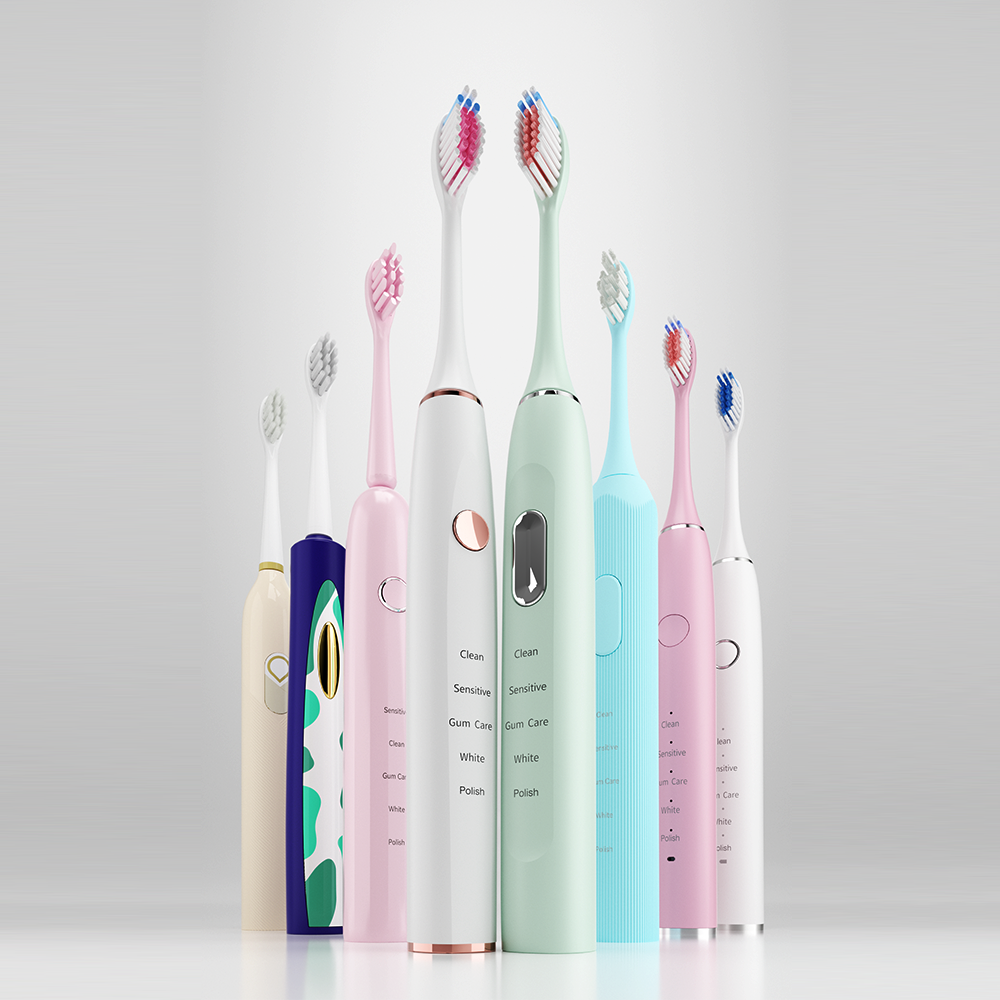
There are two popular electric toothbrushes on the market: sonic toothbrushes and sweeping electric toothbrushes. So, what is the difference between them? This article will explore the difference between sonic toothbrushes and sweeping electric toothbrushes in detail and help consumers make a more informed choice. 1. Working principle Sonic toothbrushes use sonic vibration technology to generate flowing water and toothpaste foam through high-frequency vibrations to deeply clean teeth and gums. Sonic toothbrushes usually vibrate up to 31,000 times per minute, which can effectively remove dental plaque. In contrast, sweeping electric toothbrushes use motors to drive the brush head to rotate or sweep back and forth. Its vibration frequency is relatively low, but the sweeping electric toothbrush has a larger range of movement of the brush head, which can better cover the tooth surface and has excellent cleaning effect. 2. Cleaning effect The high-frequency vibration of the sonic toothbrush can effectively remove dental plaque and can penetrate deep into the gaps between teeth to achieve a deep cleaning effect. It is especially suitable for people with sensitive teeth, because its vibration is relatively gentle and will not cause too much stimulation to the gums. The cleaning effect of the sweeping vibration electric…


.jpg)
.jpg)
.jpg)
.jpg)
.jpg)






.jpg)
.jpg)