.jpg)
As awareness around oral health continues to grow, a large segment of consumers is shifting toward sensitive gums oral care solutions. People with gum irritation, bleeding, or post-treatment sensitivity are actively seeking gentler alternatives. For oral care brands, this presents a promising niche. But to capture this market, it’s essential to collaborate with a manufacturing partner that specializes in gentle oral care products manufacturing. This blog serves as a guide for brand owners looking to develop or expand their oral care products for sensitive gums portfolio. Understanding the Needs of Sensitive Gums Users Before launching a product line, it's crucial to understand the specific needs of users with sensitive gums. Key concerns include: Avoiding harsh bristles or aggressive brushing mechanisms Minimizing chemical irritants in toothpaste or rinse formulations Seeking soothing, anti-inflammatory ingredients (like aloe vera, chamomile, or allantoin) These users prioritize comfort, safety, and clinical efficacy, which should be reflected in your product design and ingredient choices. What Makes an Oral Care Product “Gentle”? When sourcing or developing gentle oral care products for sensitive gums, brands must consider: Soft or ultra-soft bristles in toothbrushes, especially sonic or electric types Low-abrasive toothpaste formulas without sodium lauryl sulfate (SLS) Water flossers with pressure control to avoid damaging…

As global demand for dental hygiene rises, stocking your retail or online store with competitive oral care items is more critical than ever. Retailers and private label brands looking to maximize profit margins and customer satisfaction should consider wholesale oral care products and bulk dental supplies as a strategic solution. This blog explores how to source high-quality oral care products in bulk, highlights the benefits of working with an OEM oral care supplier, and provides insights into building a long-term, cost-effective supply chain. Advantages of Buying Oral Care Products in Bulk Purchasing store oral care products in bulk offers multiple advantages for both small retailers and large distributors: Cost Efficiency: Lower unit prices and reduced packaging/shipping costs significantly improve your profit margins. Inventory Stability: Bulk orders help ensure stock availability, especially during high-demand periods like back-to-school, holidays, or promotional seasons. Brand Scalability: Working with reliable bulk suppliers makes it easier to expand your product range as your business grows. Whether you're sourcing electric toothbrushes, manual toothbrushes, or water flossers, bulk dental supplies allow you to streamline operations and reduce overhead. Choosing the Right OEM Oral Care Supplier If you're considering launching your own brand or customizing your product line, working with an experienced OEM oral…
The global oral care market is evolving rapidly. Today’s consumers are no longer satisfied with just clean teeth—they demand smarter, safer, and more sustainable solutions. For oral care brands looking to expand or diversify, understanding what’s driving the category today is essential. In this blog, we’ll explore the key oral care trends shaping the industry, from dental hygiene innovation and the rising electric toothbrush demand to the growing interest in sustainable oral care and advanced whitening technology. Electric Toothbrush Demand Is Surging One of the strongest signals of growth in driving the oral care category is the continued rise in electric toothbrush demand. Consumers across various demographics are upgrading from manual brushes to smart-powered devices due to their enhanced cleaning capabilities, built-in timers, pressure sensors, and app integration. This trend opens up major opportunities for product differentiation, especially for brands offering: Customizable brushing modes Sleek, ergonomic designs Connected app ecosystems For brands looking to launch or scale electric toothbrush lines, this trend emphasizes the need to partner with manufacturers experienced in precision electronics and high-speed injection molding. Whitening Technology Drives Consumer Desire Teeth whitening is no longer a luxury—it’s becoming a daily routine. New whitening technology is influencing product innovation across the board. From…
In recent years, small business oral care ventures in TK have gained significant momentum. From local pharmacies and dental boutiques to ecommerce-based personal care startups, the growing awareness around dental hygiene is opening up new opportunities for entrepreneurs. But the question remains — are oral care products suitable for TK a viable business model for small-scale operations? In this blog, we analyze the TK market potential for oral care products and explore effective startup strategies for launching a dental hygiene business. Understanding the TK Market Potential The TK oral care market has seen increased consumer demand driven by rising health consciousness, urbanization, and digital access. Here’s why small businesses can thrive in this space: Growing demand for dental hygiene: Consumers in TK are becoming more proactive about oral health, especially post-pandemic. Low market saturation in niche segments: There is still room for differentiated brands offering innovative or localized oral care solutions. Supportive infrastructure: Access to contract manufacturers and online marketing platforms makes it easier to launch and scale. With the right positioning, small businesses can tap into unmet needs in both urban and semi-urban regions, especially by offering affordable oral care solutions. Product Opportunities for Small Businesses When it comes to oral care…
-2-scaled.png)
In today’s competitive personal care market, small business oral care has emerged as a promising niche within the broader health & household products category. Consumers are increasingly aware of the importance of dental hygiene, driving demand for specialized, effective, and sustainable products. For small brands looking to enter or scale within this space, finding the right manufacturing partner is key to delivering the best oral care products to the market. This blog outlines the essential steps and strategies to help small oral care brands connect with capable manufacturers and offer high-quality, affordable oral care solutions. Understanding the Small Business Oral Care Landscape The oral care industry is evolving beyond basic toothbrushes and toothpaste. Today’s consumers expect more from health & household products, including features like sonic brushing, eco-friendly packaging, and multi-functional oral hygiene kits. For small businesses, this creates opportunities to innovate, differentiate, and fill market gaps not addressed by major brands. Whether you’re launching a new electric toothbrush line or a curated set of whitening and gum care kits, the market rewards those who focus on quality and targeted problem-solving. Identifying the Best Oral Care Products for Your Brand Before approaching manufacturers, it’s essential to define your product range. Consider including…
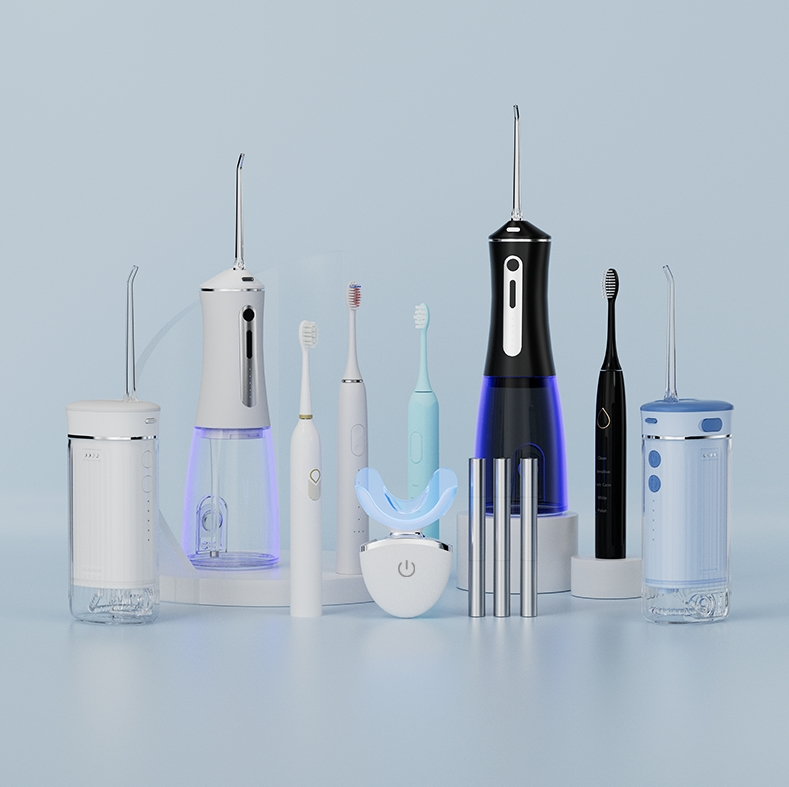
The global oral care business is undergoing a rapid transformation. This is driven by heightened consumer awareness, innovation, and demand for personalized hygiene solutions. No longer limited to basic toothbrushes and toothpaste, today's market includes a wide variety of oral hygiene products. Like electric toothbrushes, oral irrigators, teeth whitening kits, and more. As competition intensifies, many oral care brands are now looking for strategic manufacturing partners to meet the rising demand for quality, innovation, and scalability. This blog explores key oral care market trends, emerging opportunities in oral care. And why now is the ideal time for brands to invest in strong partnerships with reliable OEM/ODM manufacturers. Oral Care Market Trends: What’s Driving Growth? The dental industry growth is fueled by several critical trends shaping consumer behavior and product development globally: Increased awareness of preventive care: More people are proactively investing in oral hygiene products to prevent dental issues before they arise. Technological innovation: Smart toothbrushes, water flossers with multiple pressure modes, and app-connected devices are redefining oral care routines. Sustainability and personalization: Consumers demand eco-friendly materials, recyclable packaging, and customizable care options tailored to specific dental needs. These oral care market trends are creating significant demand for high-quality, differentiated products—offering manufacturers the…
In recent years, oral care has transcended its traditional role of hygiene and stepped into the spotlight of the beauty industry. No longer just about cavities and floss, oral care is now about smile aesthetics, digital integration, and luxury experiences. The rise of the oral care beauty trend has opened new doors for both product innovation and branding—making it one of the most dynamic and fast-growing beauty categories of the decade. This shift has created major opportunities for global beauty brands and up-and-coming oral care startups alike. Whether you're a distributor or private label brand owner, understanding the convergence of cosmetic dentistry and beauty-tech is the key to staying competitive—and finding the right manufacturing partner is step one. The Rise of Smile Aesthetics and Cosmetic Dentistry Thanks to social media and influencer culture, a bright, aligned smile is no longer just a health marker—it's a beauty statement. Consumers are seeking treatments and products that enhance their smile aesthetics, from teeth whitening pens to LED-powered whitening kits. As cosmetic dentistry becomes more mainstream, the at-home oral care market has boomed. Consumers are looking for non-invasive alternatives to clinical procedures, including enamel-safe whitening strips, sonic toothbrushes, and oral care serums—making the bridge between medical-grade care and…
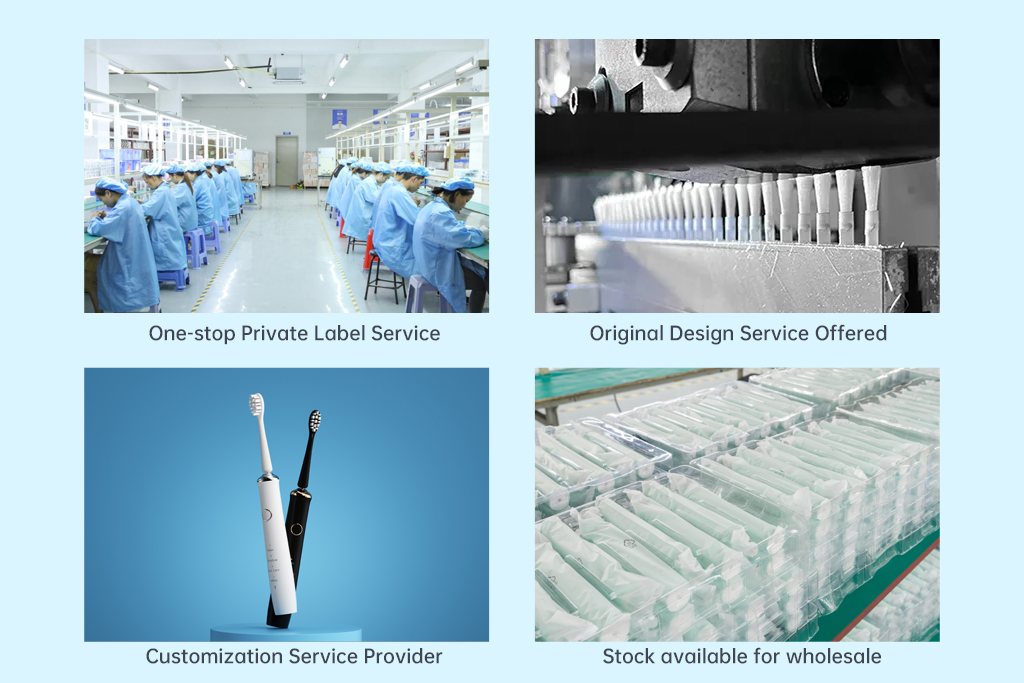
With the competitive dental care market growing rapidly, competition among oral care brands is fiercer than ever. To stand out, brands must understand which competitive oral care products are currently in demand and what consumers are looking for in their oral hygiene routines. From dental care market trends to oral hygiene innovations, this blog provides manufacturers and brand owners with a clear roadmap to product development and strategic sourcing. Understanding Dental Care Market Trends To succeed in today’s oral care industry, it’s critical to align with current dental care market trends. Key developments include: Increased awareness of preventative care Consumer demand for personalized and tech-enabled products Rising preference for eco-friendly and sustainable options Growth in at-home oral care routines, especially post-pandemic These trends are shaping the future of what qualifies as high-demand dental products, forcing manufacturers and brands to evolve beyond traditional brushes and pastes. Characteristics of Competitive Oral Care Products What makes a product truly competitive in this saturated market? Here are key characteristics: Functionality & Innovation: Products that integrate new technology or design for better results—think sonic vibration, pressure sensors, and AI feedback apps. User-centric design: Sleek, ergonomic, and easy-to-use products win user loyalty. Scientific validation: Backed by dental professionals…
.jpg)
The global oral care industry is growing rapidly, but so is the competition. New brands emerge every year, often offering similar products. In such a competitive oral care market, establishing a clear identity and purpose is critical. To succeed, businesses must focus on oral care branding strategies that emphasize uniqueness, consistency, and customer relevance. This blog provides a six-part guide on how to create a differentiated oral care brand that stands out and gains consumer trust. Define Your Unique Selling Proposition (USP) in Oral Care A strong Unique Selling Proposition (USP) in oral care is the foundation of brand differentiation. What makes your product line different from existing options? Are your products eco-friendly or clinically proven? Do you focus on a niche audience such as sensitive gums, teens with braces, or luxury dental tools? Are you leveraging innovative technologies like AI brushing guidance or nano-coating? Your USP should address a specific problem or deliver a unique benefit that resonates with your target audience. It’s what your marketing, product design, and partnerships should consistently reinforce. Conduct Market and Competitor Research Before defining your brand positioning, thorough market research is essential. Study existing dental hygiene brand differentiation efforts by competitors. Analyze gaps in offerings, customer complaints,…
In today’s highly competitive oral care market, attracting new customers is only half the battle—retaining them is where true growth lies. Building strong oral care brand loyal users means that users not only choose your product repeatedly, but they also advocate for your brand. For manufacturers and brand owners alike, investing in the right retention strategies for oral care is key to long-term success. In this article, we explore actionable steps to transform first-time buyers into repeat customers through proven tactics such as customer loyalty programs, smart user engagement in oral care, and effective repeat purchase strategies. Understand the Customer Journey in Oral Care The first step in building oral care brand loyalty is understanding how customers interact with your products—from discovery to daily usage. Oral care is a habitual activity, and your product must seamlessly fit into that routine. Tips: Map out key touchpoints (e.g., first use, refill cycle, user education) Collect data on product usage patterns Use surveys or social listening to understand pain points Understanding where users may lose interest helps you better tailor communication and experiences that keep them engaged. Create Seamless and Educational Onboarding Experiences The first impression sets the tone for future loyalty. Educating users on…
When developing a successful electric toothbrush, one critical consideration for oral care brands and manufacturers is the electric toothbrush charging system. The type of charging method used can significantly impact user experience, product lifespan, and ultimately, brand reputation. This article explores various charging technologies — including wireless charging, contact charging, and USB-C charging — and evaluates their pros, cons, and charging failure rate to help brands make informed choices. Contact Charging: Proven but Sensitive to Wear Contact charging is one of the most widely used methods in electric toothbrushes. It involves direct metal-to-metal contact between the brush and the charging base. Pros: Cost-effective and easy to integrate into existing product designs Fast charging with relatively simple electronics Cons: Charging reliability may degrade over time due to corrosion or dirt buildup on the contact points Higher charging failure rate in humid environments or after prolonged use This method is suitable for entry-level or cost-sensitive product lines, but brands seeking long-term durability may prefer alternatives. Wireless Charging: Sleek and Sealed Wireless charging (inductive charging) eliminates metal contacts, using electromagnetic fields to transfer energy through the plastic housing. This technology is becoming increasingly popular in premium models. Pros: Enhanced waterproofing and aesthetic appeal Fewer moving parts and better longevity Lower…

In the competitive oral care industry, building a trusted brand is not only about innovative designs or sleek packaging—it’s also about reliability. However, many companies overlook a critical factor that can significantly erode their bottom line and brand equity: high after-sales costs. For an oral care brand, after-sales costs such as warranty claims, product returns, and repairs—especially for electronic items like electric toothbrushes—can quickly escalate. In this blog, we’ll explore the impact of high warranty claims, analyze how electric toothbrush repair costs can add up, and offer strategies for reducing oral product returns while boosting customer retention. The Real Cost of After-Sales: Beyond Warranty Claims Oral care brand after-sales costs include far more than just processing product returns. These hidden expenses can involve:\n\n- Customer service manpower and infrastructure\n- Logistics and return shipping fees\n- Replacements and refund processing\n- Repair costs (especially for high-value electric toothbrushes and oral irrigators)\n\nWhen these costs are not under control, they eat into profit margins and force brands to cut budgets elsewhere—like marketing, R&D, or product innovation. The Impact of High Warranty Claims on Profitability Frequent product failures result in an increased number of warranty claims. These not only lead to direct financial losses but also undermine consumer trust. The…
In today’s highly competitive oral care market, many brands are drawn to the promise of low-cost electric toothbrushes and custom water flossers from budget-focused OEM factories. While the upfront price may be attractive, these choices often come with hidden risks that can harm product quality, brand reputation, and long-term growth. This article uncovers five key hidden risks for brands that seek to launch or expand their product lines with budget OEMs, and why quality, not just cost, should be the priority when sourcing OEM oral care products. Quality Control Issues: What You Save Now Could Cost You Later One of the most common and damaging issues with low-cost electric toothbrushes & water flossers is inconsistent or poor quality control. Budget manufacturers often cut corners on materials, components, and assembly processes to meet low pricing expectations. Product failures (e.g., weak battery life, malfunctioning motors, leaks) Non-compliance with regional safety certifications (CE, FDA, etc.) High return rates that damage profit margins and brand image For any brand, sacrificing quality control to save costs can lead to long-term customer distrust and loss of credibility. Limited R&D and Outdated Technology Innovative features like Bluetooth connectivity, smart sensors, or adaptive pressure control are now standard in mid-to-high-end oral care devices.…
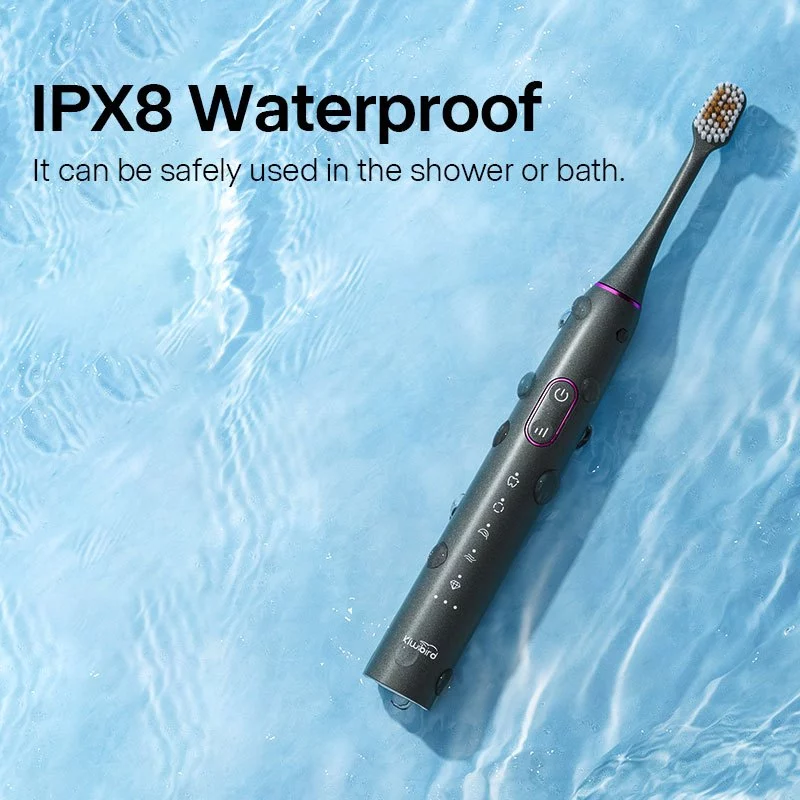
In today’s competitive oral care market, electric toothbrushes come in a wide range—from simple budget models to premium smart designs. For oral care brands seeking to source reliable manufacturers, understanding the core electric toothbrush differences is crucial for developing a product portfolio that aligns with consumer expectations and pricing strategies. This blog offers a toothbrush comparison between cheap electric toothbrushes and high-end electric toothbrushes, highlighting 5 key differences to guide your sourcing and product development decisions. Motor Technology & Performance One of the most fundamental differences lies in the motor system. Cheap electric toothbrushes typically use basic vibration motors with lower RPMs (around 6,000–12,000 strokes/min). These models provide basic plaque removal but limited deep-cleaning capabilities. High-end electric toothbrushes, on the other hand, feature high-frequency sonic or oscillating-rotating motors that can reach up to 40,000 strokes/min. These deliver superior plaque removal and gum stimulation. ? When selecting a manufacturing partner, assess their capability in producing motors with variable frequency or sonic technology—key aspects of oral care technology today. Battery & Charging Options Battery quality directly impacts product usability and consumer satisfaction. Budget models often use AA batteries or low-cost rechargeable cells with short lifespan and limited usage per charge. Premium models typically include long-lasting lithium-ion batteries, fast-charging…
.jpg)
In recent years, the oral care market has undergone a significant transformation. Consumers are no longer satisfied with generic products—they seek personalized, innovative, and wellness-oriented solutions. This growing demand has given rise to a new generation of oral care brand startups that focus on differentiation, user experience, and design-driven products. But launching a new brand comes with manufacturing challenges, especially when minimum order quantities (MOQs) are high. That’s where low MOQ orders and small-batch customization options can make all the difference. Why Small-Batch Customization Matters Small-batch customization allows new oral care brands to develop unique, custom-designed products such as custom electric toothbrushes or OEM dental care products—without the financial burden of large-scale inventory. Key advantages include: Market testing: Launch limited-edition designs or test formulations before committing to mass production. Cash flow control: Lower initial investment for production helps startups preserve capital for marketing, branding, or R&D. Product flexibility: Rapid iteration of product features, packaging, and design based on customer feedback. By offering low MOQ orders, manufacturers empower emerging brands to enter the market more confidently and creatively. Custom Electric Toothbrush: A Case for Small Runs Developing a custom electric toothbrush is one of the most popular routes for new oral care brands. Thanks to advancements…
.jpg)
With rising income levels, urbanization, and growing health awareness, the oral care market in Southeast Asia is witnessing rapid growth. For brand owners looking to expand internationally, this region presents enormous potential. However, to succeed, it’s crucial to understand regional dynamics and craft a strong strategy of entering oral care market for brand owners that aligns with local realities, from dental hygiene trends to ASEAN consumer behavior and effective oral care distribution channels. This blog outlines six essential points to consider when entering the Southeast Asian oral care market. Understand Regional Diversity in ASEAN Consumer Behavior The Association of Southeast Asian Nations (ASEAN) comprises 10 countries, each with distinct cultures, economic structures, and consumer behaviors. In Thailand and Vietnam, younger consumers are highly influenced by social media and are eager to adopt premium dental care routines. In Indonesia and the Philippines, affordability remains a key factor, while awareness of basic dental hygiene is still developing in rural areas. Understanding ASEAN consumer behavior is essential for tailoring product design, pricing, and marketing strategies that resonate with local preferences. Align with Emerging Dental Hygiene Trends Across the region, awareness of oral health is on the rise, driven by government campaigns, increasing dental clinic visits, and a growing middle…
.jpg)
The oral care market in Southeast Asia is experiencing rapid growth, fueled by economic development, increased health awareness, and rising consumer spending. As one of the most dynamic emerging markets for oral care, Southeast Asia presents compelling opportunities for global brands looking to expand their footprint or establish regional manufacturing operations. This blog explores the trends, demand shifts, and manufacturing opportunities in Asia that oral care product companies should pay attention to. Rising Demand for Oral Hygiene Products Across ASEAN nations, awareness of dental health is climbing steadily due to educational campaigns, urbanization, and improving access to healthcare. Countries like Indonesia, Vietnam, Thailand, and the Philippines are seeing significant growth in the consumption of oral hygiene products, such as electric toothbrushes, toothpaste, floss, and mouthwash. Key drivers include: A growing middle class with disposable income Increased consumer preference for premium personal care products Government-backed oral health programs in schools and rural areas This shift in behavior signals a long-term growth trajectory for the oral care market in Southeast Asia. Key Southeast Asia Dental Trends Brands Should Know To succeed in this region, it's crucial to understand the evolving Southeast Asia dental trends. Some notable patterns include: Natural & Herbal Ingredients: Consumers…
The global dental care market is expanding rapidly, driven by rising health awareness, digital innovation, and changing consumer habits. As more entrepreneurs and investors enter the space, launching a successful dental care brand is no longer just about sleek packaging or online presence — it requires deep industry knowledge, solid partnerships, and strategic execution. In this blog, we explore key elements behind oral care business success, including dental industry trends, smart branding in dentistry, and identifying the essential dental care brand business strategies that set leading brands apart. Understanding the Landscape: Dental Industry Trends You Can’t Ignore Before building a dental care brand, it’s critical to understand current and emerging dental industry trends: Natural & sustainable products: Consumers increasingly prefer eco-friendly toothbrushes, fluoride-free toothpaste, and refillable oral care devices. Smart technology: The rise of smart electric toothbrushes, app-connected flossers, and personalized data analytics. Subscription and DTC models: Successful brands are cutting out retail and going direct-to-consumer with convenience-focused oral care kits. Aesthetic-focused care: Whitening, breath-freshening, and cosmetic dental accessories are gaining popularity beyond traditional hygiene products. Monitoring these trends gives new brands a competitive edge when planning product development and marketing strategies. Essential Business Strategies for Building a Dental Care Brand Every…
.jpg)
Many users experience gum bleeding problem during their daily brushing routine, which not only undermines oral‐health confidence but also generates high volumes of customer support inquiries. As a B2B manufacturer, it’s critical to understand the root causes and deliver a comprehensive solution package—helping channel partners offer more professional, reassuring electric toothbrush products and services. Main Triggers of Gum Bleeding First, identify the common factors that lead to gum bleeding: Gingival Inflammation: Plaque accumulation irritates the gums, causing redness, swelling, and bleeding. Abrasive Bristles or Excessive Pressure: Hard bristles or improper technique can damage the delicate gum tissues. Gum Recession: When the gums pull away, the exposed root surfaces become highly sensitive and prone to bleeding. Nutritional Deficiencies: Lack of vitamins C or K impairs tissue repair and makes the gums more fragile. Accurate diagnosis of these triggers guides targeted product enhancements and user guidance. Hardware Design Optimizations To reduce the risk of gum bleeding at its source, electric toothbrushes can incorporate: Ultra-Soft Bristles: High-density filaments ≤0.12 mm in diameter that minimize mechanical stress on the gums. Pressure Sensors: Built-in sensors automatically slow the brush or alert the user when excessive force is detected. Multi-Mode Cleaning: “Sensitive,” “Daily Clean,” and “Deep…
Maintaining oral hygiene can be challenging once you add metal or ceramic brackets—yet it’s more important than ever to braces clean thoroughly to prevent demineralization, staining, and gum inflammation. Below, we outline six key strategies to help your B2B partners educate end users on optimal cleaning protocols for orthodontic patients. Choose the Right Bristle Configuration First, selecting a toothbrush engineered for braces makes all the difference: V-shaped or notched bristles cradle each wire and bracket, ensuring you reach plaque build-up zones. Soft‐to‐medium filament mix balances gentle gum care with effective debris removal around edges. Electric toothbrush models with small, rounded heads can further improve access to tight spaces. Transitioning to these specialized bristles elevates overall cleaning performance. Incorporate Interdental Brushes & Picks Next, interdental tools are essential for cleaning under wires: Angled interdental brushes fit between brackets and wires, dislodging trapped food particles. Soft-tip picks offer precision around gum lines without traumatizing sensitive tissue. Silicone-coated options reduce risk of scratching bracket bases or enamel. By integrating these devices, braces clean becomes a comprehensive, four-step routine rather than just brushing. Leverage Water Flossers for Dynamic Cleaning Moreover, water flossers bring dynamic water jets to your regimen: High‐pressure pulsed streams flush out…


.jpg)
.jpg)
.jpg)
.jpg)
.jpg)






.jpg)