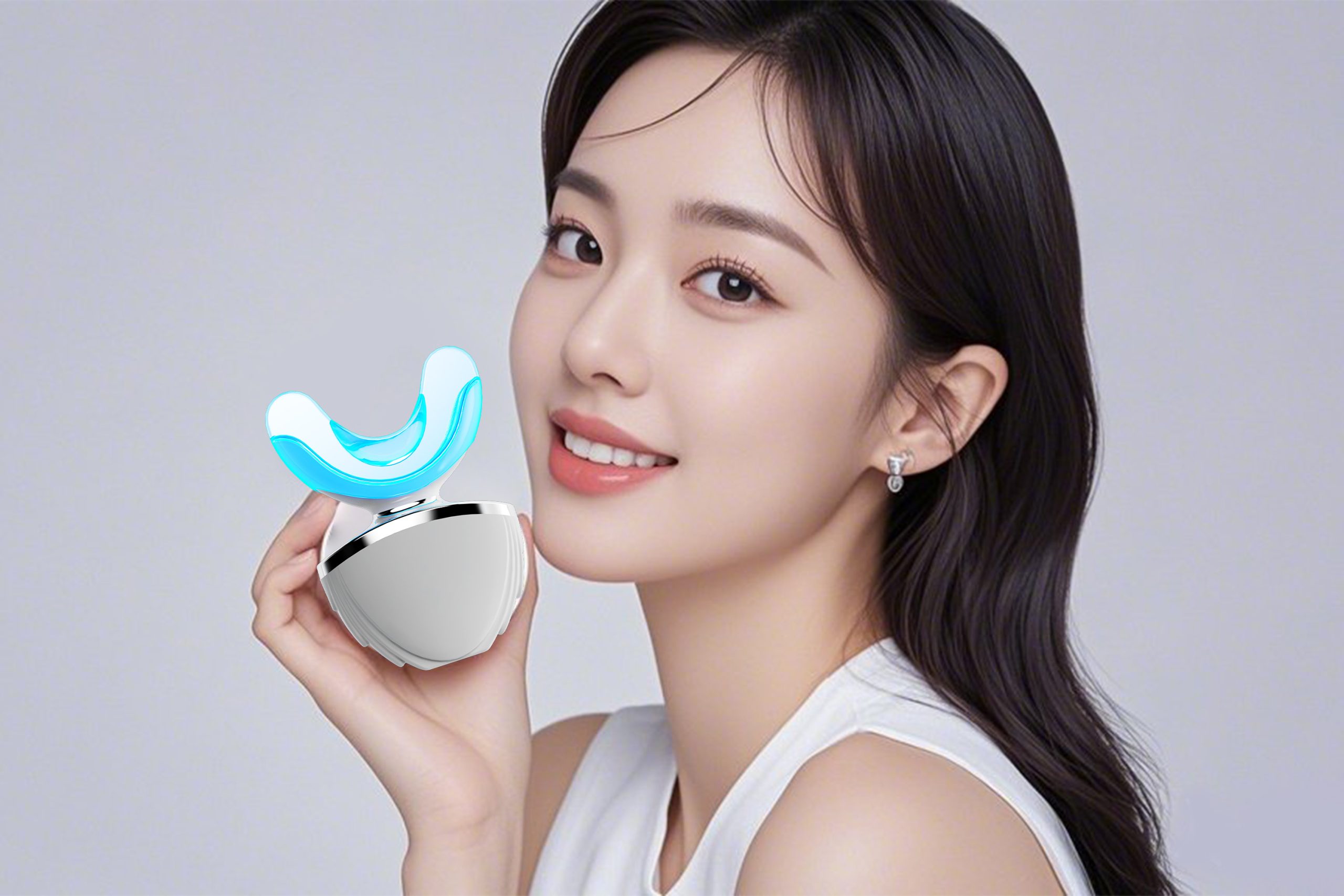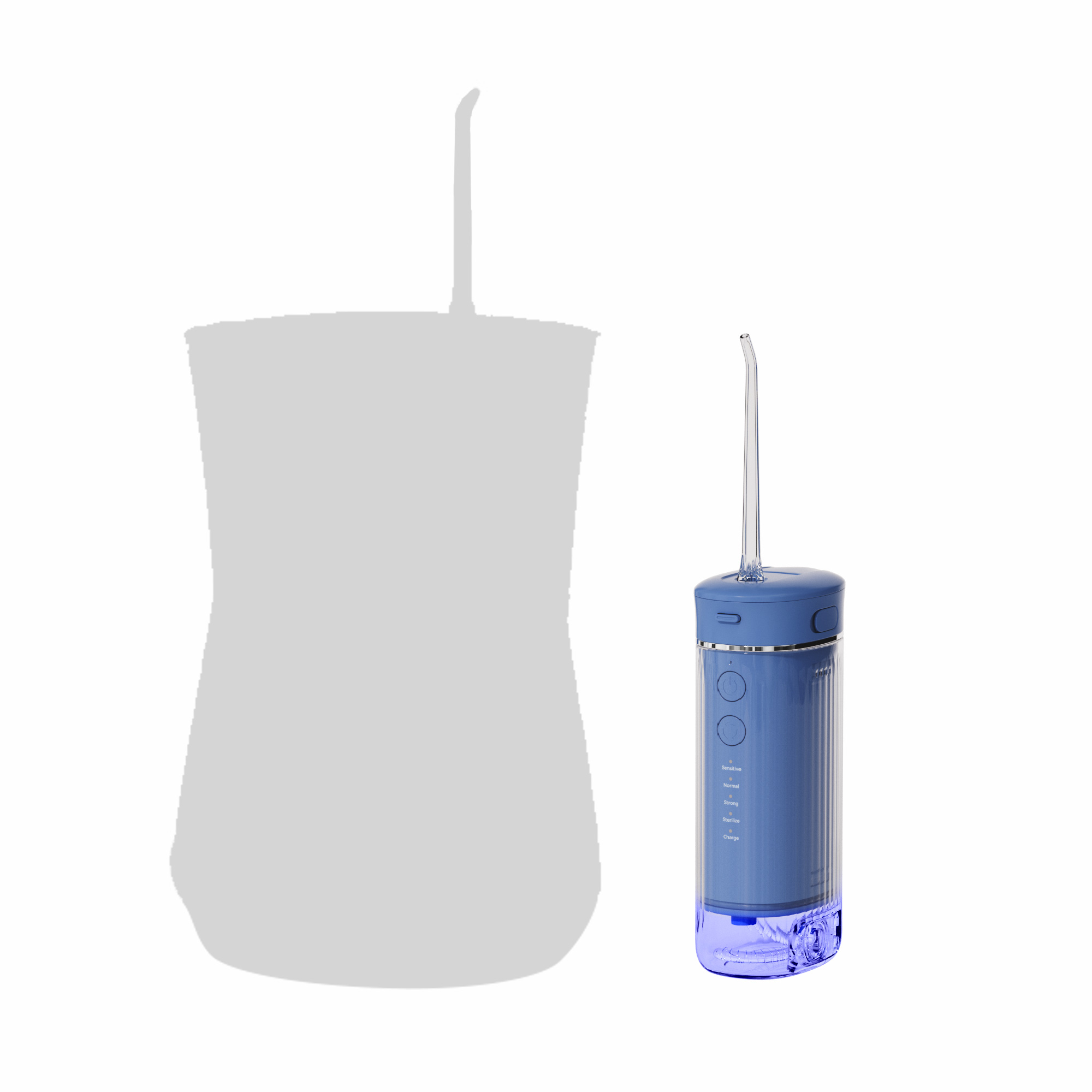
Maintaining oral hygiene goes beyond just brushing and flossing — it also involves ensuring the tools you use remain clean and safe. As demand grows for advanced oral care devices, many brands are turning to UVC water flosser tanks to provide superior hygiene for consumers. But what exactly makes UVC sterilization so effective, and why is it becoming a key feature in next-generation oral irrigators? In this article, we’ll break down the science behind UVC sterilization, its impact on bacteria in water flosser tanks, and why brands seeking a hygienic oral irrigator OEM should consider integrating this technology. Why Clean Water Matters in Oral Irrigation Water flossers are designed to reach places where toothbrushes can’t, flushing out food particles and plaque with a steady water stream. However, if the tank itself harbors bacteria, the benefit is reduced. Over time, moisture creates an environment where harmful microorganisms can thrive, turning a tool for hygiene into a potential risk. This is why maintaining a kill bacteria water flosser design is essential for both user trust and product effectiveness. The Science Behind UVC Sterilization UVC light refers to ultraviolet radiation in the 200–280 nm wavelength range. Unlike UVA or UVB, UVC has powerful germicidal properties.…

In recent years, sterilization in oral care has become a key driver of innovation. With consumers demanding safer and more effective ways to manage oral health, ozone has emerged as a promising solution. Leveraging advanced sterilization tech, Ozone Sterilization for Oral Care not only kills harmful microorganisms but also avoids many drawbacks of traditional chemicals. This makes it particularly appealing for brand owners developing products like mouthwashes and water flossers. Why Ozone in Oral Care? Ozone is a powerful oxidizing agent with natural antimicrobial properties. In the context of Ozone Sterilization for Oral Care, it provides: High efficacy against bacteria, fungi, and viruses. A chemical-free approach—no harsh additives or alcohol. Quick action, reducing plaque and odor-causing bacteria instantly. These benefits make ozone attractive for modern product lines where consumer safety, eco-friendliness, and clinical effectiveness intersect. Applications in Mouthwashes When infused into mouthwash formulations, ozone offers: Effective sterilization: Neutralizes bacteria without burning or irritating the mouth. Natural freshness: Oxygen release during ozone breakdown supports breath freshness. Differentiation for brands: Companies can position ozone mouthwashes as next-generation solutions beyond traditional alcohol-based rinses. For oral care brands, this opens up opportunities to co-develop ozone oral care mouthwashes with trusted manufacturing partners. Applications in Water Flossers…
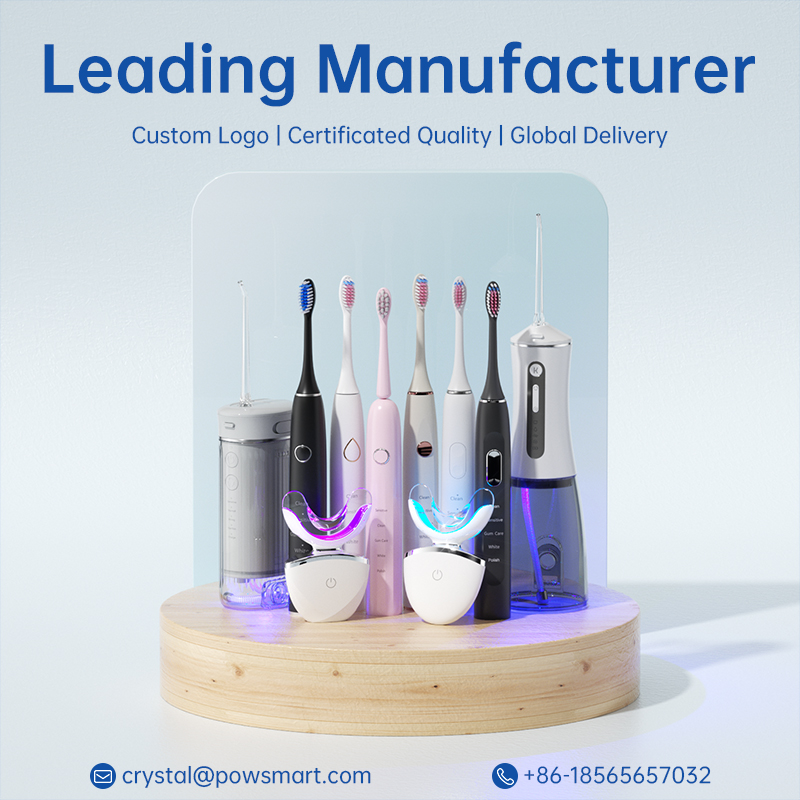
The global oral care market is expanding rapidly, with consumers seeking Advanced Oral Care Products that combine innovation, convenience, and effectiveness. For brands looking to scale, partnering with the right one-stop oral care OEM factory is essential. An experienced partner ensures efficiency, quality control, and faster market entry. Why Choose a One-Stop OEM Factory A One-Stop OEM Factory eliminates the complexity of working with multiple suppliers. From design and prototyping to mass production and packaging, all processes are managed under one roof. This ensures consistent quality, better cost efficiency, and seamless communication. Example benefits: Integrated R&D support. Streamlined supply chain. Faster turnaround times. Customization for brand differentiation. Electric Toothbrush OEM Manufacturing Electric toothbrushes remain a cornerstone of oral hygiene. A complete solution manufacturer offers not only high-performance motor and battery systems but also ergonomic design, brushing modes, and customizable features. With advanced facilities, brands can launch competitive products that meet global safety standards. Water Flossers: Growing Market Opportunity As awareness of gum health increases, water flossers are becoming a must-have product. A trusted water flosser toothbrush supplier provides solutions that combine water jet technology, portability, and long-lasting battery life. By leveraging in-house innovation, brands can access competitive designs that meet both regulatory and consumer…
.jpg)
The demand for Water Flossers with Advanced Features continues to grow as consumers look for more effective and convenient oral care solutions. For brands aiming to expand their product line, Sourcing OEM Water Flossers is the first and most critical step. A reliable partner can ensure compliance with international standards while delivering innovation-driven designs. Evaluating Oral Irrigator Manufacturing Capabilities When assessing potential partners, it is essential to look closely at their oral irrigator manufacturing expertise. Factors to review include production capacity, quality control systems, and certifications. Manufacturers with strong R&D capabilities can better support the integration of new functions, such as multiple pressure modes, quiet pump technology, and long-lasting batteries. Prioritizing Advanced Feature Integration Today’s consumers expect more than basic functionality. Successful brands differentiate by focusing on advanced feature integration, such as smart pressure sensors, wireless charging, or app connectivity. During the process of Sourcing OEM Water Flossers, businesses should verify whether the factory has in-house engineering teams capable of supporting these complex requirements. Assessing Compliance and Safety Standards Regulatory compliance is non-negotiable in oral care products. OEM partners should demonstrate adherence to FDA, CE, and ISO standards to ensure safety and reliability. Beyond documentation, brand owners should also request testing reports…
.jpg)
For OEMs and brands expanding beyond handles and heads, adding a Water Flosser to your oral-care portfolio is an obvious adjoint to the electric toothbrush. Properly engineered, a water flosser becomes a marketable Dental Plaque Remover for interdental and subgingival spaces while offering a comfortable, easy-to-use routine for consumers. Below are six product-level dimensions (design, performance, user comfort, hygiene, validation, and commercialization) that manufacturers should act on to build a credible, safe and sellable water-flossing product. Hydraulic performance — hit the right pressure, pulse and flow window First and foremost, cleaning performance depends on three hydraulic parameters: peak pressure, pulse frequency, and average flow rate. To balance efficacy and comfort: Target an adjustable pressure range that covers ~10–100 psi (or manufacturer-defined equivalent) so users can choose gentle to therapy modes. Implement a pulsation (on/off) pattern rather than steady flow; pulse frequencies in the low tens to a few hundred Hz have been shown in product literature to improve biofilm disruption while preserving comfort. Size the reservoir (150–300 ml) to match session time expectations (30–90 seconds per quadrant) without making the device bulky. In practice, tuning these three variables makes a Water Flosser a practical Dental Plaque Remover that users will…
.jpg)
For dental clinics, distributors, and retail partners, the question “Can a water flosser cure gum sensitivity?” is not just clinical — it shapes product selection, patient advice, and merchandising strategy. In short, the water flosser is an important tool in the oral-care toolbox, but understanding its role, limits, and how it pairs with an electric toothbrush is essential before you promote or bundle it for customers. What do we mean by gum sensitivity — causes and clinical context First, define the problem. Gum sensitivity (and associated dentin hypersensitivity) can stem from gingival inflammation, recession and exposed root surfaces, enamel wear, or post-treatment tenderness. Consequently, retailers and clinics should segment patients: those with mild, reversible sensitivity due to plaque-driven gingivitis versus those with structural root exposure or advanced periodontitis. This distinction determines whether behavioral intervention, devices like water flossers, or referral to a periodontist is appropriate. How a water flosser works — mechanism and immediate benefits Moreover, a water flosser (oral irrigator) uses pulsating streams of water to dislodge interdental debris and disrupt biofilm. Because it irrigates the sulcus gently, it often reduces bleeding and inflammation more comfortably than aggressive manual flossing for certain patients. Therefore, for many users experiencing sensitivity…
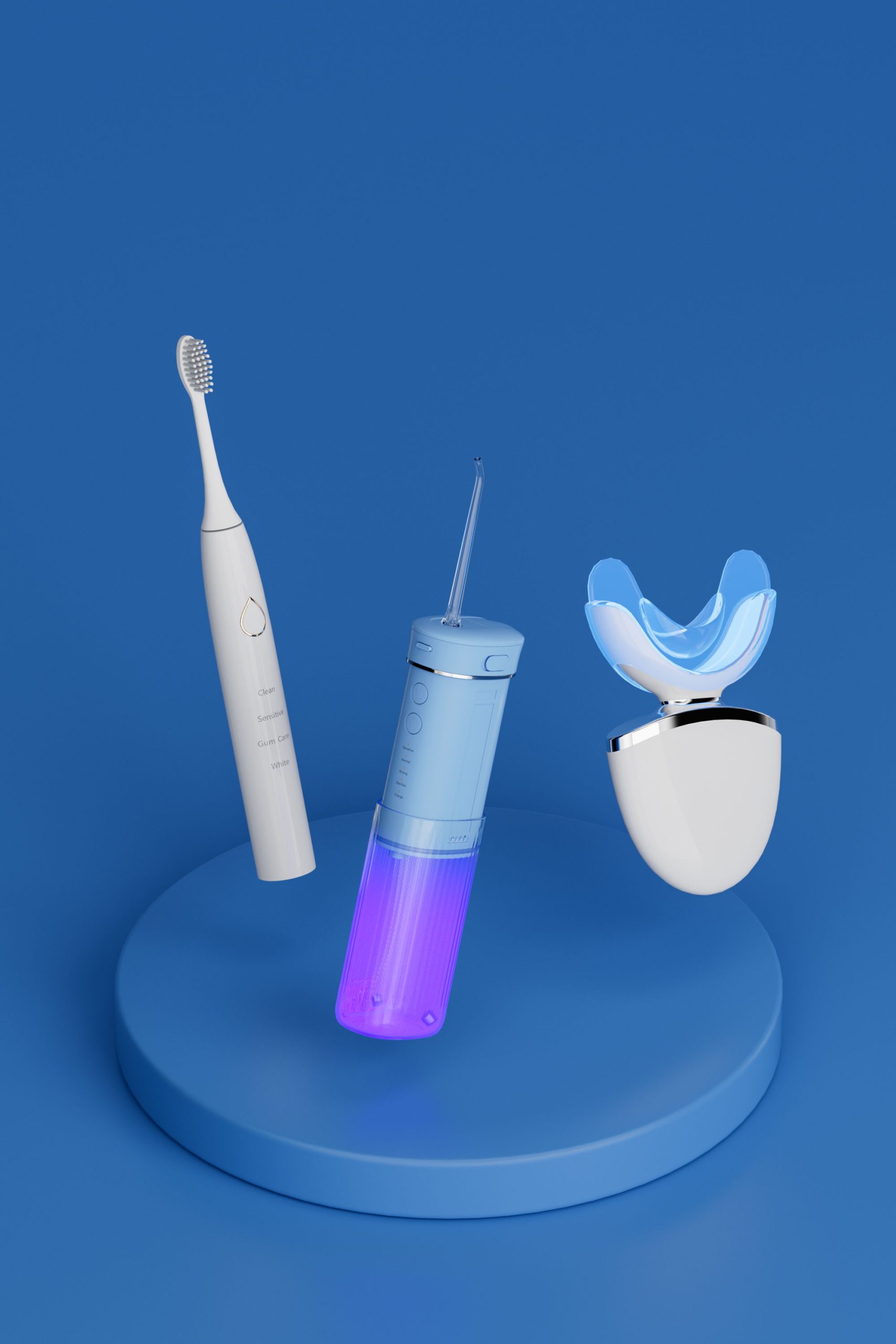
In the competitive world of oral care, staying ahead requires not only innovation but also professional validation. Water flossers have become a must-have in modern oral hygiene routines, and insights from dental hygienists provide valuable direction for OEM brands aiming to create market-leading products. This blog explores dental hygienist water flosser perspectives and delivers key insights for OEM product development that can guide brands in finding the right manufacturing partner and designing products that stand out. Why Water Flossers Are Gaining Professional Endorsement Many dental hygienists recommend water flossers as a complement—or in some cases an alternative—to traditional string floss. Clinical studies and professional oral care advice highlight that water flossers are effective in removing plaque, reducing gum inflammation, and improving compliance among patients. For OEMs, this endorsement translates into a growing consumer demand that manufacturers must meet with reliable, high-quality solutions. Essential Features Dental Hygienists Look For From a hygienist’s perspective, the following design elements influence whether a water flosser is truly effective: Adjustable water pressure for different gum sensitivities. Portable and ergonomic design for convenience. Easy-to-clean reservoirs and hygienic nozzles. These factors represent product development insights that OEM brands should prioritize when working with factories or R&D teams. The Role of OEM…
In recent years, water flossers have evolved beyond simple cleaning devices into high-tech oral care tools. One of the most noticeable additions has been the LCD screen on water flosser. For brand owners and product developers, the question remains: is this feature truly practical, or is it just a marketing gimmick? This article explores the role of LCD displays in water flossers and what it means for those considering OEM design considerations when sourcing from manufacturers. Understanding Consumer Expectations Today’s consumers expect more than just performance; they want products that feel modern and intuitive. Adding a digital display can enhance the perception of advanced technology. An LCD screen can show battery levels, pressure modes, or even timer functions—elements that may improve usability for certain customer groups. But not all buyers are seeking high-tech add-ons, which makes it crucial to align functional features with market demand. Practical vs. Cosmetic Additions When evaluating whether an LCD screen is a genuine benefit, practicality is key. Features such as adjustable pressure modes or a low-battery indicator displayed on a screen are undeniably helpful. However, a screen that only flashes icons without adding real utility risks being perceived as a gimmick. For brands, this balance between…
In the competitive oral care market, even the most innovative product can lose customers if it faces charging issues. When a water flosser charging issue occurs — whether it’s a unit that won’t charge, loses power too quickly, or overheats — consumers quickly associate it with poor quality. For brands and OEM partners, understanding how manufacturers address Troubleshooting Power Problems is crucial. A reliable power system not only enhances user experience but also strengthens brand trust and product longevity. Common Causes of Water Flosser Charging Issues Before diving into solutions, it’s important to identify what typically goes wrong. From a manufacturer’s perspective, the most common causes include: Connector fatigue – Frequent plugging and unplugging can wear out the charging port. Low-grade lithium batteries – Inferior cells often result in inconsistent power delivery. PCB design flaws – Poorly designed circuits can lead to overheating or current leakage. Waterproofing failures – Improper sealing can allow moisture to damage internal components. Manufacturers who understand these challenges early in the design phase can prevent costly warranty returns later. Power Problems Troubleshooting: A Manufacturer’s Step-by-Step Guide To ensure every unit meets high-performance standards, a structured power problems troubleshooting process should be followed during both R&D and mass production: Input Voltage Verification –…
.jpg)
One of the most common questions in oral care education is simple yet surprisingly complex: Should you use a water flosser before or after brushing? While consumers debate over the sequence, brands see an opportunity. For an OEM oral care brand, understanding and communicating the correct water flosser sequence solution can set your products apart. It’s not just about cleaning teeth — it’s about building trust through science-backed guidance. The Science Behind the Sequence Research and dental professionals often recommend using a water flosser before brushing. The reason is straightforward: removing food debris and plaque first allows toothpaste ingredients, like fluoride, to reach every corner of the mouth more effectively. However, some consumers prefer using it after brushing for a final, refreshing rinse. For an OEM brand, providing flexibility in design and user education ensures your products fit both habits. Positioning your brand as a source of clarity in this discussion enhances OEM brand value and consumer loyalty. Turning Insight into Product Innovation Understanding consumer behavior is one thing — translating it into product design is another. By partnering with a manufacturer that offers a complete product solution, your brand can create customized water flossers that align with various oral care routines. Features such as…
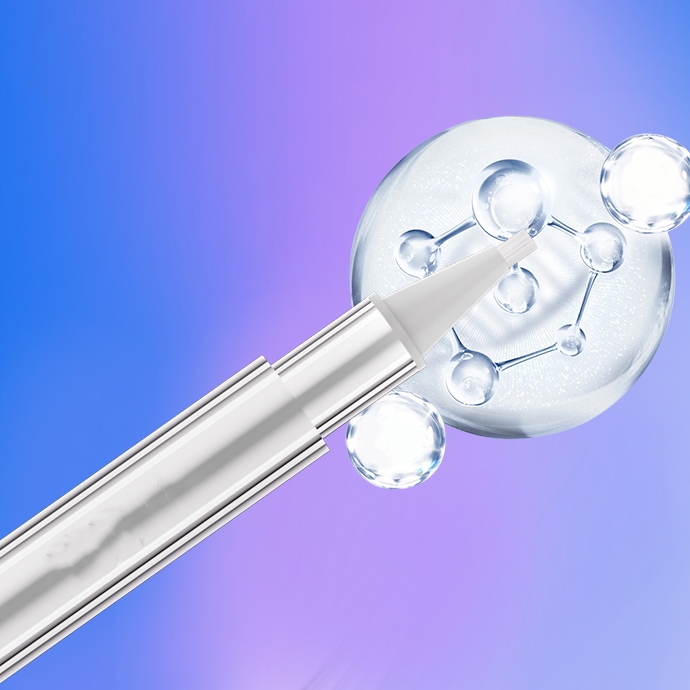
Teeth whitening has become one of the most popular segments in the oral care market. Many consumers are now looking for effective and convenient ways to maintain a bright smile without visiting a dental clinic. This has led to questions like: “Can I put hydrogen peroxide in a water flosser for whitening?” While the idea sounds promising, understanding the teeth whitening safety implications is crucial—especially for brands and OEM developers designing next-generation oral care devices. Can You Use Hydrogen Peroxide in a Water Flosser? Hydrogen peroxide is a common whitening ingredient found in many toothpastes and whitening gels. However, when it comes to using hydrogen peroxide in a water flosser, the answer is not straightforward. Although small concentrations (typically under 3%) are sometimes used in mouth rinses, adding peroxide directly into a water flosser’s tank can pose risks—both to users and to the device itself. Excess peroxide may damage internal components, reduce product lifespan, or cause oral irritation if not properly diluted. For this reason, professional guidance from a certified water flosser manufacturer is strongly recommended before developing or promoting peroxide-compatible products. Understanding the Safety Risks When dealing with teeth whitening safety, manufacturers and brands must consider both chemical and mechanical safety standards. Potential…

As consumers become increasingly aware of oral hygiene, the demand for hygienic product design in devices like water flossers has grown dramatically. Brand owners seeking to stand out in this competitive market must ensure not only excellent performance but also effective water flosser disinfection strategies. A well-designed water flosser must balance functionality, safety, and ease of cleaning — factors that directly influence brand reputation and customer trust. Why Water Flosser Disinfection Matters Unlike toothbrushes, water flossers contain internal water channels and reservoirs that can easily accumulate bacteria, mold, and mineral deposits. Regular maintenance and effective cleaning methods are crucial for user health and long-term device performance. For brands developing new products or seeking OEM design solutions, integrating disinfection features during the design phase can prevent user complaints, product returns, and costly after-sales service. Effective Cleaning Methods for Water Flossers To maintain optimal hygiene, manufacturers should consider both user-level cleaning and built-in system disinfection. The most effective cleaning methods include: UV-C sterilization modules that automatically disinfect the water tank and nozzle. Antibacterial materials in water pathways to reduce biofilm growth. Self-cleaning modes that flush internal tubing with a disinfectant solution or high-pressure pulse. By incorporating these technologies, brands can market their devices as advanced, hygienic, and easy to…
Maintaining an effective oral hygiene routine is essential, and water flossers (also known as oral irrigators) have become a favorite tool among consumers who want a deep and gentle clean. However, one common issue users often face is water flosser spraying everywhere—leaving mirrors, sinks, and shirts unexpectedly soaked. As an experienced oral irrigator factory, we’ve seen this problem countless times and know how to design, produce, and customize devices that minimize splashing. Here are professional insights and OEM manufacturing tips on how to keep your water flosser from turning the bathroom into a mini car wash.https://www.powsmart.com/product/water-flosser/ Understand Why Water Flossers Spray Everywhere Before solving the problem, it’s important to understand the cause. Water flossers work by directing a high-pressure stream of water to remove plaque and debris. But if the nozzle angle is incorrect, the water pressure is unstable, or the reservoir leaks air, it can lead to messy spraying. A reliable oral irrigator factory starts by analyzing fluid dynamics and user ergonomics to ensure each unit provides stable and focused pressure output. Choose a Device with an Anti-Splash Design An advanced anti-splash design is one of the most important features for keeping your water flosser clean and efficient. Factories specializing in oral…
.jpg)
Water flossers have become an essential part of daily oral hygiene routines around the world. From single professionals to family households, consumers are increasingly embracing these devices for their convenience and effectiveness. As this trend grows, one common question arises: can water flossers be safely shared in households? For oral care product brands and manufacturers, understanding consumer behavior and safety perceptions behind water flosser household sharing is key to product innovation and marketing strategy. This growing awareness creates new opportunities for brands looking to expand in the safe oral care sharing category. Understanding the Safety Concerns At the heart of the question lies hygiene. While the main body of a water flosser can often be shared, the nozzle or tip should always remain personal to each user. Sharing a nozzle can potentially lead to bacterial transmission, which may compromise oral health. Consumers are becoming more educated about hygiene and cross-contamination risks, driving higher demand for personalized oral care accessories. For brands, this signals a need to design products that make safe sharing easier — such as interchangeable nozzle systems or color-coded tips for each family member. Market Demand Insight: Family-Friendly Oral Care Solutions Recent market demand insights show that families are increasingly looking for shared oral…
.jpg)
The global demand for dental veneers has grown rapidly as consumers pursue brighter, more confident smiles. However, veneers require special care — particularly when it comes to daily oral hygiene. For oral care brands, this presents an exciting opportunity to OEM gentle water flossers and safe electric toothbrushes specifically designed to protect dental veneers and maintain long-term oral health. Understanding the Need: Why Veneer Protection Matters Dental veneers are delicate cosmetic restorations. Unlike natural enamel, veneers can be damaged by excessive brushing force or strong water pressure. Many conventional oral hygiene tools are not optimized for this sensitivity, which may lead to chipping, detachment, or gum irritation. This is why consumers increasingly seek products with pressure control design and softer cleaning modes — devices that ensure a thorough clean while being gentle on veneers and gums. For brands, tapping into this niche with purpose-built devices can differentiate their product line and build trust among high-value dental care users. Gentle Water Flossers: The OEM Opportunity A gentle water flosser OEM partnership allows brands to create customized solutions that balance cleaning power with safety. The key lies in engineering adjustable pressure settings that prevent veneer damage while still removing plaque effectively. Manufacturers experienced in precision pump…
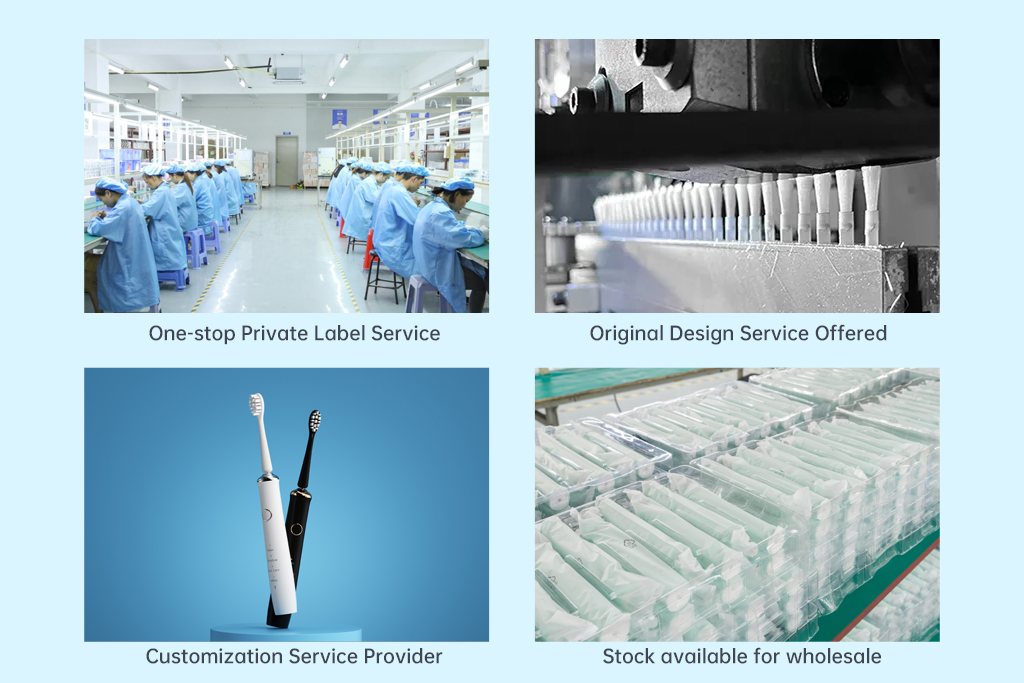
Launching new water flosser brands is exciting, but the road from idea to product on the shelf is full of challenges. Many oral care startups underestimate the complexity of choosing the right OEM manufacturing partner or water flosser supplier, leading to costly mistakes that can delay launches, drain budgets, and harm brand reputation. This FAQ highlights common concerns and offers insights to help founders make smarter decisions. Why is choosing the right OEM manufacturing partner so critical? Your OEM partner is not just a factory—it’s the backbone of your product’s quality, compliance, and scalability. A poor choice can result in defective units, shipment delays, or non-compliance with international safety standards. For new water flosser brands, aligning with a reliable OEM manufacturing partner ensures consistency, trust, and room for future innovation. What certifications should I look for in a water flosser supplier? Certifications such as ISO, CE, FDA, or RoHS are non-negotiable. These prove that the water flosser supplier follows strict quality and safety standards. As an oral care startup, skipping this step can mean legal issues, recalls, or even bans in key markets. How do I balance cost and quality when working with a manufacturer? It’s tempting for new brands to prioritize cost, but the…
.jpg)
When selecting a Water Flosser OEM partner, one of the most critical questions to ask is whether their products meet ADA Certification standards. The American Dental Association (ADA) seal is not just a label — it’s an assurance of safety, efficacy, and professional trust. For brands planning to launch or scale their oral care product line, collaborating with an OEM manufacturer that guarantees ADA-compliant production can make all the difference between market success and costly rework. This blog explores the key considerations for evaluating ADA compliance in your Water Flosser OEM partnership. Understanding ADA Certification for Water Flossers ADA Certification confirms that a water flosser has met the rigorous testing and performance standards established by dental professionals. This includes proof of effective plaque removal, safe pressure levels, and consistent water pulsation performance. Before choosing a Water Flosser OEM partner, confirm whether their existing product portfolio or production processes already align with ADA testing protocols. Manufacturers with prior ADA-compliant experience are more likely to navigate the approval process efficiently. Assessing Your OEM Partner’s Regulatory Knowledge Not all Water Flosser OEM manufacturers are equally familiar with U.S. or global dental product regulations. A reliable partner should demonstrate strong documentation practices, test reporting…
.jpg)
In today’s oral care market, consumers are demanding more than just effectiveness—they expect comfort, convenience, and innovation. One of the most common frustrations with traditional oral irrigators is water splashing, leaving bathroom counters wet and users dissatisfied. As a leading water flosser factory, we’ve focused on engineering solutions that eliminate this pain point. Here’s how our team creates a no-mess water flosser that supports your brand’s growth. Understanding Consumer Pain Points Most water flossers on the market face similar complaints: excess splashing, difficult handling, and inconsistent water pressure. By analyzing consumer feedback, our R&D team identified the biggest challenge—keeping the cleaning process effective while avoiding mess. This became the foundation for our anti-splash design OEM solutions. Precision Engineering for Splash Control Our factory specializes in nozzle and pressure-flow engineering that balances water pressure with controlled flow. This ensures a powerful cleaning action without the chaotic spray that frustrates users. By refining the nozzle angle and stream delivery, we provide the core advantage of a no-mess water flosser that aligns with premium user expectations. Customizable OEM Solutions As an oral irrigator manufacturer, we understand that every brand has unique positioning. Whether you need compact travel-friendly designs, family-oriented products, or premium luxury models, our OEM…
.jpg)
When it comes to oral care, one of the biggest challenges users face is cleaning those hard-to-reach areas — especially the back teeth. As a leading manufacturer of water flossers, we know that precision, design, and ease of use make all the difference. Here’s how we ensure every water flosser we produce is to help users achieve complete and comfortable cleaning. No More Missed Spots! Precision Engineering for Back Teeth Traditional flossing often leaves the back molars neglected, but our water flosser back teeth technology focuses on strong, targeted streams that reach every angle and No More Missed Spots. This ensures plaque and debris are removed where it matters most, without forcing users to struggle with awkward positions. OEM Design Solutions for Custom Needs Every oral care brand has its unique identity and customer expectations. That’s why we offer OEM design solutions to meet your product goals. Whether you want a compact design for travelers or a high-powered flosser for at-home use, our team works with you to tailor every feature. User-Friendly Oral Care Features Ease of use is just as important as performance. Our water flossers are designed with user-friendly oral care in mind: intuitive buttons, ergonomic grips, and adjustable pressure…
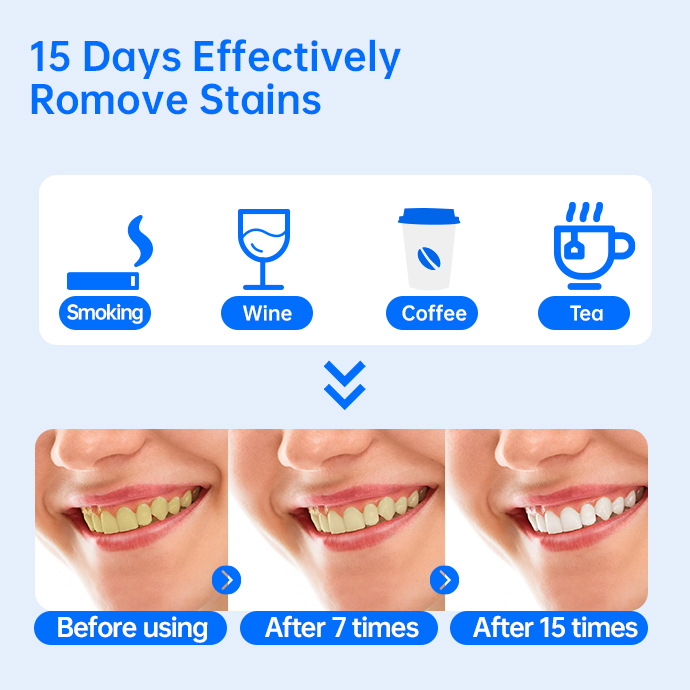
Finding a dependable B2B Supplier for Portable Water Flosser products can be a challenging step for distributors, dental brands, and importers looking to expand their oral care portfolios. As global demand for convenient, travel-friendly dental hygiene tools continues to grow, choosing a supplier that offers consistent quality, production scalability, and innovation becomes a crucial factor in achieving long-term business success. This article explores six essential considerations when selecting the right Portable Water Flosser manufacturing partner for your B2B supply chain. Assess Manufacturing Capabilities When evaluating a B2B Supplier for Portable Water Flosser products, the first step is understanding their production capabilities. Review whether the manufacturer manages in-house molding, electronic assembly, and water-resistance testing. A supplier with integrated facilities can offer better cost efficiency and product consistency — ensuring every unit meets both performance and safety standards. Verify Compliance and Quality Assurance Quality compliance is non-negotiable for any Portable Water Flosser entering international markets. Make sure your B2B Supplier adheres to key certifications such as ISO, CE, FDA, or ADA. A robust quality management system ensures that every batch undergoes leak testing, battery reliability checks, and performance validation. This minimizes product returns and strengthens your brand’s reputation across retail and online channels. Evaluate…


.jpg)
.jpg)
.jpg)
.jpg)
.jpg)



.jpg)
.jpg)