
If your business is entering large-scale procurement or OEM partnerships, mastering toothbrush supplier negotiation is key to securing better pricing, consistent quality, and long-term production reliability. Successful negotiation goes beyond discussing price—it includes quality assurance, delivery timelines, and toothbrush payment terms that fit your cash flow strategy.
In this blog, we’ll break down six essential steps to help you prepare for supplier negotiations effectively, minimize risks, and build sustainable business relationships in the toothbrush manufacturing industry.
Before entering any toothbrush supplier negotiation, it’s crucial to research market pricing, supplier capacity, and material sourcing costs. This information forms the foundation for a realistic and data-driven discussion.
Professional buyers know that negotiation is not about pushing the lowest price—it’s about aligning expectations on product specifications, production scheduling, and long-term cooperation. When both parties understand their value exchange, agreements become more stable and mutually beneficial.
Detailed production specifications are essential to avoid confusion later. Provide your supplier with clear information about handle design, bristle type, motor performance, packaging needs, and any regulatory compliance (like CE or FDA standards).
Being specific helps both sides prepare accurate quotations and discuss toothbrush payment terms that reflect production complexity. For example, highly customized designs or private-label branding may require phased payments or milestone-based terms.
In toothbrush supplier negotiation, the unit cost often grabs attention, but savvy B2B buyers evaluate total value instead. This includes lead time reliability, quality control systems, warranty policies, and after-sales support.
Sometimes a slightly higher unit price comes with faster response times or lower defect rates, saving you money in the long run. Negotiation should therefore focus on total cost efficiency rather than upfront pricing only.
Clear toothbrush payment terms ensure financial security for both parties. Common arrangements include 30% deposits with 70% balance before shipment, or letter of credit (L/C) options for large export transactions.
When negotiating, evaluate your supplier’s flexibility—some may offer progressive payment terms for repeat clients or volume-based discounts. Establishing a transparent payment schedule also enhances mutual trust and reduces the likelihood of disputes.
For global buyers working with Asian manufacturers, communication style and negotiation etiquette play a major role. A respectful, consistent tone builds rapport and makes it easier to discuss sensitive topics like MOQ adjustments or late payment extensions.
During toothbrush supplier negotiation, emphasize shared goals such as product consistency and long-term growth instead of focusing solely on cost control. This partnership mindset often results in better cooperation and faster issue resolution.
Once both sides agree on production details and toothbrush payment terms, always document everything in a written contract. Include clauses for product inspection, shipment timelines, replacement policies, and communication procedures.
After signing, maintain regular contact and feedback loops. A transparent relationship not only strengthens supplier trust but also positions you favorably for future negotiations—especially when scaling up production or developing new models.
Effective toothbrush supplier negotiation is a skill that combines preparation, communication, and trust-building. By understanding total value, clarifying toothbrush payment terms, and fostering long-term collaboration, businesses can secure reliable supply chains and competitive pricing.
? Looking for a manufacturing partner that values transparency and flexible negotiation? Contact our team today to explore OEM toothbrush solutions built around your business needs.
.jpg)
.jpg)
.jpg)
Water Flosser vs. Hard Plaque: Setting Realistic Expectations for Your OEM Brand
Interested in Private Label Oral Care? Ask About Our Volume Discount Available!
.jpg)
compact travel electric toothbrush bulk
How Does Accelerometer-based Feedback Integrate with a Pressure-sensitive Matrix for Smart Brushing?
personalized electric toothbrush OEM
Portable Electric Toothbrush with Case OEM
How to Make Your Own Toothbrush Brand with OEM/ODM Solutions
Water Flosser with UV Sanitizer ODM | Smart Oral Care Solutions
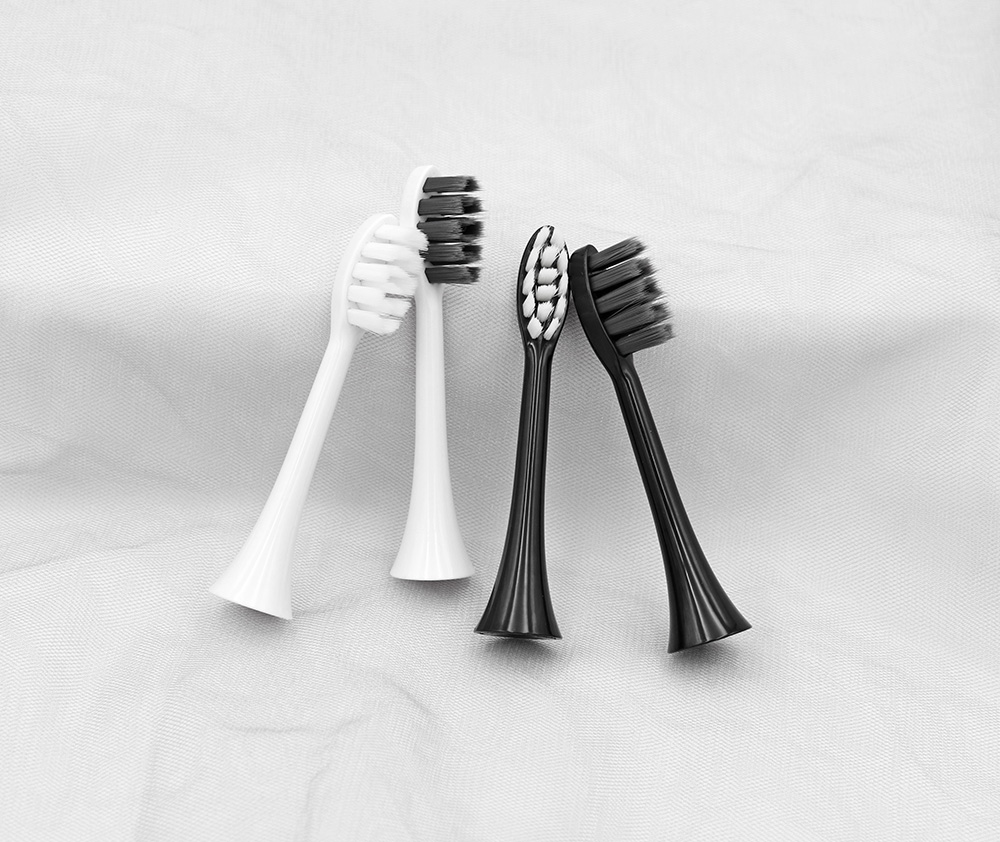
Electric Toothbrush Manufacturers Tell You the Truth About Charcoal Toothbrush Heads
Electric Toothbrush Parts & Accessories Supplier | OEM Replacement Components
Can a Whitening Booster Solution Be Promoted Through an App-connected Toothbrush Developer?
.jpg)
San Francisco electric toothbrush supplier
Electric Toothbrush Housing Material OEM Solutions for Durable Design
Bulk Electric Toothbrush San Francisco
Sonic Toothbrush Factory for Brands | OEM & Private Label Production
Electric Toothbrush for E-commerce Sellers Wholesale Manufacturing Solutions


.jpg)
.jpg)
.jpg)
.jpg)
.jpg)






.jpg)
.jpg)