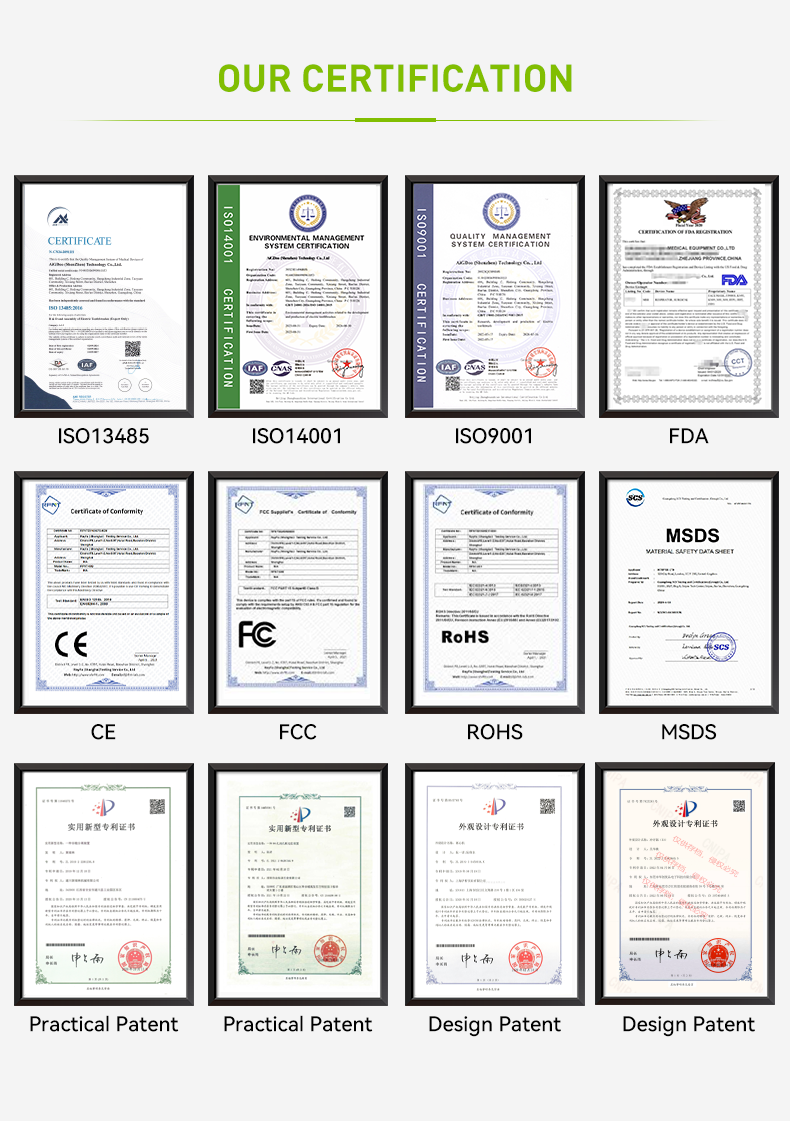
Toothbrush product lifecycle management plays a critical role for international distributors, brand owners, and OEM partners who compete in the fast-moving oral care market. From market research to end-of-life recycling plans, the lifecycle approach helps B2B buyers reduce risk, improve quality, and protect margins across the entire value chain. Moreover, it gives structure to decisions that would otherwise stay fragmented across departments such as purchasing, marketing, and compliance. As a result, companies that apply lifecycle thinking usually scale faster and maintain stronger brand trust in the long term.
First, successful brands start with an evidence-based concept phase. During this stage, the team evaluates consumer insights, market price bands, regulatory requirements, and technical feasibility. In addition, the OEM factory or EMS partner supports with early feedback on tooling, materials, and certifications so that the plan remains realistic. However, gaps between marketing expectations and factory capability still happen, therefore disciplined project validation remains essential at every milestone. International buyers also review competitive products to ensure positioning matches the company’s portfolio strategy.
Next comes the design-for-manufacturing stage. Here, the engineering team develops the handle, motor, battery configuration, and waterproof structure. Moreover, safety standards such as IEC and battery transport rules come under review. For EU markets, documentation must stay ready for audits at any time. Meanwhile, procurement defines supplier qualification processes so that every sub-component aligns with the brand’s quality promise. In addition, clear communication with the OEM plant prevents late-stage surprises that increase cost and delay launch plans. Around this time, retailers may already request samples, which places extra pressure on response speed.
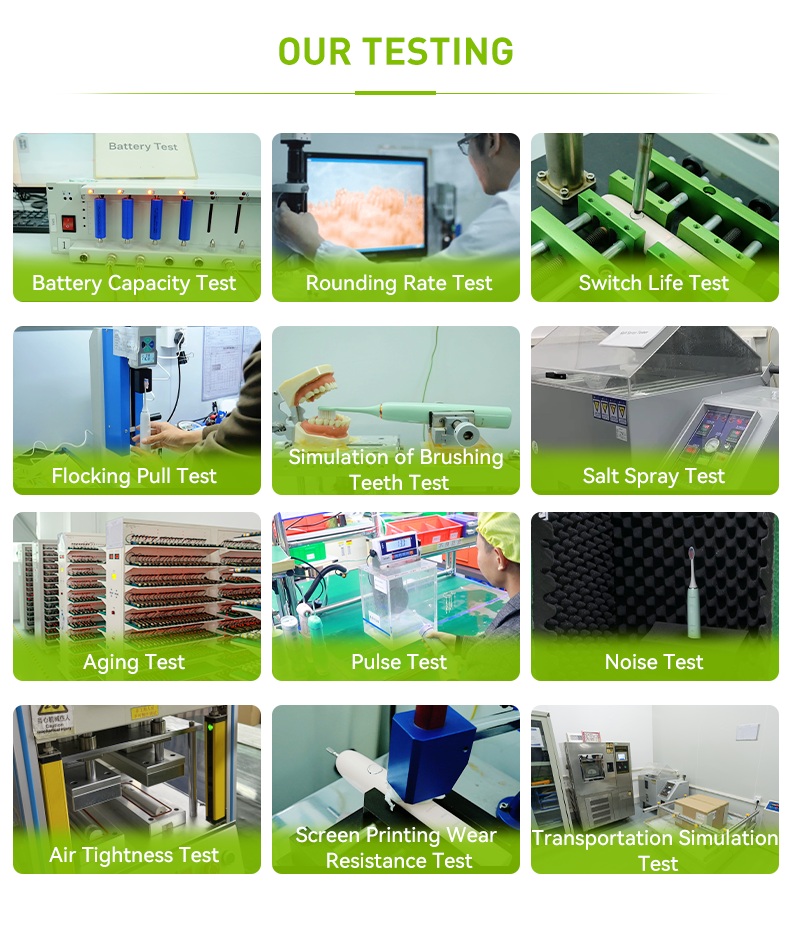
During the industrialization phase, the mid-point of toothbrush product lifecycle management becomes visible. Tooling, pilot production, reliability testing, and packaging optimization all run in parallel. However, disciplined quality control ensures that fast schedules do not compromise safety or durability. Moreover, brands normally finalize logistics routes, sustainability claims, and after-sales workflows at this point. As a result, sales and marketing teams finally receive validated data to use in communication with key accounts and distributors.
After launch, the lifecycle focus shifts to continuous improvement. Therefore, field returns, consumer feedback, and retailer comments go back into engineering reviews. In addition, cost-down roadmaps and accessory extensions, such as travel cases or brush heads, can extend the commercial lifespan of the platform. However, regulatory updates or technology changes may still require redesigns, so agile collaboration between brand and factory remains essential. Eventually, an end-of-life decision arrives. Responsible companies then prepare replacement models, plan inventory run-out, and design recycling or disposal strategies that match corporate ESG goals.
For B2B buyers, this structured lifecycle approach creates transparency and reduces risk. Moreover, it helps procurement negotiate from a position of knowledge rather than uncertainty. If you want to explore oral care manufacturing partnership models, you can review solutions at https://powsmart.com/. For industry guidance, organizations such as the American Dental Association at https://www.ada.org also provide useful references for oral care standards and education.
In conclusion, companies that invest in toothbrush product lifecycle management achieve better quality alignment, faster scale-up, and stronger retail relationships while reducing cost and compliance risk across the entire value chain.
.jpg)
How to Deal with Sudden Tooth Sensitivity carefully?
Is the Water Flosser Worth Buying?
Texas Tax-Free Weekend Electric Toothbrush Wholesale Guide 2025
Why Are Customized Brushing Modes Essential for Excellent User Experience Design?
Bleeding Gums, Don’t Worry: Understanding Water Flossing Benefits
How Does Pulse Water Technology Incorporate a Gum Protection Feature?
Tips for choosing a High-Quality Electric Toothbrush Factory for Your Oral Care Brand
Fort Worth Electric Toothbrush Supplier
Electric Toothbrush with Dual Motor Technology OEM
Which is the best company for electric toothbrushes?
Waterproof IPX7 Toothbrush OEM | Durable Sonic Brush for Wet-Use Environments
How Does Water Flosser OEM Manufacturing Differ from Dental Water Flosser OEM Specialization?
The Evolution of the User Experience: How Dentistry Technology is Changing Everyday Oral Care
Boston Electric Toothbrush with App Connectivity
Electric Toothbrush Demo Units – OEM Manufacturing for Dental Offices
Does Quiet Toothbrush for Office Suffer Nozzle Clogging?


.jpg)
.jpg)
.jpg)
.jpg)
.jpg)





.jpg)