In today’s highly competitive oral care market, conducting a toothbrush competitor analysis is essential for any brand or distributor aiming to strengthen its toothbrush value proposition. Understanding your competitors’ product lines, pricing, technology, and positioning allows you to refine your sourcing strategy, product development, and marketing direction. Whether you operate as a private label brand, OEM partner, or wholesale distributor, competitor insights can uncover opportunities for differentiation and long-term growth.
This blog explores six key areas to focus on when performing a thorough toothbrush competitor analysis.
The first step in conducting a toothbrush competitor analysis is identifying who your true competitors are. Classify them based on product type (manual, electric, sonic), price segment (economy, mid-range, premium), and market focus (retail, dental clinics, hotels, etc.).
Once you define your competitive landscape, you can analyze how your brand’s offerings fit within it. This understanding forms the foundation for crafting a strong toothbrush value proposition that appeals to your specific target audience.
A key part of any toothbrush competitor analysis involves studying product portfolios. Evaluate competitors’ design aesthetics, ergonomics, brush head options, materials, and technology features such as timers, sensors, or Bluetooth connectivity.
By benchmarking design and functionality, you can identify gaps or untapped niches in the market. Incorporating innovative design elements or eco-friendly materials can enhance your brand’s toothbrush value proposition, setting you apart from others.
Understanding competitors’ pricing structures and distribution strategies helps you position your offerings effectively. Review their wholesale rates, retail margins, and volume discounts to assess where your products can stand competitively.
A comprehensive toothbrush competitor analysis should also consider how competitors distribute their products—through e-commerce, retail chains, B2B partnerships, or subscription models. This data enables you to optimize your pricing and supply chain to maintain both profitability and market reach.
Competitors’ branding reveals much about their perceived toothbrush value proposition. Examine how they communicate quality, technology, sustainability, or health benefits. What tone do they use? How do they connect with end users or distributors?
Your goal should be to identify what messaging resonates most within your target market and adapt your communication to highlight your brand’s strengths. An authentic message backed by quality manufacturing can distinguish your business in a crowded field.
In a toothbrush competitor analysis, direct product comparison through samples or customer reviews can reveal critical insights. Pay attention to feedback about durability, battery performance, noise levels, and brushing efficiency.
Understanding where competitors excel—or fall short—allows you to enhance your own quality assurance processes and reinforce the tangible benefits behind your toothbrush value proposition.
Innovation often defines market leaders. Analyze competitors’ R&D activities, patents, and collaborations with toothbrush technology partners or dental professionals.
A supplier or manufacturer that invests in continuous innovation can maintain a competitive advantage and deliver cutting-edge solutions. Building similar alliances strengthens your brand’s credibility and broadens your innovation potential, ensuring your toothbrush value proposition remains future-ready.
A comprehensive toothbrush competitor analysis helps you go beyond surface-level comparisons—it enables strategic decision-making. By understanding how competitors operate, communicate, and innovate, you can refine your toothbrush value proposition to meet evolving consumer demands and B2B expectations.
In the dynamic oral care market, brands that combine insight-driven strategy with reliable manufacturing partners stand out the most.
? Looking to enhance your competitive advantage with tailored toothbrush OEM and private label solutions? Contact our team to explore how we can help strengthen your market position.
.jpg)
.jpg)
.jpg)
Teeth Whitening Device Compliance in the EU Market: A Guide for OEM Buyers
electric toothbrush private label supplier | Custom Sonic Toothbrush Manufacturing
-3-scaled-1.jpg)
Carbamide Peroxide vs Hydrogen Peroxide: Choosing the Right OEM Whitening Formula
.jpg)
Long Island deals for NYC waterproof brush — pool-safe?
How Does an NYC quiet toothbrush Work as an NYC apartment toothbrush?
Private Label Whitening Device Manufacturer for Cosmetic Brands
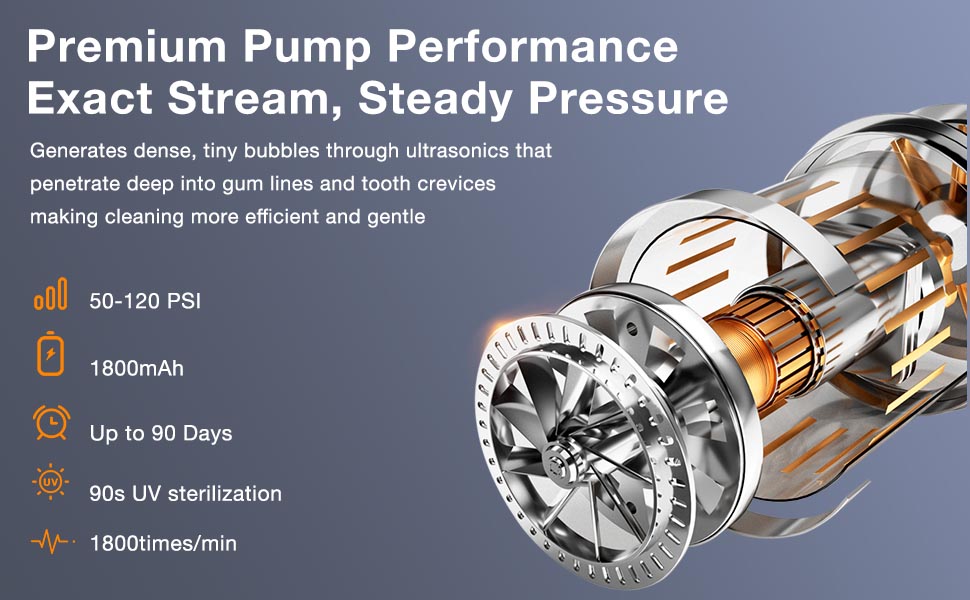
Comparison of Performance & Price of Different Motors for Water Pumps for Dental Flossers
Teeth Whitening in Mexico: Navigating Regulations & Safety for Market Entry
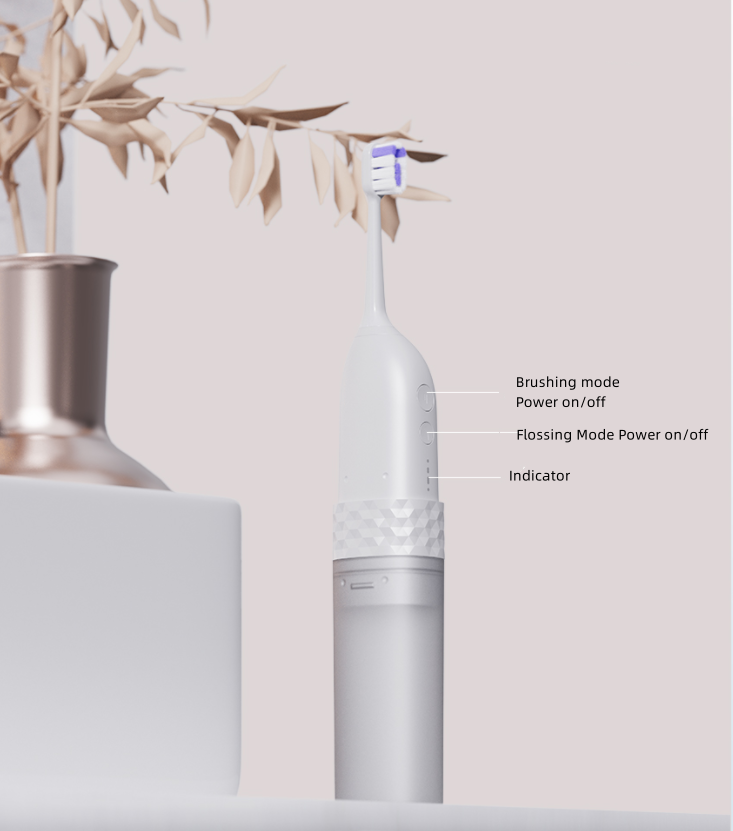
Electric Toothbrush for Dentists & Clinics – Custom Branding Options
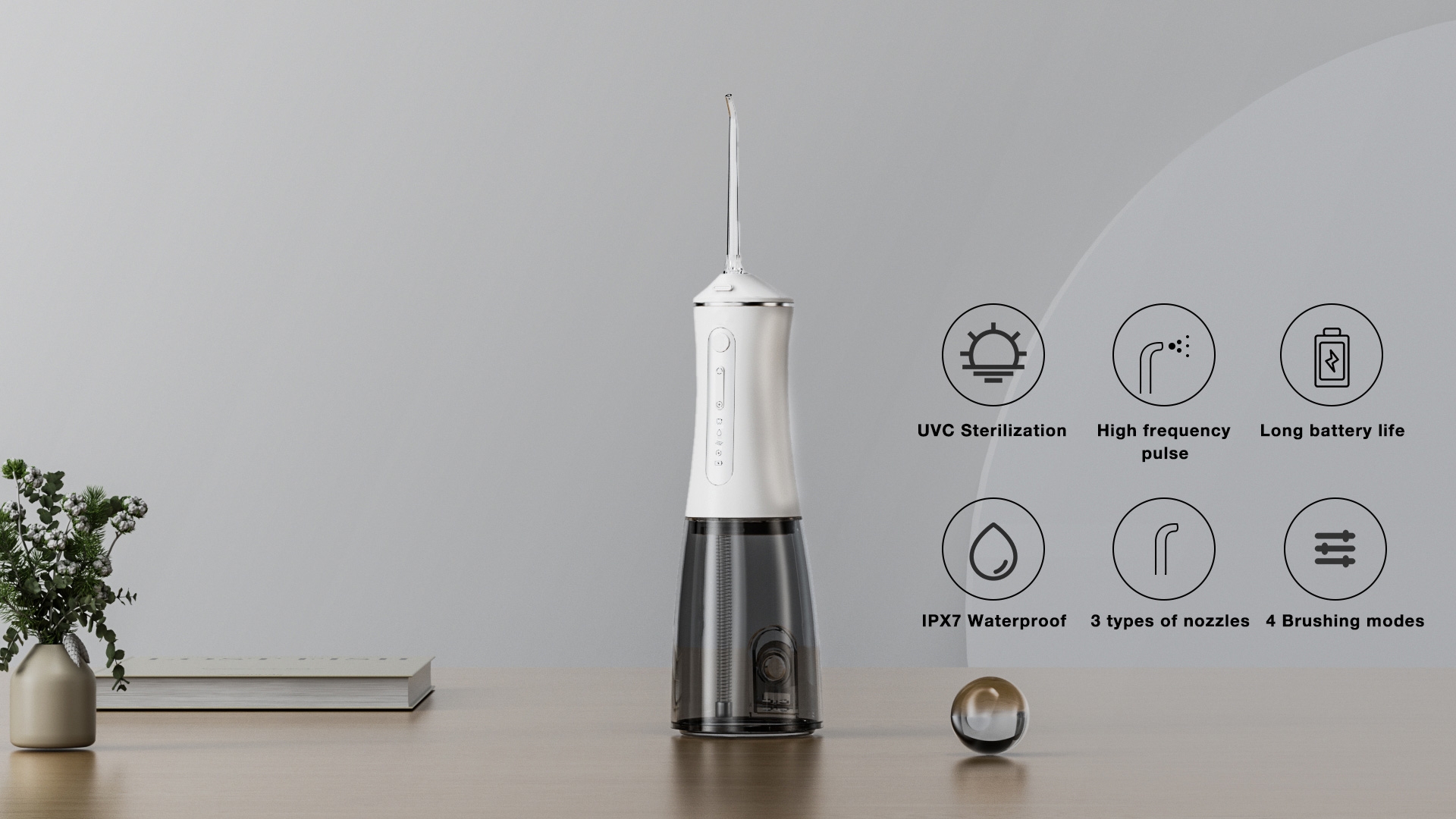
How to get the best MOQ to start a private label water flosser business
Eco-Friendly Electric Toothbrush Manufacturer | Sustainable Oral Care
Solving Electric Toothbrush Roll & Fall: Product Development Strategies for OEMs
How to Ensure Teeth Whitening Products Deliver Results Without Sensitivity
OEM Sonic Toothbrush Manufacturer China | Custom Oral Care Production
Interested in Whitening Pen OEM Production for a Fast-Acting Whitening Gel?
Which Types of Water Flosser Does the ADA Recommended for Optimal Oral Health?


.jpg)
.jpg)
.jpg)
.jpg)
.jpg)






.jpg)