When evaluating toothbrush bulk export pricing, businesses must consider more than just the unit cost. Pricing in the global oral care market is influenced by materials, production efficiency, compliance standards, and—most importantly—toothbrush logistics services that affect the total landed cost. Understanding how these factors interact allows importers, distributors, and brand owners to make informed sourcing decisions and strengthen long-term supplier relationships.
This blog explores six key elements to assess and compare toothbrush bulk export pricing effectively for global B2B buyers.
Before comparing quotations, it’s important to break down toothbrush bulk export pricing into its key cost components. These include raw material expenses (such as bristle type and handle resin), labor costs, mold amortization, and packaging.
In many cases, the total export cost is also affected by quality assurance processes, certifications (FDA, CE, ISO), and the manufacturer’s capacity. A transparent pricing model helps buyers understand value beyond the surface-level price tag.
The materials and design details of a toothbrush directly influence its export pricing. For example, a model with DuPont bristles, ergonomic handles, or antibacterial coatings will command a higher cost than a basic hotel toothbrush.
When discussing toothbrush bulk export pricing, buyers should provide detailed specifications early in the negotiation process to receive accurate quotes. This ensures that suppliers can optimize production efficiency while meeting required performance and aesthetic standards.
Toothbrush logistics services play a critical role in determining final export pricing. Freight costs, customs clearance fees, and shipment consolidation can significantly impact overall profitability—especially for international distributors or wholesalers.
Partnering with a manufacturer that provides integrated toothbrush logistics services helps streamline operations, reduce delays, and minimize unforeseen expenses. Door-to-door delivery options or partnerships with reliable freight forwarders can make the export process more predictable and cost-efficient.
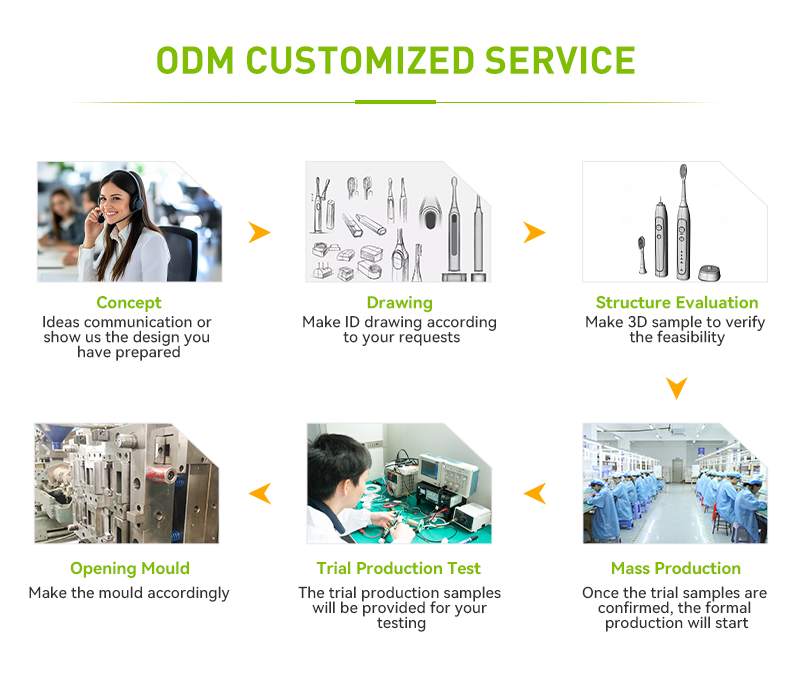
For many B2B buyers, pricing varies based on whether they choose standard OEM models or private label toothbrush customization. OEM products are generally more cost-effective due to pre-established designs and molds, while private label options require new tooling, design adjustments, and branding integration—all of which affect export pricing.
To ensure competitiveness, compare quotes not only by cost per unit but also by value-added services like design assistance, custom packaging, and logistics support.
Most suppliers determine toothbrush bulk export pricing based on order size. Larger volumes often benefit from economies of scale, resulting in reduced unit costs. However, buyers should also consider the supplier’s flexibility—some factories may offer progressive pricing tiers to accommodate scaling strategies or seasonal demand.
Discuss MOQ options early, especially when introducing new product lines or testing market response. A supplier with scalable production capacity and efficient toothbrush logistics services can provide cost advantages as your order volumes increase.
While price comparison is essential, reliability and transparency should carry equal weight. A reputable supplier will provide detailed toothbrush bulk export pricing breakdowns and proactively communicate updates related to materials, shipping, or currency fluctuations.
Establishing open dialogue and leveraging comprehensive toothbrush logistics services ensures smoother operations and long-term cost stability—essential for brands aiming to grow in international oral care markets.
In short, comparing toothbrush bulk export pricing isn’t only about finding the lowest offer—it’s about understanding the complete cost structure, from materials to shipment. Collaborating with a partner that provides both manufacturing expertise and integrated toothbrush logistics services will help streamline your procurement strategy, reduce total costs, and enhance delivery reliability.
? Looking for a trusted toothbrush export manufacturer with transparent pricing and global logistics support? Contact our team today to explore efficient sourcing solutions tailored to your market needs.
.jpg)
Professional Dental Care Toothbrush Bulk
.jpg)
How does a rancher toothbrush Texas stand up to the lone star toothbrush challenge?
Need Brush Head Injection Molding Expertise with Certified Food-grade Bristle Material?
Why Do App Connectivity Loss and Battery Swelling Coexist?
Why Is Cavitation Cleaning Technology More Effective With a Micro-Perforated Brush Head?
What is the Leonard Method of Brushing Teeth? An OEM Manufacturer’s Guide
How Do Pressure Sensor Errors Trigger Gum Irritation Signs?
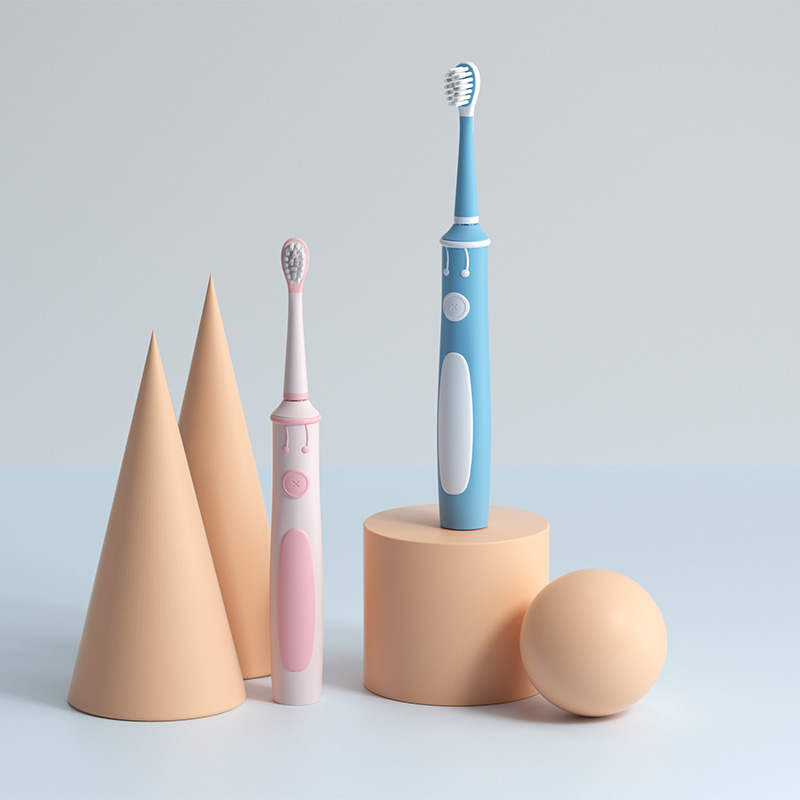
Sourcing Kids Electric Toothbrush Hyderabad: Regional OEM Manufacturing
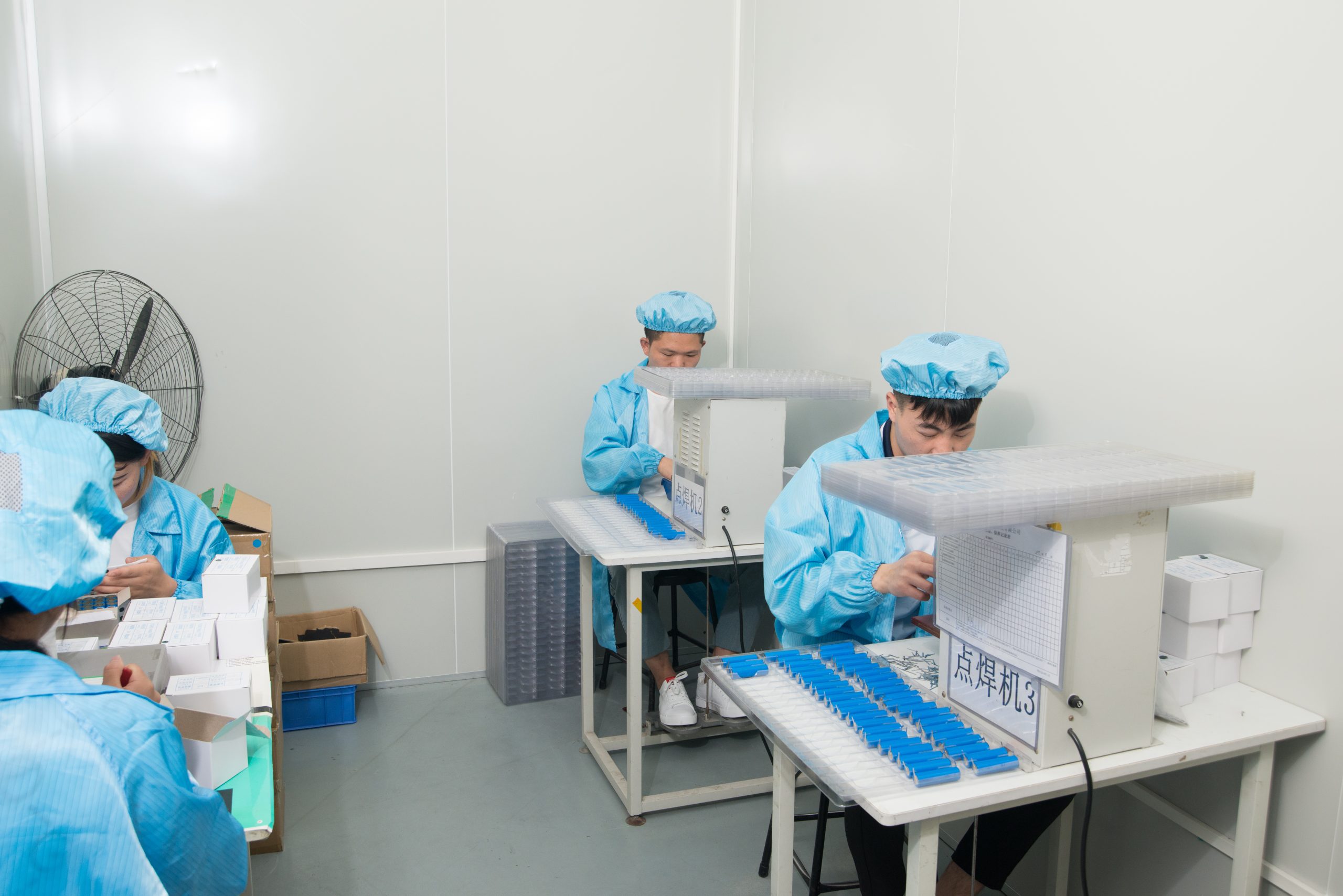
Analysis of the Whole Process of Water Flosser Manufacturing and Production: How Do Professional Manufacturers Ensure High Efficiency and Quality?
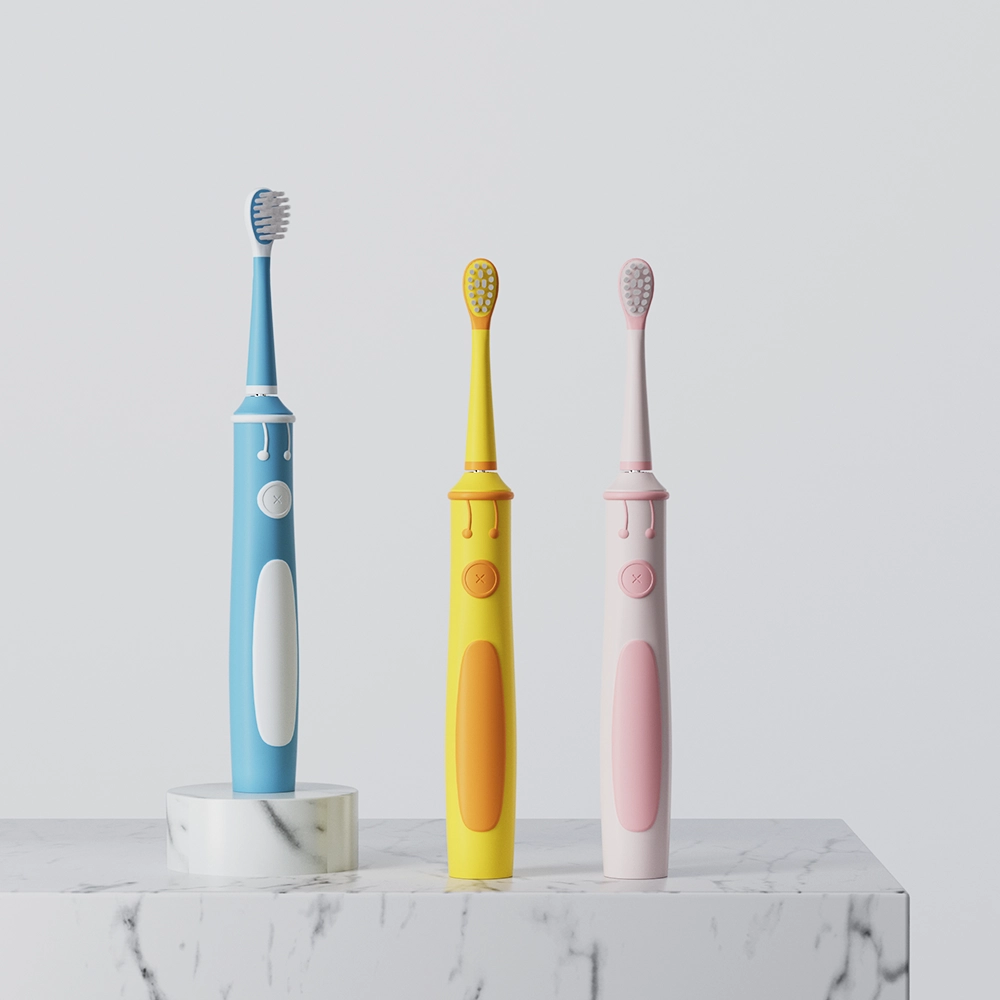
Why Kids’ Electric Toothbrushes Need Antibacterial Materials
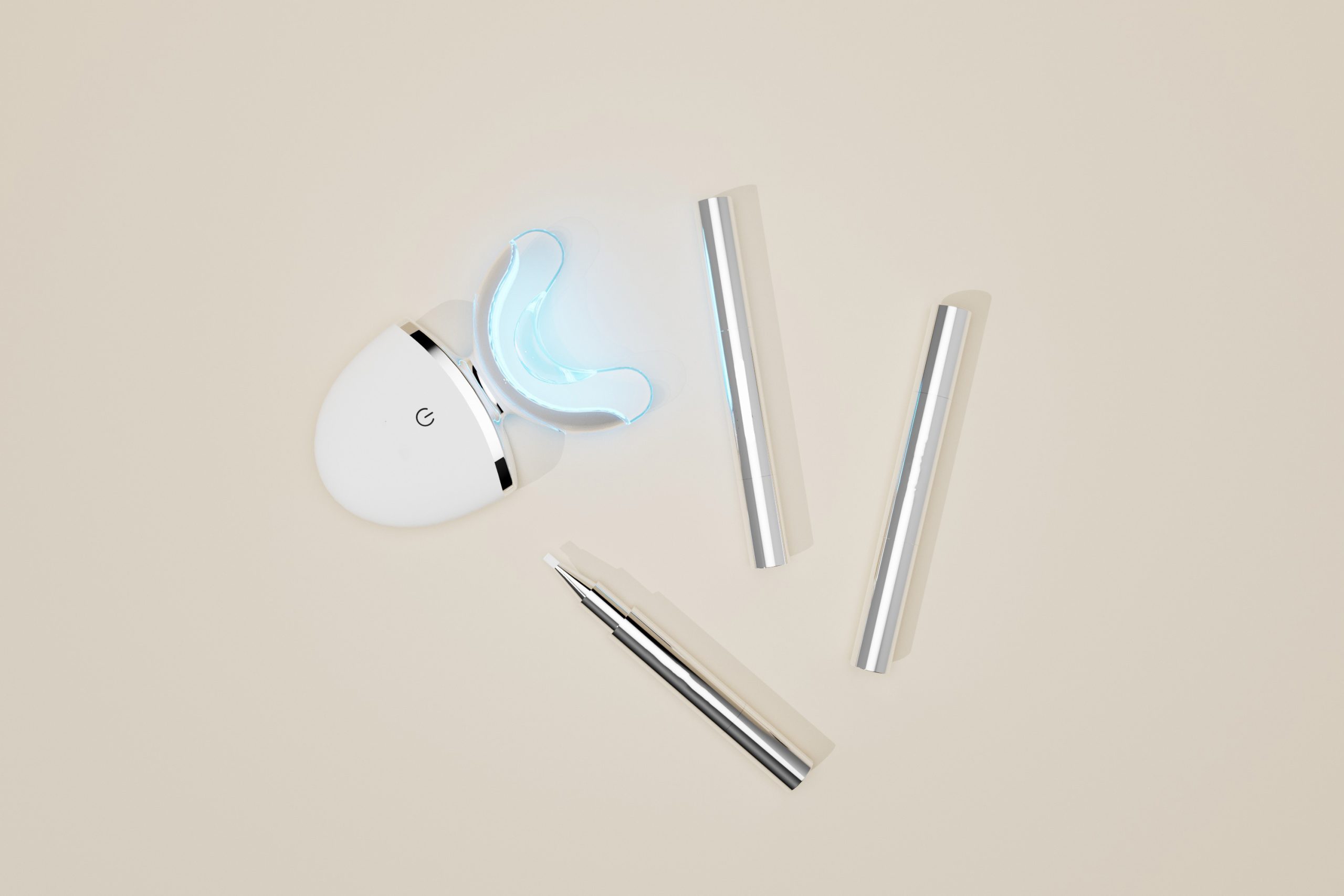
How to Be the Top Seller of Teeth Whitening Pens
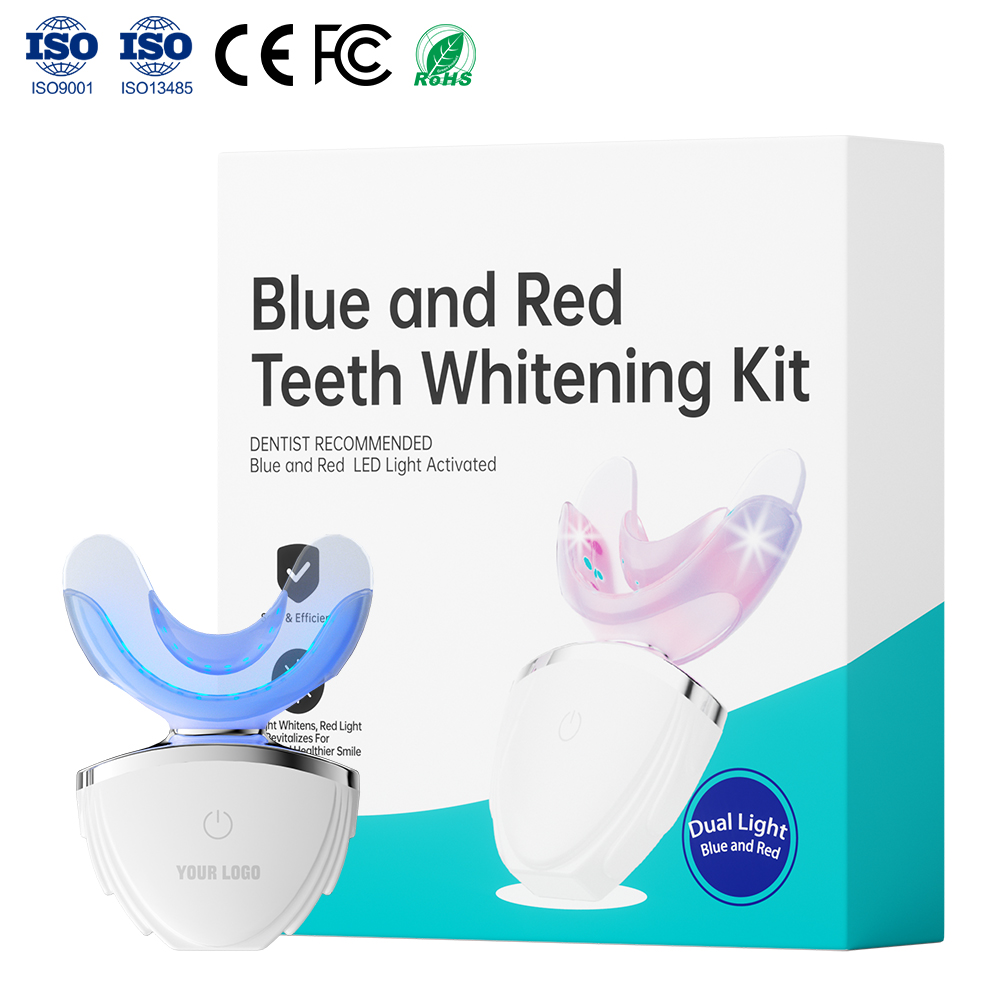
How Does an LED Whitening Lamp Activate an Accelerated Whitening Solution Effectively?
Smart Toothbrush App Supplier Seattle Tech | Innovation in Oral Care
Is Your Brush Truly “Smart”?
Pulp Inflammation After Periodontal Pocket Deepening – Emergency?
How Does a Waterproof IPX7 Solution Integrate with Ergonomic Custom Handle Design?


.jpg)
.jpg)
.jpg)
.jpg)
.jpg)