Teeth whitening device tooling cost often becomes one of the largest early investments in an OEM development program. Since injection molds define cosmetic quality, assembly accuracy, and production efficiency, their design and durability strongly influence total lifecycle cost. Therefore, B2B buyers should understand how tooling budgets are built, how they affect per-unit pricing, and how ownership or amortization negotiations impact long-term profitability.
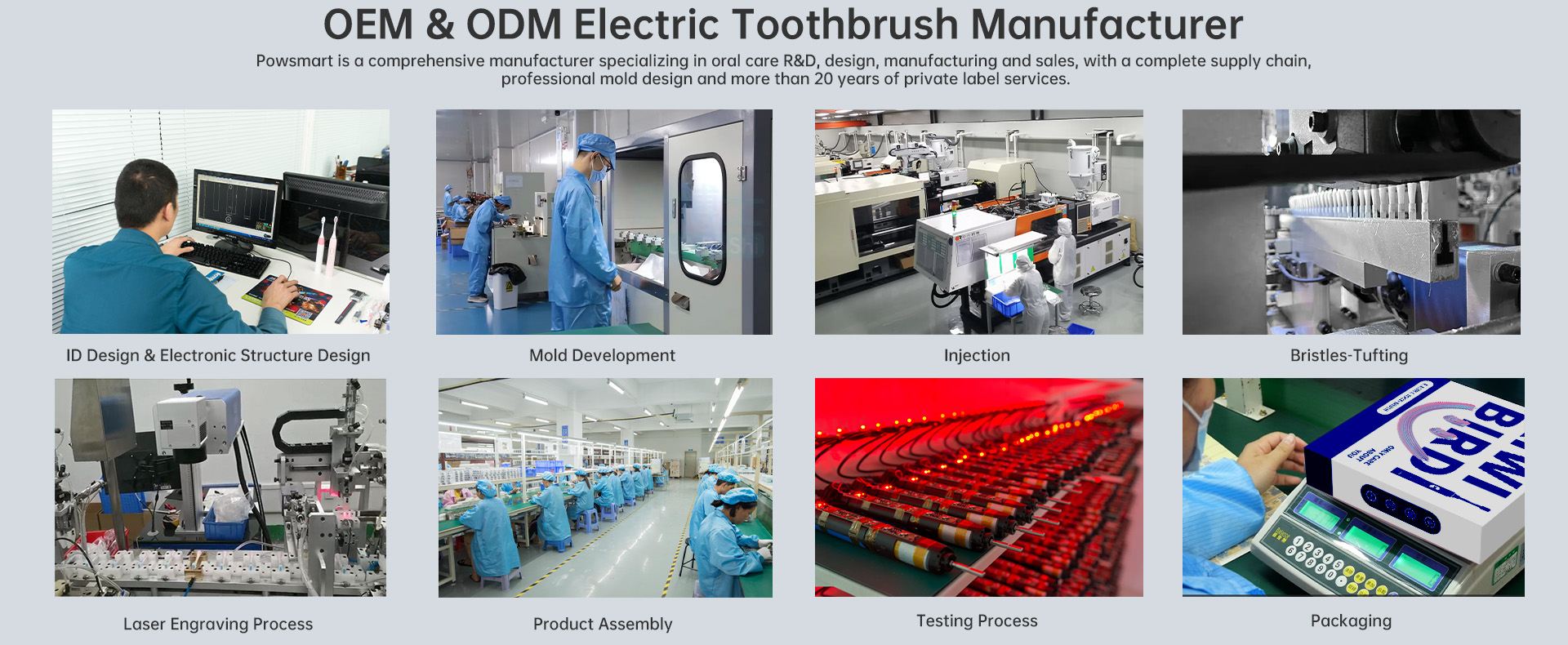
At the start, product managers and engineers translate the industrial design into manufacturable components. Consequently, parting lines, draft angles, and material choices begin to shape the tooling plan. Moreover, complex cosmetic shapes or tight tolerances increase the number of mold cavities and precision requirements, which naturally drives price higher. However, higher-quality molds also tend to extend lifespan and reduce defect rates, so the cheapest quotation rarely offers the best total value.
Mid-project, suppliers estimate the teeth whitening device tooling cost based on steel grade, cavity count, hot-runner configuration, and expected output volumes. In addition, brands must decide whether to pay the full mold fee upfront or amortize it into the unit price. Therefore, finance teams should calculate how many units the program expects to sell and compare both scenarios. Moreover, ownership terms require attention. If the factory legally controls the tools, switching suppliers later becomes difficult. As a result, clear contract language protects both sides.
Beyond the molds, related fixtures, jigs, and test equipment also add to the investment. Consequently, disciplined planning ensures that every dollar contributes to quality and production stability. For brands seeking experienced manufacturing partners, you can review capabilities at https://powsmart.com/. For general information about product safety and oral care industry context, https://www.ada.org remains a trusted resource.
In conclusion, understanding teeth whitening device tooling cost allows OEM buyers to negotiate smarter, manage lifecycle economics, and secure durable, high-quality production capacity for their whitening device programs.

.jpg)
Whitening Device Production MOQ — How Importers Plan Order Strategy
Understanding Water Flosser Compliance Certification for Global Markets
Electric toothbrush wholesale Florida
Wireless Induction Charging Massage Electric Toothbrush manufacturers
Gum care Florida solutions need Florida replacement heads?
.jpg)
oral care products distributor United States
Sonic Electric Toothbrush with Travel Base Manufacturer
Florida electric toothbrush supplier
Professional sonic toothbrush distributor Florida
.jpg)
USA electric toothbrush maker
.jpg)
electric toothbrush supplier Florida
.jpg)
sonic electric toothbrush Florida
How to Choose a Reliable Home-Use Whitening Device Supplier for Your Brand
How to Build a Competitive Oral Beauty Device Private Label Brand
Sonic Electric Toothbrush Manufacturing Factory with Gum Care Massage
Why Water Flosser Pressure Calibration Matters for OEM Buyers


.jpg)
.jpg)
.jpg)
.jpg)
.jpg)