
In the growing landscape of dental aesthetics, few concerns are more alarming to users than taste loss following mucosal burns. As whitening products become increasingly potent, manufacturers and distributors face the delicate challenge of balancing efficacy with safety. Is diminished taste just a short-lived inconvenience—or is it an unacceptable price for a brighter smile?
Mucosal burns refer to chemical or thermal injuries affecting the soft tissues lining the mouth, such as the gums, cheeks, and tongue. In whitening treatments, these burns typically arise from:
When these factors combine, they can erode the protective mucosal barrier, triggering inflammation and damage.
Taste loss—the partial or complete reduction in taste perception—can be a direct result of mucosal injury. This happens because:
In B2B settings, frequent user complaints about impaired taste perception may signal issues with formulation strength or delivery mechanisms. Company web:https://www.powsmart.com/product/electric-toothbrush/
Duration varies widely, depending on burn severity:
Manufacturers should be transparent with partners about the possible timelines and encourage users to report any persistent symptoms.
To preempt complaints and potential liability, consider the following risk contributors:
Addressing these factors in product development and packaging can substantially reduce mucosal injury rates.
Mitigation requires an integrated approach combining formulation science and engineering controls:
These enhancements protect end users while strengthening brand credibility.
When taste loss occurs, timely guidance is critical. Best practices include:
Clear communication demonstrates commitment to customer safety and helps prevent escalation to regulatory scrutiny.
While whitening products remain in high demand, taste loss and mucosal burns highlight the real cost of pushing chemical potency without safeguards. By investing in better formulations, thoughtful design, and transparent support, manufacturers can deliver dazzling smiles—without compromising users’ ability to savor life’s flavors. Contact us
-1024x1024.jpg)
.jpg)
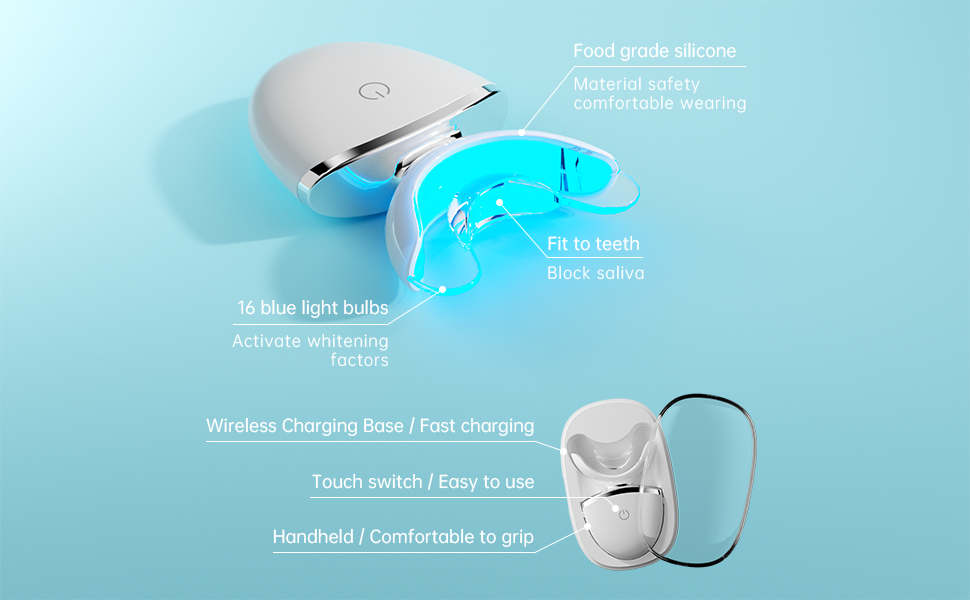
Affordable Innovation: Unlocking OEM LED Teeth Whitening Kit Costs for Your Brand
.jpg)
LED Whitening Toothbrush OEM | Advanced Oral Care Manufacturing Solutions
Pros and Cons of Portable and Home Water Flosser
Electric Toothbrush with UV Cleaning Base | Advanced Oral Hygiene Solutions
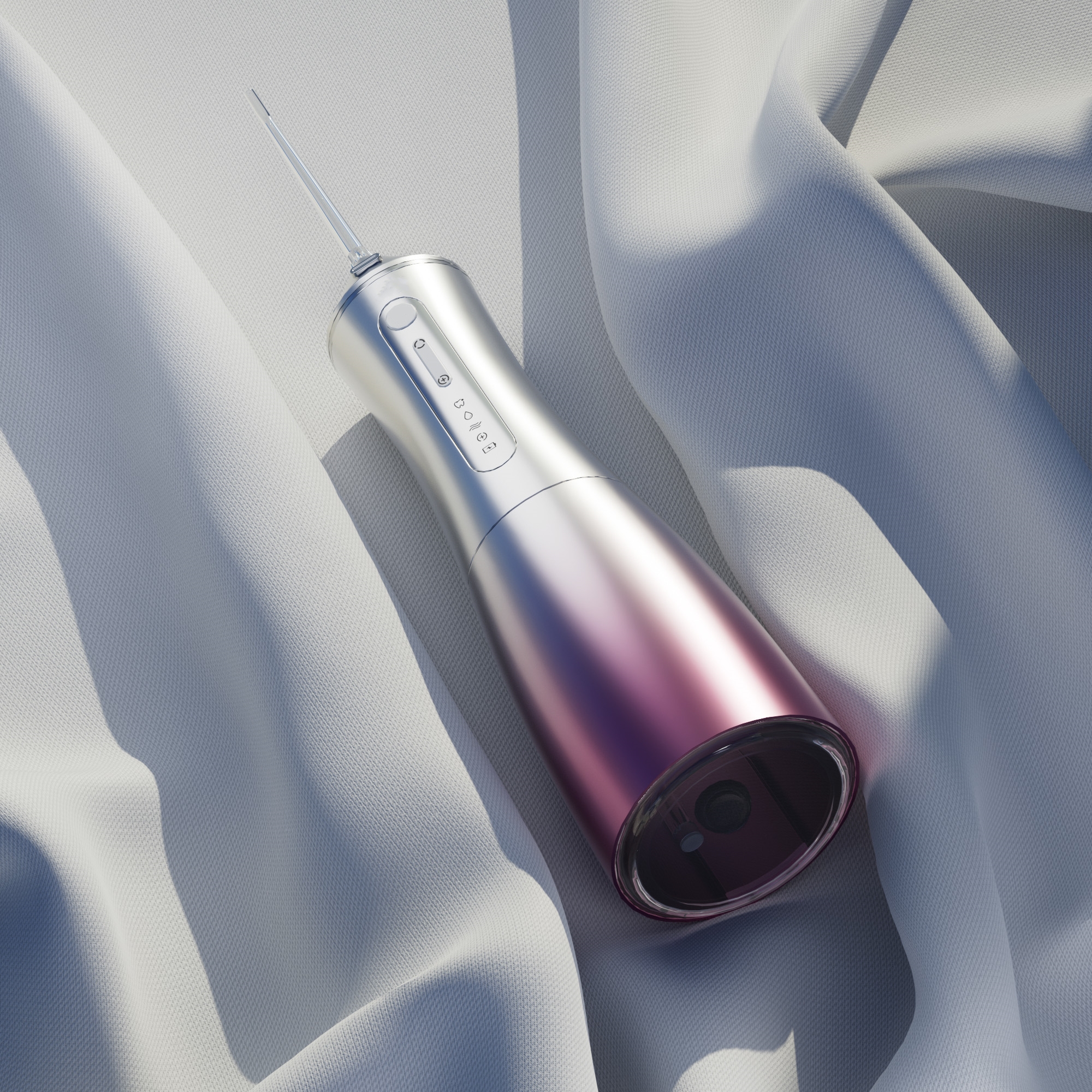
What Makes a High-Quality Water Flosser? Material Choices for Durability and Performance
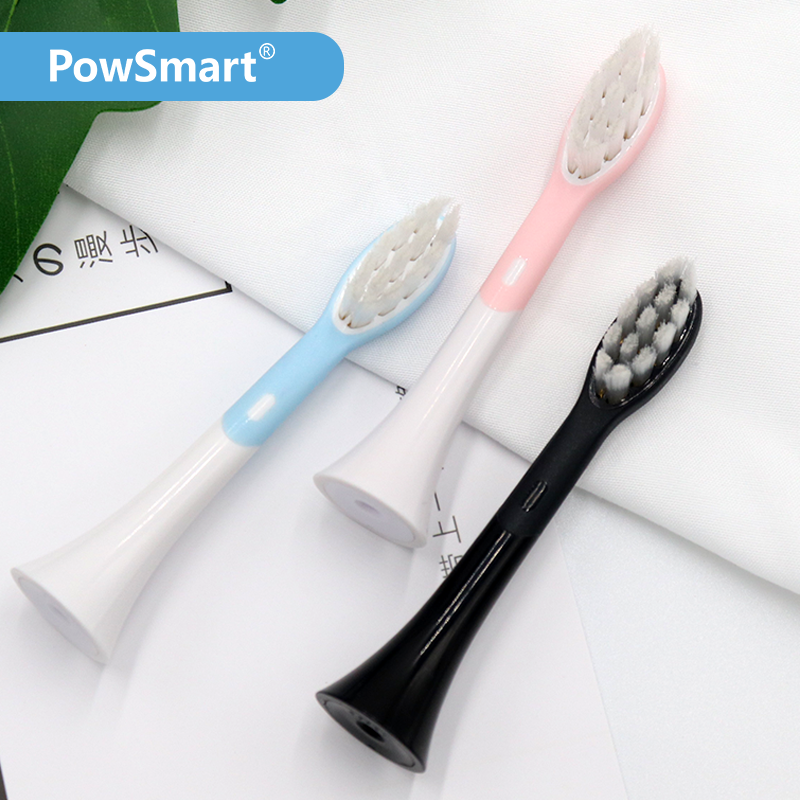
Are the Benefits of Charcoal Bristle Brush Head Real?
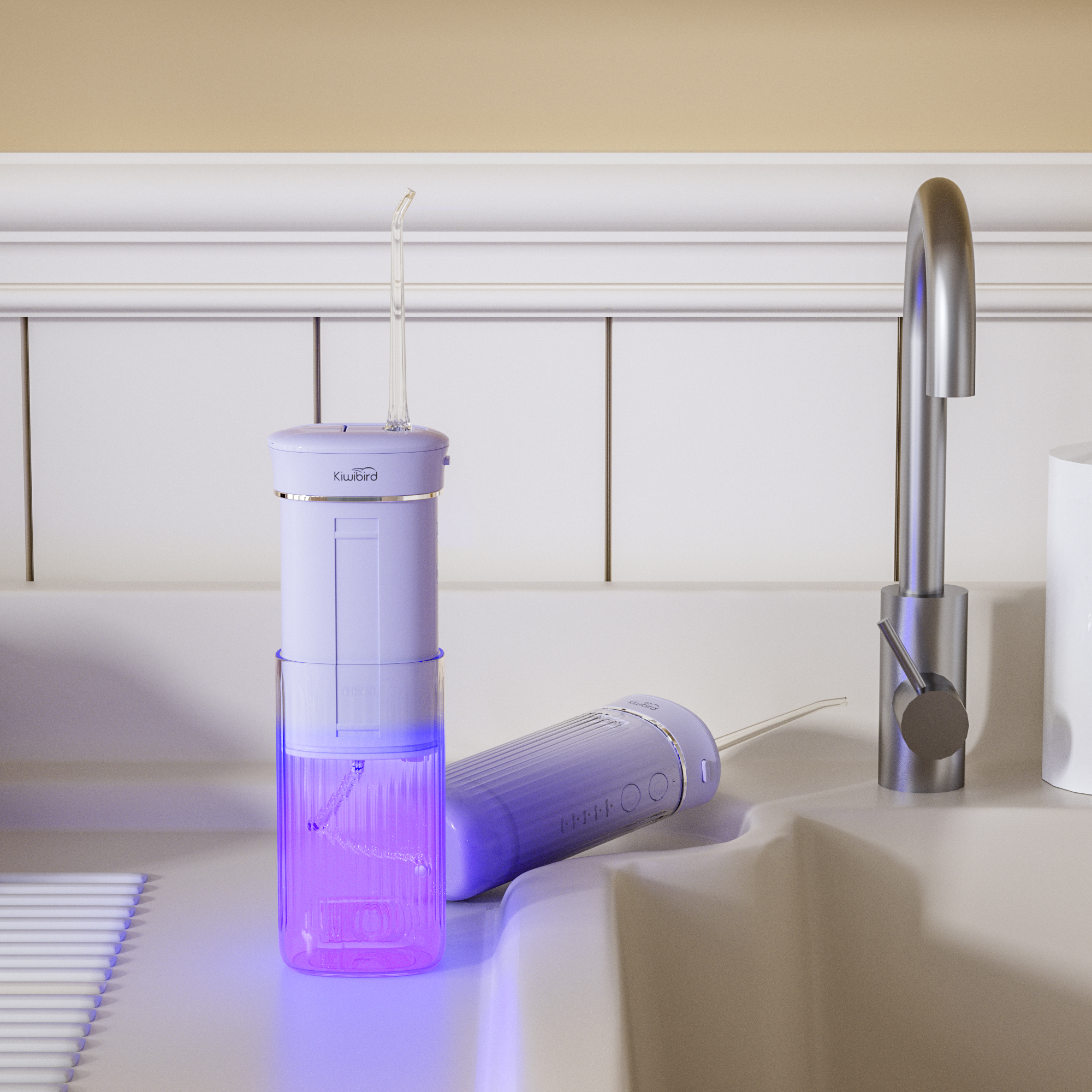
Why Choose Us? Five Advantages of a Professional Manufacturer of UV Sterilizing Water Flossers
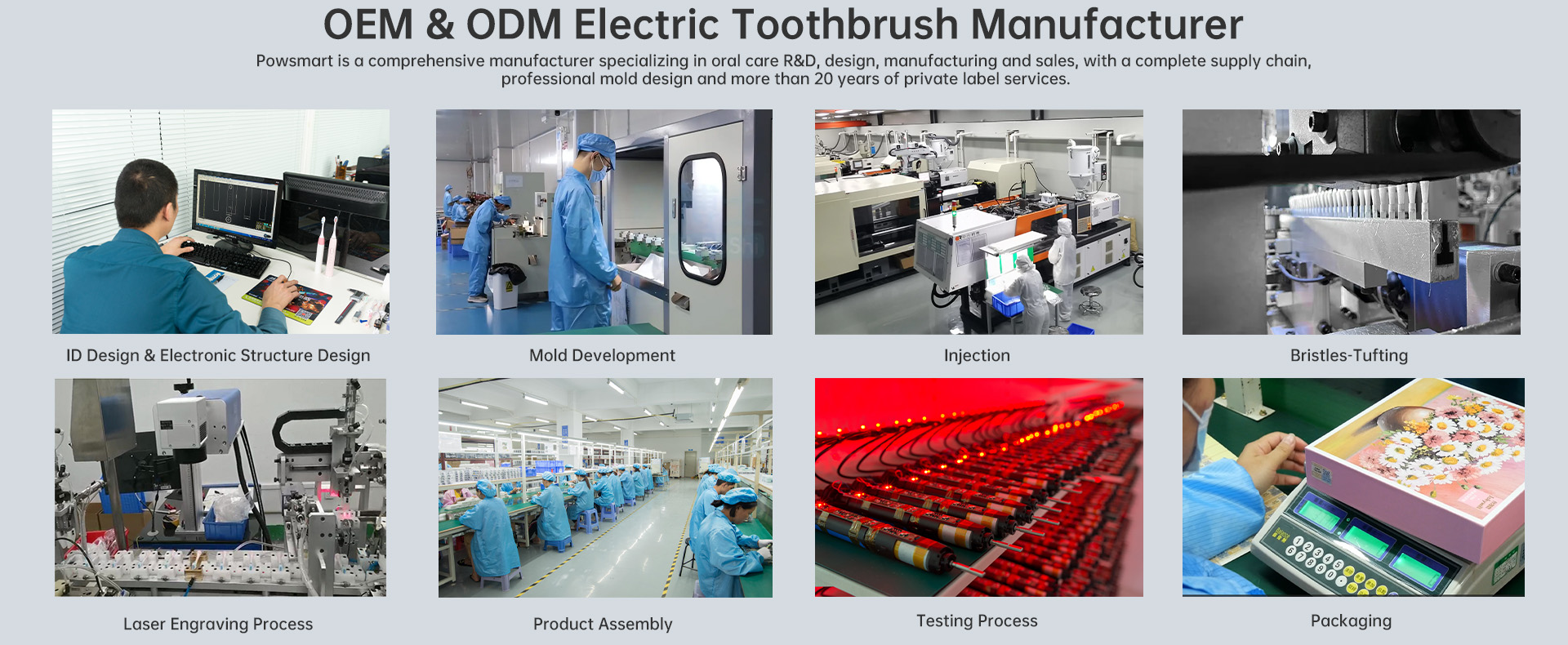
Antibacterial Water Flosser Technology Trend: The Importance of UV Sterilization for Water Tank Hygiene Assurance
Fourth of July Red Blue Electric Toothbrush
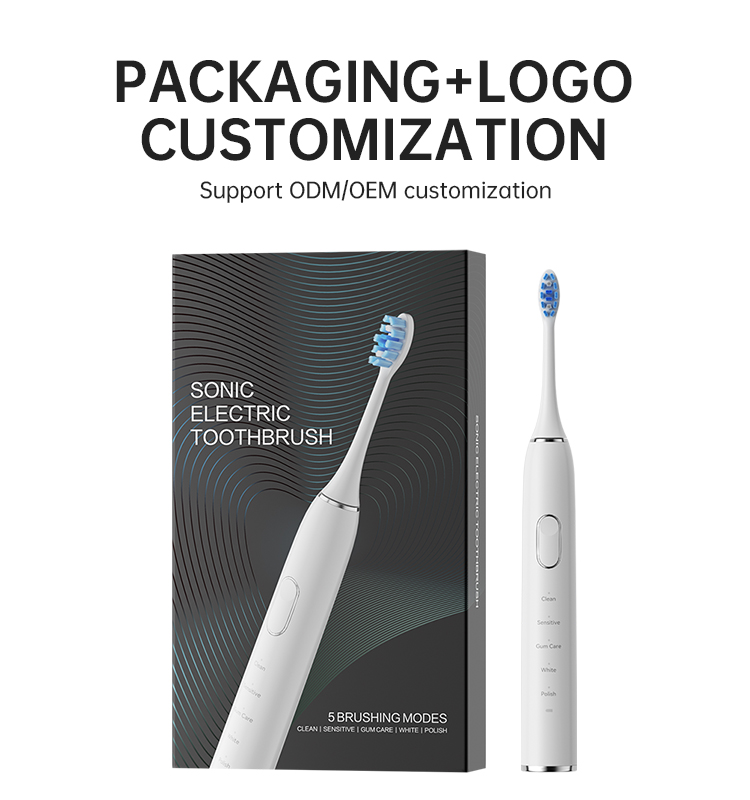
What Makes a Portable Water Flosser Truly User-Friendly?
Teeth Whitening Kit Private Label Solutions for B2B Brands
.jpg)
Florida Electric Toothbrush – Powsmart PTR-C8 for Humid Climates
.jpg)
Custom Children’s Electric Toothbrush Design – Soft Bristles & Food-Grade Silicone
Dentist Clinic Electric Toothbrush Supplier
Are Electric Toothbrush Heads Universal?
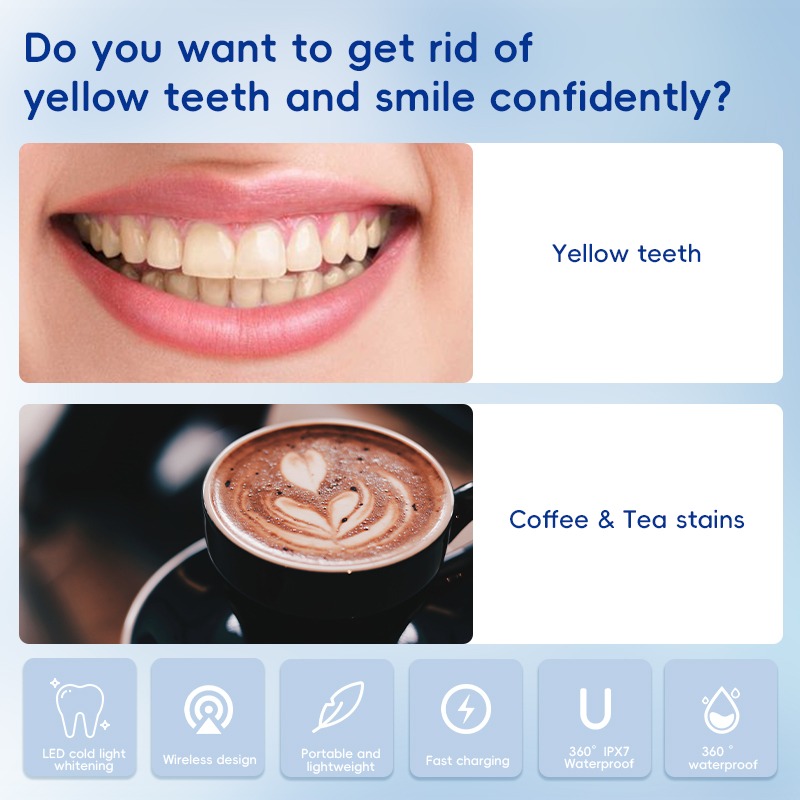
Popular At-Home Teeth Whitening Solutions


.jpg)
.jpg)
.jpg)
.jpg)
.jpg)






.jpg)