For Eagle syndrome oral care guidance, visit https://www.entnet.org/health-information/eagle-syndrome/.

.jpg)
Excessive Noise With Pulp Inflammation? Dual Threats From Electric Brushes!

Is Optogenetic Sensitivity Relief a Viable Path to FDA Breakthrough Device Designation?
Should Your Dynamic Pricing Engine Be Informed by a Total Cost of Ownership Analysis for B2B Clients?
How Does Co-invented IP Management Structure a True Equity-for-Technology Partnership?
IPX7 Electric Toothbrush OEM
Why Is Brush Head AQL Testing Critical After the Silicone Overmold Service Process?
Red vs Blue Light Electric Toothbrush: What’s the Difference?
Silent Motor Electric Toothbrush OEM: Engineering Low-Noise Performance for Premium Oral Care
Electric Toothbrush for Cleft Palate
Electric Toothbrush Prototype Development Supplier for Rapid Product Innovation

Cordless Electric Toothbrush Supplier – Powsmart OEM & Global Wholesale
IPX7 Waterproof Electric Toothbrush Supplier: OEM Manufacturing Solutions
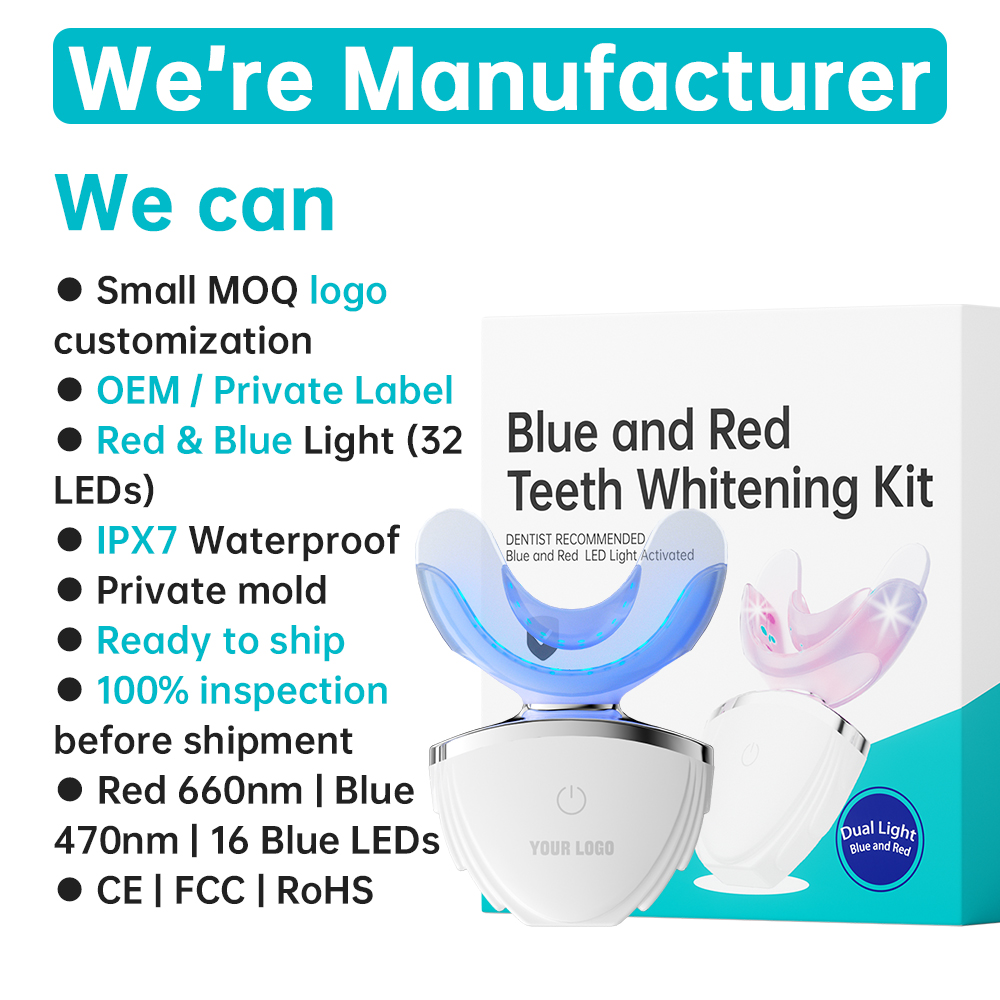
Reasons why brands should start teeth whitening kit business
Soft Filament Electric Toothbrush Manufacturer
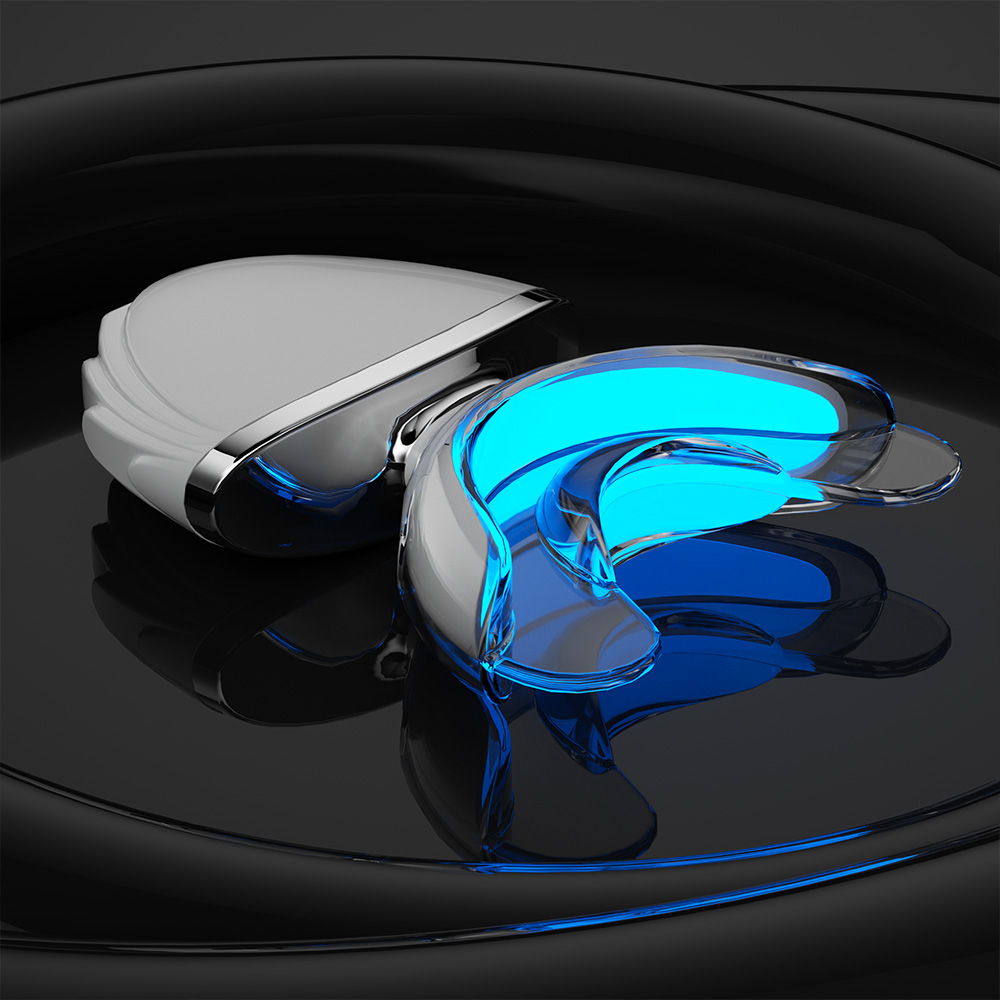
The process of brand owners customizing OEM whitening teeth Kit
Carbon Nanotube Conductive Paste or Liquid Metal Circuit: Which is Better for Flexible Dental Heaters?


.jpg)
.jpg)
.jpg)
.jpg)
.jpg)








.jpg)
.jpg)
.jpg)