
Choosing the optimal mechanical platform represents a critical initial phase when designing a custom oral care catalog. For global procurement teams, understanding different drive mechanics is essential for targeting specific consumer dental preferences. Consequently, executing an analytical sonic vs oscillating electric toothbrush comparison helps your brand select the right manufacturing track. Both technologies remove plaque effectively but rely on entirely distinct motor engineering and structural kinematics. Selecting the appropriate system dictates your target retail demographic, manufacturing tooling costs, and overall product performance metrics. Our advanced manufacturing facility provides comprehensive OEM solutions across both mechanical configurations to support your business expansion.
Furthermore, a professional sourcing assessment looks beyond basic marketing buzzwords or external body cosmetics. True product optimization requires evaluating drive shaft friction coefficients, dynamic brush head mechanics, and fluid sweeping forces. This guide highlights the core technical variations between these two dominant dental platforms from an industrial viewpoint.
The fundamental mechanical difference between these platforms resides inside the directional movement of the brush bristles. Each system alters how the filament tips engage with enamel surfaces during a standard cleaning cycle.
Oscillating-rotating devices utilize a mechanical gear assembly to swing the brush head back and forth rapidly. This configuration relies on physical friction to scrub away stubborn tartar from dense dental structures directly. This mechanical interaction defines the core debate of a sonic vs oscillating electric toothbrush line. In contrast, sonic platforms utilize magnetic suspension to move bristles side-to-side at extreme velocities. This rapid sweeping motion creates high-frequency acoustic waves that agitate oral fluids inside the user’s mouth. The resulting hydrodynamic forces flush out hidden plaque from tight interdental gaps without requiring heavy physical pressure.
The internal hardware layout of your chosen powertrain influences factory tooling budgets and product durability directly. Sourcing managers must evaluate the mechanical wear rates associated with each drive system.
Mechanical oscillating mechanisms require intricate internal plastic cams and metallic gears to translate motor rotation into oscillation. These moving parts experience high internal friction, which often increases operational noise and accelerates component wear. This hardware limitation shifts focus toward a sonic vs oscillating electric toothbrush choice for premium brands. Our facility specializes in building high-performance sonic handles utilizing a proprietary Duplex Bearings Maglev Motor. This frictionless magnetic setup reaches up to 40,000 movements per minute while generating minimal operational noise. The lack of internal rubbing components extends the functional lifecycle of the handle significantly.
Our automated production facility combines meticulous structural craftsmanship with a thorough quality verification framework across all lines. Every single customized unit must survive a strict gauntlet of 38 distinct industrial reliability tests before shipping.
Our underlying electronic handle platform holds an exceptional 9.75 out of 10 performance rating from Underwriters Laboratories (UL). Independent testing confirms our custom power systems deliver a battery life that lasts three times longer than top national brands. For example, our premium model PTR-E10 can operate for up to 250 days on a single Type-C charge. High-precision molds secure a genuine IPX7 waterproof rating to protect internal circuits from fluid leaks. We support your business growth by offering flexible low MOQs starting at 1,000 pieces for premium models.
To review full mechanical blueprints and download component spec sheets, please check the powsmart.com sonic electric toothbrush series. To explore academic histories of clinical dental hygiene standards, you can access the digital archives maintained by the British Dental Association.
In summary, selecting between magnetic sweeping and mechanical scrubbing depends on your specific brand market positioning. Reviewing a sonic vs oscillating electric toothbrush framework allows your team to choose the ideal hardware setup. Partnering with an engineering-focused factory grants your company access to quiet maglev motors, certified UL safety, and flexible production volumes. Contact our procurement experts today to build a high-performance oral care catalog with absolute confidence.
.jpg)
Are You the Leading Water Flosser Nozzle Supplier for High-Volume Replacement Head Production?
Tips to Select the Best Teeth Whitening Refill Kits Factories
Is a Teeth Whitening Pen the Ultimate On-the-Go Beauty Solution?
Does Your Contract Manufacturing Agreement Provide Quality Certification Support?
Do Multi-Color Toothbrushes in a Bundle Savings Deal Prevent Sibling Fights?
.jpg)
Inflamed Gums Water Flosser Relief: Soothe Gingivitis Effectively
How to Keep Teeth Clean with Braces?
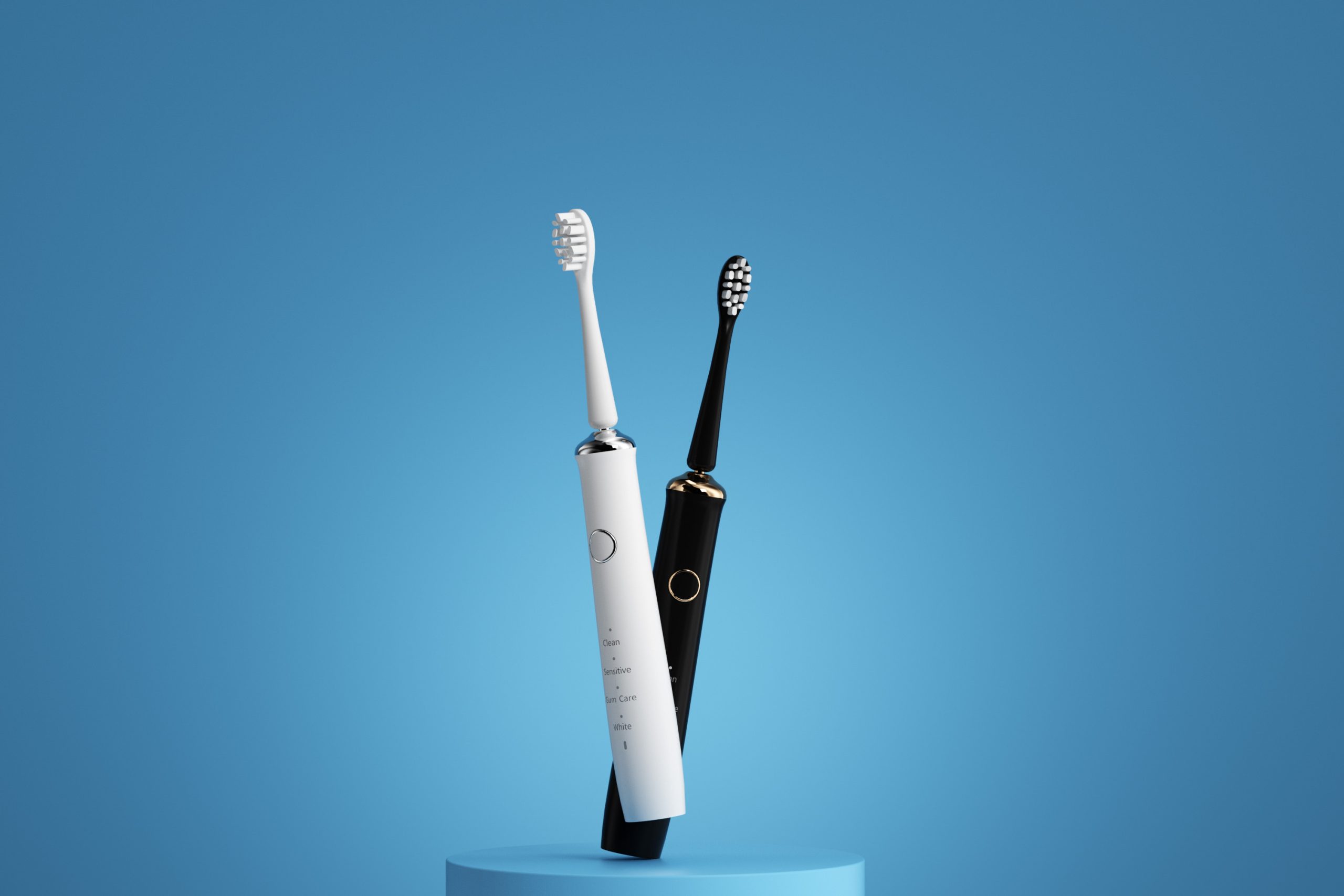
Where to Find Affordable Electric Toothbrushes in Los Angeles?

Four Core Factors Brand Owners Must Pay Attention to When Choosing Competitive Water Flossers
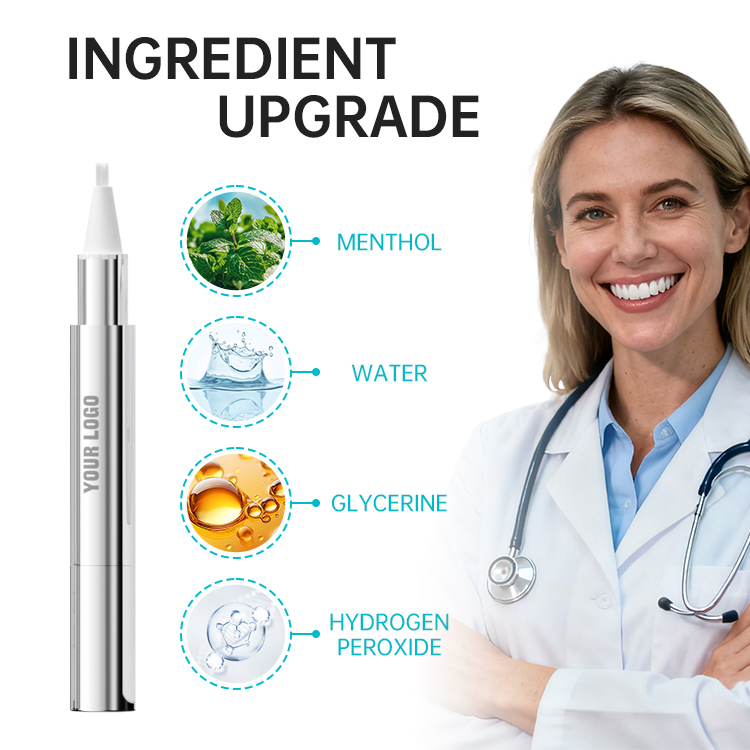
How Can I Remove Yellow Teeth at Home? OEM Teeth Whitening Solutions for Brands
USB Rechargeable Toothbrush Wholesale Supplier Guide

How Does Whitening Kit Packaging Influence Whitening Kit Bundle Design for Market Appeal?
Recyclable Packaging Toothbrush Supplier | Eco-Friendly Oral Care
Tetracycline Stains Whitening Guide: Best Methods for Stubborn Discoloration
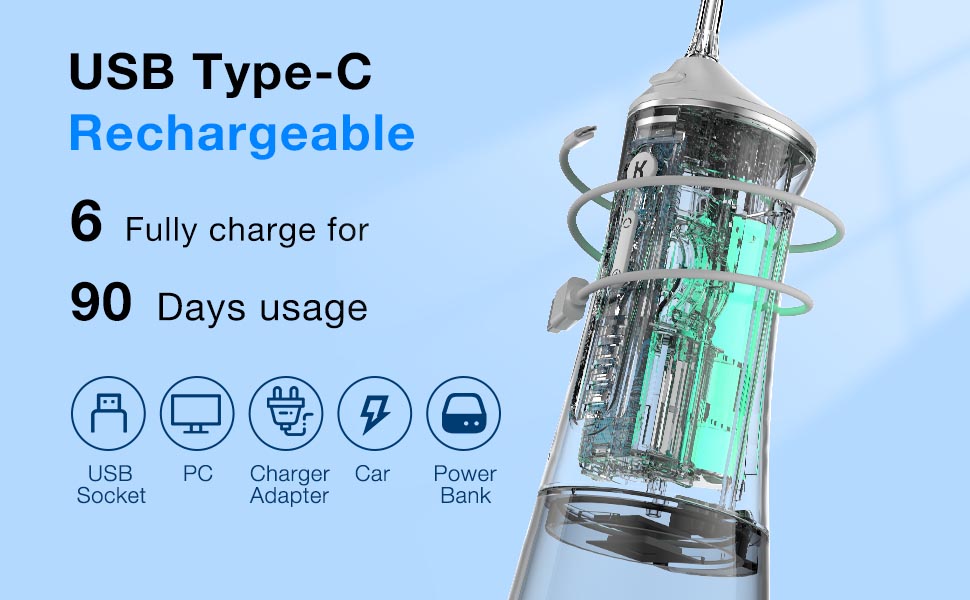
How Does a Smart Timer Water Flosser Enhance the Functionality of a Home Countertop Irrigator?
Electric Toothbrush Quality Control Factory: Full Process QC System for OEM Production


.jpg)
.jpg)
.jpg)
.jpg)
.jpg)







.jpg)