With the growing popularity of cordless oral irrigators, the demand for IPX7 waterproof water flossers has significantly increased. Consumers expect reliable, fully water-resistant devices suitable for use in showers or over the sink. However, behind this convenience lies a critical design challenge: preventing water flosser ingress failures over time. This blog analyzes the root causes—particularly the aging of sealing rings—and offers engineering-based solutions to water flosser ingress failures for manufacturers aiming to maintain product reliability and brand reputation.
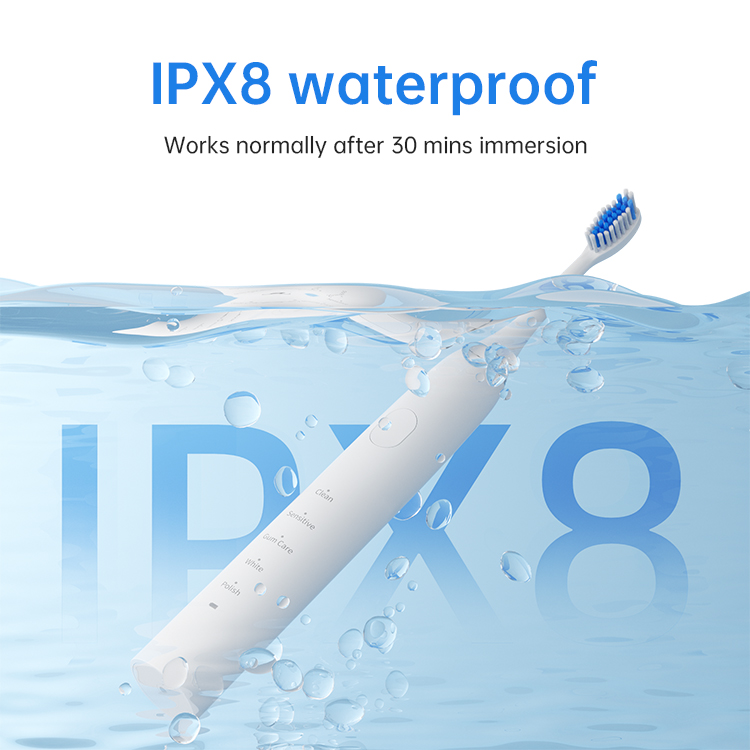
The IPX7 rating certifies that a product can withstand immersion in up to 1 meter of water for 30 minutes. While this is sufficient for general bathroom usage, it does not guarantee permanent protection over a product’s lifecycle.
In real-world conditions, repetitive exposure to moisture, pressure changes, and cleaning agents can accelerate the aging of sealing rings, making devices more vulnerable to leaks despite their certified waterproof rating.
The sealing ring, typically made of silicone or rubber, is the primary barrier preventing water from entering the internal electronics of a water flosser. Over time, several issues may occur:
Material hardening or cracking due to temperature fluctuations and humidity
Deformation from repeated battery charging or tank removal
Chemical corrosion from toothpaste residue, alcohol, or disinfectants
This degradation leads to water flosser ingress failure, especially at junction points like the charging port, water tank interface, or control buttons.
Several recurring issues in poorly optimized designs include:
Insufficient groove depth or compression range for the sealing ring
Over-reliance on a single O-ring instead of multi-layer protection
Improper material choice (e.g., low-grade rubber instead of medical-grade silicone)
No allowance for thermal expansion or mechanical strain in design tolerances
These flaws increase the risk of water seepage and device failure, especially in high-use environments.
To resolve these design issues and increase product durability, professional manufacturers implement the following solutions to water flosser ingress failures:
Use high-grade, UV-resistant silicone rings that resist deformation and aging
Dual-seal designs that combine O-rings with gasket-based solutions for redundancy
Precision CNC-milled housing interfaces that ensure optimal compression fit
Redesigned charging ports with magnetic or wireless interfaces to eliminate exposed electrical contacts
Pre-production lifecycle testing, simulating 2–3 years of daily use to validate waterproof integrity
These improvements significantly extend the reliability of IPX7 waterproof water flossers even under rigorous usage.
In the competitive market of portable oral care devices, product reliability can make or break a brand. Understanding the risks posed by aging of sealing rings and proactively engineering solutions to water ingress failure is essential for any manufacturer of IPX7 waterproof water flossers.
Through improved materials, smarter sealing structures, and comprehensive testing, brands can deliver truly water-resistant flossers that stand the test of time.
If you’re looking to improve the waterproof performance of your water flosser OEM/ODM projects, our engineering team can assist with advanced design validation and sealing optimization. Contact us today to explore waterproofing solutions tailored to your product line.https://www.powsmart.com/contact-us/

Why Is a Smart Battery Management System Critical for a Portable Water Flosser?
Eco-friendly design of the Powsmart electric toothbrush: better cleaning, less waste
.jpg)
Cleaning Residue Causing Tongue Irritation?
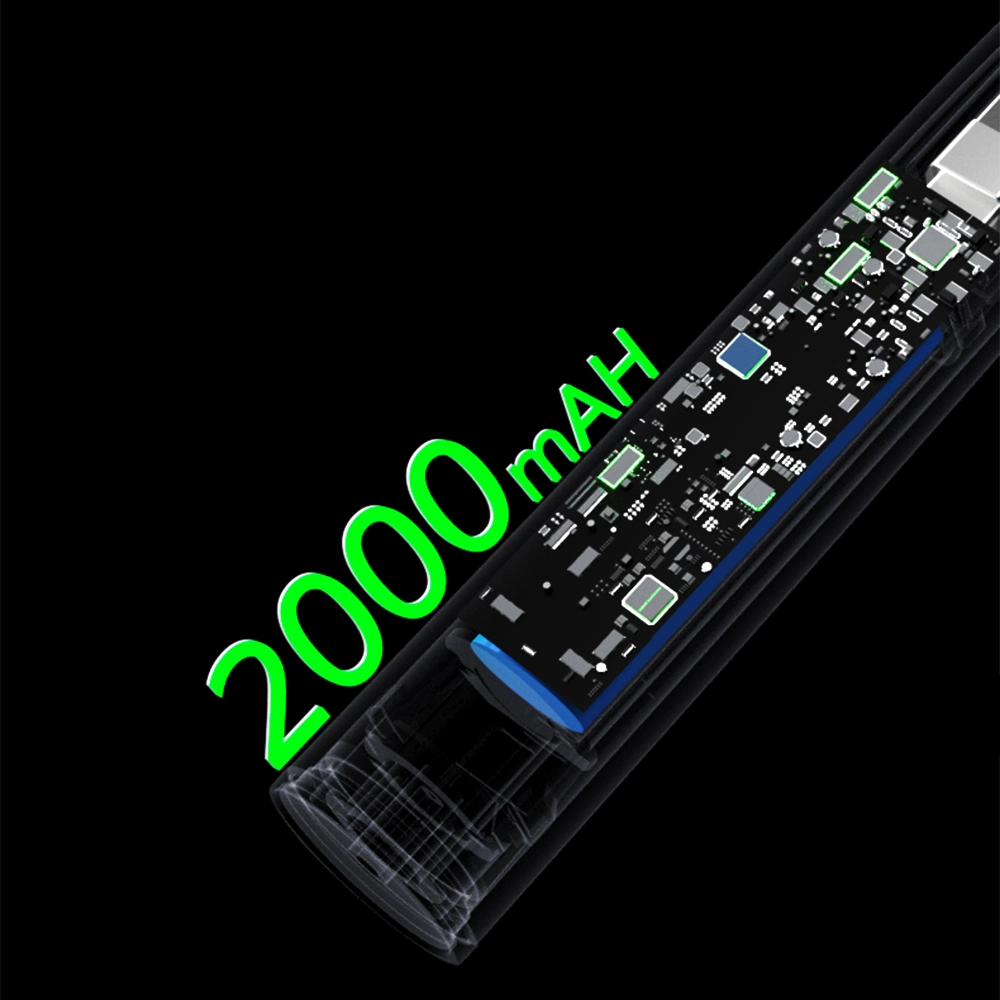
What types of batteries are there for electric toothbrush Batteries?
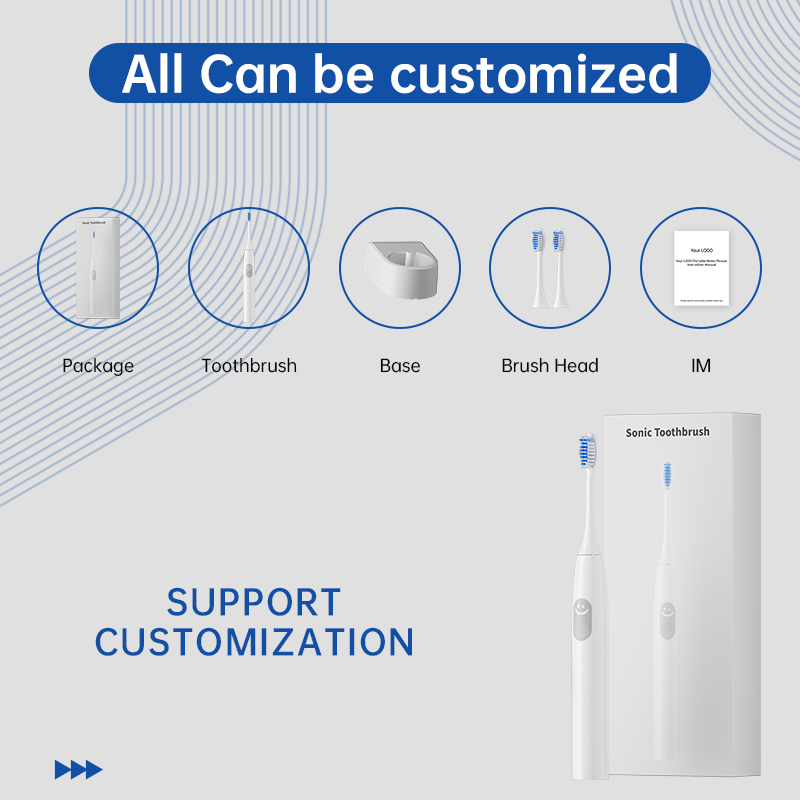
Best Product Category for New Year Health Goals: OEM Electric Toothbrushes
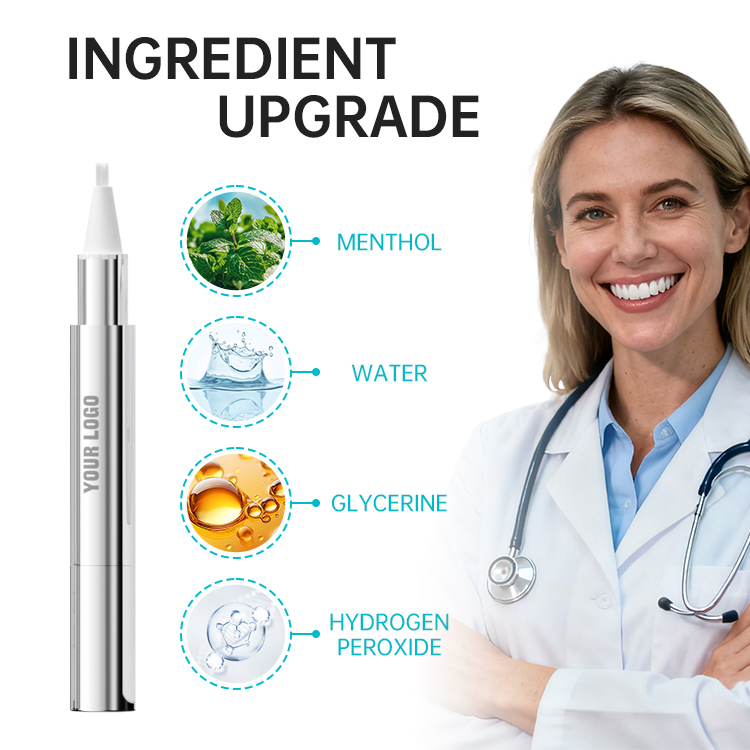
7 Dentist-Approved Tips to Safely Whiten Your Teeth — and How They Can Help You Create Your Own Teeth Whitening Brand

Can a Periodontal Pocket Irrigator Benefit from Photo-accelerated Oxidation for Deep Cleaning?
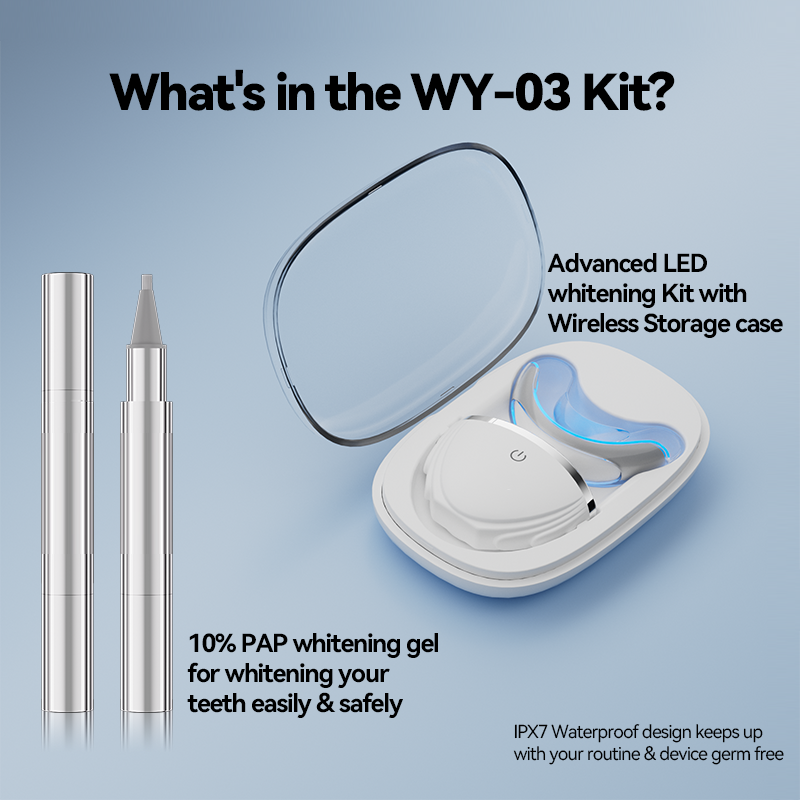
Red and Blue Light Teeth Whitening Device Aging Test Standard: 500 Hours of Continuous Working Reliability Verification
How to Use Electric Toothbrush First Time Guide Hindi
Looking for a Toothbrush Maker that Produces Toothbrush for Braces?
Soft Bristle Toothbrush Bulk Order Solutions for Importers
Retiree Toothbrush Florida vs. Florida Whitening Brush — Which One Should You Make?
Smart Sonic Toothbrush Private Label: Complete OEM Services for Your Brand
.jpg)
EU USB-C Regulation: How It Affects Electric Toothbrush Production
Camping Electric Brush Too Bulky? Folding Toothbrush Design Saves 50% Space!
Can Sonic Vibration Motor Technology Synergize With Pressure Sensor Technology for Smarter Oral Care?


.jpg)
.jpg)
.jpg)
.jpg)
.jpg)