
Info Center
Home » powsmart Electric Toothbrush blog » Smoker Teeth Whitening Guide: Tackle Stubborn Tobacco Stains

Smoker Teeth Whitening Guide: Tackle Stubborn Tobacco Stains

Date:2026-03-24
Tobacco stains are stubborn, and this smoker teeth whitening guide reviews the most effective whitening options to tackle tobacco discoloration and restore a bright smile. Smoking exposes teeth to tar and nicotine, which cause deep, yellow-brown stains that are hard to lift with surface cleaning—so targeted whitening methods are needed to remove these stubborn marks. For smoker teeth-friendly whitening products, visit https://www.powsmart.com/.

Why Tobacco Stains Are So Stubborn

First, understand the nature of tobacco stains:
  • Tar and nicotine: These compounds penetrate deep into the enamel, creating dark, long-lasting stains.
  • Surface and deep stains: Tobacco causes both surface discoloration and deep staining in the dentin layer.
  • Long-term exposure: Years of smoking lead to more severe, embedded stains that are harder to remove.
  • Dry mouth: Smoking reduces saliva flow, making teeth more prone to staining and bacteria growth.

Effective Whitening Options for Smoker Teeth

Furthermore, these methods deliver the best results for tobacco stains:
  1. Professional in-office whitening: Dentists use high-concentration peroxide gel (35–40%) to lift deep tobacco stains, delivering 3–5 shades lighter in 1–2 sessions.
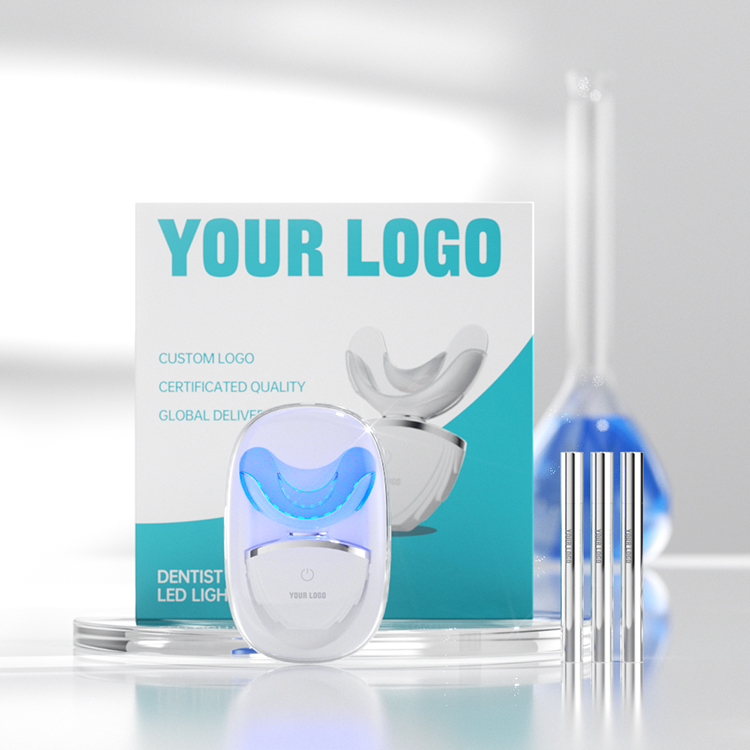
  2. Custom tray whitening: Custom-fitted trays and high-concentration gel (10–16%) lighten deep stains over 4–6 weeks, ideal for at-home use.
  3. Whitening toothpaste for smokers: Mild abrasive formulas lift surface tobacco stains, but won’t remove deep discoloration.
  4. Dental veneers: For severe, embedded stains, veneers cover the front of the teeth to create a bright, uniform smile.

Safety Tips for Smoker Teeth Whitening

In addition, follow these rules to avoid damage:
  • Quit smoking first: Continuing to smoke will re-stain your teeth quickly, undoing whitening results.
  • Avoid abrasive products: Charcoal or baking soda whitening products can scratch enamel, making teeth more prone to staining.
  • Use desensitizing toothpaste: Whitening can cause sensitivity, especially in smoker teeth with thin enamel.
  • Consult your dentist: Get a professional cleaning first to remove tartar, then discuss the best whitening option for your stains.

Long-Term Brightness Maintenance

In addition, these steps keep your smile bright after whitening:
  • Quit smoking to prevent new tobacco stains from forming.
  • Avoid staining foods and drinks (coffee, tea, wine) to maintain your results.
  • Brush twice a day with a fluoride toothpaste to strengthen enamel.
  • Floss daily to remove plaque and prevent new stains.
  • Visit your dentist every 6 months for professional cleanings and touch-up whitening.
In conclusion, this smoker teeth whitening guide shows how targeted whitening methods can remove stubborn tobacco stains. Prioritize professional or custom tray whitening, quit smoking, and maintain good oral hygiene to restore a bright, healthy smile. For more smoker oral care tips, visit https://www.webmd.com/oral-health/smoking-and-oral-health.