
| Feature | Rotating Heads | Oscillating Heads | Sonic Heads |
|---|---|---|---|
| Motion Type | Full 360° rotation | Back-and-forth arc | High-frequency vibration |
| Strokes Per Minute | 3,000–7,500 | 8,000–15,000 | 20,000–40,000 |
| Plaque Removal Focus | Surface plaque | Interdental plaque | Deep/interdental plaque |
| Gum Sensitivity | Moderate | Gentle | Very gentle |
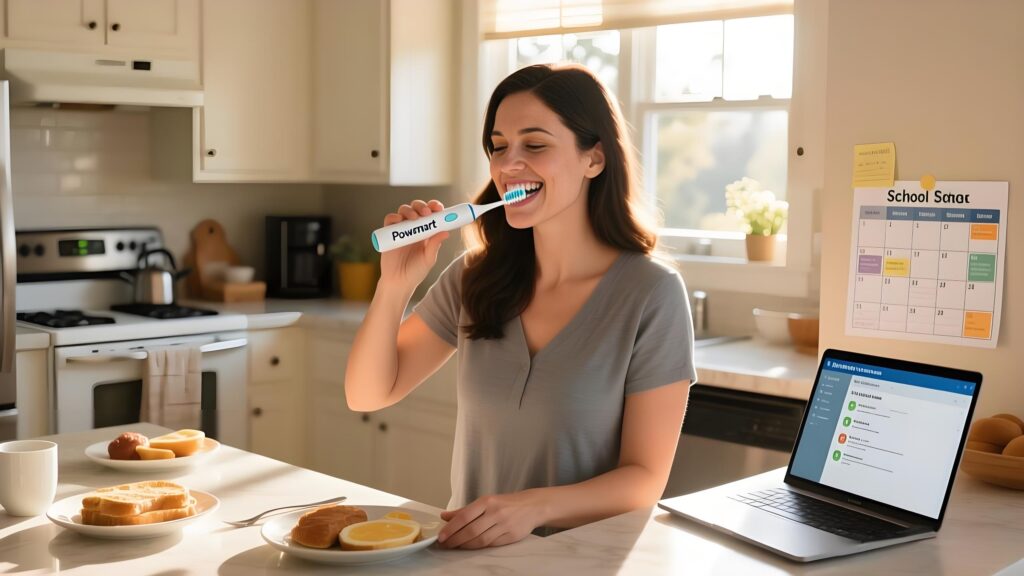
Does Toothbrush Mold Customization Accelerate Your Toothbrush Prototype Development Process?
.jpg)
Silent Electric Toothbrush for Hotels | Luxury Amenity Supplier
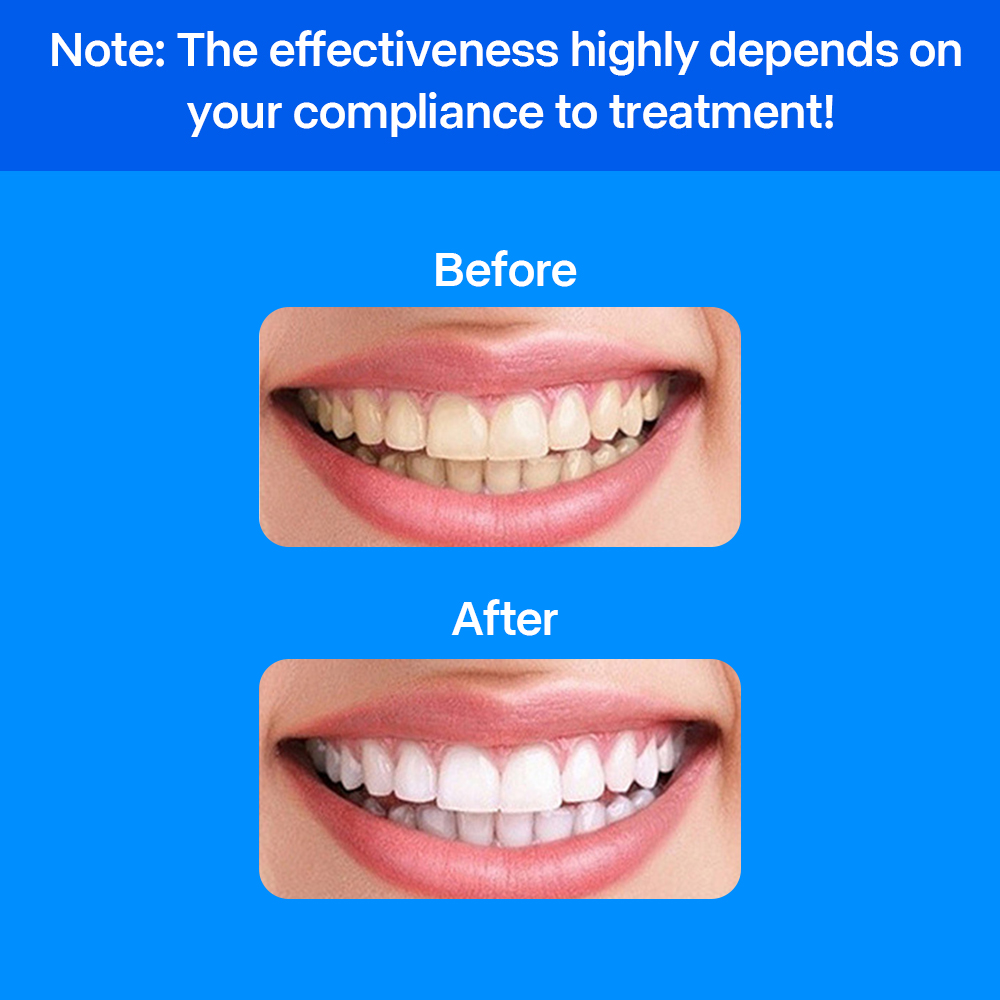
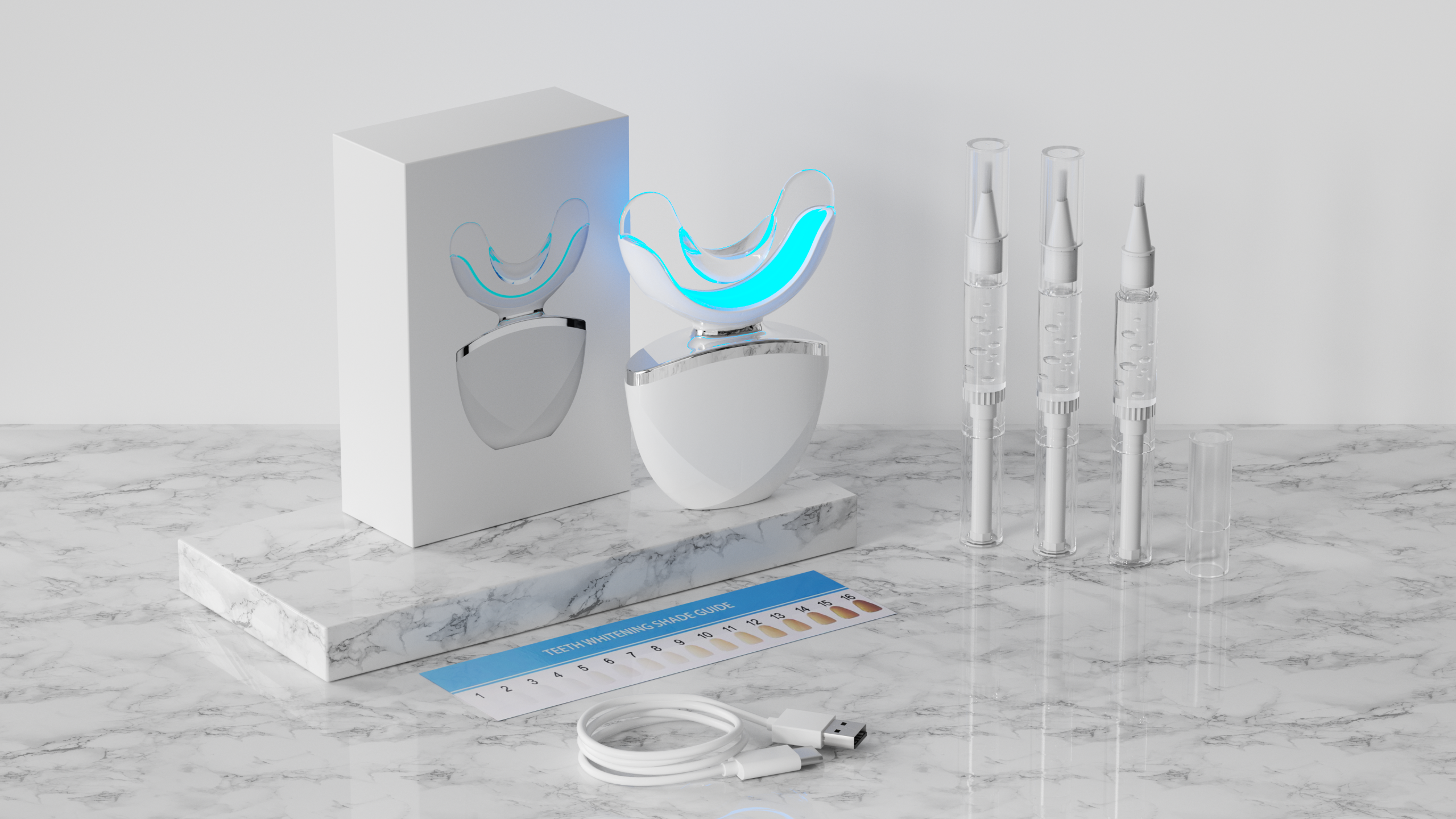
Different Ways to Whiten Teeth
Why Choose a Toothbrush Sourcing Agent for Toothbrush with Pressure Sensor?
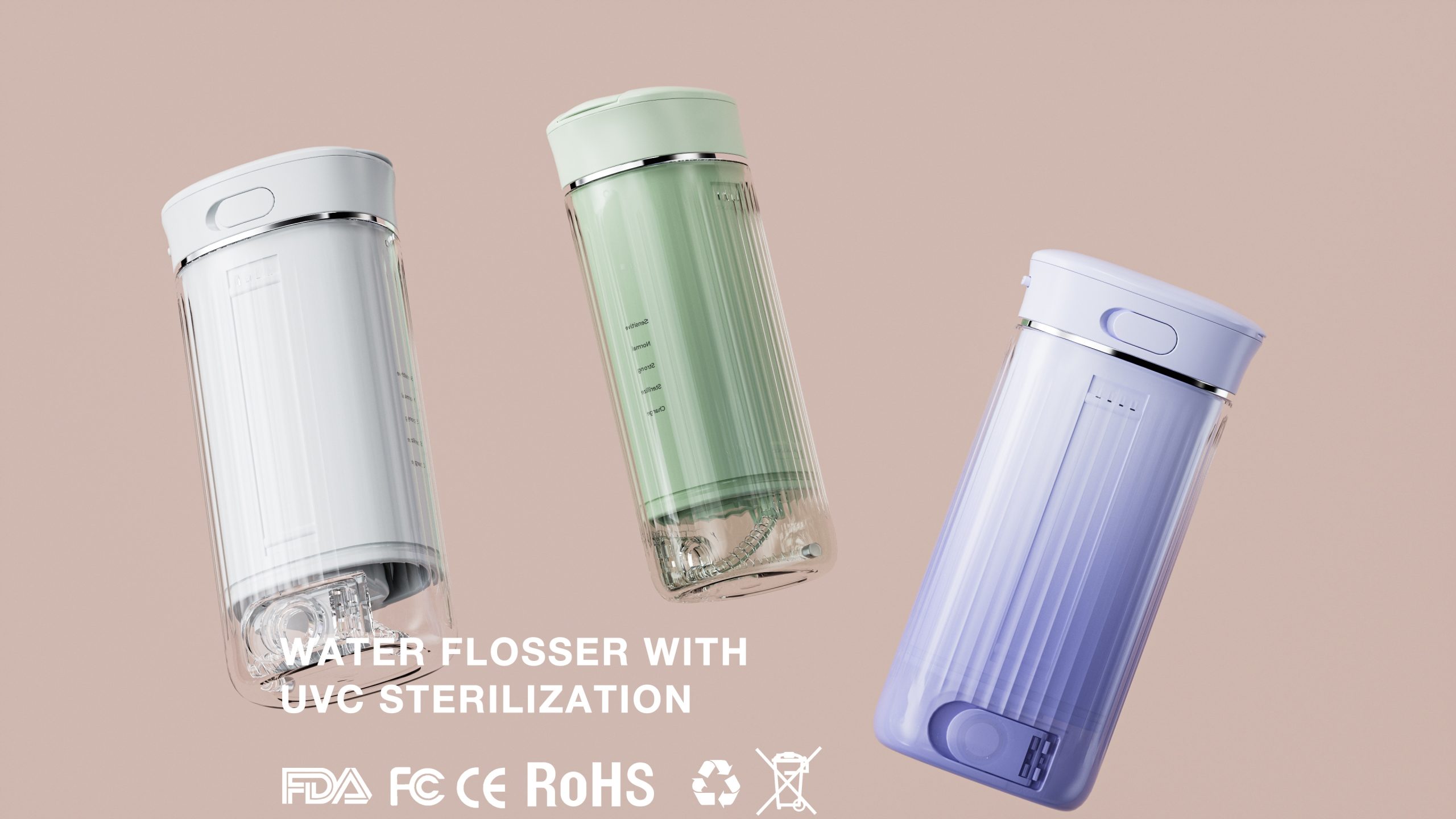
How to Identify Electric Toothbrushes Factory Out of Traders
What is the #1 dentist recommended electric toothbrush?
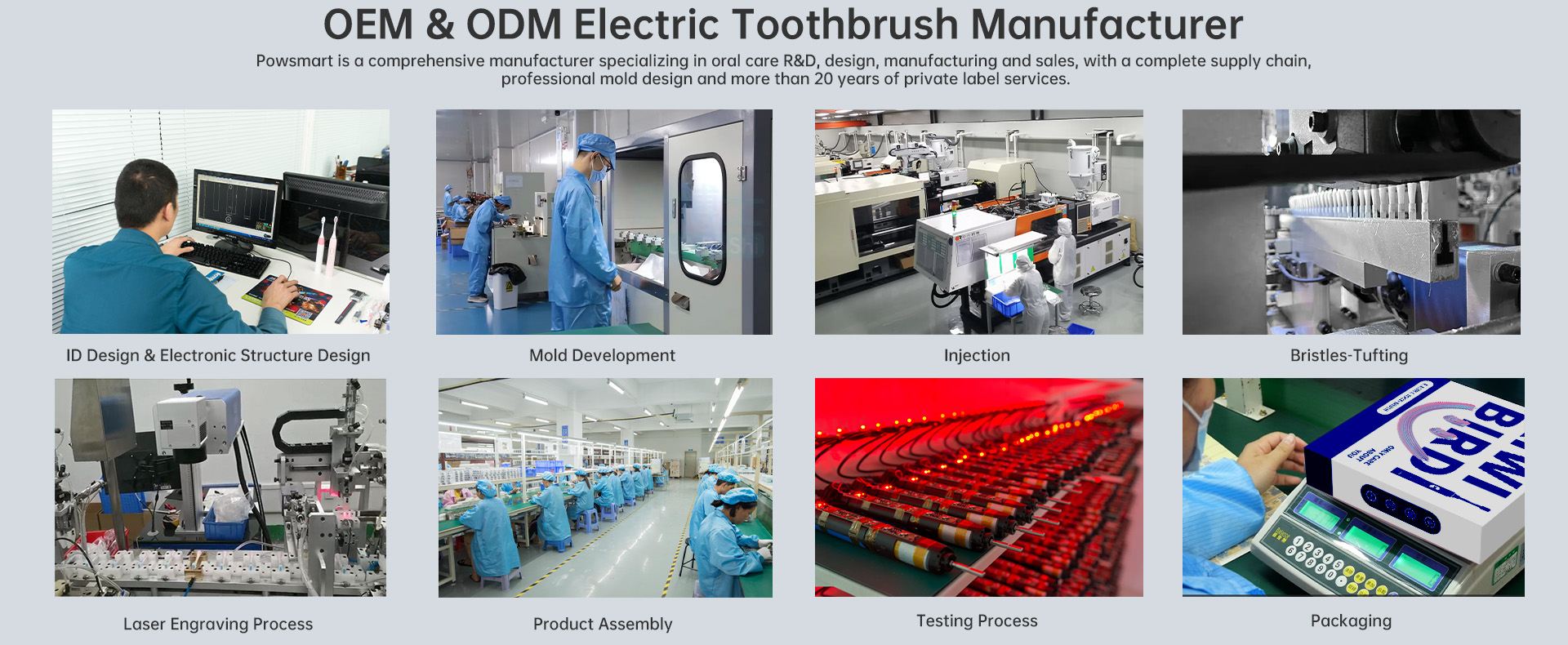
Motor Lifespan Matters! Importance of Premium Electric Toothbrush Durability
Electric vs. Manual Toothbrushes: Which Is Better?
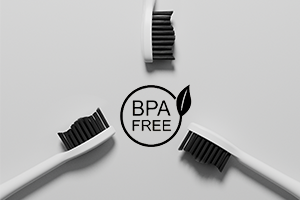
Why Is a Dental Recommended Brush with BPA-Free Brush Heads Safer?
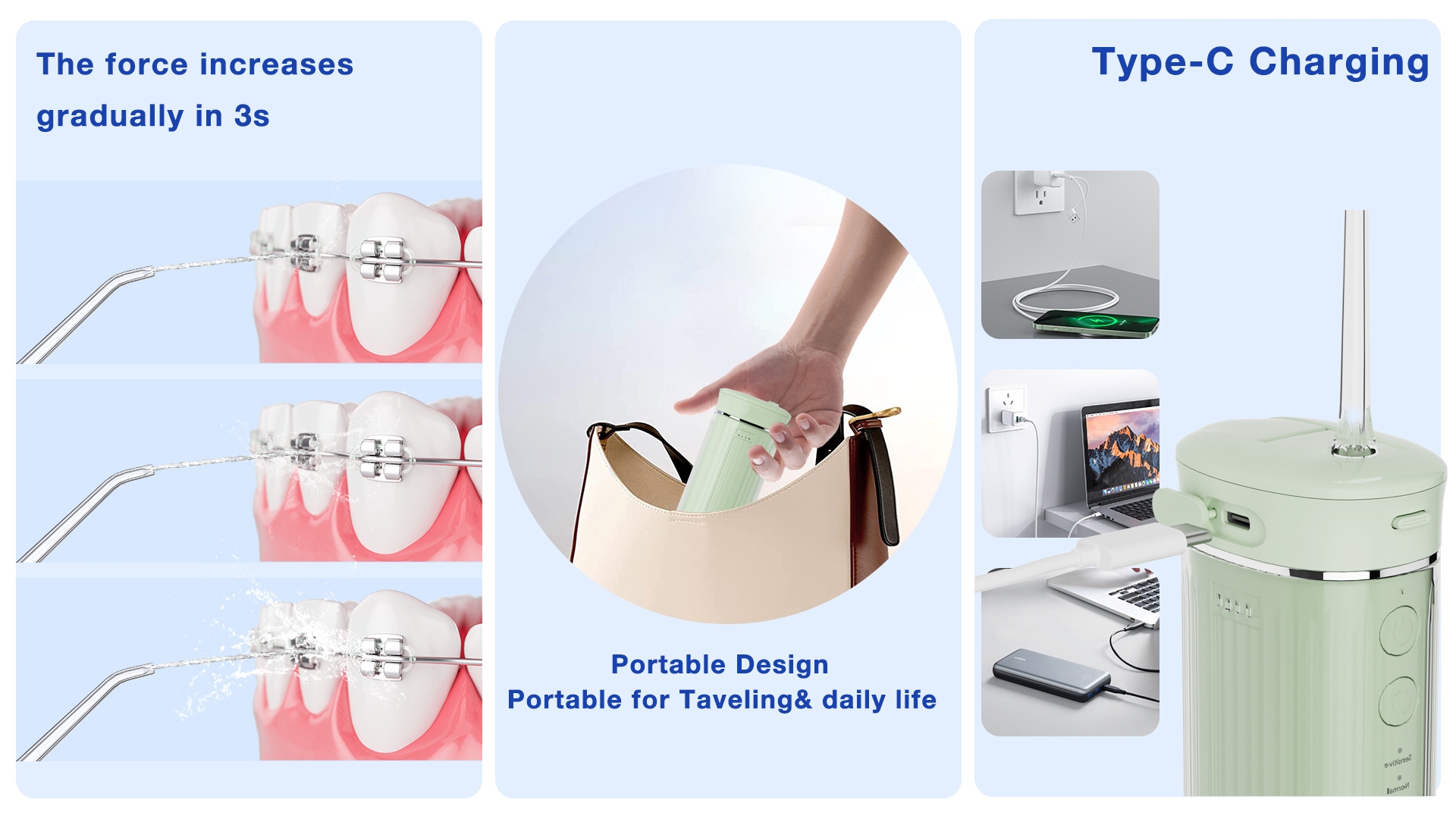
Interesting Teeth And Dental Facts That Will Surprise You
Sonic Toothbrush Bulk Order Guide
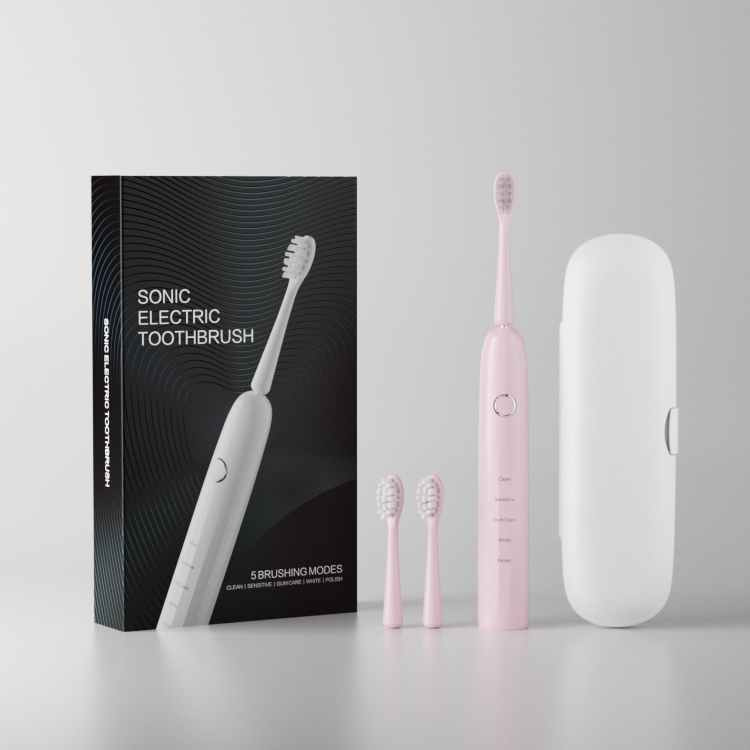
Can a Plume Evacuation System Optimize the Peroxide Decomposition Rate for Safer Whitening?
Sustainable Electric Toothbrush Wholesale
How do Electric Toothbrush Export Companies Support Electric Toothbrush Business Distributors?
Dentist Approved Electric Toothbrush Colaba Mumbai
.jpg)
40,000 VPM Smart Sonic Toothbrush OEM: High-Frequency Cleaning Technology


.jpg)
.jpg)
.jpg)
.jpg)
.jpg)






.jpg)
.jpg)