
Launching or scaling an electric toothbrush brand often begins with a critical question: Should you prioritize quality or price in manufacturing? Striking the right balance is essential for creating a product that meets consumer expectations while keeping your margins healthy. In this OEM-focused guide, we’ll explore the quality vs price toothbrush debate, break down manufacturing cost analysis, and outline OEM strategies for different market segments.
When choosing a manufacturing partner, brand owners often face a tradeoff. Higher-quality materials and precision engineering can lead to superior product performance, but also increase unit costs. On the other hand, cost-driven production may win on price, but risks customer dissatisfaction and higher returns.
A thoughtful Electric Toothbrush Manufacturing analysis should weigh both ends of this spectrum. For example:
Premium segment brands may benefit from investing in sonic vibration technology, longer battery life, and ergonomic design.
Mass-market brands may prioritize competitive pricing while maintaining safe and reliable performance standards.
A proper manufacturing cost analysis gives brand owners clarity on where their money goes. Major cost drivers include:
Motor technology (sonic vs oscillating)
Battery type (Li-ion vs NiMH)
Brush head materials (Dupont bristles vs generic alternatives)
Waterproofing and sealing methods
Tooling and injection molding complexity
By understanding these factors, brand owners can collaborate with OEMs to balance performance with affordability.
Value engineering is not about cutting corners; it’s about optimizing design for cost-effectiveness without sacrificing user experience. Examples include:
Standardizing brush head attachments across models to reduce tooling costs.
Using modular PCB designs to support multiple product tiers.
Sourcing high-quality bristles while keeping casing materials cost-efficient.
This approach helps brands improve profit margins while still offering a competitive product.
A detailed Electric Toothbrush Manufacturing analysis should go beyond the product itself. Brands should assess a manufacturer’s:
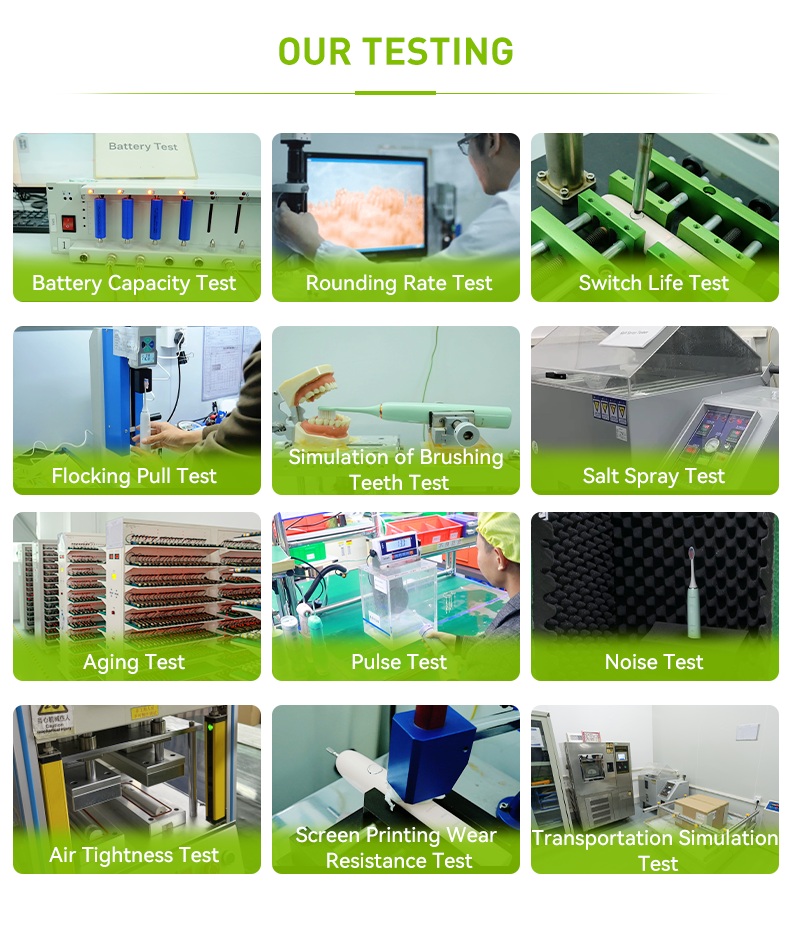
Quality control systems (ISO certifications, testing labs)
Supply chain reliability (battery and motor suppliers)
After-sales support (spare parts, service policies)
Working with OEMs who have proven systems in place ensures consistency and helps brands avoid costly recalls or reputational damage.
No two markets are alike, which is why tailored OEM strategies for different market segments are key:
Premium segment: Emphasize cutting-edge features, brand storytelling, and top-tier components.
Mid-range segment: Balance affordability with performance; introduce features like multiple brushing modes or wireless charging.
Entry-level segment: Focus on safe, durable basics at the lowest possible cost without compromising compliance.
By aligning OEM strategy with target consumers, brand owners can capture market share more effectively.
When selecting a factory, consider more than just price quotes. Look for:
Transparent cost breakdowns (for easier manufacturing cost analysis)
Flexibility in value engineering initiatives
Experience with global compliance (FDA, CE, RoHS)
Ability to scale production across different market tiers
The right OEM is not the cheapest or the most expensive—it’s the one aligned with your brand vision.
The quality vs price toothbrush debate is not about choosing one over the other; it’s about achieving balance. With careful manufacturing cost analysis, smart value engineering, and thoughtful OEM strategies for different market segments, brand owners can create electric toothbrushes that delight customers and succeed in competitive markets.
Oral Care is Personal Care: An Untapped OEM Opportunity for Your Brand
.jpg)
Is Adaptor Compatibility Limited by Grip Ergonomics Flaws?
Is the cowboy style brush the ultimate symbol of Texas pride brush?
Does Your Rechargeable Battery Solution Support the Power Needs of an LED Display Module?
Is Device EMC Testing Mandatory for a Spa Whitening Device Used Commercially?
-2-scaled.png)
Clinical Validation of Modern Teeth Whitening Technologies: A Guide for Oral Care Product Brands
.jpg)
What’s the Gentlest Brush for Gums?
USB-C Rechargeable Brush Dying on Trips? Portable Toothbrush Case Saves Your Smile!
Water Flosser Travel Battery Care: Maximize Battery Life on the Road
Wireless Charging Teeth Whitening Kit OEM | Cordless LED Whitening Factory
Teenage Teeth Whitening Safety Guide: Safe Options for Young Smiles
Sensitive Teeth Whitening Tool | Gentle LED Whitening for Delicate Gums
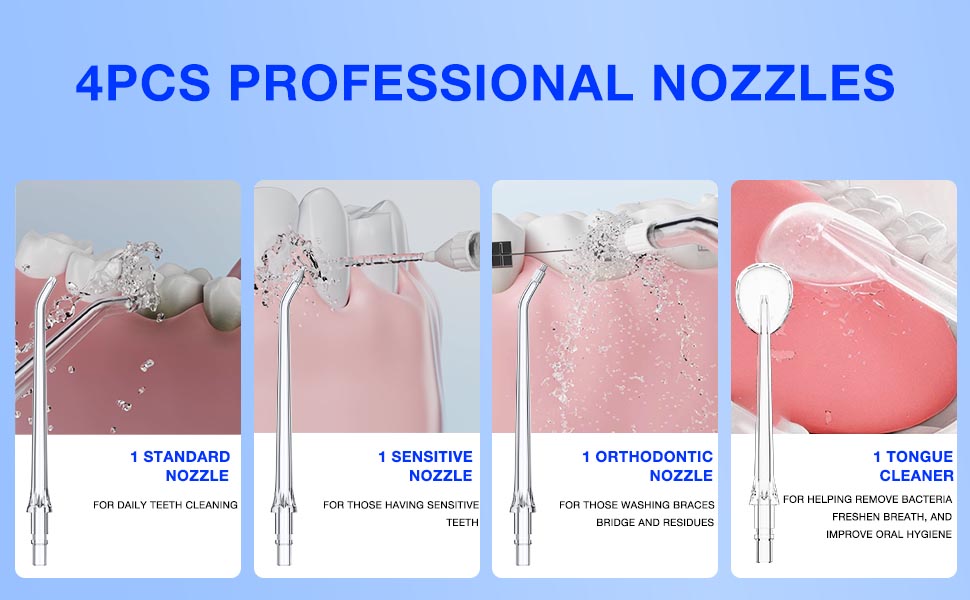
Different types of water flosser nozzles and how to choose the right nozzle?
Best Electric Toothbrush for Coffee Drinkers Seattle
Are Erratic Brushing Mode confusion and Timers Failing Simultaneously?

What Did the Dentist Say About Natural Ingredient Tooth-Whitening Products?


.jpg)
.jpg)
.jpg)
.jpg)
.jpg)





.jpg)

.jpg)