When mechanical faults in oral care devices intersect with biological tissue damage, the implications become serious. One such example is the combination of pump seizure and gingival abrasion. A malfunctioning fluid delivery system—especially when the pump motor locks or stalls—can not only interrupt device performance but may also result in aggressive water jets or sharp pulsation, leading to gum trauma. For OEM/ODM manufacturers in the oral device sector, identifying whether this pairing is rare or recurring—and how critical it really is—is vital for both product safety and brand integrity.
Pump seizure refers to the sudden halt or locking of the fluid pump mechanism, typically caused by internal mechanical wear, clogging, or overheating. In water flossers or irrigators, this can lead to:
Over time, repeated seizure events reduce device lifespan and compromise end-user experience.
One direct but often overlooked consequence of pump malfunction is gingival abrasion—the mechanical scraping or irritation of gum tissue. When a seized pump resumes operation unpredictably or delivers water at incorrect pressure, it may:
Such issues can cause discomfort, micro-tears in gum tissue, and even bleeding with sensitive users.
Several product-level and usage-level factors make the link between pump seizure and gingival abrasion more likely:
The convergence of these factors magnifies the risk of critical injury or long-term tissue damage.
OEM developers should carefully audit materials and mechanical tolerances that contribute to seizure:
Similarly, nozzle materials and surface finishes should be evaluated to ensure that, even during pressure faults, they minimize abrasive contact.
To reduce the chances of pump seizure causing gingival abrasion, product developers can adopt the following measures:
These steps not only enhance safety but also extend the product’s usable lifespan.
From a B2B perspective, this issue touches on liability, brand trust, and regulatory compliance. Even a single report of user injury tied to gingival abrasion can damage brand credibility if traced to pump seizure that was preventable. For ODM and OEM buyers, it is therefore critical to:
Proactive quality control is no longer optional—it’s a key differentiator.
The convergence of pump seizure and gingival abrasion is more than a hypothetical risk—it’s a critical failure mode with real-world consequences. For oral care device manufacturers, addressing this vulnerability with smart design and resilient materials is not just about reliability—it’s about ensuring user health and safeguarding brand equity. The fix is possible, but only with focused engineering and responsible QA protocols. Contact Kiwibird
-300x300.jpg)
-300x300.jpg)
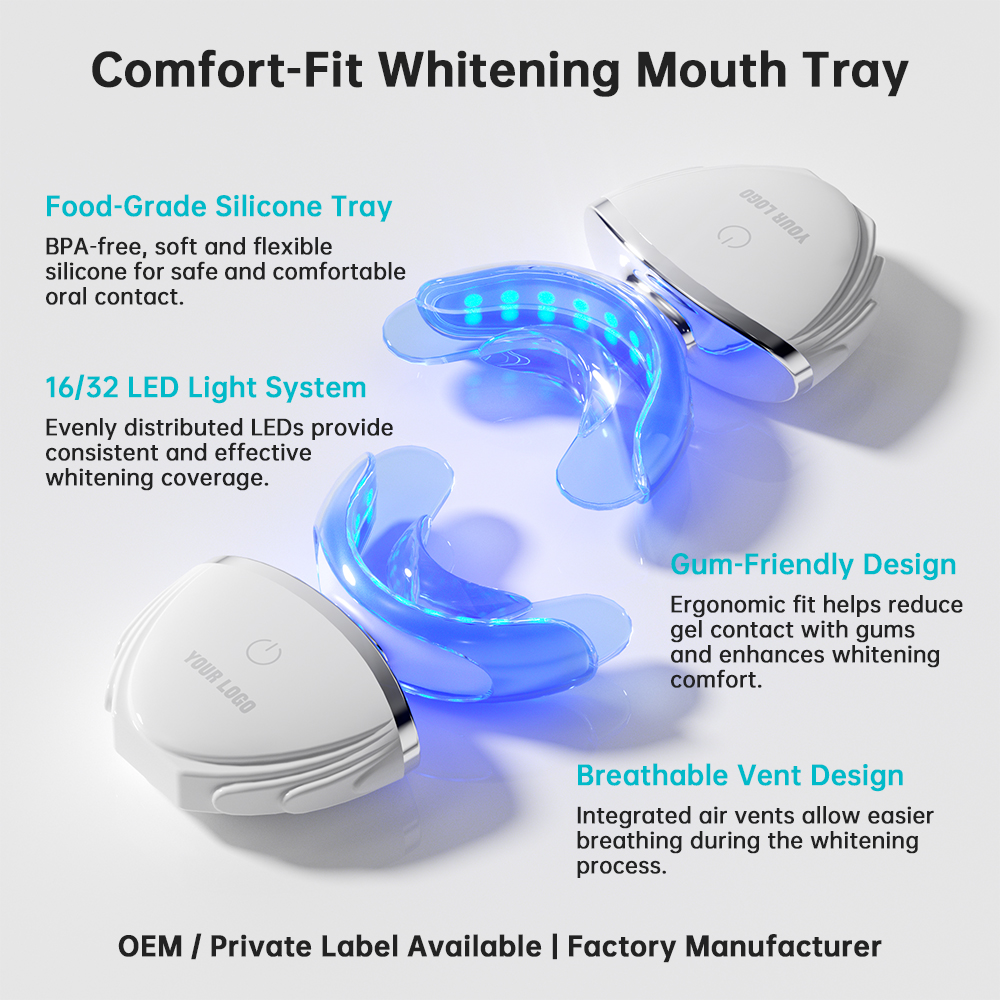
Can Custom Tray Design services coexist with Whitening Pen OEM production in a portfolio?
.jpg)
Light Decay Causing Gingival Discoloration?
Dental Clinic Toothbrush Bulk Supply | Reliable Oral Care Distributor
How Does Supply Chain Logistics Affect the Integration of a Battery Management System?
.jpg)
Did you know a magnetic-levitation sonic motor can deliver 31,000 powerful cleaning strokes per minute?
Does Warranty Cover Motor Overheating in Electric Toothbrushes?
5 Signs You Need to Replace Your Electric Toothbrush: Insights from an OEM Factory
Why is an LED Whitening Lamp Critical for Activating an Accelerated Whitening Solution?
.jpg)
Powsmart Electric toothbrush Factory Birmingham Alabama
How a specialized Orthodontic Brush Head better cleans around braces and brackets
Sonic Toothbrush Factory for Brands
How Does a GMP Certified Toothbrush Factory Leverage Toothbrush Packaging Customization for Brand Appeal?
pH Imbalance Plus Taste Distortion – Toxic?
Best Toothbrush for Doctors | Clinical Oral Care
How does Pulse Water Technology benefit from the programmability of a Multi-pressure Chip?
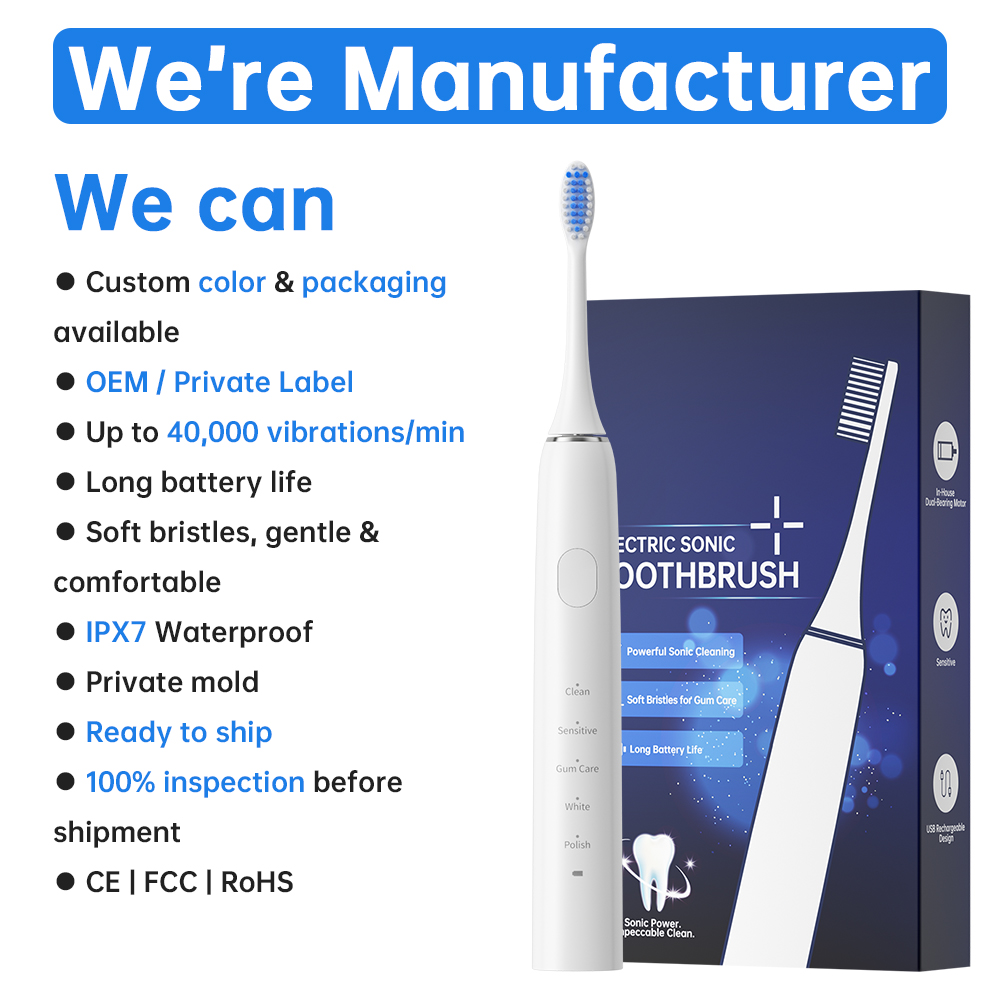
Why is Quality Certification Support integral to a successful Contract Manufacturing agreement?


.jpg)
.jpg)
.jpg)
.jpg)
.jpg)



.jpg)