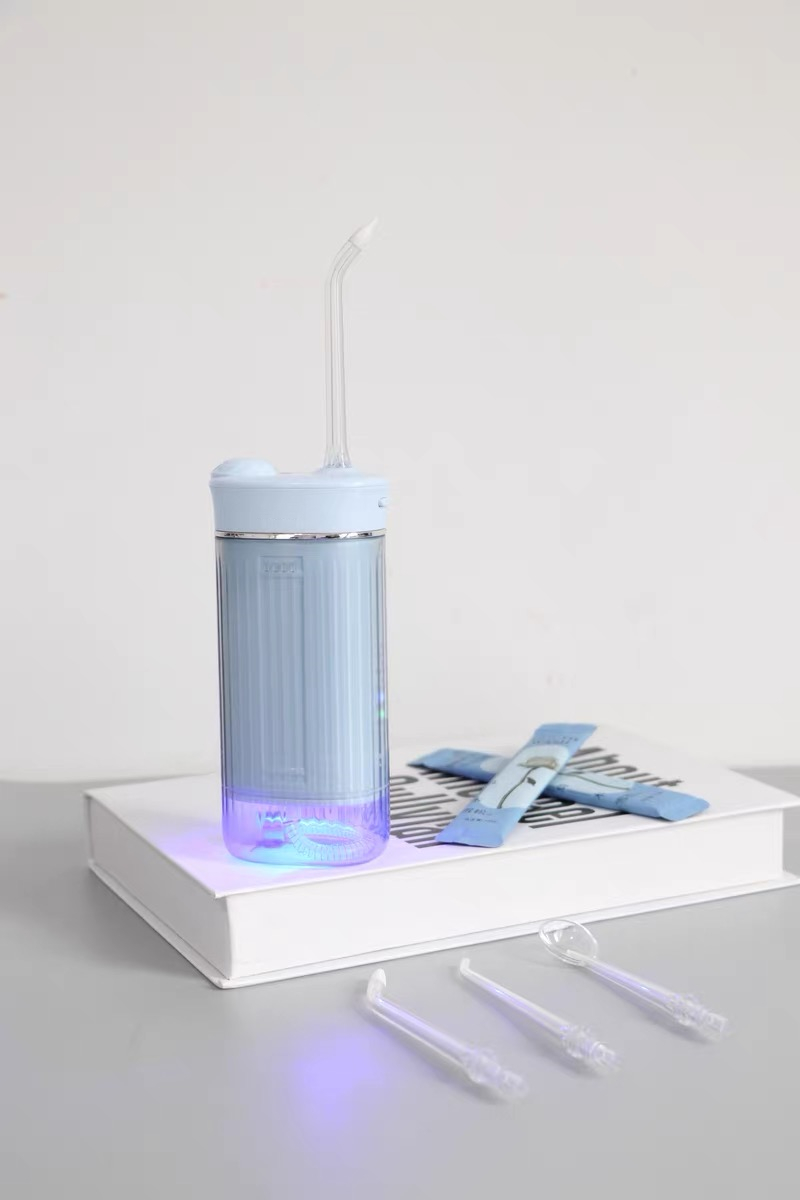
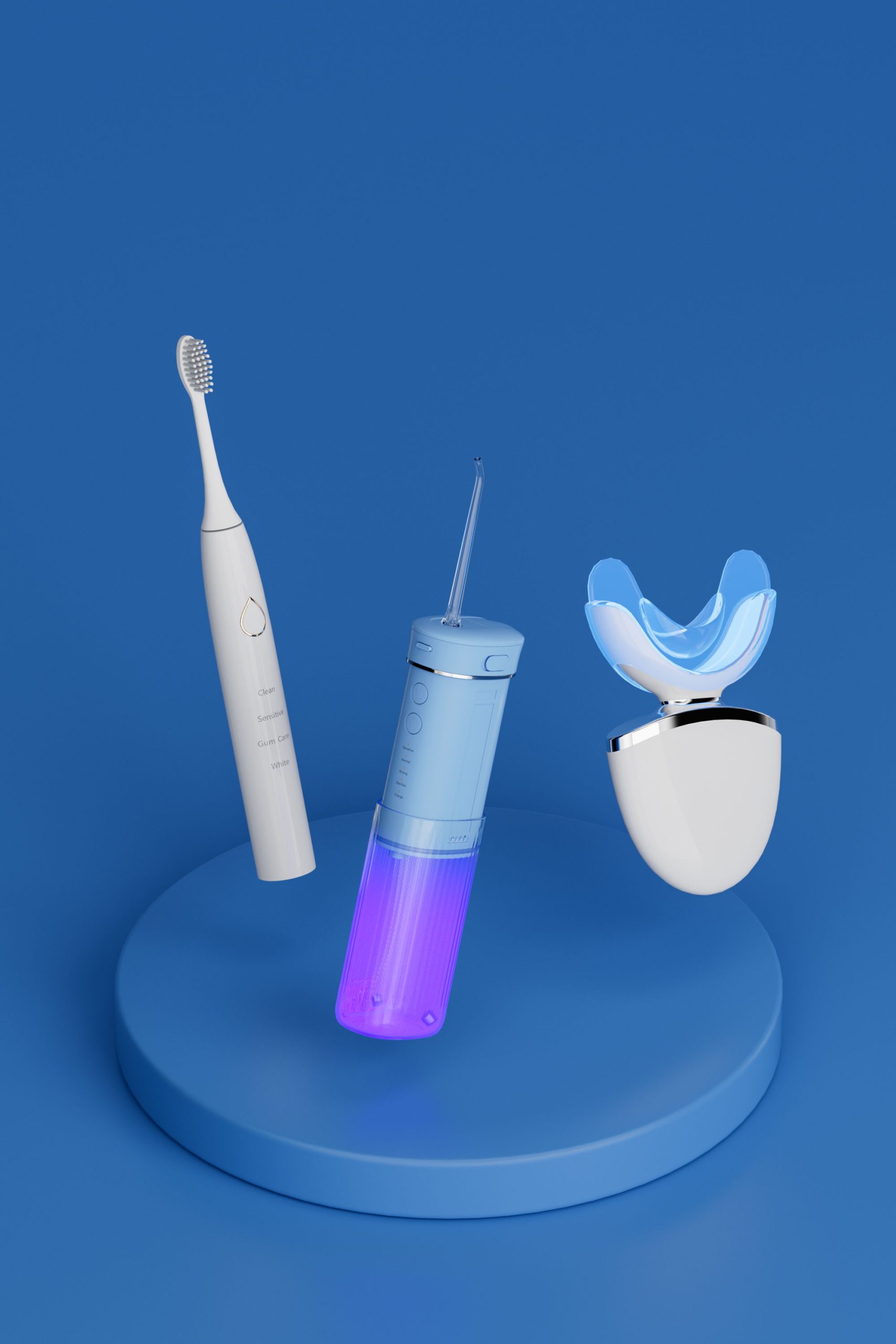
Bringing a Custom Handle Design to market often requires balancing creativity, engineering feasibility, and production efficiency. Many brands wonder whether such customization can be executed smoothly within a Contract Manufacturing framework. The answer lies in selecting the right manufacturing partner—one with integrated R&D, tooling expertise, and scalable production capabilities to transform unique design concepts into commercially viable products.
A successful Custom Handle Design begins with collaborative development. Under a professional Contract Manufacturing agreement, engineering teams evaluate ergonomics, structural strength, waterproof requirements, and internal component layout at the design stage. This early feasibility assessment reduces redesign risks and shortens time-to-market.
Efficient realization depends heavily on tooling capability. Experienced Contract Manufacturing partners offer in-house mold development services, allowing rapid prototyping and structural validation. By optimizing mold flow analysis and material shrinkage compensation, manufacturers ensure that the Custom Handle Design can move quickly from concept to mass production without compromising precision.
Material choice directly affects durability, comfort, and compliance. Within a Contract Manufacturing structure, suppliers can recommend suitable ABS, PC, TPE overmolding, or medical-grade materials depending on product positioning. Proper material engineering guarantees that the Custom Handle Design meets both functional and regulatory requirements in global markets.
A handle is more than just an outer shell—it houses motors, PCBs, batteries, and sealing structures. Efficient Contract Manufacturing ensures seamless integration between industrial design and internal engineering architecture. This alignment prevents assembly complications and enhances product reliability, especially for waterproof or high-performance devices.
One of the advantages of Contract Manufacturing is production scalability. Once the Custom Handle Design is finalized, manufacturers can optimize production lines, automate assembly steps, and implement bulk material sourcing strategies. This structured approach maintains competitive pricing while preserving customization flexibility.
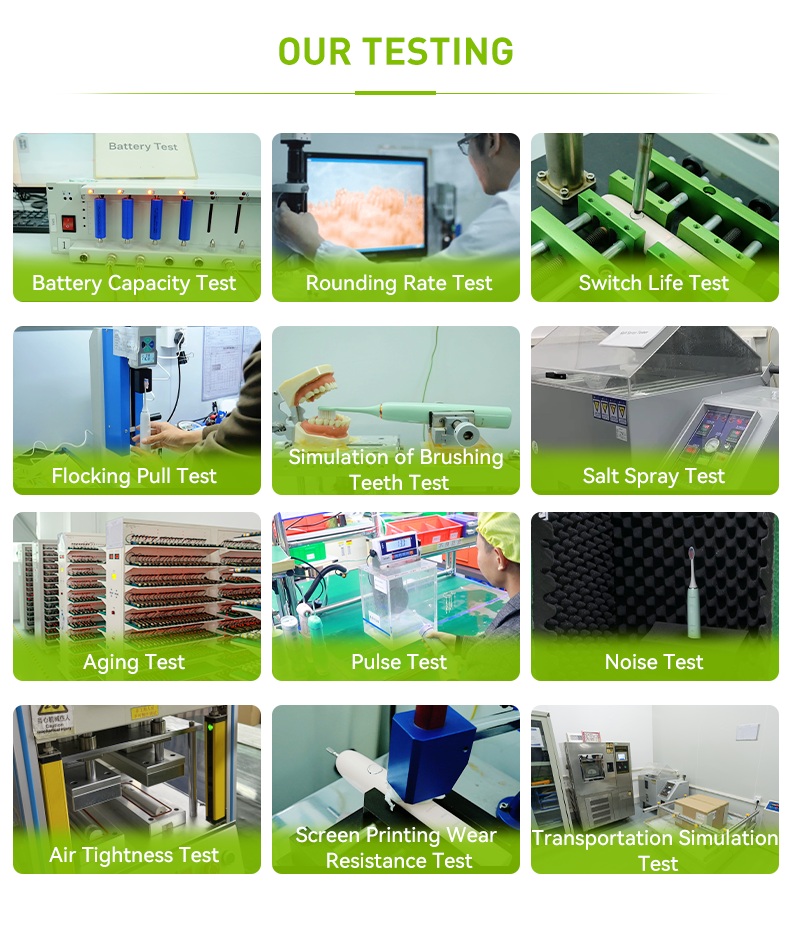
Customized designs must still meet international standards. Reliable Contract Manufacturing partners implement strict quality control protocols, including dimensional inspections, drop tests, waterproof testing, and certification documentation support. This ensures that the Custom Handle Design not only looks distinctive but also passes regulatory compliance in target markets.
Yes, a Custom Handle Design can be efficiently realized under a well-structured Contract Manufacturing agreement—provided the manufacturing partner offers integrated design support, tooling expertise, material optimization, and scalable production management. Contact us
1-1024x683.jpg)
.jpg)
High Frequency Sonic Toothbrush OEM: Manufacturing, Technology and Global Market Solutions
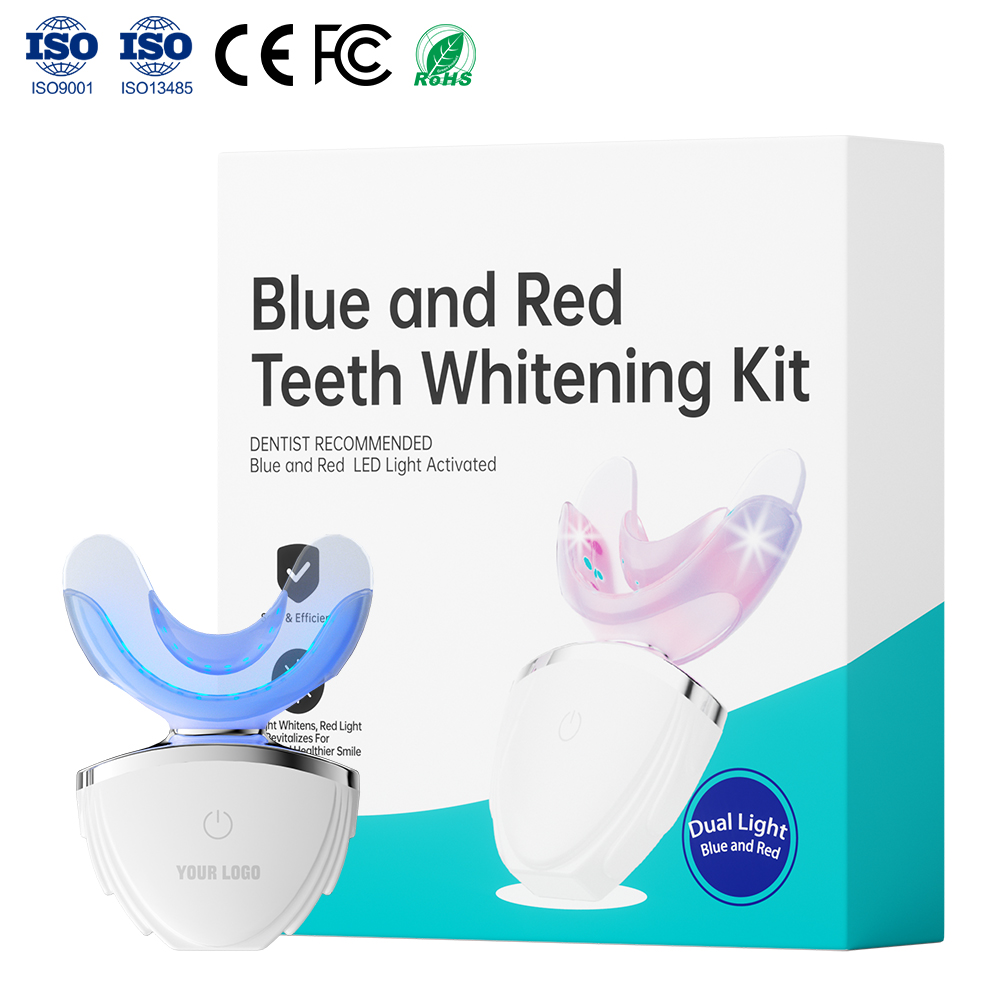
Is Your Whitening Syringe Supplier Qualified for Home Use Whitening System Kits?
Dry Socket Prevention Water Flosser | Safe Post-Extraction Care
Electric Toothbrush Vibration Stability Design: OEM Engineering Guide
Electric Toothbrush Waterproof vs Non Waterproof: OEM Design and Market Selection Guide
Electric Toothbrush Product Differentiation OEM
Morning Gum Pain Relief | Evening Water Flossing
Electric Toothbrush Noise Control Design
Does Dental Grade Whitening Necessitate the Use of Safe Whitening Ingredients?

Need an A/B Testing Framework Design Followed by a Conversion Rate Optimization Audit for Your Landing Pages?
Composite Fillings Whitening Guide | What Happens to Fillings During Whitening

electric toothbrush manufacturer Phoenix
Electric Toothbrush Packaging OEM Service
Electric Toothbrush Vibration Balance Technology
Small Order Electric Toothbrush Supplier
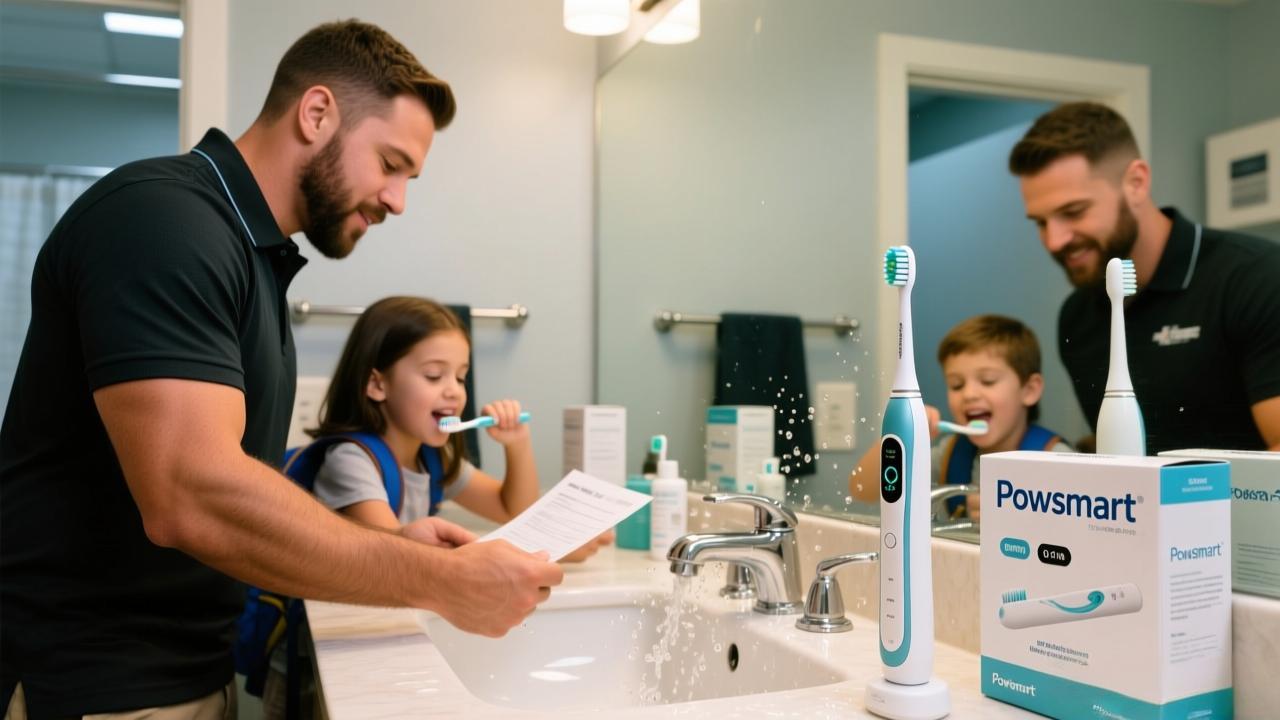
electric toothbrush supplier USA


.jpg)
.jpg)
.jpg)
.jpg)
.jpg)



-3-scaled-1.jpg)