In today’s competitive manufacturing environment, optimizing every component of your process is crucial. One factor that is often overlooked is the quality of contact points within your systems. For companies relying on Sonic Pulse Tech for high-precision operations, even a minor issue such as Poor contact can lead to significant performance setbacks. This article delves into six key areas to understand, diagnose, and address these challenges to ensure maximum efficiency and reliability.
Sonic Pulse Tech has revolutionized the way industries monitor and manage material integrity and system dynamics. By using ultrasonic energy to assess components, this technology enhances process control and product quality. However, its effectiveness depends largely on proper signal transmission. A disruption—often caused by Poor contact between sensor interfaces or connection points—can compromise data accuracy and operational reliability.
Poor contact refers to the inadequate connection between components where energy, signals, or information is exchanged. In the context of Sonic Pulse Tech, this might occur due to:
Consequently, even small gaps or irregularities can lead to signal loss or misinterpretation, undermining the entire system’s performance.
When Poor contact issues persist, the benefits of Sonic Pulse Tech can be severely diminished. For example, inconsistent sensor readings might lead to:
Early detection is key to mitigating the risks associated with Poor contact. Manufacturers can employ various diagnostic techniques to monitor the integrity of their Sonic Pulse Tech systems:
By incorporating these practices, companies can proactively address contact issues and maintain high levels of efficiency.
Preventing Poor contact requires a multi-faceted approach that includes:
As technology continues to evolve, so too will the methods for ensuring robust contact integrity. Future innovations may include self-diagnosing sensors and smart materials that adapt to environmental changes, further reducing the risk of Poor contact. In addition, advancements in data analytics and machine learning will allow for even more precise monitoring and predictive maintenance strategies. Manufacturers who embrace these emerging technologies will be well-positioned to enhance their operational efficiency and maintain a competitive edge in a rapidly changing industrial landscape.
In conclusion, while Sonic Pulse Tech offers significant advantages in monitoring and process optimization, its true potential can only be realized when every component is in perfect alignment. Addressing Poor contact issues through diligent maintenance, effective diagnostics, and forward-thinking innovation is essential for maximizing efficiency and safeguarding long-term operational success.https://www.powsmart.com/about-powsmart/
.jpg)
The Hidden Risks of Over-Engineered Water Flossers: Consequences of Excessive Pulse Frequency
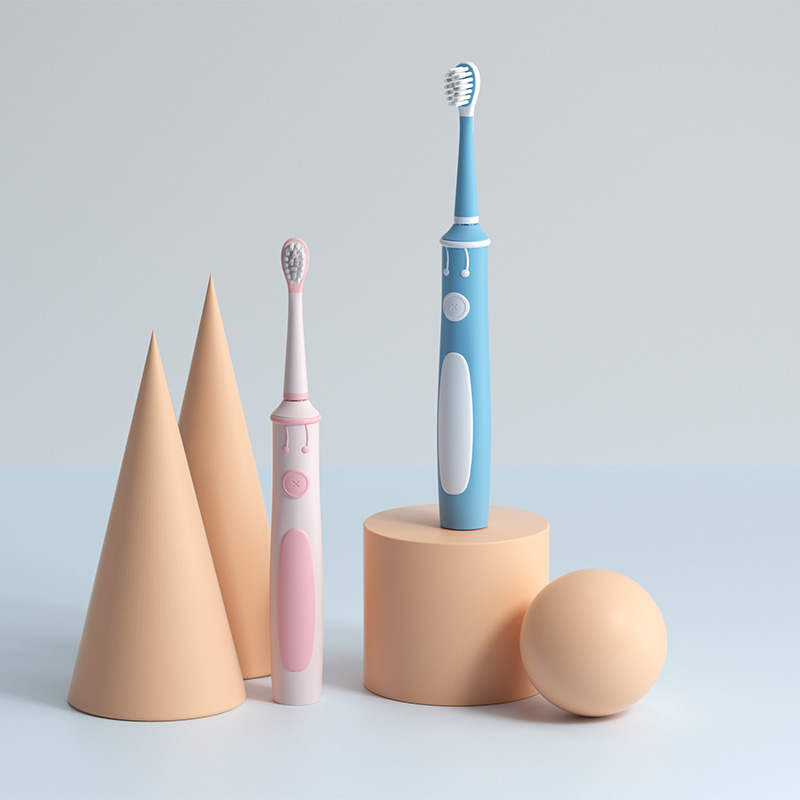
Sourcing Kids Electric Toothbrush Hyderabad: Regional OEM Manufacturing
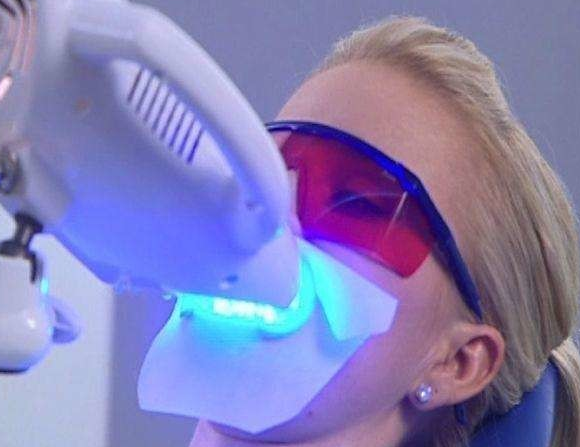
Forecast of the Teeth Whitening Device Industry in the Next 5 Years: Changes in Technology, Policies, and Consumption Scenarios

Why Pair a Sonic Vibration Core with Food-grade Bristle Material for Safe Oral Care?
.jpg)
Sonic Toothbrush with Wireless Charging & Overcharge Protection: Smart Safety for Effortless Oral Care
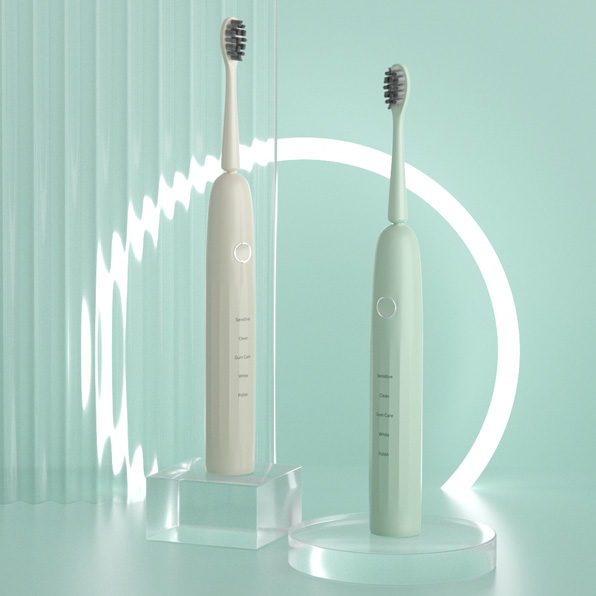
How Can Sweeping Oscillation Toothbrush Technology Benefit from a Reliable Magnetic Levitation Motor Supplier?

Can Sonic Wave Technology Benefit from a Motor Efficiency Upgrade?
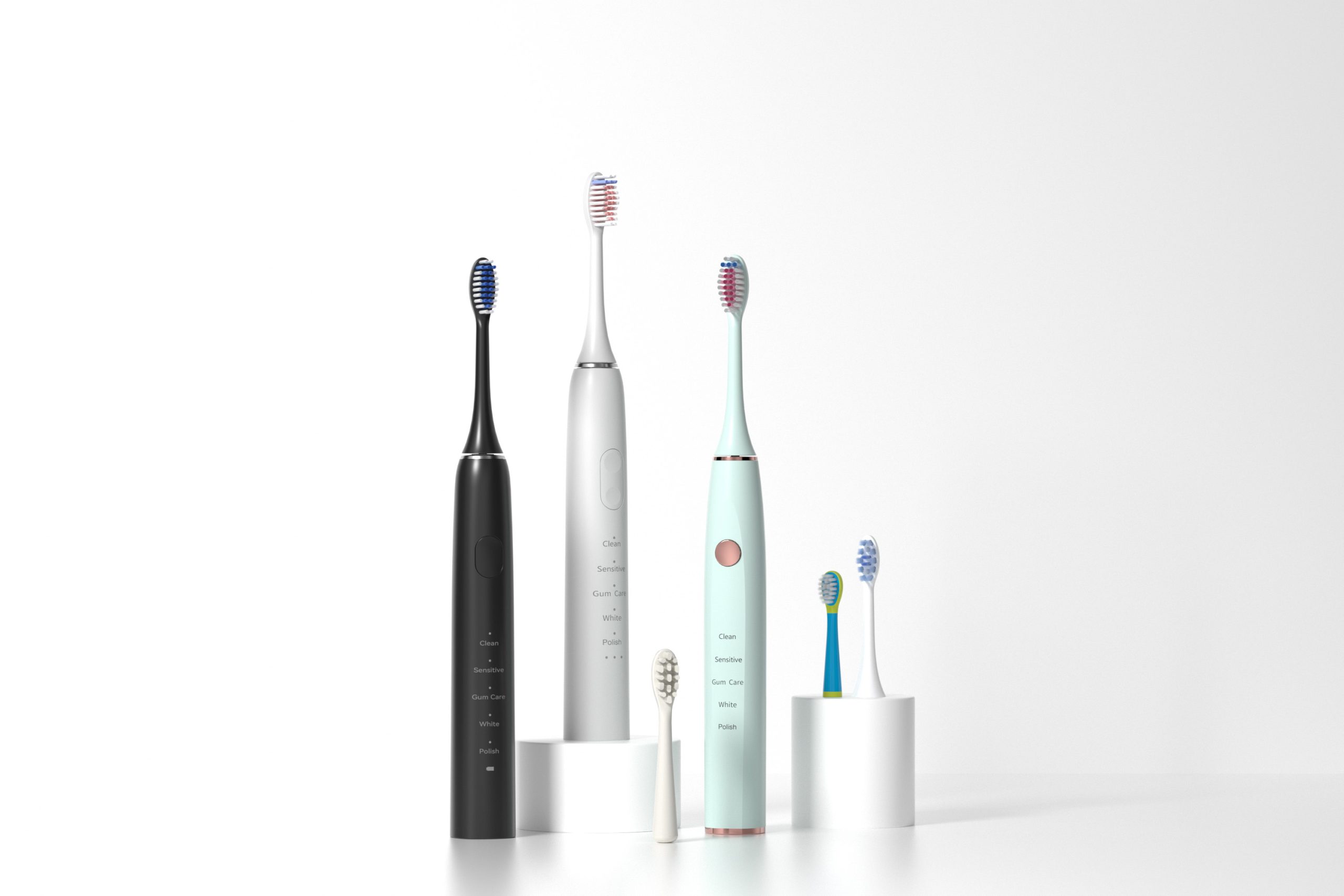
Does Gum Health Sonic Toothbrush Worsen Jaw Discomfort?
Interested in Oral Care Kit Bundling under a Private Label Service for Your Brand?
Best Toothbrush for Doctors | Clinical Oral Care

How Do Custom Vibration Modes Rely on a Versatile Multi-mode Chip Solution?
Waterproof & Fast Charging? Inside High-End electric Toothbrush Charging Stations
Custom Electric Toothbrush Manufacturer

Knowledge of Surface Treatment of Electric Toothbrush Handle Shell

Need Emergency Dentistry? How Kirkland dental clinics Handle Urgent Cases
.jpg)
Orthodontic Electric Toothbrush OEM: Specialized Care Solutions


.jpg)
.jpg)
.jpg)
.jpg)
.jpg)






-1-scaled.png)