In recent quality feedback from users of oral care or personal hygiene products, complaints regarding plastic odor have drawn increasing attention—particularly when accompanied by symptoms like throat irritation. This has prompted an urgent question among product manufacturers and regulatory bodies: are such odors merely unpleasant, or are they signs of toxic materials or substandard production practices? In this blog, we will systematically examine the root causes and risks behind plastic odors, and provide six key points for manufacturers to address these safety concerns effectively.
Plastic odor often stems from the presence of volatile organic compounds (VOCs) released during or after the molding process. These compounds can be residual monomers, plasticizers, or by-products of polymer degradation. In many cases, the odor becomes more prominent when products are unpackaged or exposed to warm environments. Although slight off-gassing is common in freshly manufactured goods, excessive or persistent smells suggest possible issues in raw material selection or processing temperature control.
For some users, the presence of a plastic odor leads to mild throat irritation, dry cough, or a burning sensation. While this may be a sensory reaction in sensitive individuals, it may also indicate the release of low-level irritants such as formaldehyde, benzene, or phthalates—especially when poor-quality or recycled plastic materials are used. Even if the chemical levels do not exceed toxicity thresholds, chronic low-dose exposure could trigger discomfort in end-users and raise health concerns.
One of the most effective ways to prevent plastic odor and minimize potential throat irritation is through strict raw material control. Manufacturers must prioritize:
Avoiding recycled or unverified suppliers is critical. In addition, third-party lab validation of material purity and off-gas testing under simulated usage conditions can help ensure user safety and regulatory compliance.
Manufacturing-related factors also significantly impact odor intensity. Improper mold venting, excessive melt temperatures, or prolonged dwell times can cause resin degradation, releasing foul-smelling gases. To minimize odor:
Even the best materials will emit odors if processed incorrectly, making engineering oversight a crucial part of product quality.
Beyond molding, post-processing steps like ultrasonic welding, assembly adhesives, and packaging materials can also contribute to odor release. Therefore, manufacturers should:
Such holistic control measures reduce the risk of throat irritation in sensitive users and improve overall product acceptance.
To address user concerns about potential toxicity, manufacturers should build transparent product safety protocols:
By proactively communicating safety measures, brands can rebuild user trust and strengthen their reputation in markets sensitive to health-related product attributes.
Although plastic odor and throat irritation are not always indicators of toxicity, they serve as warning signs of potential issues in material selection, processing, or quality control. For B2B manufacturers, ignoring these symptoms may lead to regulatory risks, consumer dissatisfaction, and reputational harm. On the other hand, adopting a strict, science-driven manufacturing strategy—based on safe materials, precise process control, and transparent communication—ensures that your products not only smell clean but are clean and safe in every aspect. Contact us
-1.jpg)
.jpg)
.jpg)
Small Batch Electric Toothbrush OEM for Flexible B2B Brands
Water Flosser for Beginners Guide
How Do Rapid Whitening Strips Leverage Advanced Whitening Essence Formulation for Fast Results?
Sonic Toothbrush Frequency Control OEM Manufacturing Solutions
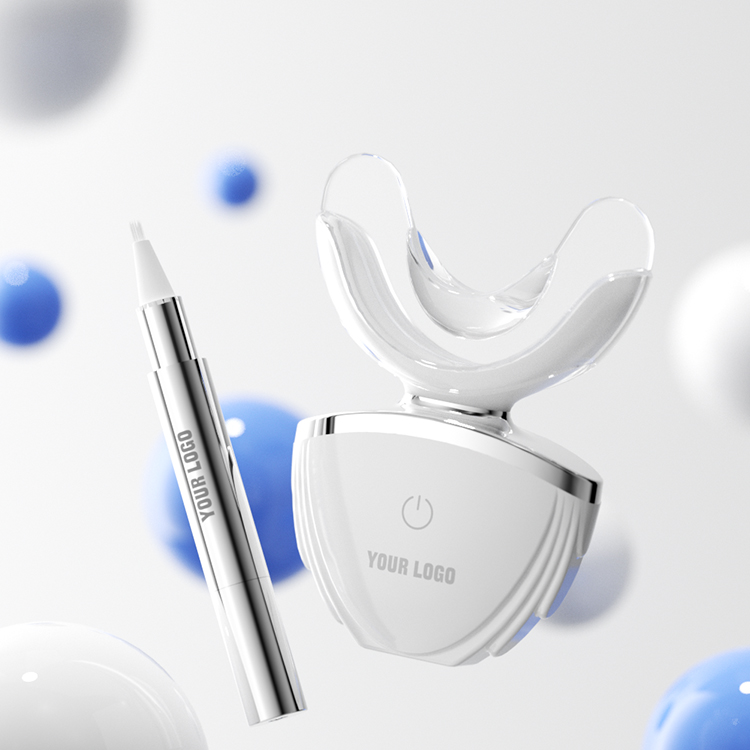
The Safe Way To Whiten Teeth: Dentist-Approved OEM Whitening Products
Can a Whitening Booster Solution Be Promoted Through an App-connected Toothbrush Developer?
travel electric toothbrush wholesale | Portable Sonic Toothbrush Bulk Supply
Crown Compatibility with Pressure Sensors Tech?
How Charging Methods Impact Your OEM Electric Toothbrush Strategy

Optimizing Water Flosser Performance: The Science Behind PSI Settings
Rechargeable Sonic Toothbrush OEM Factory

What is the general lifespan of electric toothbrush
Electric Toothbrush Durable for Long Term Use: OEM Design, Materials, and Manufacturing Strategy
How Does an Adaptive Learning Algorithm Improve the Accuracy of Predictive Failure Notification?
Sonic Electric Toothbrush Supplier
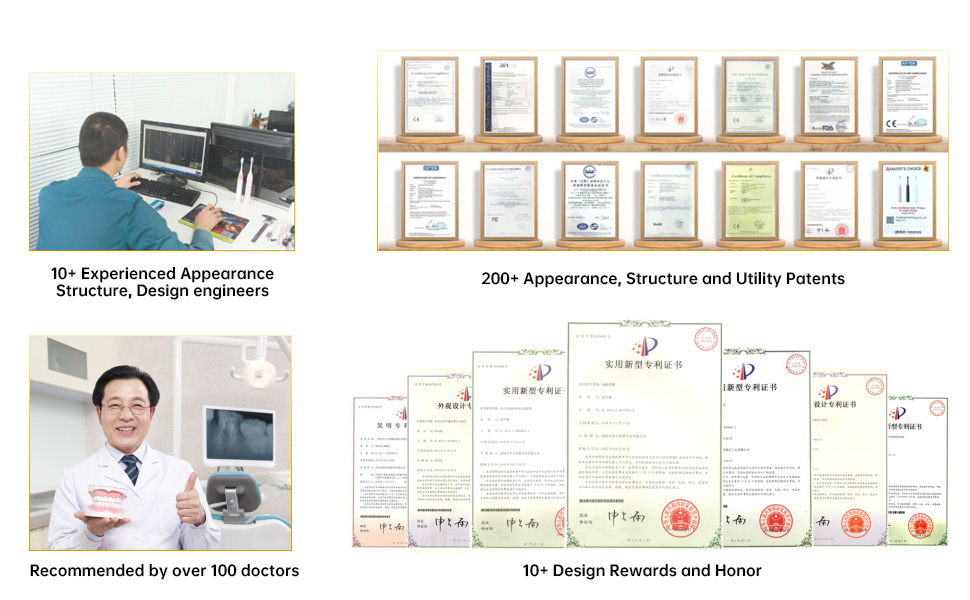
How to Judge Whether a factory’s R&D capabilities Is Strong?


.jpg)
.jpg)
.jpg)
.jpg)
.jpg)