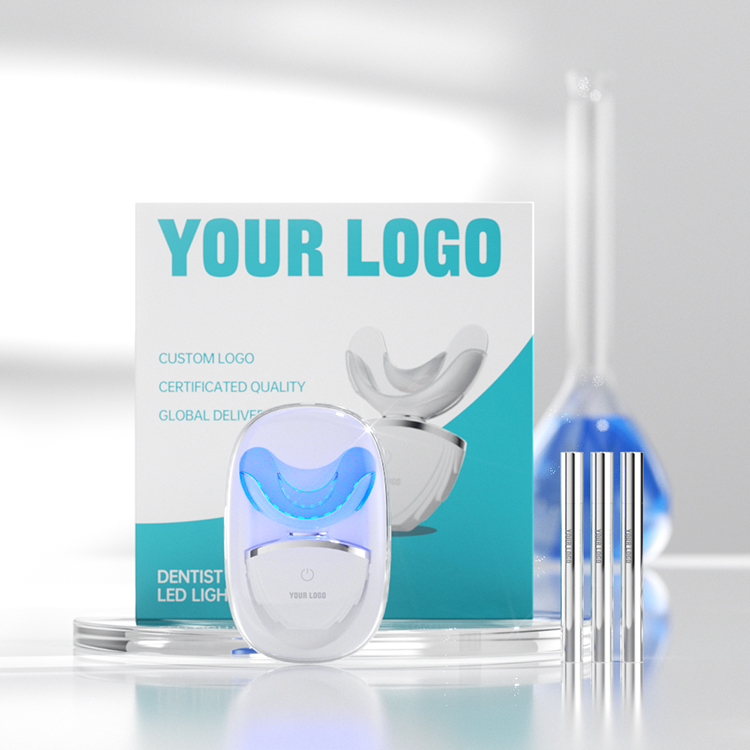
In modern oral-care systems, the Orthodontic Jet Tip plays a surprisingly influential role in enhancing Luminescence Efficiency within whitening devices. As whitening technologies evolve toward precision light delivery and optimized gel activation, the ability to prepare the tooth surface effectively—especially for users with brackets, aligners, or complex dental structures—becomes increasingly important. This blog explores how targeted irrigation and structural access provided by an orthodontic jet tip directly support higher light efficiency and more consistent whitening outcomes.
An Orthodontic Jet Tip delivers a narrow, high-pressure stream that reaches deep around brackets, wires, and interdental areas. By removing plaque, food debris, and biofilm more thoroughly than standard tips, it reduces scattering elements on the enamel surface. A cleaner enamel surface allows whitening LEDs to penetrate more efficiently, directly improving Luminescence Efficiency.
Whitening gels require even surface contact to respond effectively to LED illumination. Residual debris or trapped moisture—especially common in orthodontic patients—can prevent uniform gel application. A targeted orthodontic jet tip clears these obstructions, allowing the gel to form a consistent layer and enhancing the gel’s light-activation response.
Brackets and archwires create micro-shadow zones that reduce the effective coverage of whitening light. By flushing out hidden areas and smoothing the fluid interface around these obstacles, an Orthodontic Jet Tip helps minimize light-absorption dead zones. This results in better distribution of LED energy and therefore increased Luminescence Efficiency across the treatment field.
Hydration levels influence how enamel interacts with light. Over-dry or unevenly hydrated enamel can lead to inconsistent light reflectance and reduced whitening responsiveness. By providing controlled irrigation, the orthodontic jet stabilizes hydration levels, creating a predictable surface condition for LED illumination.
Accurate color or luminescence measurements require clean and unobstructed surfaces. When orthodontic appliances trap film or stains, diagnostic sensors may detect lower reflectance values. Using an orthodontic jet tip before whitening ensures that sensors capture true enamel characteristics, supporting more accurate device feedback and luminescence calibration.
For OEM partners and manufacturers, integrating an Orthodontic Jet Tip option improves treatment outcomes for a large orthodontic user segment. Better cleaning access, improved gel performance, and increased Luminescence Efficiency translate into higher satisfaction, stronger clinical claims, and a more competitive whitening product line. Contact us
How Does Specialized Orthodontic Nozzle Design Affect the Requirements for Nozzle Storage?
.jpg)
How Can Water Flosser Manufacturing Process Create a Truly Eco-Friendly Oral Product?

Why Is Turbine Impeller Design Key to Safe Oral Mucosa Barrier Protection in Flossers?

How Does Integrated UV Sanitization Affect the Cartridge Replacement Cycle for Flossers?
.jpg)
Which Electric Toothbrush is Best for Kids in Chicago?
.jpg)
ADA Approved Electric Toothbrush Chicago
Do Black Friday Deals Boost Electric Toothbrush Sales in Chicago?
.jpg)
Why Choose a Water Flosser for Sensitive Gums as a Core Gentle Oral Care Product?
Is an Electric Toothbrush Subscription Profitable in Chicago?
.jpg)
Why Is an Auto Shutdown Feature Essential for Battery Powered Oral Care Devices?
.jpg)
How Does a Toothbrush with Timer Elevate a Smart Oral Care Device?

Can Jet Stream Collimation Help Achieve a Higher CIE Whiteness Index in Cleaning Systems?
LED indicator water flosser supplier
Electric Toothbrush Sample Lead Time for OEM Projects
.jpg)
Where to Repair Electric Toothbrushes in Downtown Chicago?
Toothbrush Private Mold Development for OEM & ODM Brands


.jpg)
.jpg)
.jpg)
.jpg)
.jpg)






.jpg)