For oral care brands, user comfort is a major factor in product success. As using teeth whitening devices becomes more popular, users frequently report an unexpected side effect: excessive saliva production. This blog explores whether it’s a normal phenomenon during using a teeth whitening device, and how this feedback should influence your product development or supplier choice.
When a person places a whitening tray, mouthpiece LED device, or gel applicator into their mouth, the body often responds by secreting a lot of saliva. This is a natural protective reflex triggered by:
Foreign object detection – The oral cavity identifies the tray or device as something that needs lubrication or swallowing.
Chemical sensitivity – Even safe whitening agents like carbamide peroxide or hydrogen peroxide may mildly stimulate the salivary glands.
Increased mouth closure – Devices require the user to keep the mouth closed, which restricts airflow and signals salivation.
From a user perspective, this can be uncomfortable—but medically, it is considered a normal phenomenon during using a teeth whitening device.
Generally, excess saliva does not impact the effectiveness of most teeth whitening treatments, especially if the product is well-designed. However, poorly fitted trays or overly fluid formulas may be diluted by saliva, reducing efficacy.
For this reason, teeth whitening manufacturing must consider saliva interaction during product design by:
Designing snug-fitting trays or mouthpieces.
Using viscous gels that resist dilution.
Limiting treatment time to manageable sessions (10–20 minutes).
When choosing a manufacturer or formulating a new product, consider features that enhance comfort and manage saliva naturally. Look for these design qualities:
Ergonomic mouthpieces that reduce the gag reflex.
Flavor-masked gels to reduce oral irritation.
Saliva management guidance in user manuals, including pre-treatment recommendations (like swallowing or lightly brushing teeth beforehand).
Partnering with an experienced teeth whitening manufacturing provider ensures your product balances efficacy with real-world comfort.
-3-1024x576.png)
Education is key. Many users abandon whitening kits due to sensations they didn’t expect. Brands can retain trust by clearly stating that saliva secretion is normal and harmless during use. Good user guides should include:
Reassurance that excess saliva is temporary.
Tips on swallowing discreetly during treatment.
Reminders not to rinse prematurely, as it may reduce results.
Proactive customer support around these issues sets your brand apart.
In summary, yes—it is normal to secrete a lot of saliva when using a teeth whitening device. While this may concern some users, it’s a harmless side effect that can be addressed through thoughtful product design, user education, and professional teeth whitening manufacturing. For oral care brands looking to scale or differentiate, partnering with a manufacturer who understands user experience at every stage—from chemistry to ergonomics—is critical. By prioritizing comfort without compromising results, your brand will build lasting loyalty in a competitive market.
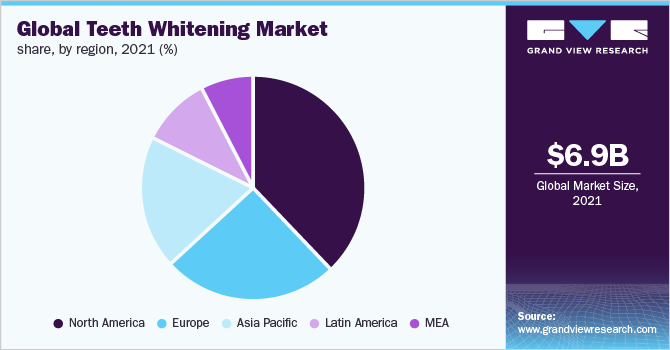
Analysis of Differences in Preferences for Teeth Whitening Devices in the European and American Markets vs. Asian Markets
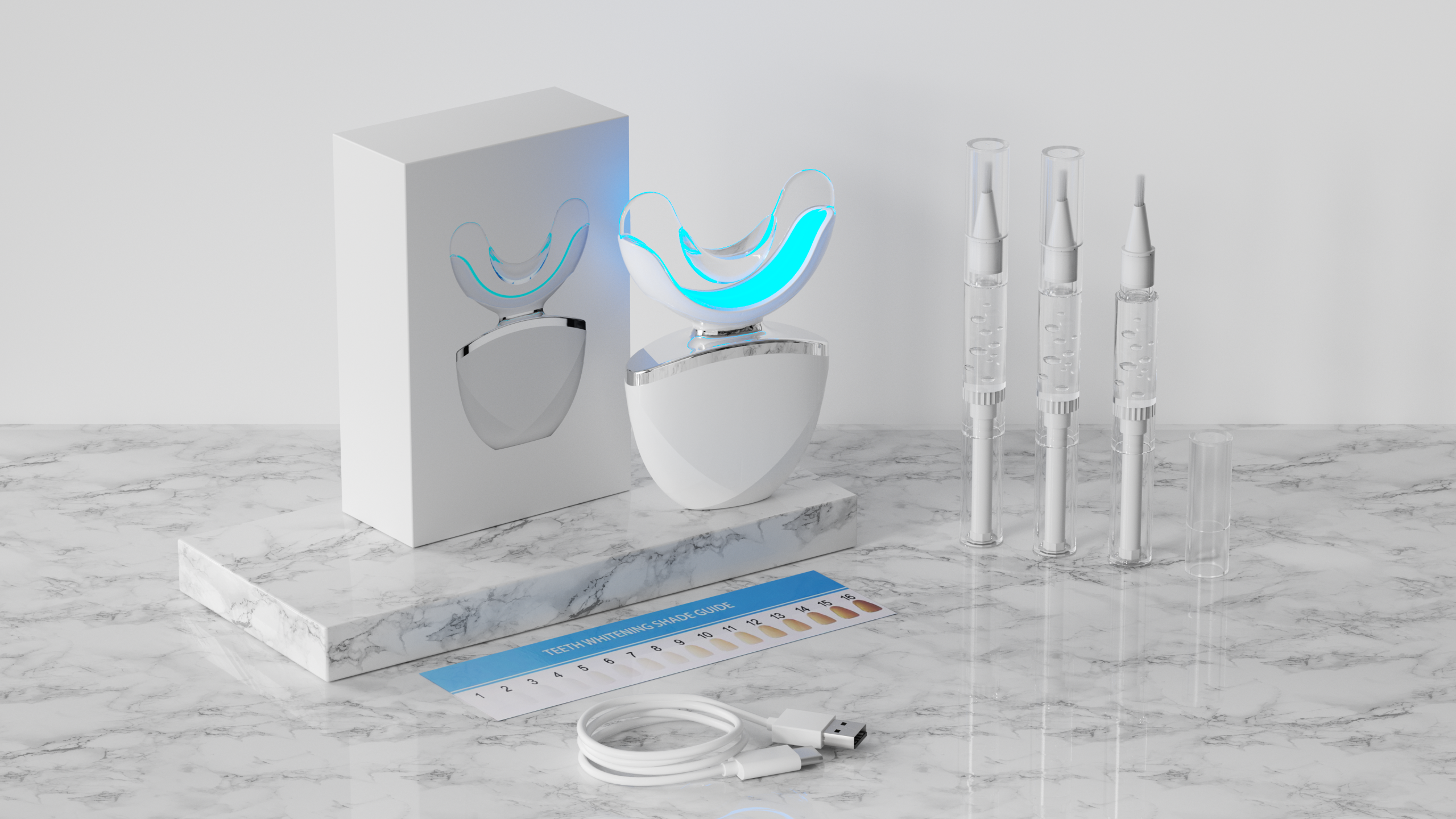
Teeth Whitening Equipment and Gel Compatibility – OEM System Integration
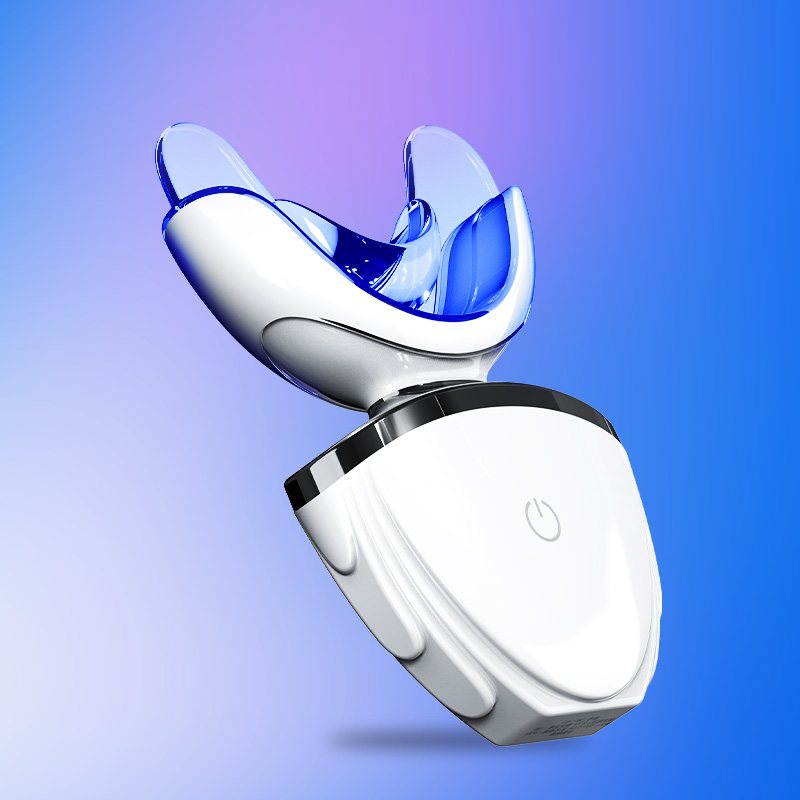
What Are the World-Famous Teeth Whitening Brands?
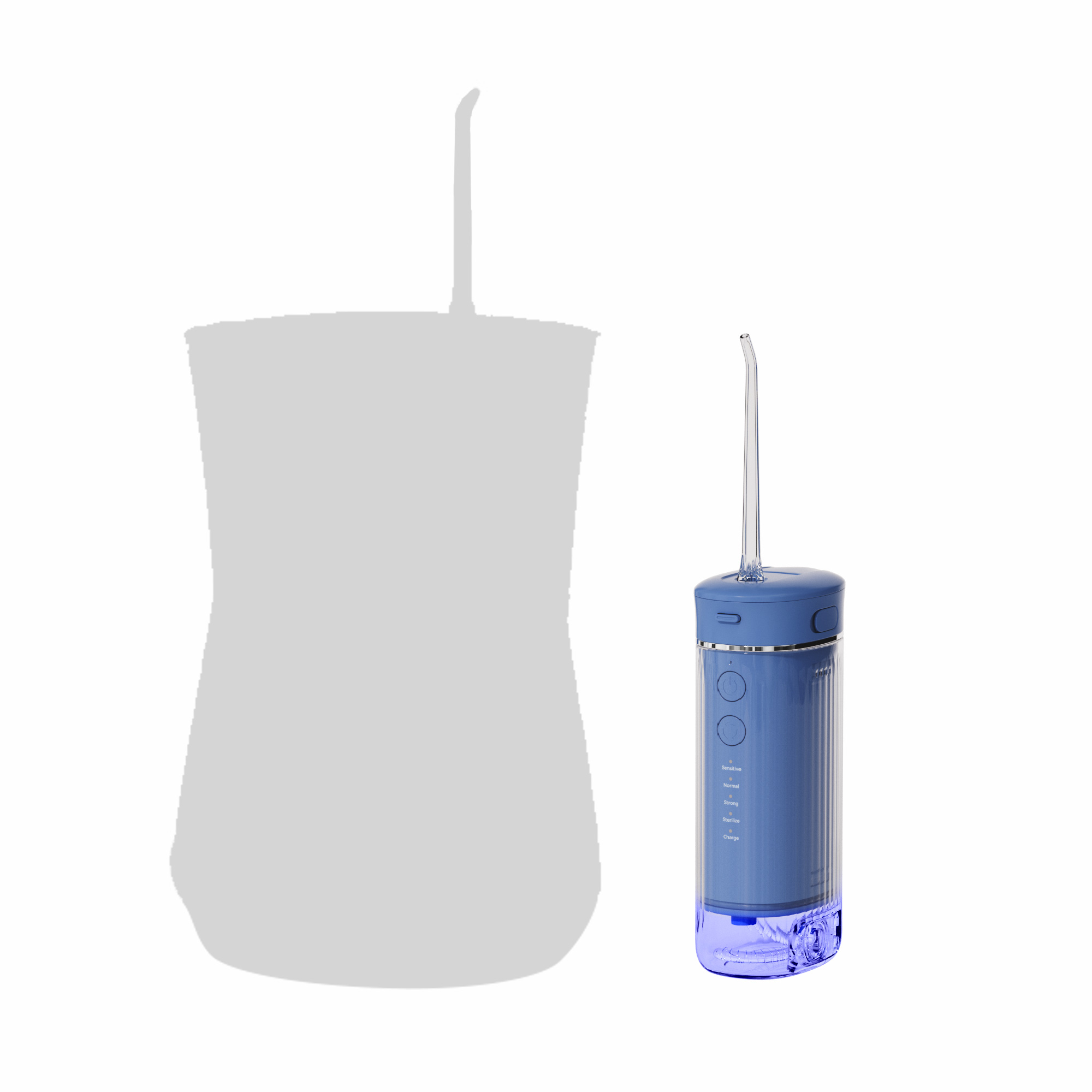
Space-Saving Oral Care: Compact Electric Toothbrush Designs
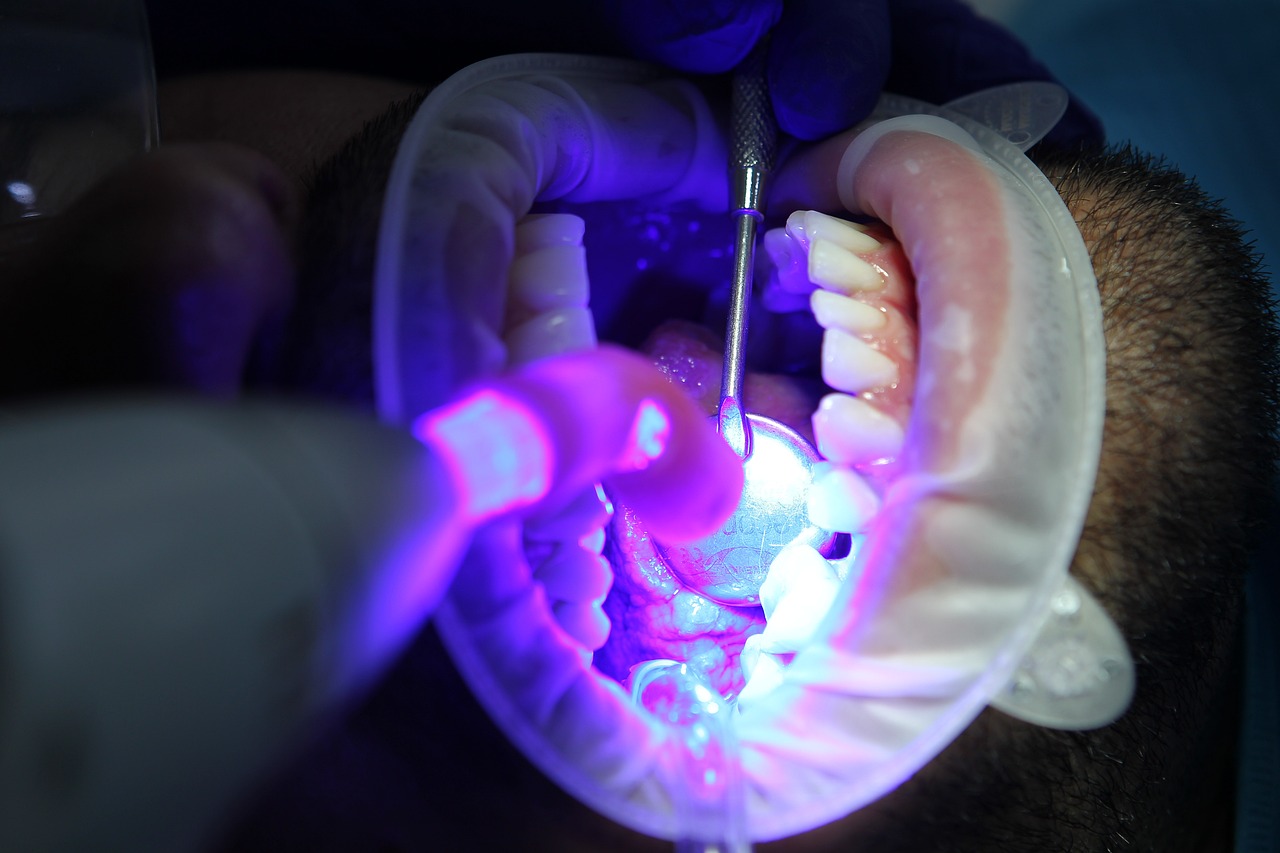
How to Start a Teeth Whitening Business
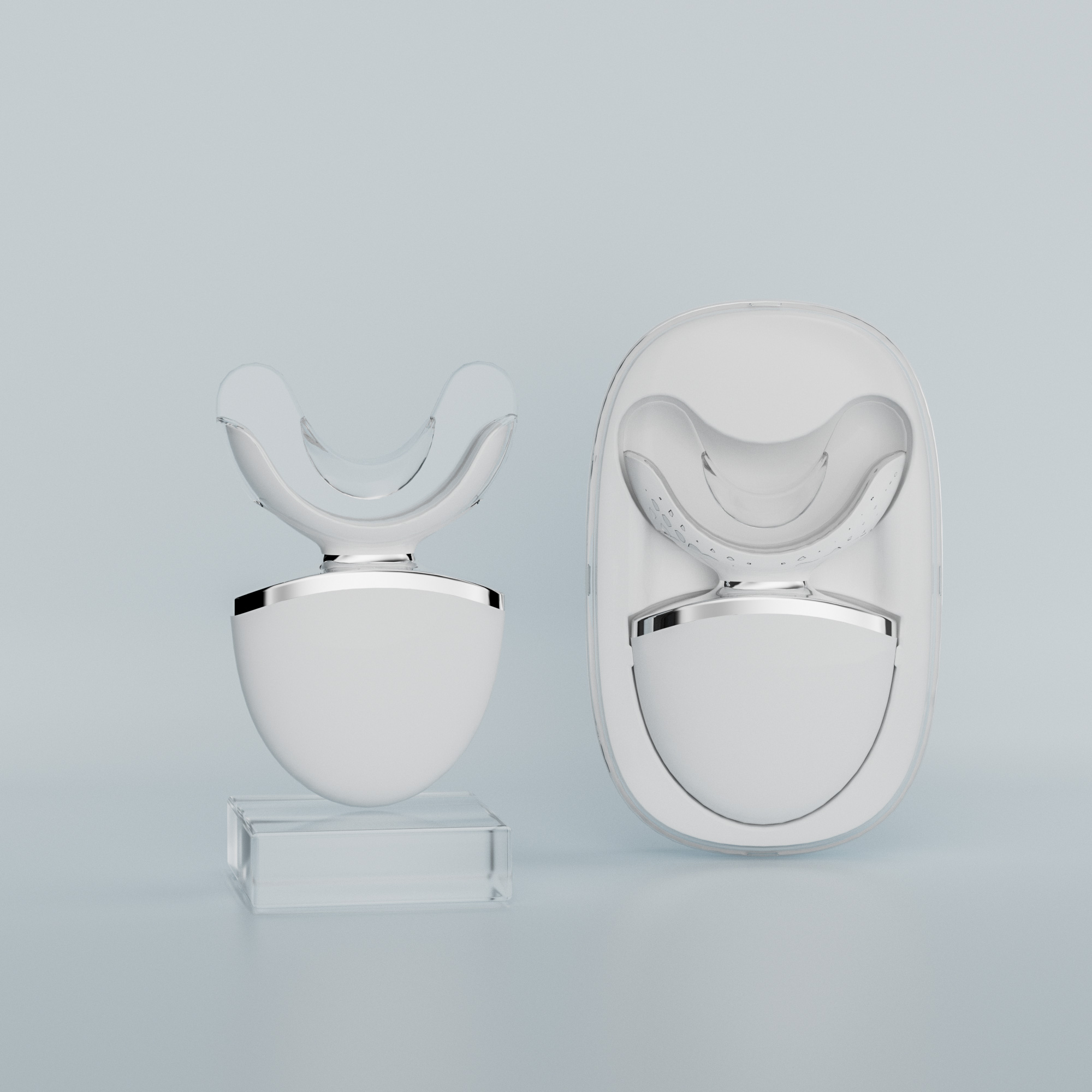
Custom Details of the Teeth Whitening Kit

Custom Your Electric Toothbrush or Water Flosser Brand Now!
Effectiveness of dentistry devices from user feedback: improvements and challenges
Want Hollywood smiles? Dental veneers via cosmetic dentistry — worth it?
How does Soda Affect Your Teeth?
Solving the Common Issues of New Teeth Whitening Devices: Smart Countdown + How to Reduce 70% of Misoperations?
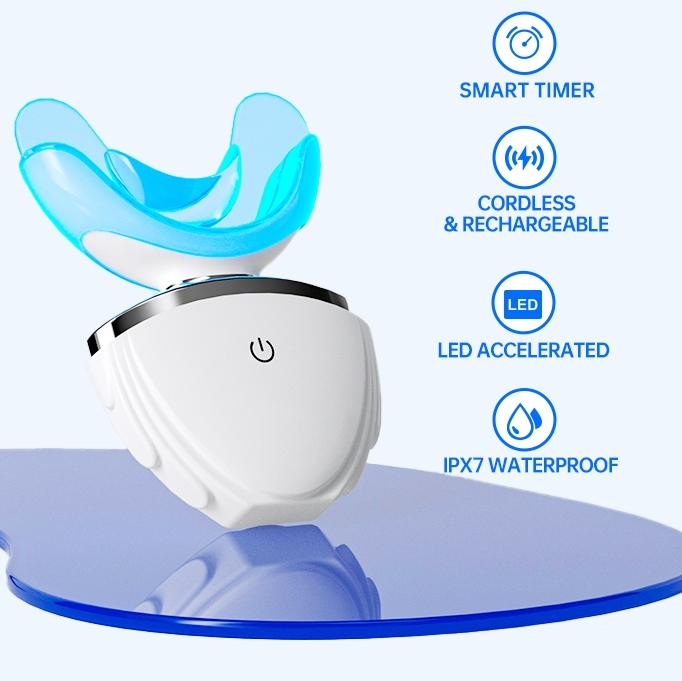
The Future of Teeth Whitening Devices: Trends and Innovations in Manufacturing
How Much Does It Cost to Whiten Teeth at Home? – OEM Teeth Whitening Kit Pricing

Choosing the Right Teeth Whitening Device Supplier: A Useful Guide for Brand Customers
Does your electric toothbrush hit your teeth when brushing?
1-scaled.jpg)
How Can Brand Owners Partner with Reliable Teeth Whitening Device Factories to Create Differentiated Products?


.jpg)
.jpg)
.jpg)
.jpg)
.jpg)



-1.jpg)
.jpg)