
When it comes to the performance of an electric toothbrush, the motor is arguably the most important component. The motor’s design and functionality directly impact factors such as vibrational frequency, torque stability, and overall user experience. In this blog, we’ll explore how the motor of an electric toothbrush affects product performance, with a particular focus on key elements like noise control, power efficiency, and durability. https://www.powsmart.com/about-powsmart/
One of the primary factors influenced by the motor is the vibrational frequency. The motor determines the speed at which the brush head oscillates or rotates, and this directly impacts cleaning effectiveness.
Higher vibrational frequencies: Lead to more effective plaque removal and deeper cleaning, particularly in hard-to-reach areas of the mouth.
Lower vibrational frequencies: Can provide a gentler brushing experience, which is beneficial for users with sensitive gums or teeth.
The ability to fine-tune the vibrational frequency allows manufacturers to cater to different user needs while maintaining optimal cleaning efficiency.
Another important factor influenced by the motor is torque stability. Torque refers to the rotational force the motor generates to drive the brush head. The stability of this torque is critical for the long-term performance of the toothbrush.
Consistent torque: Ensures that the brush head maintains a steady, reliable brushing motion throughout the entire brushing cycle.
Fluctuating torque: Can lead to uneven brushing, poor plaque removal, and reduced motor lifespan.
Manufacturers must choose motors with high torque stability to ensure that the toothbrush performs consistently, even under varying conditions such as low battery charge.
While the primary function of an electric toothbrush is cleaning, the noise produced by the motor can significantly affect the overall user experience. Noise control is an important consideration for manufacturers, as users often prefer a quieter device for a more comfortable brushing experience.
Quiet motors: Are achieved by using advanced motor design technologies that reduce vibration and sound.
Loud motors: Can lead to a negative user perception, even if the toothbrush offers superior cleaning performance.
By focusing on noise control, manufacturers can offer a more enjoyable and peaceful user experience, especially for those who use the toothbrush in shared living spaces.
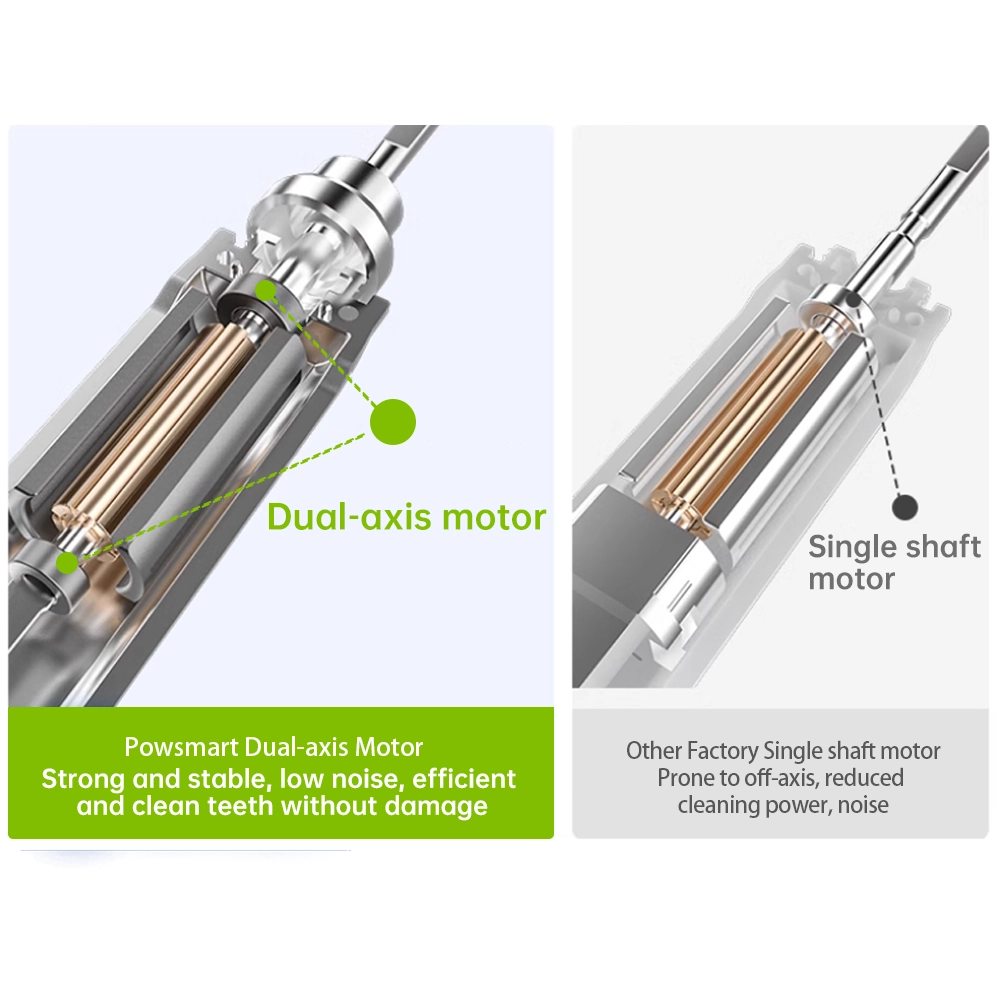
The motor’s power efficiency directly affects the battery life of the electric toothbrush. A motor that consumes too much power will lead to frequent recharging, which can be inconvenient for users. On the other hand, a power-efficient motor ensures that the toothbrush can operate for longer periods before needing a recharge.
Energy-efficient motors: Are optimized to provide maximum power while consuming minimal battery resources, thus extending the device’s usage time.
Inefficient motors: May offer high performance but at the cost of quick battery depletion, leading to shorter operational life between charges.
The right balance of performance and power efficiency is critical for a positive user experience, especially for people who travel or have limited access to charging facilities.
The motor is undoubtedly a key component in determining how an electric toothbrush affects product performance. Factors like vibrational frequency, torque stability, and noise control play a pivotal role in the overall effectiveness, user comfort, and longevity of the device. By selecting high-quality motors that balance power, efficiency, and user-friendly features, manufacturers can deliver an exceptional toothbrush that meets both performance and aesthetic standards.
As a manufacturer, understanding the impact of motor selection on toothbrush performance is essential for staying competitive in the market. If you’re looking to develop high-performance electric toothbrushes, focusing on motor quality and efficiency will undoubtedly provide long-term value for your brand and customers.
Would you like more information on optimizing motor choices for specific types of toothbrushes, or how to incorporate advanced motor technologies in your products? Feel free to reach out to us for customized solutions.
.jpg)
Sonic Toothbrush Cleaning Performance Engineering for OEM Manufacturing

Light Therapy in Dentistry: The Rise of LED Teeth Whitening Systems
Charging Time Efficiency & Oral pH Alteration: A Subtle Link?
How Does Expert Electric Toothbrush Mold Design Benefit a Custom Toothbrush Factory?
EU vs. US Whitening Gel Regulations for Global Brands
Can a soft-bristle brush head designed for sensitive gums make your brushing process more comfortable?

Top 10 California electric toothbrush factory for OEM/ODM Services
Can Brush Head Rotation Cause Enamel Erosion?
Smart Timer Toothbrush Wholesale for Distributors & OEM Buyers
Fort Worth Electric Toothbrush Wholesale Buying Guide
Hotel Amenity Electric Toothbrush Supplier
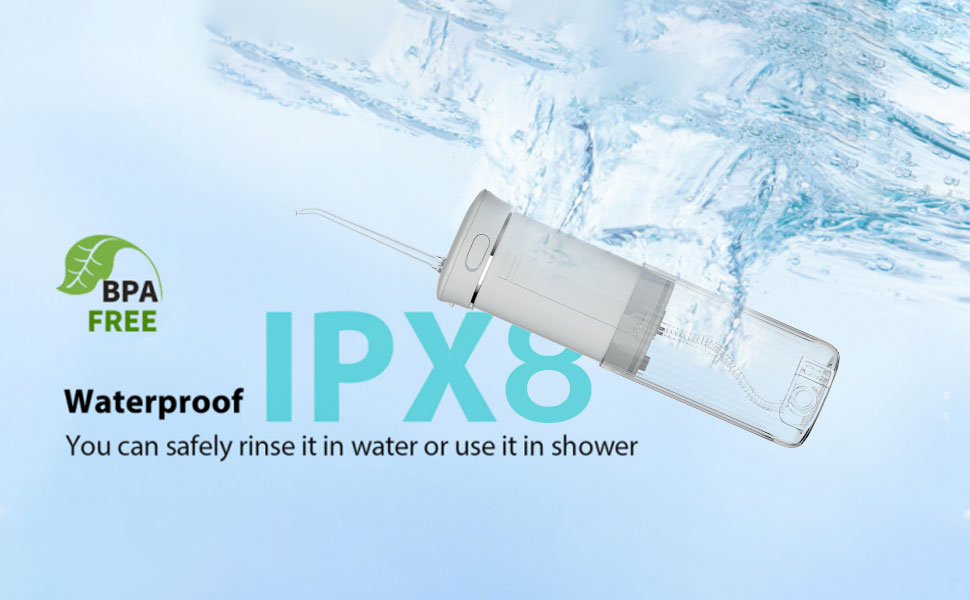
How to Identify the Waterproof Rating of an Electric Toothbrush?
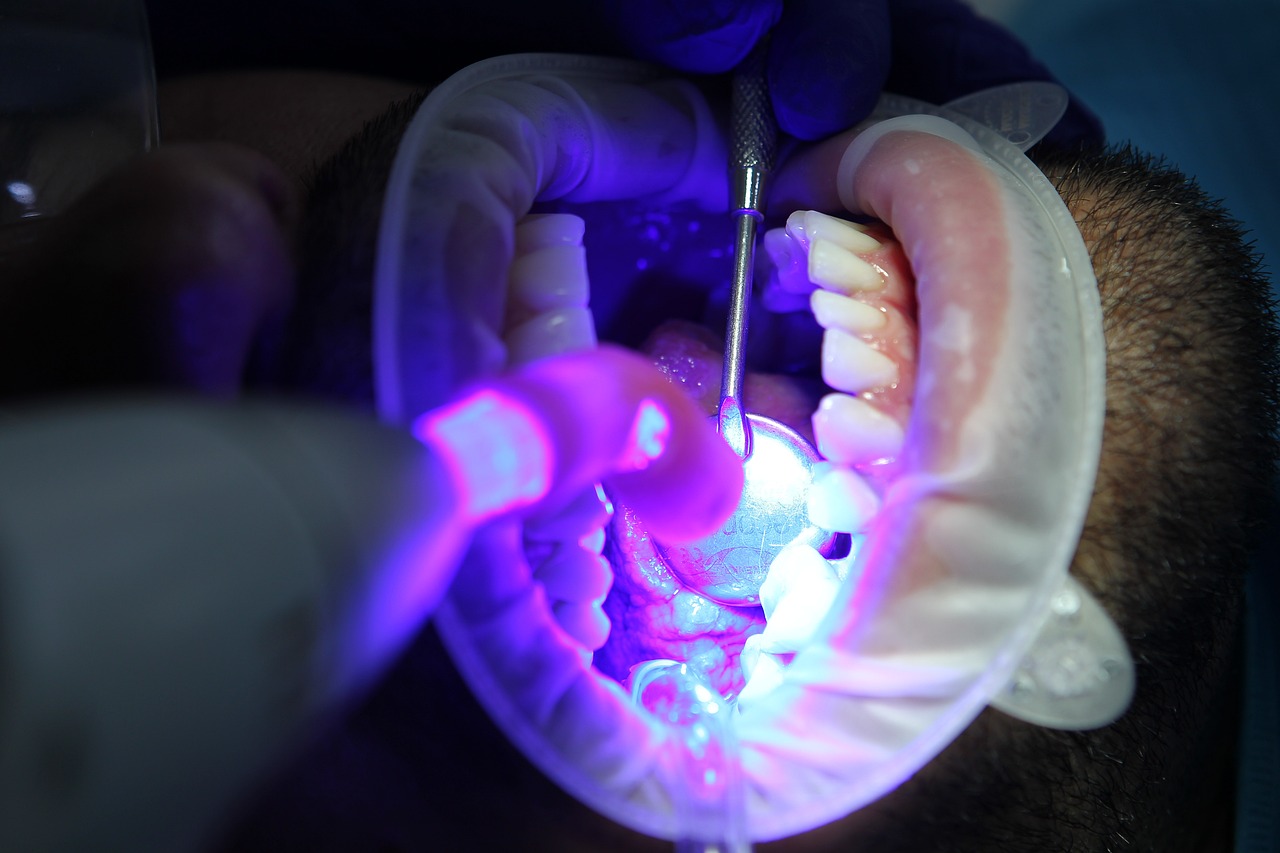
How long do at-home teeth whitening products last?
How Do Quality Control Protocols Contribute to Rigorous Quality Assurance?
“Electric Toothbrush Private Label Services: Start Your Own Oral Care Brand with Custom Designs, Bulk Orders, and Competitive Pricing
Teaching Kids to Brush Properly


.jpg)
.jpg)
.jpg)
.jpg)
.jpg)






.jpg)
1-scaled.jpg)