
As smart features become standard in personal care and electronic devices, integrating Pressure Sensor Technology into compact products presents new structural and engineering challenges. Many brands ask whether successful implementation requires a dedicated Mold Development Service. In practice, precision tooling and sensor accommodation are closely linked, making specialized mold expertise essential for reliable performance, durability, and large-scale production.
Pressure Sensor Technology relies on precise force detection. Even minor structural deviations can affect sensitivity and calibration accuracy. A professional Mold Development Service ensures that internal cavities, support frames, and housing tolerances are engineered to maintain exact sensor positioning throughout mass production.
For accurate readings, applied pressure must be transferred efficiently from the outer housing to the sensor component. Specialized Mold Development Service teams design structural ribs, elastic contact points, or buffering layers that guide force transmission without distortion. This structural optimization directly supports the stable performance of Pressure Sensor Technology.
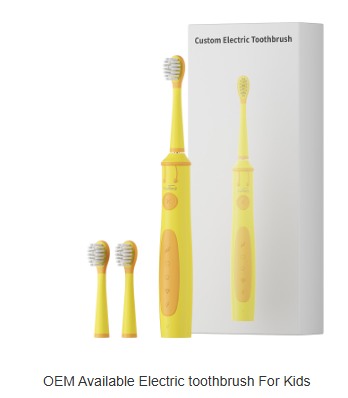
Many products incorporating Pressure Sensor Technology—such as electric toothbrushes or grooming devices—require high waterproof ratings. Integrating sensors without compromising sealing demands advanced mold engineering. A dedicated Mold Development Service can incorporate sealing grooves, overmolding techniques, and material transitions to protect both the sensor and internal electronics.
Sensor integration often involves multiple materials, including rigid plastics, soft elastomers, and protective coatings. Mold Development Service providers must carefully evaluate material shrinkage, elasticity, and long-term wear characteristics to ensure Pressure Sensor Technology remains accurate over the product’s lifecycle.
Efficient large-scale production requires seamless assembly processes. A well-executed Mold Development Service designs components that simplify sensor installation, reduce alignment errors, and support automated assembly lines. This approach minimizes calibration inconsistencies and improves yield rates during manufacturing.
For OEM/ODM manufacturers, integrating Pressure Sensor Technology can differentiate product offerings in competitive markets. Partnering with an experienced Mold Development Service enables faster prototyping, iterative testing, and structural refinement. The result is a smoother transition from concept validation to commercial production.
While Pressure Sensor Technology delivers advanced functionality and enhanced user safety, its successful integration depends heavily on precision tooling and structural engineering. A specialized Mold Development Service ensures accurate alignment, durability, waterproof performance, and scalable production efficiency. Contact us
.jpg)
FDA-Certified Sonic Electric Toothbrushes for Sensitive Teeth: Europe Guide
Small Batch Electric Toothbrush Production for Startups
Seeking full OEM/ODM Services backed by a reliable Global Logistics Partner?
Orthodontic Water Flosser Braces Cleaning: Keep Braces Clean
Cold Sore Water Flosser | Gentle Irrigation To Clean Around Active Oral HSV Blisters
Electric Toothbrush Ergonomic Handle OEM: Comfort-Driven Product Design

Can a Medical Science Liaison Facilitate Dental School Curriculum Integration?
Is IPX8 Waterproof Rating Compliance Achievable Through Strategic Bulk Material Sourcing?
Fruit Juice Teeth Staining Guide | Whitening for Fruit Juice Lovers
DuPont Bristle Electric Toothbrush Factory: OEM Quality, Material Standards and Supply Chain Advantages
chronic bad breath water flosser: bacteria removal
What Should You Consider in Cordless Flosser Manufacturing Regarding Flosser Battery Solution Choice?
First Electric Toothbrush Beginners Guide: Start Here
Electric Toothbrush Manufacturing Company for OEM & ODM Projects
Portable Electric Toothbrush OEM
Can a Professional Teeth Whitening System Become a Significant Dental Practice Profit Center?


.jpg)
.jpg)
.jpg)
.jpg)
.jpg)




.jpg)
.jpg)
.jpg)