For brands entering the oral-care market, choosing the right water flosser manufacturer is more than selecting a device—it’s about ensuring long-term product quality, customer satisfaction, and brand reputation. One of the most important factors during OEM negotiations is the water flosser warranty. Clear warranty terms not only build trust between brands and consumers but also reflect the capabilities and confidence of the manufacturer behind the product. This guide breaks down the typical warranty duration for water flossers and highlights the key elements every brand should review when evaluating an OEM warranty policy.
Most consumer-grade water flossers come with a 1-year warranty, while premium or professional healthcare models may extend to 18 months or even 2 years.
However, OEM terms may differ significantly depending on:
Component quality
Motor lifespan design
Battery specifications
Manufacturer’s internal quality-control standards
A reliable manufacturer will provide transparency on part durability and failure rates, helping you justify longer warranty promises to your customers.
Understanding what is included—and excluded—is crucial before you finalize your OEM contract. Standard coverage usually includes:
Motor malfunction
Battery failure
PCB or charging issues
Leakage caused by assembly defects
Early-life failures due to workmanship
Exclusions often include accidental damage, improper use, and wear-and-tear on detachable tips.
A strong OEM warranty policy will clearly define each category to prevent disputes later.
A manufacturer offering only minimal warranty coverage may be signaling:
Lower-grade components
High defect rates
Limited production consistency
On the other hand, a factory confident in its production line will often:
Offer extended warranty options
Provide historical defect data
Highlight certifications and testing procedures (e.g., IPX7 waterproof tests, life-cycle testing, battery aging tests)
This is why brands should prioritize a reliable manufacturer that openly shares QC methods and offers flexible warranty structures.
Before signing an OEM contract, brands should discuss:
Warranty duration (1 year? 18 months? 2 years?)
Replacement vs. repair responsibilities
Free spare-parts ratios per order volume
Who covers logistics costs for defective returns
Failure rate guarantees (e.g., <1% within 12 months)
After-sales documentation provided by the factory
Brands with long-term scaling plans should negotiate renewable terms, ensuring stability as order volumes grow.
A well-structured water flosser warranty enhances trust and improves post-purchase satisfaction. When customers receive fast, no-hassle replacements, they are more likely to:
Leave positive reviews
Recommend your product
Purchase additional oral-care items from your brand
Conversely, unclear warranty terms can lead to increased returns, customer disputes, and negative ratings.
This makes selecting a reliable manufacturer with stable warranty support critical for brand growth.
When evaluating potential OEM partners, focus on factories that can:
Provide detailed OEM warranty policy documents
Demonstrate low defect rates based on past orders
Offer scalable after-sales solutions
Support international certifications (CE, FDA, FCC, etc.)
Present internal QC reports, testing procedures, and production videos
These markers help ensure you’re partnering with a reliable manufacturer capable of protecting your brand reputation through strong warranty performance.
.jpg)
Charging Corrosion with Mucosal Lesions – Fatal?
Analyze the Future Development Trend of the Oral Irrigator Market
.jpg)
Electric Toothbrush Noise Level Test: Powsmart vs. Philips & Oral-B
Electric Toothbrush Battery Replacement Options: Replace or Upgrade?
Dual-Color Light Therapy Toothbrush OEM – LED Oral-Care Innovation
How to Enhance Cleaning Power and Protect Teeth Through Technological Innovation
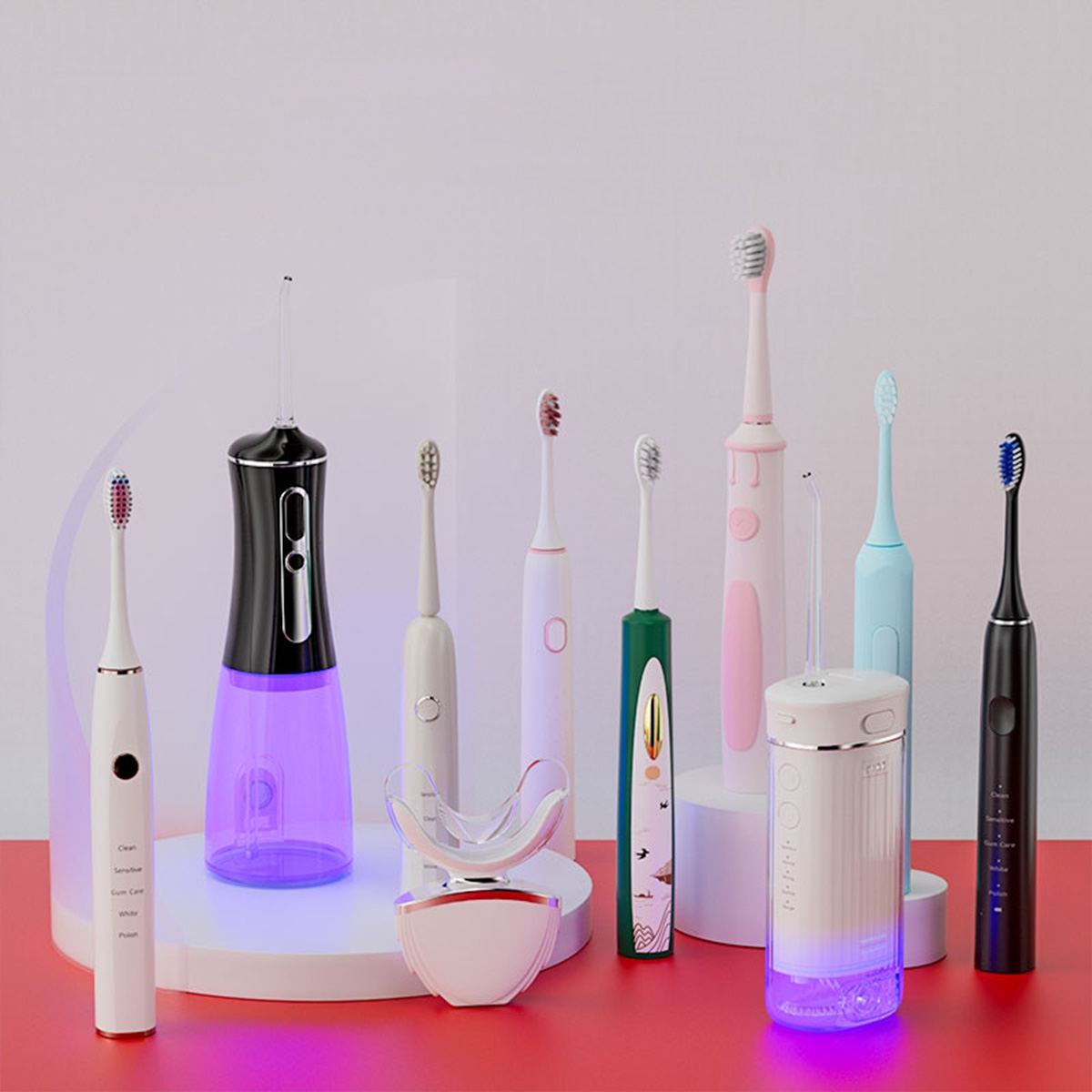
Electric Toothbrush & Water Flosser Combination Set: How to Increase the Average Transaction Value through Scenario-Based oral care products Design?

Is a Texas travel toothbrush with a Texas tax-free advantage — worth it?
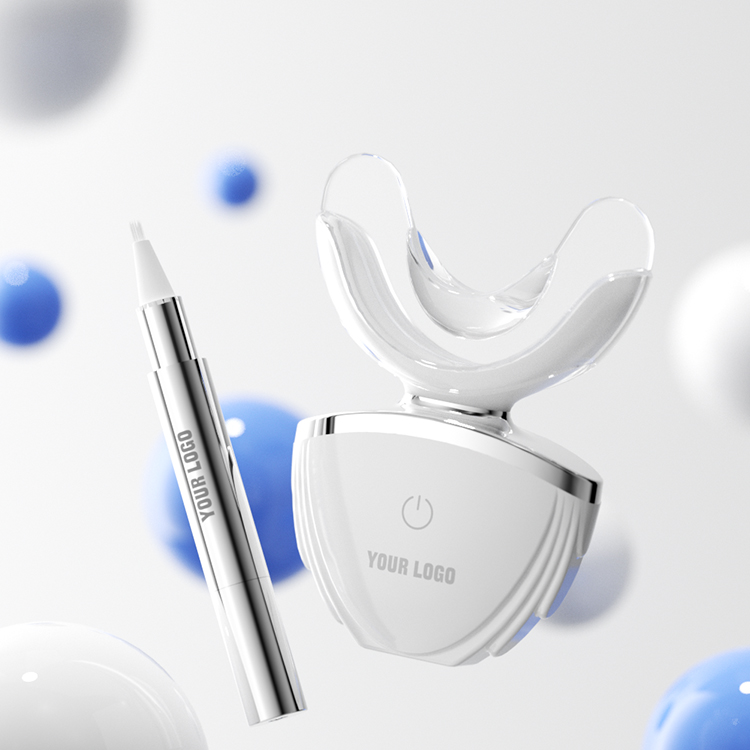
Can a Gingival Sulcus Cleaner integrate a Thermochromic Indicator for safety monitoring?
Smart Tech Diwali Gifts Electric Toothbrush | Powsmart
Electric Toothbrush for Senior Living Facilities | Gentle & Easy-Care Design
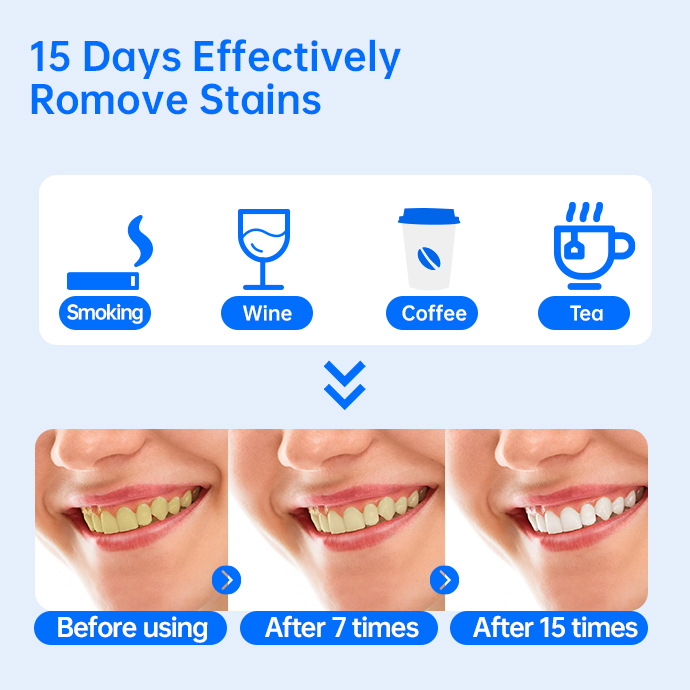
Teeth Whitening Methods Analyzed: What Actually Works for a Brighter Smile?
Are NYC Dental Recommended Toothbrushes Worth It?
.jpg)
How to Choose a Professional ultraviolet sterilized water flosser Manufacturer?
OEM Strategies of Future-Proofing Your Electric Toothbrush Line
Travel-Proof Your Brand: OEM Electric Toothbrushes Designed for US Luggage Compliance


.jpg)
.jpg)
.jpg)
.jpg)
.jpg)






.jpg)