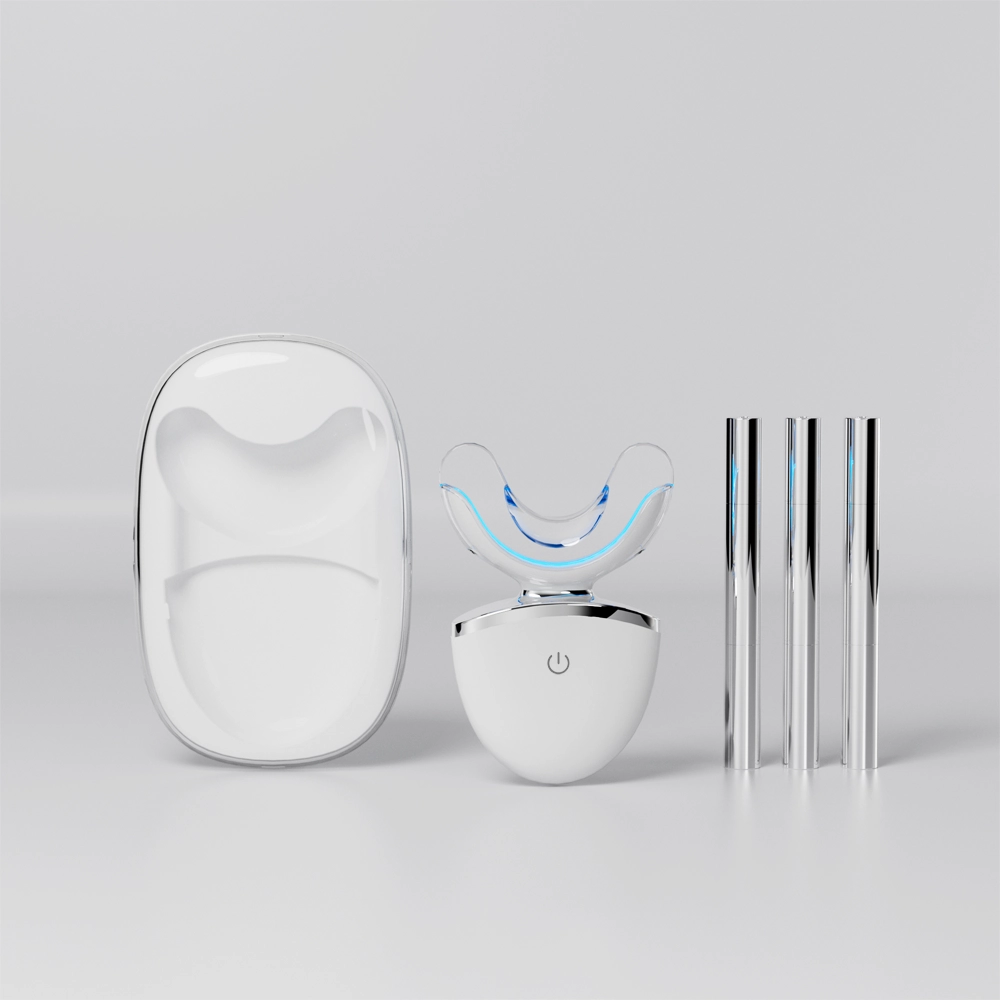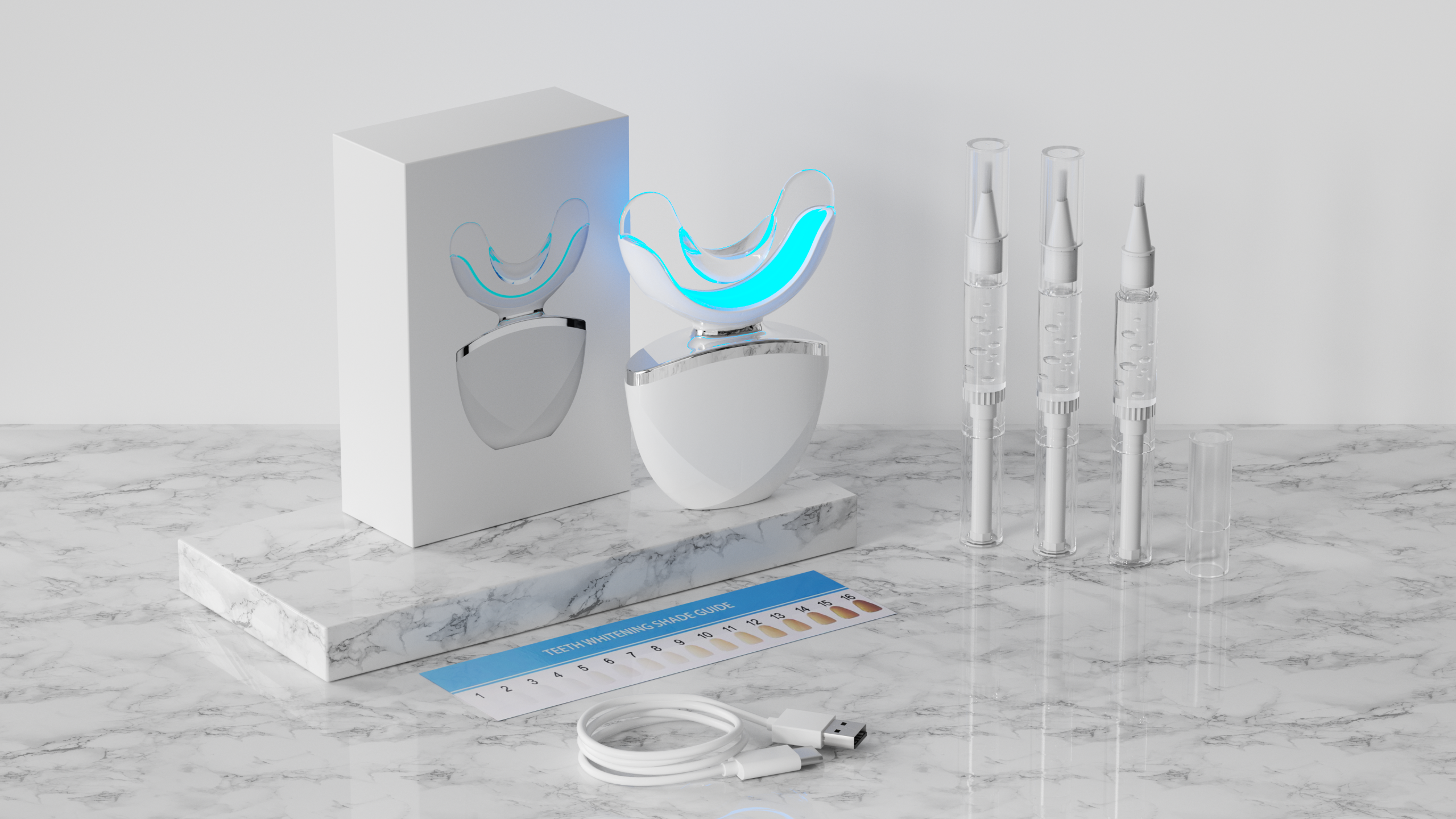
In today’s highly competitive oral care market, consumers expect fast and visible teeth whitening results. With the rise of electrical oral care products, such as sonic toothbrushes and LED whitening devices, both brands and OEM manufacturers are focusing on performance, safety, and long-term whitening efficacy. But one question remains at the core of every buyer’s mind: How long does it typically take to see results in teeth whitening? Understanding the teeth whitening results timeline is essential for developing and marketing effective whitening products.
Several factors influence how quickly users can see visible changes in tooth color:
Product formulation and active ingredients (e.g., hydrogen peroxide concentration)
Technology used — LED light wavelength, sonic vibration intensity, or heat activation
User consistency and frequency of use
Individual tooth condition and lifestyle habits (coffee, smoking, etc.)
Brands that partner with professional OEM manufacturers can fine-tune these variables to achieve an optimal balance between whitening speed and enamel safety.
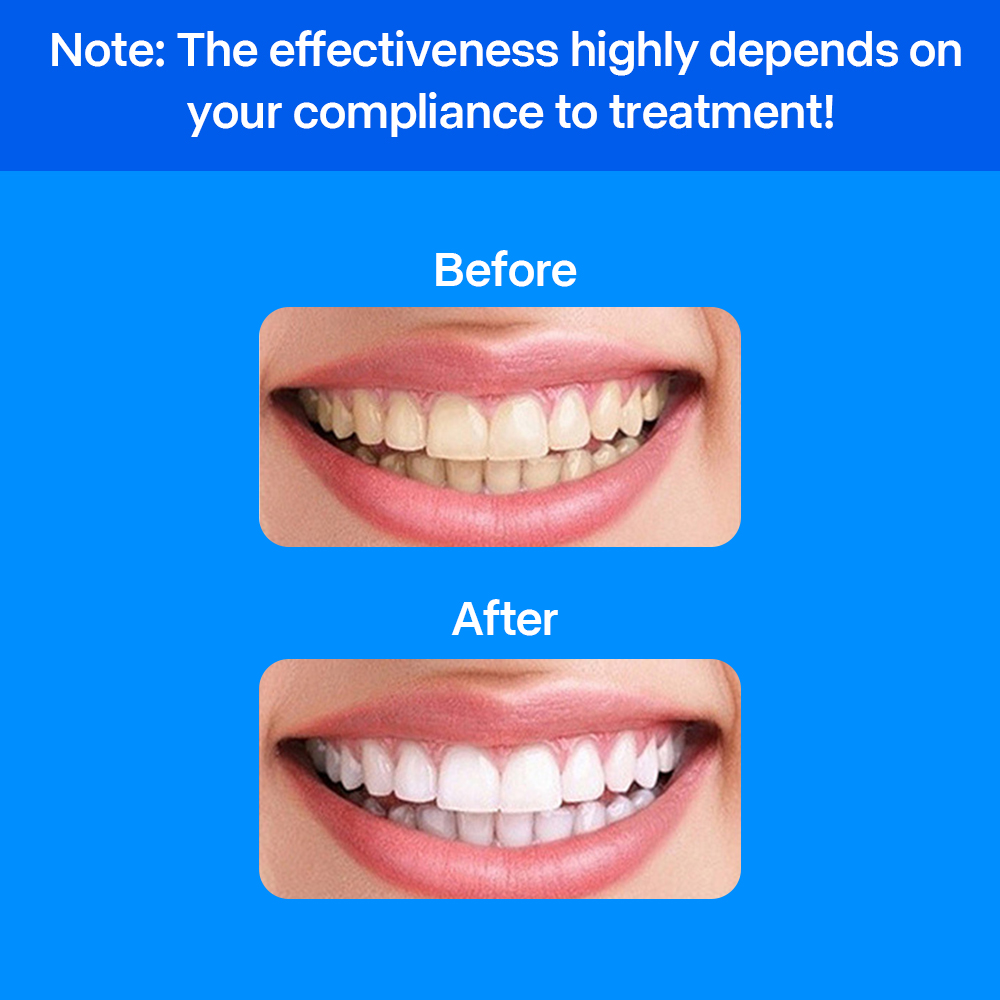
While results vary, most users begin to notice a difference within 7 to 14 days when using high-quality electrical oral care products consistently.
Days 1–3: Subtle improvement as surface stains are lifted.
Week 1: Noticeable brightness; teeth appear cleaner and more polished.
Week 2–4: Significant whitening effect with enhanced shine and uniform tone.
This general teeth whitening results timeline can serve as a benchmark for brands and manufacturers when designing or testing their whitening devices.
Unlike traditional whitening strips or gels, electrical oral care products combine mechanical energy and light technology to accelerate stain breakdown. Sonic toothbrushes enhance surface cleaning, while LED or blue-light whitening devices activate whitening agents at a molecular level, offering faster and more even results.
For OEM partners, integrating these advanced technologies into product design can significantly boost whitening efficacy and consumer satisfaction.
In the OEM development process, clinical testing data plays a crucial role in verifying product claims and ensuring regulatory compliance. Reliable data on OEM whitening efficacy—such as before-and-after shade analysis, enamel safety reports, and long-term stability tests—helps brand owners build trust and credibility.
Manufacturers who invest in laboratory-backed testing and transparent reporting can offer stronger value propositions to brand partners looking to differentiate in the whitening category.
For brands seeking to enter or expand in the teeth whitening market, collaborating with experienced OEM manufacturers is the key to delivering visible, clinically supported results.
By understanding the teeth whitening results timeline, utilizing proven electrical oral care technologies, and grounding product development in clinical testing data, companies can create whitening solutions that not only perform but also stand out in a crowded marketplace.
How Does Advanced Whitening Gel Formulation Cater to Sensitive Teeth Whitening Needs?
The Science Behind Cold Light Teeth Whitening: How Wavelength Impacts Whitening Results
-2-scaled.png)
Clinical Validation of Modern Teeth Whitening Technologies: A Guide for Oral Care Product Brands
.jpg)
Explaining the Teeth Whitening Device and How to Use It?
Are the effects of cold light teeth whitening permanent?

Don’t Fall for These Viral Teeth Whitening Trends: Dentist-Approved whitening
Sync Errors Causing Taste Distortion – Tech Glitch?
Uncovering Dentistry: Scientific Methods and Techniques for Whiter Teeth
OEM of Teeth Whitening Device: A Complete Solution from LOGO Printing to Light Wave Mode Customization
Does Teeth Sensitivity Worsen Tetracycline Stains? New Whitening Side Effects!
How Long Should I Use Blue Light on My Teeth? OEM Manufacturer’s Guide
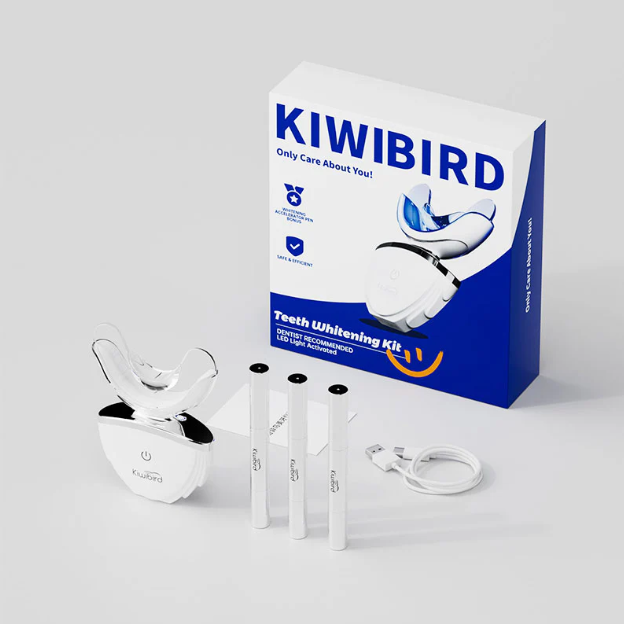
The Rise of Wireless Teeth Whitening Devices: Manufacturing Innovations
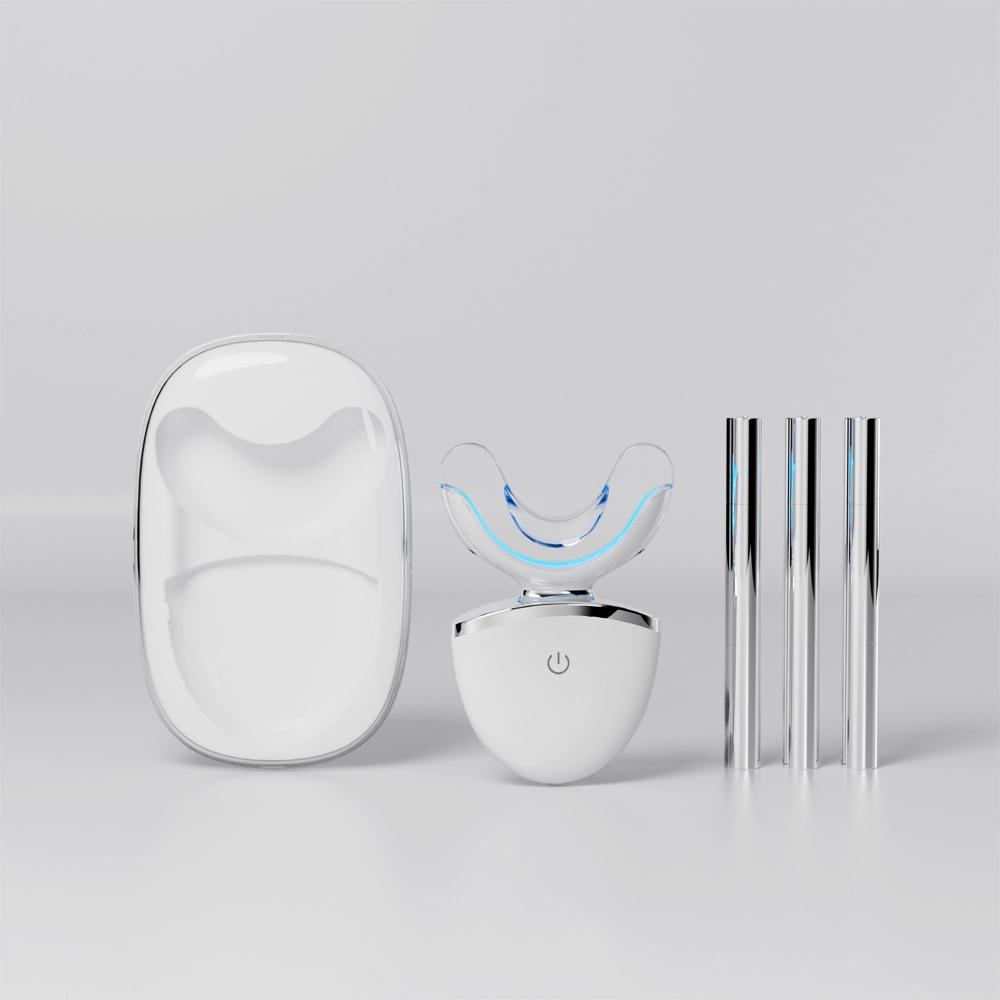
R&D innovation and technological upgrading of dental appliances
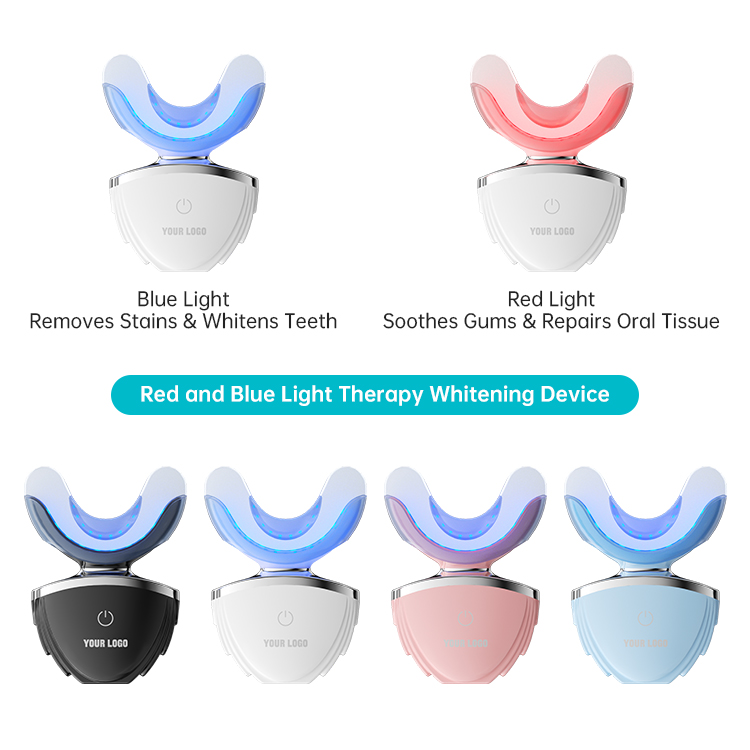
Mitigating LED Teeth Whitening Side Effects Through OEM Design & Formulation
powsmart adult electric toothbrush
The Scientific Principle of Red and Blue Light Teeth Whitening Device: How Can 460nm Blue Light and 630nm Red Light Safely Whiten Teeth?


.jpg)
.jpg)
.jpg)
.jpg)
.jpg)






.jpg)