
Electric toothbrushes are essential tools for maintaining oral hygiene, but like any electronic device, they can occasionally malfunction. If your electric toothbrush isn’t responding when turned on, several factors could be at play. Below, we explore the common reasons and provide practical solutions to get your electric toothbrush working again.
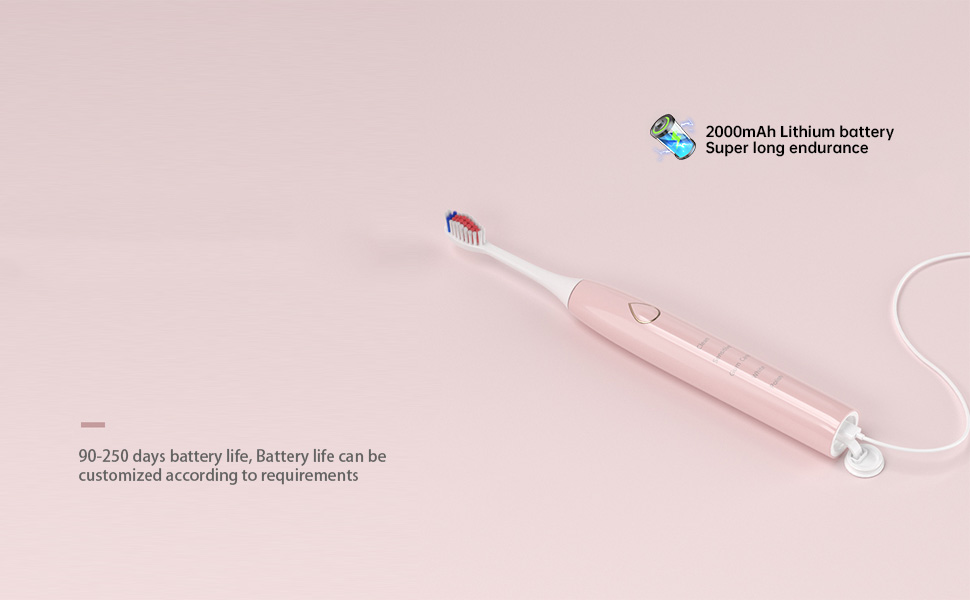
A low battery is the most frequent reason an electric toothbrush fails to turn on. If the device hasn’t been charged in a while, it may simply lack the power to start.
Solution:
Connect the adapter to charge for at least 2 hours before attempting to use it again.
If the toothbrush still doesn’t respond after charging, the battery may be depleted and require replacement.
Some electric toothbrushes have built-in short circuit protection to prevent damage from power surges or static electricity. If the device was exposed to a sudden electrical discharge, it may temporarily shut down.
Solution:
Disconnect the charger (if plugged in) and wait 10-15 minutes before trying to turn it on again.
If the issue persists, reset the toothbrush according to the manufacturer’s instructions.
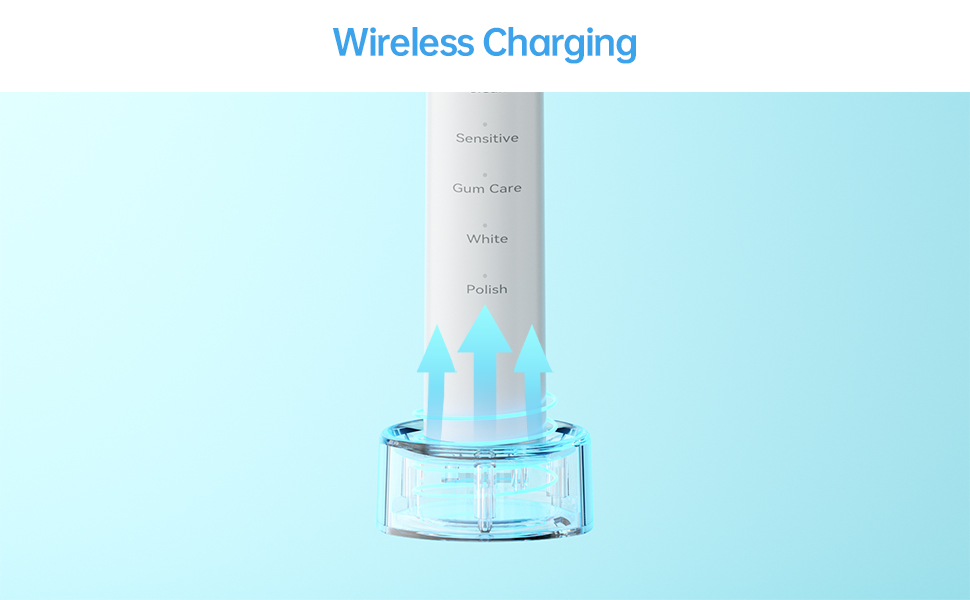
A faulty charging dock or dirty contact points can prevent the toothbrush from receiving power, making it unresponsive.
Solution:
Clean the charging base and toothbrush contacts with a dry cloth to remove debris or oxidation.
Ensure the charger is properly connected to a working power outlet.
Since electric toothbrushes are frequently used in wet environments, water ingress can cause equipment damage, leading to malfunction.
Solution:
Let the toothbrush dry completely for 24-48 hours before attempting to charge or use it.
Avoid submerging the handle in water—only the brush head should be rinsed.
Some advanced electric toothbrushes have firmware that may freeze or crash, causing unresponsiveness.
Solution:
Perform a reset (check the user manual for instructions).
If available, update the firmware via the manufacturer’s app (if applicable).
If none of the above solutions work, the toothbrush may have equipment damage due to a faulty motor, broken wiring, or a defective battery.
Solution:
Contact after-sales service (replacement or repair) for professional assistance.
If under warranty, request a replacement unit from the manufacturer.
Before assuming the worst, try basic troubleshooting like charging, cleaning, and resetting the device. If the problem persists, reaching out to customer support is the best course of action. A well-maintained electric toothbrush should last for years, but when issues arise, timely solutions can save you from unnecessary replacements.
For further assistance, don’t hesitate to contact after-sales service—our team is ready to help with repairs or warranty claims!
.jpg)
Custom Oral Care Products Manufacturer for Private Label Brands
.jpg)
How can a toothbrush with a Smart Pressure Sensor protect your oral health?

FAQ for New Water Flosser Brands: Avoiding Costly OEM Mistakes
Why Does My Electric Toothbrush Only Vibrate but Not Oscillate?
Is a Dentist approved Mumbai seal valid for an antibacterial brush head?
IPX8 Electric Toothbrush Factory China
Why Choose a Miami waterproof toothbrush for Miami beach toothbrush trips?
Electric Toothbrush Material Safety Supplier: OEM Compliance & Quality Guide
Is It Because Water Ingressed That the Water Flosser Can’t Be Charged?
Travel Toothbrush with UV Sterilizer Wholesale | OEM Bulk Amenity Solutions
Innovation and environmentally friendly production practices in electric toothbrush factories
Mode Glitches During Calibration Drift – What’s Really Happening?
Can a Predictive User Interface Power a Truly Context-aware Brushing Coach?
What Features Should Cost-Effective Electric Oral Hygiene Products Have?
Groom Grooming Gift: Men’s Electric Toothbrush OEM Manufacturing
Compact Jet Water Flosser Manufacturer – OEM Factory for Global Brands


.jpg)
.jpg)
.jpg)
.jpg)
.jpg)




.jpg)
.jpg)